The 5 Cleanest Air Destinations in Thailand (Feb–Mar)
February 08, 2026 12:50 PM
Last edited: February 06, 2026
Breathe easy in Thailand. These 5 southern provinces, from Satun to Surat Thani, offer the cleanest air and lowest PM2.5 in Feb–Mar. Tips on when to go.
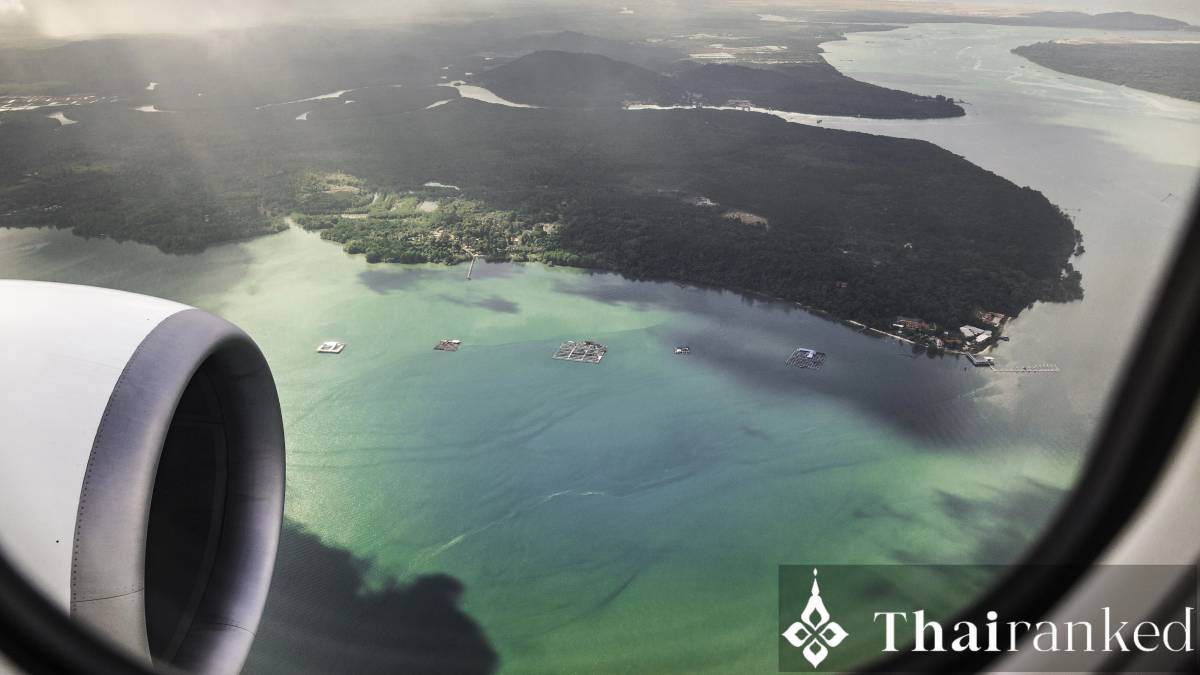

by Thairanked Guide
Thairanked helps you discover great places in Thailand!
Search Hotels & Flights
You might like







Where to find Thailand’s cleanest air in late high season
February and March can be hazy across much of Thailand, especially in the North and major cities. If clean air is your priority, head south to the islands. Driven by steady sea breezes and minimal agricultural burning, the Andaman Coast and the Gulf islands consistently record the country’s lowest PM2.5 during this period. This data-backed shortlist focuses on provinces that combine low emission sources, protective marine parks, and favorable winds that disperse fine particles.
How we ranked: we looked at typical seasonal wind patterns, proximity to emission sources, and coastal/island geography that encourages natural air flushing. While daily readings vary, these destinations are reliably clearer than inland hubs like Chiang Mai or Bangkok in Feb–Mar. Always check real-time AQI with the best air pollution apps for traveling in Thailand before you fly or ferry.
Travel tips for breathing easy: base yourself beachside where sea winds are strongest, avoid staying directly next to busy piers, and plan outdoor activities for mornings when air is often freshest. On rare hazy days, choose snorkeling or island-hopping over mountain viewpoints. Below are the five provinces that shine for clean air, with suggested islands and practical notes for each.

1. Satun Province (Tarutao, Koh Lipe, Adang–Rawi)
Remote reefs, breezy skies, ultra-low PM2.5
Highlight
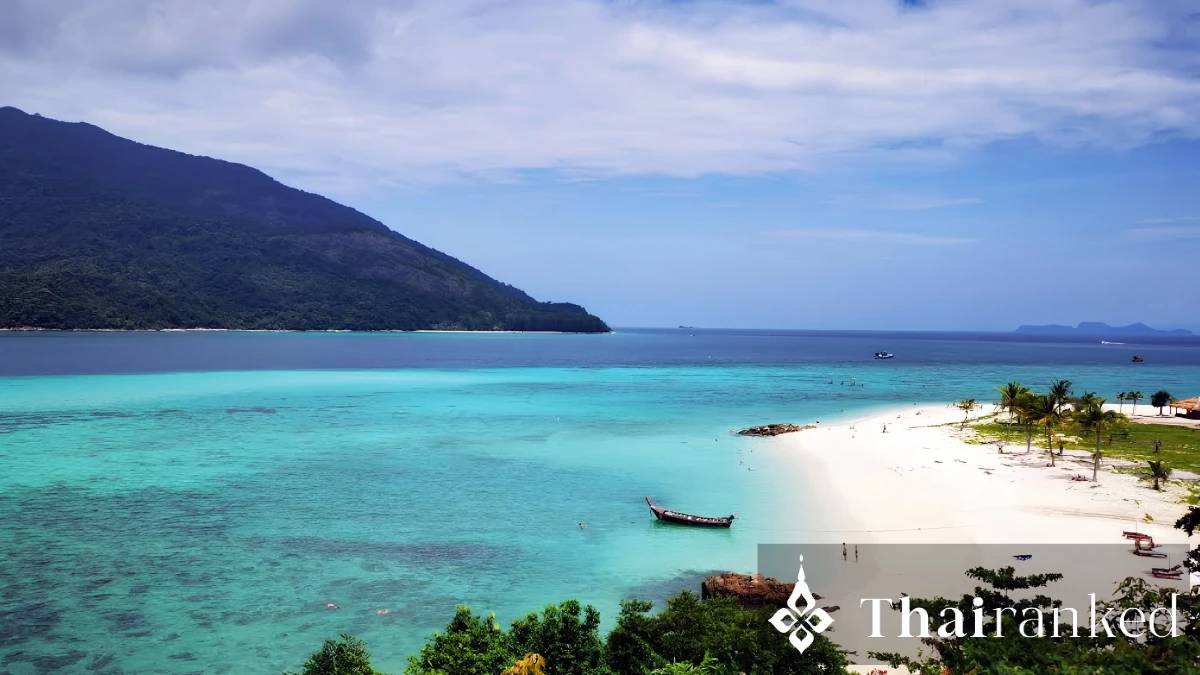
Satun sits at the far southwest corner of Thailand, anchored by Tarutao National Marine Park and the Adang–Rawi archipelago. The province has very low population density, little industry, and vast protected waters, all of which help keep PM2.5 down during February and March. Consistent Andaman breezes sweep across the islands, clearing out localized boat or pier emissions quickly. Base on Koh Lipe’s Sunrise Beach or head farther afield to Koh Adang for even quieter skies and darker, starry nights. If you transit via Pak Bara Pier, expect short-lived whiffs of engine fumes, then noticeably clearer air once offshore. Snorkeling and longtail trips double as the best “clean-air” activities, since you’re literally surrounded by breeze. Occasional regional haze can occur, but it’s typically brief in late high season.
Essential Information
Andaman Coast, Southern Thailand
2. Trang Province (Koh Kradan, Koh Muk, Koh Libong)
Breezy seagrass isles with few emission sources
Highlight
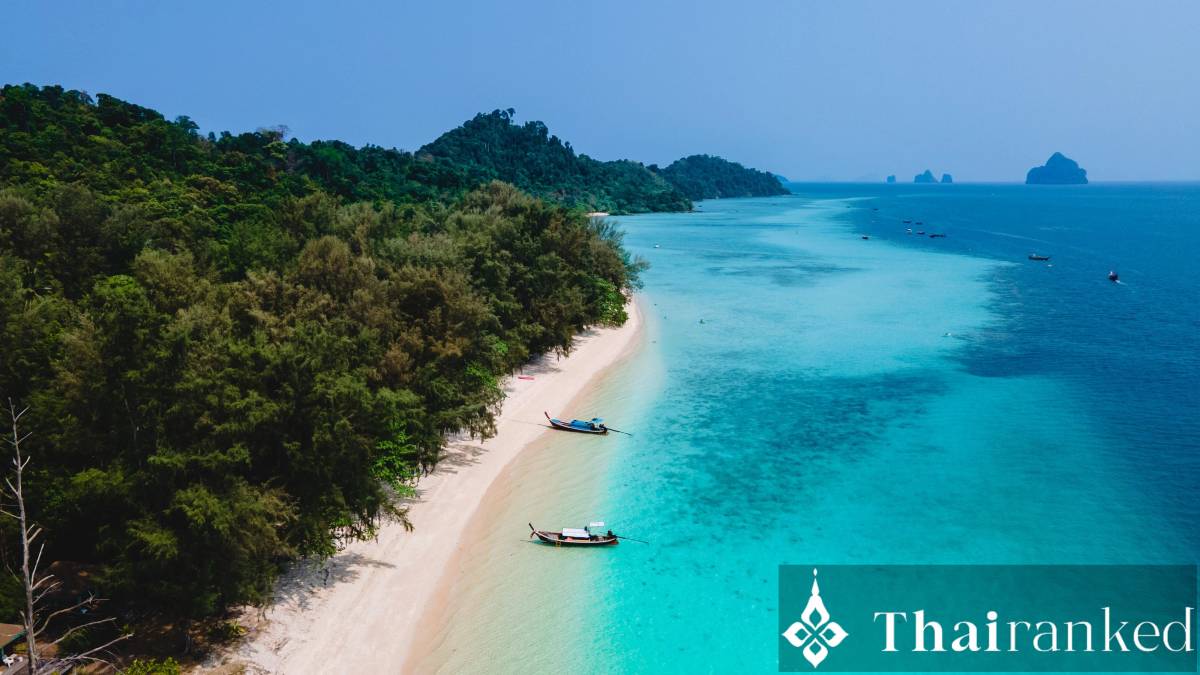
Trang’s small, laid-back islands lie off a quiet mainland coast with minimal heavy industry and limited traffic, a winning combo for cleaner air in Feb–Mar. Koh Kradan’s open exposure to the Andaman and Koh Muk’s wide bays invite constant airflow, while seagrass meadows around Koh Libong add to the pristine feel. Expect some diesel smells around Trang Pier or Pak Meng on transfer days, but once you’re on-island, PM2.5 typically remains low thanks to steady sea winds. Mornings tend to be the crispest for kayaking and snorkeling, and evenings are great for beach walks under clear skies. For the cleanest experience, choose beachfront stays away from busy village centers. If you plan a mainland stop, head to Hat Chao Mai National Park for coastal trails where the breeze funnels inland.
Essential Information
Andaman Coast, Southern Thailand
3. Phang Nga Province (Koh Yao, Similan & Surin)
Protected islands and wide, windswept bays
Highlight
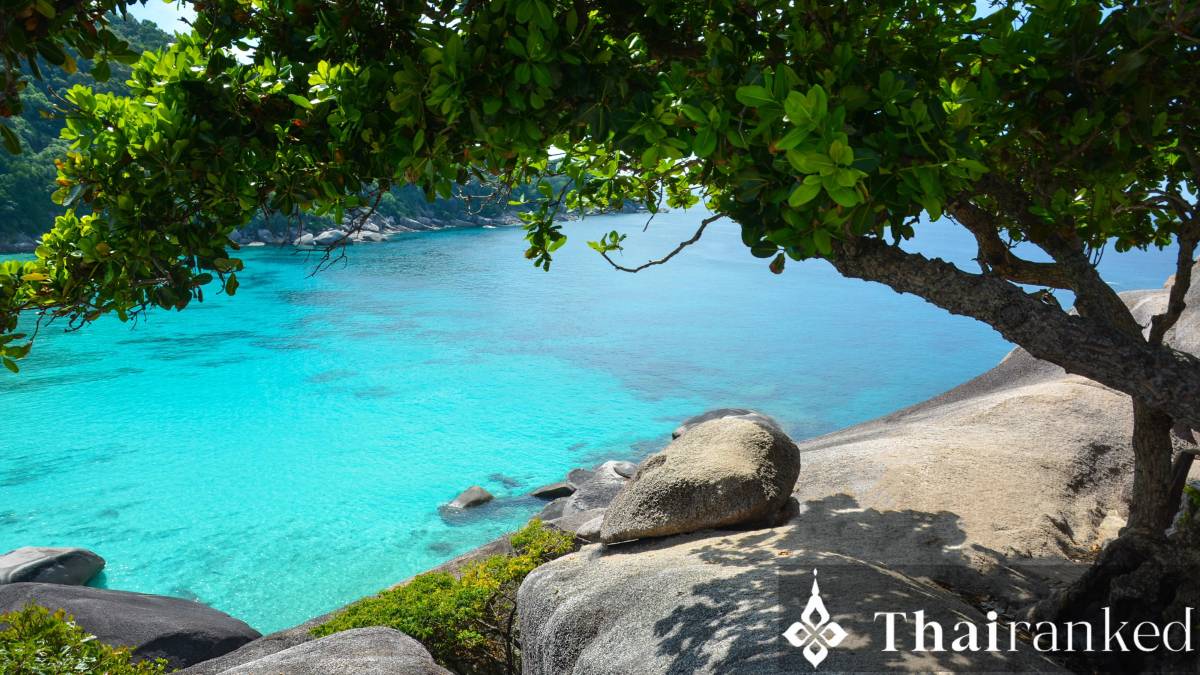
Phang Nga’s broad bays and scattered islands create natural wind corridors that keep particulate levels in check. The sparsely developed Koh Yao Yai and Koh Yao Noi sit in the lee of open water, benefiting from constant sea ventilation in February and March. Farther offshore, Similan and Surin National Parks are among Thailand’s clearest-sky playgrounds during the late high season, with tropical fish visibility that often mirrors the air clarity above. Expect the usual brief emissions near piers or in Phang Nga Town, but head out a few kilometers and you quickly feel the difference. When planning, note that Similan and Surin typically operate an open season that includes Feb–Mar, making this the sweet spot for both air and ocean conditions. Choose elevated hillside bungalows or beach-facing rooms to maximize breeze.
Essential Information
Andaman Coast, Southern Thailand
See also




4. Surat Thani Province (Koh Samui, Koh Phangan, Koh Tao)
Gulf islands with steady sea-breeze dispersion
Highlight
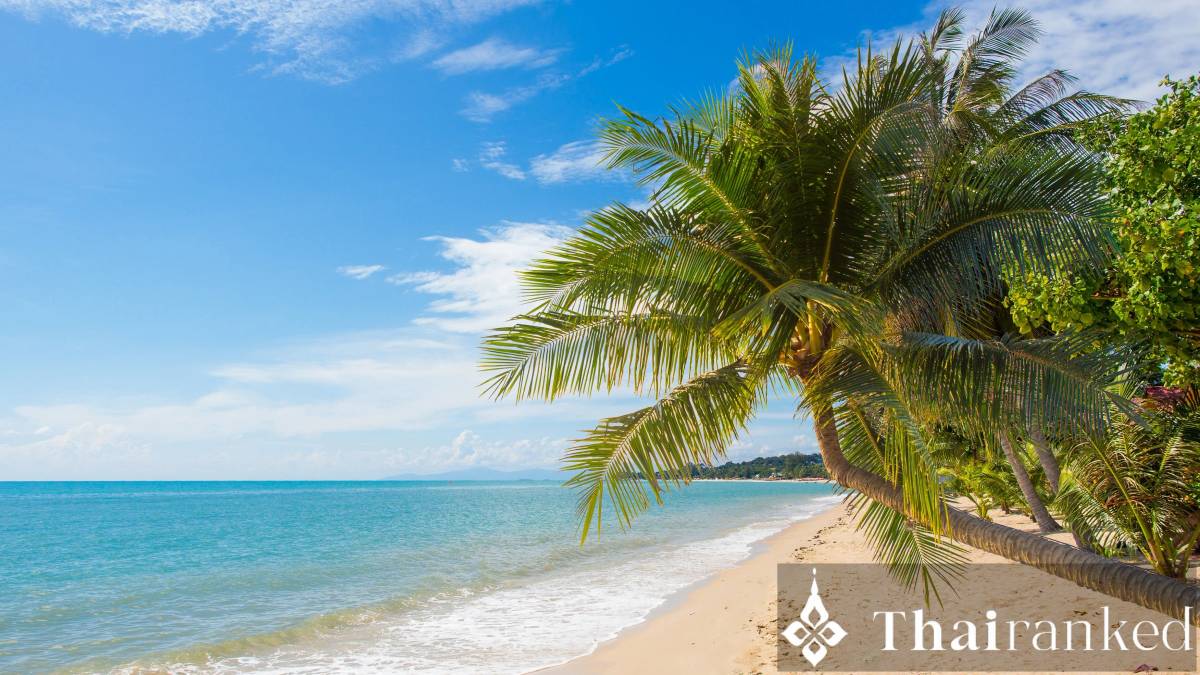
On the Gulf side, Surat Thani’s islands shine in Feb–Mar as the northeast monsoon eases, leaving drier days and reliable easterly trade winds. Samui’s ring roads can be busy, but coastal resorts catch robust sea airflow that disperses PM2.5 efficiently. Koh Phangan is even airier once you’re away from Thong Sala and the main pier, and Koh Tao’s compact size and cliffy shores invite constant breezes. Pick accommodations fronting the ocean or perched on breezy hillsides for the cleanest feel. If you’re diving, this period often pairs mellow surface conditions with good visibility, and boat days keep you in moving air. As with any island group, momentary diesel smell appears around ferries and ports, but it fades fast once you’re back in the wind. Compared with northern Thailand this time of year, the difference is night and day.
Essential Information
Gulf of Thailand, Southern Thailand
5. Ranong Province (Koh Phayam, Koh Chang – Ranong)
Mangrove coast with rain-washed, breezy air
Highlight
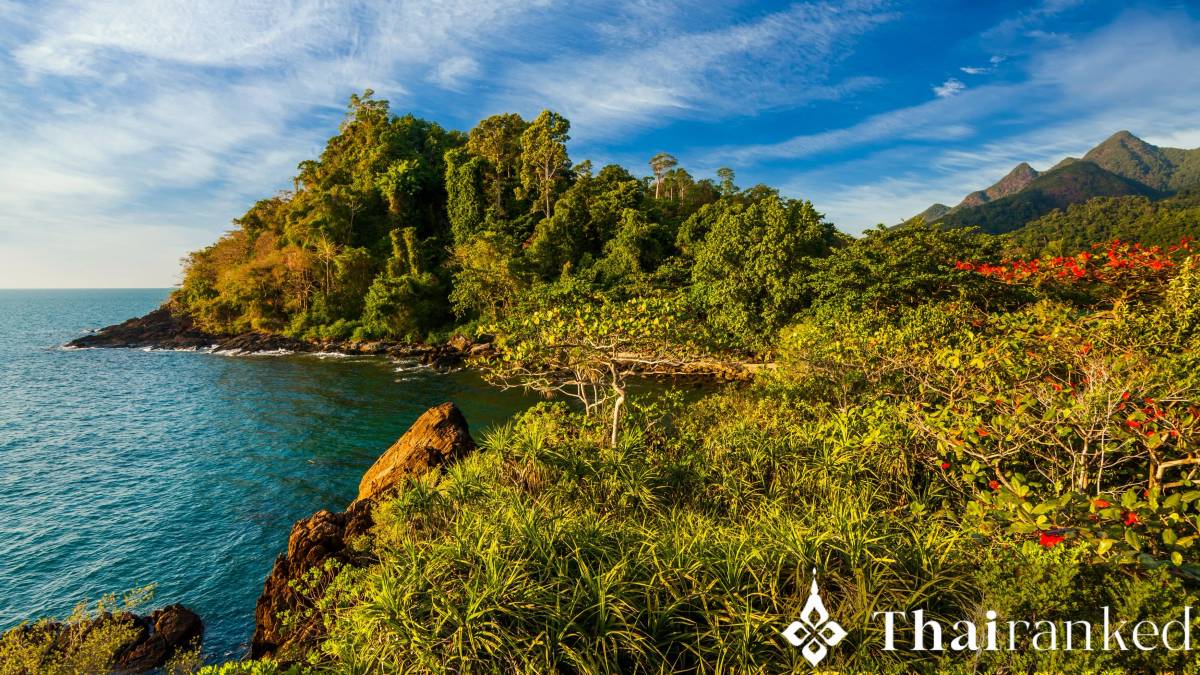
Ranong is one of Thailand’s greenest, least populated coastal provinces, with sprawling mangroves and forested hills that meet the sea. In Feb–Mar, the province benefits from regular cloud build-up and occasional showers that help reset air quality, plus steady onshore winds that flush particulates. Koh Phayam and the lesser-known Koh Chang (Ranong) remain wonderfully low on vehicles, which keeps local emissions minimal. Even around Ranong Town, the combination of sea breeze and surrounding greenery often keeps PM2.5 readings lower than busier Andaman hubs. Choose beachfront bungalows on Ao Yai or hilltop stays to capture the afternoon winds. If you’re sensitive, use sunglasses and a light mask when passing fish markets or piers, where short-lived odors are normal. Overall, Ranong offers a rare blend of rustic charm, quiet beaches, and reliably clean late-season air.
Essential Information
Andaman Coast, Southern Thailand
Missing a business you'd recommend?
Tell us who belongs on this list and our editors will review it.
Clean-air planning for your Feb–Mar escape
If you want the best odds of clear blue skies and low PM2.5, the southern islands are your friend. Satun and Trang are wonderfully remote, Phang Nga brings vast protected waters, Surat Thani’s Gulf islands enjoy steady breezes, and Ranong’s mangroves and frequent showers help reset the air. Conditions can fluctuate, so check AQI before long transfers, pick ocean-facing rooms, and avoid accommodation right by busy piers or main roads. A light mask is handy for ferry days or when passing through town centers.
For itinerary inspiration that pairs perfectly with clean-air season, see our picks for the best beaches in Thailand in February or add some hiking and wildlife time with the best national parks to visit in February. With a little planning, you can spend late high season snorkeling over coral, stargazing on quiet sands, and, most importantly, breathing easy.
by Thairanked Guide
Thairanked helps you discover great places in Thailand!
What people ask about
"The 5 Cleanest Air Destinations in Thailand (Feb–Mar)"
Here you will find answers to the most popular questions about Thailand.
 Chat with us