WWII History in Kanchanaburi: A Respectful Self-Guided Day Itinerary
January 05, 2026 05:44 PM
Last edited: July 15, 2026


by Thairanked Guide
Thairanked helps you discover great places in Thailand!
Search Hotels & Flights



WWII History in Kanchanaburi: A Respectful Self-Guided Day Itinerary
Kanchanaburi, a scenic town nestled along the River Kwai, has a past that echoes far beyond its serene landscape. During WWII, it was the site of the infamous Death Railway – a chapter of history marked by hardship, sacrifice, and ultimately, resilience. Visiting Kanchanaburi provides a meaningful opportunity to connect with this history in a reflective, respectful way. Whether you’re a traveler, an expat, or a local resident, this self-guided day itinerary will help you explore Kanchanaburi’s central WWII sites with care, context, and comfort.
Quick Overview: Key WWII Sites in Kanchanaburi
- Bridge on the River Kwai – The iconic symbol of the Death Railway and local history.
- Kanchanaburi War Cemetery – A serene resting place for prisoners of war (POWs) who died during construction.
- JEATH War Museum – Insightful exhibits on the Thai-Burma Railway, including rare photos and artifacts.
- Hellfire Pass Memorial – The moving site of one of the railway’s most grueling sections, with a powerful visitor center.
Let’s explore these sites in the most heartfelt, convenient way, with tips for transport, etiquette, and crowd avoidance throughout your day.
Your Self-Guided Itinerary: Step by Step
Getting There: Bangkok to Kanchanaburi
The journey begins early. From Bangkok, Kanchanaburi town is about 2-3 hours by van, bus, or train. For comfort and flexibility:
- By Train: The local train from Thonburi Station offers a slow but scenic trip, arriving right at the famous Bridge. There are two departures daily, usually around 7:50 and 13:55.
- By Minivan/Bus: Air-conditioned minivans run frequently from Bangkok’s Southern Bus Terminal (Sai Tai Mai), taking roughly 2–2.5 hours and dropping you in central Kanchanaburi.
- Private taxis or self-drive are great if you want full flexibility, especially for visiting Hellfire Pass later in the day.
1. Bridge on the River Kwai (Morning, 8:00-9:00 AM)
Start early to enjoy the Bridge on the River Kwai before the crowds arrive. While the bridge itself has been re-built since WWII, it remains a potent symbol, connecting past and present. You can walk across, take in the river views, and pause to reflect on the thousands of forced laborers and POWs who suffered here.
- Etiquette tips: Speak in quiet tones, avoid climbing on the rails, and be mindful of those commemorating loved ones.
- Photography is welcome, but take a moment to read the plaques and memorial signs for context.
If you're interested in scenic shots, the early morning sunlight makes for beautiful photos, and you'll encounter fewer tour buses.
2. JEATH War Museum (9:00–10:30 AM)
Just a few minutes’ walk from the bridge, the JEATH War Museum gives personal insight into life during the railway construction. The acronym stands for Japan, England, Australia, America, Thailand, Holland – the nations of the POWs and laborers affected.
- The museum includes reconstructions of bamboo huts and displays of wartime photographs, tools, and survivor testimonials.
- Spend 45–60 minutes; go at your own pace, but be mindful that some images and stories can be intense and emotional.
Tip: The museum opens at 8:30 AM, and visiting early is the best way to absorb the exhibits with less commotion.
3. Kanchanaburi War Cemetery (10:45–11:30 AM)
A short walk or tuk-tuk ride brings you to the Kanchanaburi War Cemetery, the resting place of nearly 7,000 Commonwealth and Dutch POWs. The beautifully kept grounds encourage quiet reflection and serve as a poignant reminder of the railway’s cost.
- Visitor etiquette: Dress modestly, keep noise low, and show respect to others, especially relatives of those buried here.
- Walking the rows is profoundly moving; take time to read a few headstones to understand the human stories behind the numbers.
Lunch Break & Nearby Eats (11:30 AM – 12:30 PM)
The neighborhoods near the bridge and museum have several casual Thai restaurants and riverside cafés. Try a local spot for pad thai, som tam, or a hearty noodle soup. Not sure where to eat? Check out our guide: Top Places for Traditional Thai Food in Bangkok, as similar dishes can be found in Kanchanaburi’s old town.
4. Travel to Hellfire Pass (12:30–1:30 PM)
Hellfire Pass Memorial Museum is about 80 km northwest of town (allow about 1–1.5 hours by car). Options include:
- Songthaew (shared pickup truck, arranged through your guesthouse)
- Private taxi (best for flexibility)
- Rent a motorbike (for experienced riders)
- Bus to Tham Krasae, then onward connections (less convenient)
Arriving early afternoon helps you avoid most group tours and ensures you have enough daylight for the walking trail.
5. Hellfire Pass Memorial & Walking Trail (1:30-3:30 PM)
Dedicated to those who labored and perished creating the pass, Hellfire Pass is the most emotional part of the day. Begin at the excellent visitor center, where you’ll find audio guides, detailed exhibits, and personal stories that bring the site’s history to life.
- Walk down into the cut itself – a haunting, beautiful place where workers toiled by lanternlight, often with little more than hand tools.
- Allow at least 1–1.5 hours so you can walk the main trail and experience the memorial’s somber atmosphere.
- Take water, use sunscreen, and wear suitable shoes; the area can be hot and the paths uneven.
- Respect the silence: The site is still a place of remembrance and pilgrimage for survivors’ families.
Returning to Kanchanaburi (Afternoon/Evening)
If you took a taxi or hired vehicle, arrange a return trip. If coming back by public transport, take care to check return times in advance, as options can be limited late in the day. In the evening, you can enjoy the local Night Market or relax by the river before heading back to Bangkok or staying overnight.
Site Etiquette: Traveling Respectfully
- Dress appropriately: Shoulders and knees covered, especially for cemetery visits.
- Quiet reflection: Many visiting are paying respects – keep noise to a minimum.
- Respect boundaries: Follow posted guidelines, and avoid touching artifacts, grave markers, or climbing on structures.
- Photography: Be discreet, especially in cemeteries or at sensitive exhibits.
Tips to Beat the Crowds
- Begin at the Bridge on the River Kwai as early as possible, before most tour buses arrive.
- Visit the JEATH Museum and War Cemetery in the morning, when visitor numbers are lowest.
- Schedule Hellfire Pass during early afternoon, avoiding peak hours for group tours (usually 11:00 AM – 1:00 PM).
- If you stay overnight, sites are much quieter on weekday mornings.
Other Kanchanaburi Experiences
With extra time, don’t miss the region’s nature and cultural sights! Check our guide to the best zoos in Thailand and explore more in the area. If you’re after more adventure, see our outdoor adventure sports near Bangkok. Travel planning for onward trips in Thailand? Here’s how to see the country efficiently and cheaply.
Key takeaways
- Kanchanaburi offers profound WWII history – visit key sites for a meaningful experience.
- Start early and plan transport for a smooth, respectful self-guided tour.
- Observe etiquette and sensitivity, especially in cemeteries and memorials.
- Beat the crowds: prioritize mornings and avoid big tour group time slots.
- The region is also full of natural beauty and local culture, so leave time for wider exploration.
Search Hotels & Flights
Related Insights
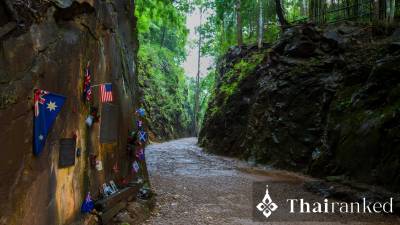
Explore Hellfire Pass in Kanchanaburi, Thailand. It's WWII history, moving memorials, and the powerful railway walk that honors POWs' sacrifices.

Discover the story behind the 12 giant Yaksha statues at Suvarnabhumi Airport. Learn about their Ramakien roots, Ravana, and Thai mythology.
Explore the romantic legend behind Koh Samui’s Hin Ta Hin Yai rocks, rooted in Lanna tradition and Thai folklore. Discover their meaning and traveler tips.

Discover the history of Wan Dek, Thailand's National Children's Day. Learn why it is celebrated on the second Saturday of January.
Discover the story of Thailand’s "First Capital," from its rebellion against the Khmer Empire to the invention of the Thai alphabet and the golden age of King Ramkhamhaeng.
 Chat with us