How to Treat "Pung" (Heat Rash) in Thailand
March 25, 2026 08:22 AM
Last edited: March 25, 2026

by Thairanked Guide
Thairanked helps you discover great places in Thailand!
Search Hotels & Flights



What is “Pung”? Understanding Heat Rash in Thailand
Thailand’s tropical climate brings blue skies, spicy food, and sun-soaked fun. It also brings a common annoyance for newcomers: heat rash, known locally as “pung” (ผื่น). If you’ve ever noticed red, itchy bumps or prickling irritation after a day outdoors, you’re not alone. Heat rash thrives in hot, sticky weather, especially when sweat gets trapped under clothing. Short visits or longer stays in Thailand often involve battling this skin irritation, especially if you’ve arrived from a cooler climate.
Heat Rash Symptoms: What to Watch For
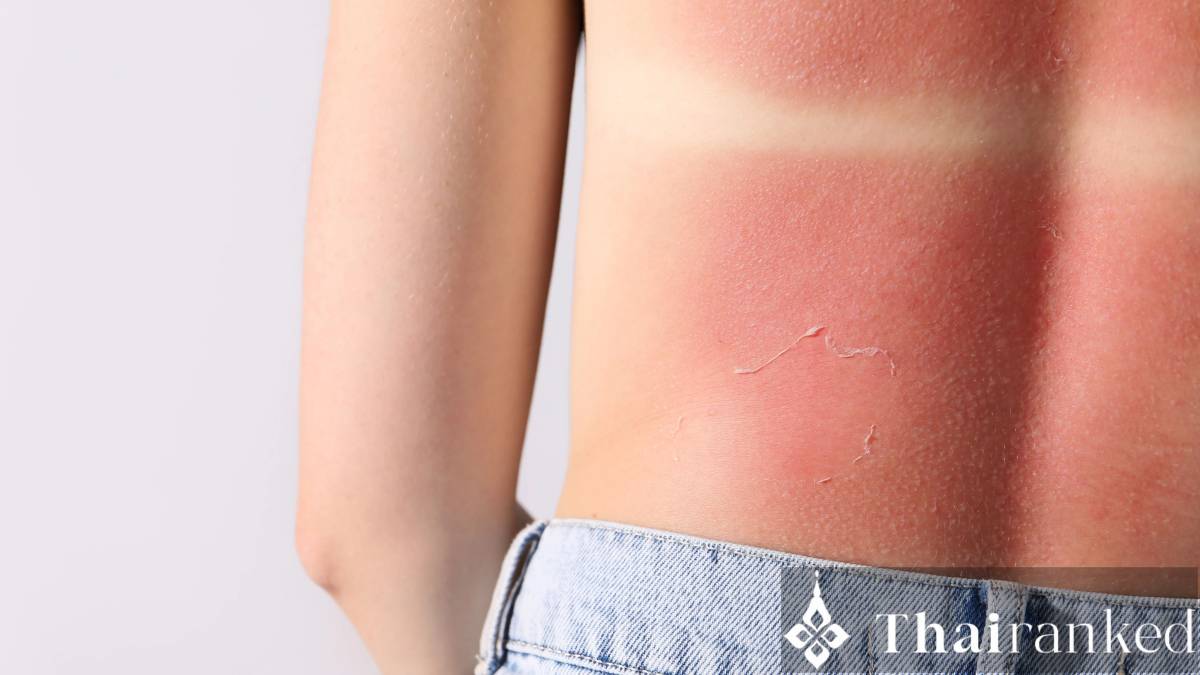
Heat rash appears when sweat ducts clog, causing inflammation. The rash often looks like:
- Clusters of tiny red or pink bumps
- Itchy or prickling sensation
- Areas of skin that feel hot, slightly swollen, or tender
- Patches hidden by clothing, armpits, back, groin, neck, under the breasts, or inner thighs
In Thailand’s heat, even brief periods of walking outside can trigger these symptoms, especially if you’re active or wearing tight or non-breathable clothes. Children and adults alike experience “pung,” but travelers adjusting to humidity find it hits hardest in the first weeks after arrival.
Why Does Heat Rash Happen?
When sweat can’t evaporate, it pools under the skin. Thick creams, sunscreen, heavy backpacks, or non-cotton shirts increase risk. Humidity in Bangkok and the southern provinces supercharges the problem. Combine that with sightseeing, crowded transport, or festival crowds, and it’s easy to wake up with an irritated patch of rash that won’t quit.
First Steps: Immediate Home Remedies
You can treat most “pung” (heat rash) at home with simple steps. As soon as you feel the itch or notice red spots, try this routine:
- Rest somewhere cool, ideally with a fan or air-con
- Take a cool (not cold) shower to rinse away sweat and bacteria
- Pat skin dry, don’t rub, as this can worsen irritation
- Wear loose, breathable clothes (cotton or linen work best)
- Avoid using oils, thick creams, or sticky sunscreen on the affected area until it heals
If you keep your skin dry and cool for 1-2 days, most heat rash will fade. For stubborn patches, Thai pharmacies stock effective creams and powders that speed up healing.
Buying Medication or Cream at a Thai Pharmacy
Thai pharmacies (ร้านขายยา, raan kai ya) are everywhere, from city blocks to small towns. Pharmacists are familiar with heat rash and happy to recommend over-the-counter solutions. You can walk in and use these phrases, or show a photo of your rash:
- "ผื่นร้อน" (pèen rón) – heat rash
- "ขอครีมทาผื่นร้อน" (kɔ̌ɔ khreem thaa pèen rón) – I’d like cream for heat rash
Common treatments include:
- Calamine lotion – Cools the skin and soothes itching
- Menthol or prickly heat powder (แป้งเย็น, bpâeng yen) – Used after showering to keep skin dry
- Hydrocortisone cream – For severe or persistent rash, but use sparingly and only on small areas
Show the rash directly to the pharmacist if you’re unsure. Most speak some English, but a photo or pointing to the affected skin does the job. If you visit a Bangkok pharmacy in tourist-friendly areas, expect even quicker service in English.
Best Local Products: What to Buy
Thais of all ages use local menthol powders like Snake Brand Prickly Heat or St. Luke’s Prickly Heat Powder. Open the jar, shake a tiny amount on your hand, and pat gently onto dry, clean skin. The powder adds a cool sensation and keeps moisture at bay.
For overnight relief, dab calamine lotion on itchy patches or squeeze a pea-sized amount of hydrocortisone cream (1% or less) if recommended by the pharmacist. Don’t use steroid creams for more than a few days, and avoid using them on children without asking the pharmacist first.
When to See a Doctor
Heat rash usually fades fast, but get medical help if you see:
- Blisters, pus, or yellow crust (signals infection)
- Spreading redness or pain
- Fever or chills
- No improvement after one week
Thailand offers affordable clinics and hospitals with English-speaking staff. Use apps or search for “international clinic” if you want a doctor who’s used to treating foreigners.
How to Prevent Heat Rash in Thailand
Heat rash doesn’t have to ruin your trip. You can prevent “pung” with some simple habits:
- Wear loose, breathable fabrics (cotton, bamboo, linen)
- Take midday breaks indoors when possible
- Shower after exercise, swimming, or being out in the sun
- Use light talc or menthol-based powders before heading out
- Travel light; avoid heavy backpacks in hot weather
If you’re planning days packed with sightseeing, check out these practical tips for staying cool in Bangkok or learn what to pack for Songkran water fights. Those guides help even longtime Thai residents beat the heat safely.
Making the Most of Thailand’s Climate
Even with “pung,” Thailand’s sun and warmth offer a vibrant setting for adventure. Treating heat rash means you spend less time scratching and more time exploring temples, markets, and beaches. Use these local steps and pharmacy tips to keep your skin comfortable, so you can focus on the good stuff. For day tours or activities, check this handy Bangkok activities guide and enjoy the city with peace of mind.
Key takeaways
- Heat rash (“pung”) is common for foreigners in Thailand’s climate
- Symptoms include red, itchy bumps and irritation in humid areas
- Cool showers and loose clothing help you recover quickly
- Thai pharmacies offer calamine, menthol powder, and creams
- See a doctor if the rash shows signs of infection or doesn’t heal
- Prevent “pung” by staying dry, cool, and choosing the right clothes
- Check guides for staying cool in Bangkok or preparing for Thailand’s festivals
Search Hotels & Flights
Related Insights

Compare Thai phi and Western ghosts, from beliefs and rituals to traveller etiquette, and see how Buddhism, animism and media shape each culture.
Learn how expats can tackle mold and humidity issues in Thai condos, from prevention and cleaning to local solutions and expert tips for rainy season living.
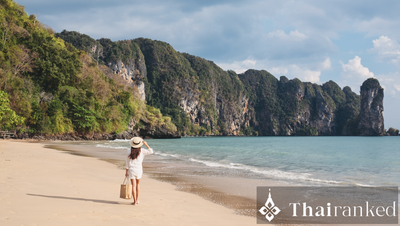
Discover the advantages and challenges of visiting Thailand in May. Includes weather tips, crowd insights, and best activities for this unique month.

Explore the viral “Thank You Thailand” trend, its emotional roots, and how tourists share deep gratitude for Thai culture, food, and welcoming spirit.

All five Buddhist dry days of 2026 are over, so the next nationwide no alcohol days are Sunday 21 February 2027 (Makha Bucha), Thursday 20 May (Visakha Bucha), Sunday 18 and Monday 19 July (Asanha Bucha and Khao Phansa) and, provisionally, Friday 15 October (Ok Phansa). On normal days shops can…
What people ask about
"How to Treat "Pung" (Heat Rash) in Thailand"
Here you will find answers to the most popular questions about Thailand.