Sound Bath Therapy: Thailand’s Fastest-Growing Wellness Trend
March 24, 2026 08:31 AM
Last edited: March 24, 2026

by Thairanked Guide
Thairanked helps you discover great places in Thailand!
Search Hotels & Flights
Related Insights




Sound Bath and Singing Bowl Therapies: Thailand’s Zen Wellness Trend
Yoga culture in Thailand has moved beyond classic asanas and scented candles. Bangkok, Chiang Mai, and even the islands now host a new breed of wellness seekers lying on mats in candlelit rooms, eyes closed, letting vibrations from Tibetan singing bowls carry stress away. Sound bath and singing bowl therapies have entered the mainstream wellness scene, with studios filling up and therapists across Thailand reporting loyal followings.
What Is Sound Healing?
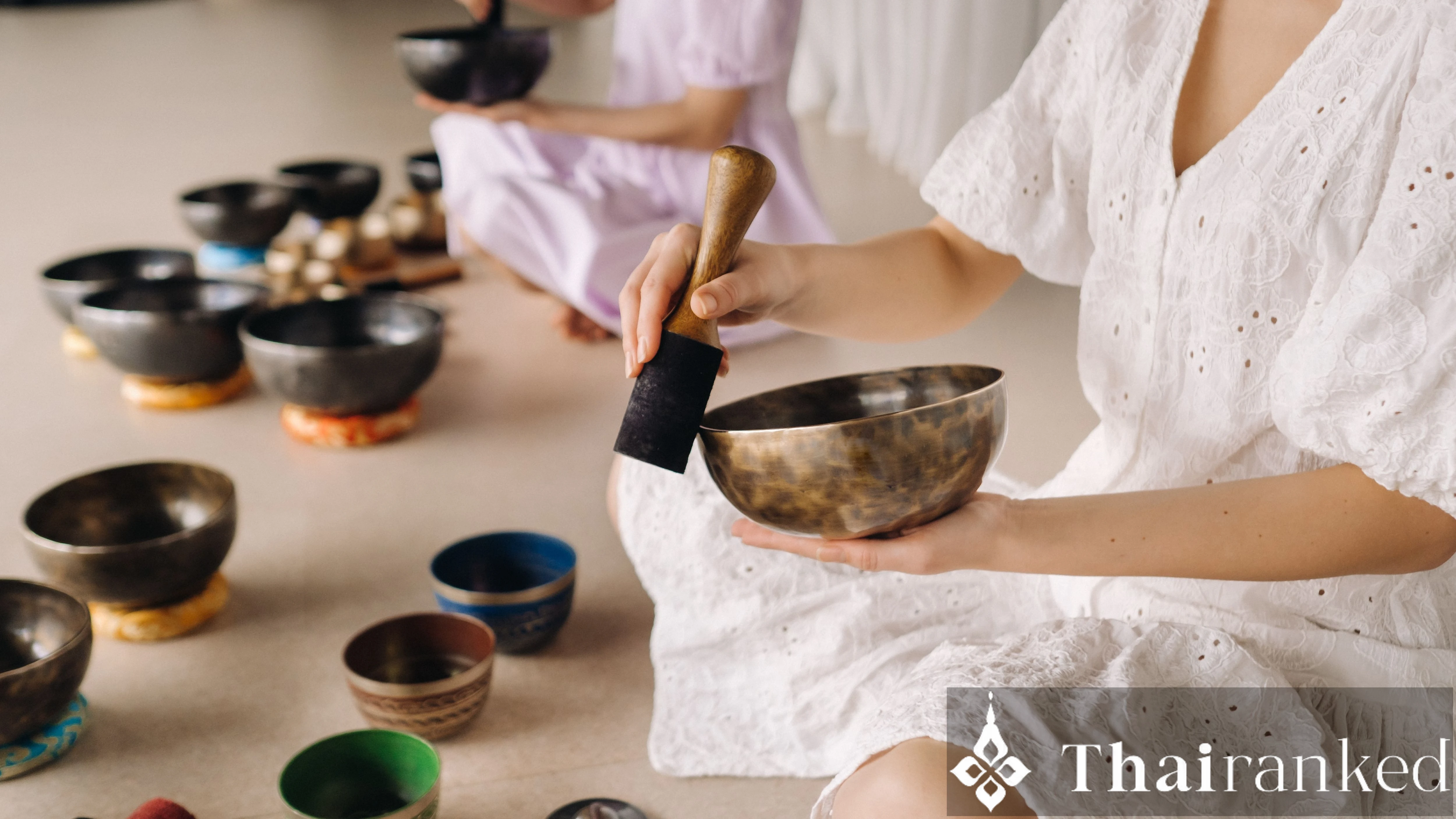
Sound healing uses specific tones, rhythms, and vibrations to create a deep sense of relaxation. The therapy taps into the body’s natural ability to heal by using ancient instruments. In Thailand, the most popular tools are Tibetan singing bowls, gongs, tuning forks, and even chimes. During a typical sound bath, the therapist will strike and rub the bowls, sending vibrations through the air and floor. Participants often report feelings of serenity, clarity, and sometimes emotional release.
How Sound Bath and Singing Bowl Therapies Work
Therapists combine sound and vibration to help people access meditative states. Each bowl or gong produces a unique frequency. When you listen to these overlapping tones, your brain waves shift from the busy beta state to the calm of alpha or theta. Stress hormone levels drop, breath slows, and the body moves into a mode where it can reset and restore.
Sessions may run for 30 to 90 minutes. Mats and cushions fill softly lit studios. Some practitioners place bowls directly on the body for tactile resonance. Guided meditation or gentle yoga may precede the sound bath, helping participants to relax further. Afterwards, most people describe a sense of spaciousness and deep calm.
Why Sound Healing Is Booming in Thai Wellness
Thailand has a long tradition of healing arts. Thai massage, herbal medicine, and meditation shape the country’s wellness culture. What draws locals and visitors to sound bath sessions?
- Stress Relief: Bangkok’s energy takes a toll. Sound baths deliver instant decompression with no sweat or strain.
- No Language Barrier: Sound is universal. Whether you speak Thai, English, or another language, singing bowl therapy crosses borders.
- Spiritual Roots: Thai Buddhist temples feature bells, gongs, and chanting. Sound therapy feels familiar and sacred to many Thais.
- Combines with Yoga: Studios add sound healing to weekly yoga schedules for a complete mind-body reboot.
Tourists and digital nomads flock to sound sessions for jetlag, sleep troubles, and the simple pleasure of tuning out city life. Retreat centers across Chiang Mai and the islands have adopted the practice alongside Thai massage and breathwork.
Where to Try Sound Bath Therapy in Thailand
Thailand’s sound healing scene thrives in two main settings: urban studios and tranquil retreat centers. Here’s where you can hear the bowls sing:
Bangkok Studios
- YogaSutra Studio (Sukhumvit): Offers weekly sound baths and occasional full-moon gong meditations.
- Trika Yog (Sathorn): Blends yoga, breathwork, and sound therapy in city-view spaces.
- GetYourGuide activities in Bangkok: For drop-in wellness classes and sound therapy tours.
Chiang Mai
- Sukham Yoga: Famous for immersive singing bowl meditations in quiet gardens near the Old City.
- Mindful Living Retreats: Run multi-day programs with sound therapy, Thai massage, and forest walks.
Wellness Retreats on the Islands
- Samahita Retreat (Koh Samui): Integrates sound healing into its yoga and detox retreats.
- Orion Healing Centre (Koh Phangan): Hosts group sound baths and private sessions year-round.
What to Expect in a Typical Thai Sound Bath
Arrive early and dress for comfort—loose clothing, bare feet, and bring a water bottle. Studios keep the lighting soft and restful. The therapist sets up singing bowls of various sizes in a half circle. Sometimes they add gentle chimes or a large gong. You’ll lie back on a mat. The session may begin with simple breathwork or a guided body scan to help you unwind.
Once the bowls begin to resonate, the overlapping tones build a textured soundscape. Vibrations pass through your body. Some people doze off, while others follow the shifting tones in a meditative state. Time seems to dissolve. At the end, the therapist brings you back with soft bells. You'll sit up, drink tea, and may share reflections.
Is Sound Healing Backed by Science?
Current research supports the benefits of sound therapy for stress reduction. Studies show that sessions with singing bowls can lower blood pressure, slow breathing, and improve sleep. Some therapists in Thailand collaborate with wellness doctors to offer integrative programs. While sound healing isn’t a cure-all, it’s seen as a powerful tool in the modern Thai wellness toolkit.
Combining Sound Healing with Classic Thai Wellness
Sound baths fit well into the broader Thai wellness experience. Popular spas often offer sound therapy alongside ethical elephant sanctuary visits or organic spa packages. In Chiang Mai, you can book sessions after a busy day exploring temples or local food. Many yoga retreats now include sound healing evenings and encourage guests to combine it with gentle Thai massage.
During winter, when festivals and cool-season wellness tourism peak, some studios offer special sound bath events tied to lunar calendars or Buddhist holidays. For urbanites, weekly group sessions serve as “digital detox” sanctuaries amid the city rush.
Sound Therapy and Thai Spirituality
Thai culture values rituals, mindfulness, and community connection. The sounds of bells, drums, and chants in Buddhist ceremonies blend seamlessly with modern sound healing. Many Thais see singing bowl therapy as an extension of familiar temple sounds. For expats and visitors, the practice offers a gentle entry into Thai spiritual rhythms, with no need to memorize chants or learn complicated rituals.
How to Find the Best Sessions for You
- Research local yoga and meditation studios in your area. Many update schedules on Facebook and Instagram.
- Check Get Your Guide’s Bangkok page for trending wellness activities and tours.
- Ask your wellness hotel about in-house or partner sound therapists. Many luxury Bangkok hotels have wellness programs for guests.
- Join a wellness retreat up north in Chiang Mai, or on islands like Samui and Phangan, for a deep sound healing immersion.
Beyond the Bowls: How Sound Healing Shapes Thailand’s Wellness Future
Sound therapy has found an enthusiastic audience among Thais and expats. Studios innovate with new instruments, adding crystal bowls or rainsticks to sessions. Some therapists host community gatherings under the full moon. Others weave the therapy into yoga, bodywork, and mindfulness for a holistic approach.
Many sound healing practitioners champion ethical wellness, discouraging “spiritual tourism” and rooting their work in service, respect, and community care. For travelers, these sessions offer both a pause to recharge and a window into contemporary Thai wellness culture.
Explore more on Thai wellness trends by checking out our guides to ethical elephant sanctuaries, volunteering in Thailand, and must-visit destinations for a retreat. If you prefer urban wellness escapes, see our list of the top 10 hotels in Bangkok.
Key takeaways
- Sound bath and singing bowl therapies are a leading wellness trend in Thailand.
- Sessions promote deep relaxation and resonance with Thai spiritual traditions.
- Studios and retreat centers across Bangkok, Chiang Mai, and the islands offer sessions for locals and travelers.
- Sound therapy can be paired with yoga, massage, and mindfulness for a holistic experience.
- The practice aligns with both scientific research and Thailand's cultural identity.
by Thairanked Guide
Thairanked helps you discover great places in Thailand!
Search Hotels & Flights
Related Insights
Compare taxi, Red Line train, and A1/A2 airport bus from Don Mueang Airport to Sukhumvit. Includes price, time, and convenience to help you choose the best route.
Learn how to buy a Rabbit Card in Bangkok and link it to your mobile banking app for easy top-ups. Skip BTS ticket queues and ride stress-free.
A foreigner's inside guide to the most luxurious VIP cinemas in Bangkok. Are $30 tickets, reclining beds, and unlimited snacks worth the price? Full ranking and review.
Gasohol 95 stable at ฿35.05 while Diesel B7 maintains ฿32.94. Explore the best options and tips for consumers.
Avoid Songkran travel chaos! Tips for safely using BTS, MRT, and tuk-tuks in Bangkok. Learn water gun rules, wet zone warnings, and escape strategies.