Why Does Thailand Have a Color for Each Day of the Week?
January 13, 2026 07:50 AM
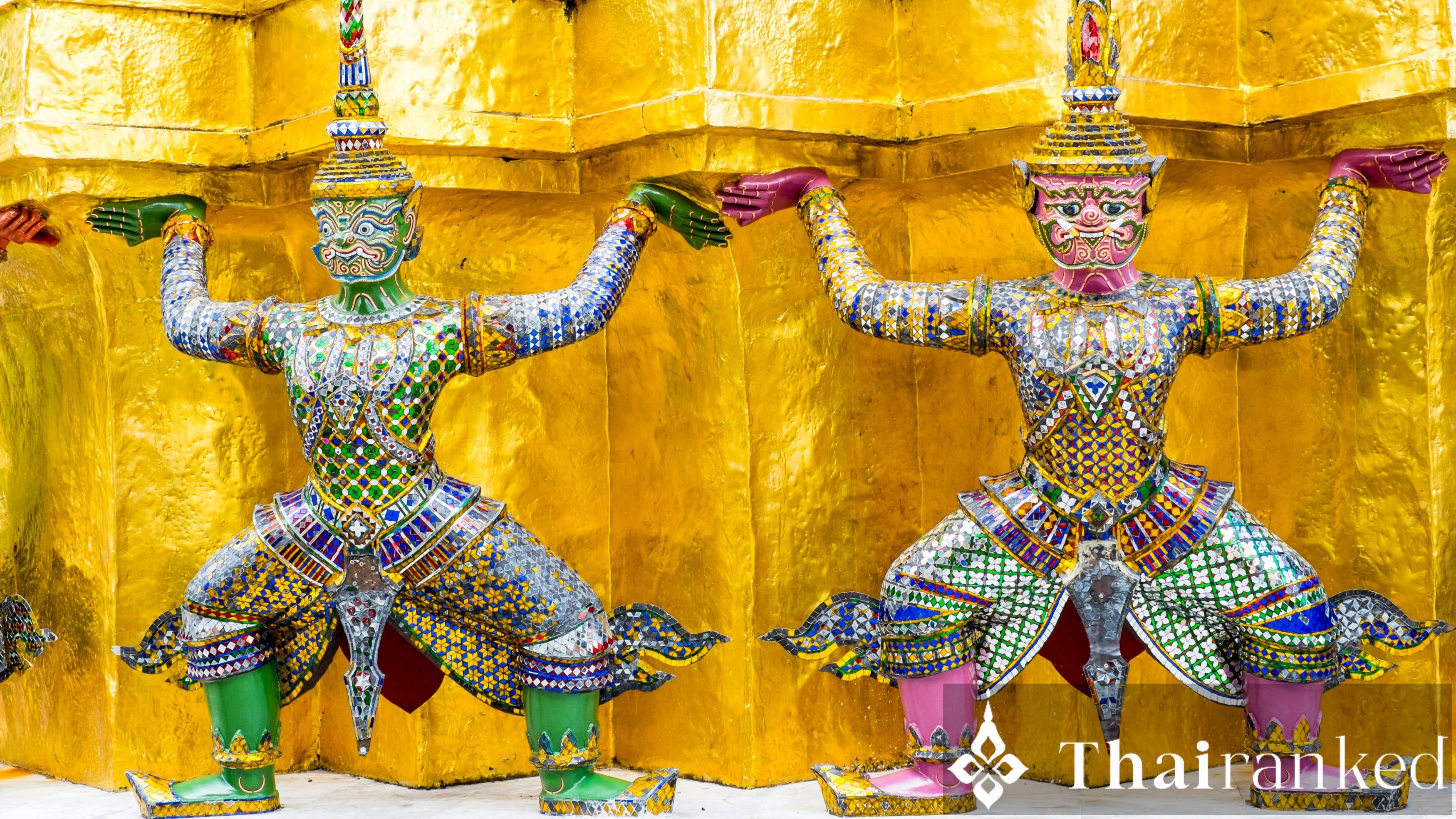

by Thairanked Guide
Thairanked helps you discover great places in Thailand!
Search Hotels & Flights
The Colorful Tradition: Why Does Thailand Have a Color for Each Day of the Week?
Stroll through any Thai city, and you may notice something curious: people don yellow shirts on Mondays, pink on Tuesdays, or even set out flowers matched precisely to the day’s color at a local shrine. This distinctive daily color code is uniquely Thai, and it’s more than just a style statement. But why does Thailand have a specific color for each day of the week, and where did this tradition come from? Let’s dive into the history, meaning, and contemporary significance of Thailand’s daily color culture.
The Astrological Roots: Hindu Mythology and Ancient Thai Beliefs
The tradition of associating colors with days of the week in Thailand traces back centuries, long before the modern era, rooted deeply in Hindu cosmology and astrology. In ancient India, planets and celestial deities (Navagraha) were not just associated with days, but also with colors, stones, and elements. This system, imported to Thailand through cultural exchanges between Indian and Southeast Asian kingdoms, became incorporated into Thai astrology (called hora).
Each day’s color is linked to the deity or planet traditionally believed to oversee that day. The color aligns with that deity’s aura, and it is thought to bring good fortune or even offer protection if worn or honored on the corresponding day. Over centuries, these beliefs seeped into Thai customs, royal practices, and eventually everyday life, remaining vibrant today.
Thailand’s Colors of the Week – What Are They?
Let’s break down the classic Thai day-color associations, along with their origins:
- Sunday: Red – Associated with Surya (the Sun God). The color red represents vitality, leadership, and power.
- Monday: Yellow – Linked to Chandra (the Moon God). Yellow symbolizes brightness and clarity. It’s also the birthday of the late King Rama IX, so you’ll see yellow worn everywhere on Mondays.
- Tuesday: Pink – Associated with the planet Mars in Thai tradition, derived from interpretations of Hindu astrology. Pink connotes peace and harmony.
- Wednesday: Green – Linked to Budh (Mercury). Green stands for growth and calmness.
- Thursday: Orange – Connected to Brihaspati (Jupiter), linked to wisdom, knowledge, and education.
- Friday: Blue – Associated with Sukra (Venus). Blue reflects love, gentleness, and friendliness.
- Saturday: Purple – Linked to Shani (Saturn), symbolizing stability, strength, and discipline.
Some variations exist, such as Wednesday sometimes being split: light green for daytime, and a darker green or black for the night. Whether in temples, calendars, or even school uniforms, these days, colors subtly shape Thai society.
Royal Influence: Why Do Thais Wear Yellow on Mondays?
If you’re in Thailand on a Monday, you’ll likely notice people wearing yellow shirts. This is more than just following the astrological color code: His Majesty King Bhumibol Adulyadej (Rama IX), Thailand’s most beloved monarch, was born on a Monday, so yellow came to symbolize not just Mondays, but loyalty to the monarch himself. During significant celebratory events or Royal birthdays, Thais often wear yellow as a unifying tribute, honoring both tradition and their beloved King.
Learn more about royal influences in modern Thailand in our article, 7 Remarkable Legacies of Queen Sirikit.
Where Do You See These Colors in Thai Life?
Thailand’s color days aren’t just about fashion. You’ll spot evidence everywhere, including:
- Flower offerings in temples matched to day colors for merit-making.
- Hues in school and government uniforms, often matching the day’s color.
- Buildings, flags, and royal crests decorated in colors significant to particular days or events.
- Astrological advice: Many Thais choose lucky wedding dates, haircut days, or even auspicious travel days based on the color of the day and their personal astrology.
This tradition even shapes contemporary trends. For instance, during important holidays or religious festivals, daily color themes can be reflected in parades, decorations, and even souvenirs. To see traditional festivals at their most vibrant, check out our Guide to the 10 Most Popular Festivals in Thailand.
Personal and Spiritual Meanings
In Thai culture, wearing the color of the day is said to attract positive energy and ward off misfortune. This applies particularly to special occasions or religious observances. Monks may wear differently shaded robes depending on tradition, and families choose clothes for ceremonies based on which color brings luck that day.
While for many locals this practice is now more symbolic than spiritual, it remains a charming and respected aspect of Thai identity. Even for expats or travelers, wearing the appropriate color when visiting a temple, attending a festival, or just exploring town can be an easy way to show cultural respect and participate in daily Thai life.
Modern Influence: How the Color Days Endure in 21st-Century Thailand
You might expect such ancient customs to fade as Thailand modernizes, but in fact, the colors of the week have adapted and flourished. The popularity of color-coded shirts has expanded beyond Monday yellow, with major retailers selling special shirts for every day. Workplaces and schools sometimes encourage staff or students to wear the color of the day to foster unity and brighten routines.
These colors also play a role in significant events, and not just royal occasions. Public holidays, Buddhist observances, or national sports days often see a city awash in color-coordinated crowds. If you want to see Thailand’s daily colorfulness in action, visit during important festivals or join in temple rituals. Planning around these times? Discover when to visit with our Thai Holidays in 2026 guide.
Day Colors Beyond Thailand
Thailand is not alone in this tradition; variations can be found in Myanmar, Cambodia, and Laos as well, thanks to the common thread of Indian cosmological influence running through Southeast Asia. However, Thailand has perhaps embraced and preserved this practice most vibrantly in modern times.
How to Participate: Thailand’s Daily Color Code for Visitors
If you’re visiting or living in Thailand and want to immerse yourself in local customs, here are a few tips:
- Try wearing the color of the day to temples, festivals, or on Royal birthdays; locals will appreciate the gesture.
- Purchase daily color shirts at markets or department stores; these make great practical souvenirs.
- Observe flower and candle offerings in temples, noticing how their colors change with the day.
- Learn more about related customs in other aspects of Thai life, like the meaning of lucky shirt colors in the coming year, detailed in our Daily Lucky Shirt 2026 article.
And if you’re planning to shop or sightsee, why not explore Bangkok’s vibrant side streets? For shopping tips, see our Bangkok shopping guide for everything from gadgets to garb.
Key takeaways
- Thailand’s color days originate from Hindu and Thai astrology, linking days to planets and deities.
- Colors for each day of the week have spiritual, cultural, and royal significance in Thailand.
- Wearing the day’s color is believed to bring good luck and show respect, especially on special occasions.
- These color customs remain alive and influential in modern Thai society, for locals, expats, and travelers alike.
by Thairanked Guide
Thairanked helps you discover great places in Thailand!
Search Hotels & Flights
Related Insights
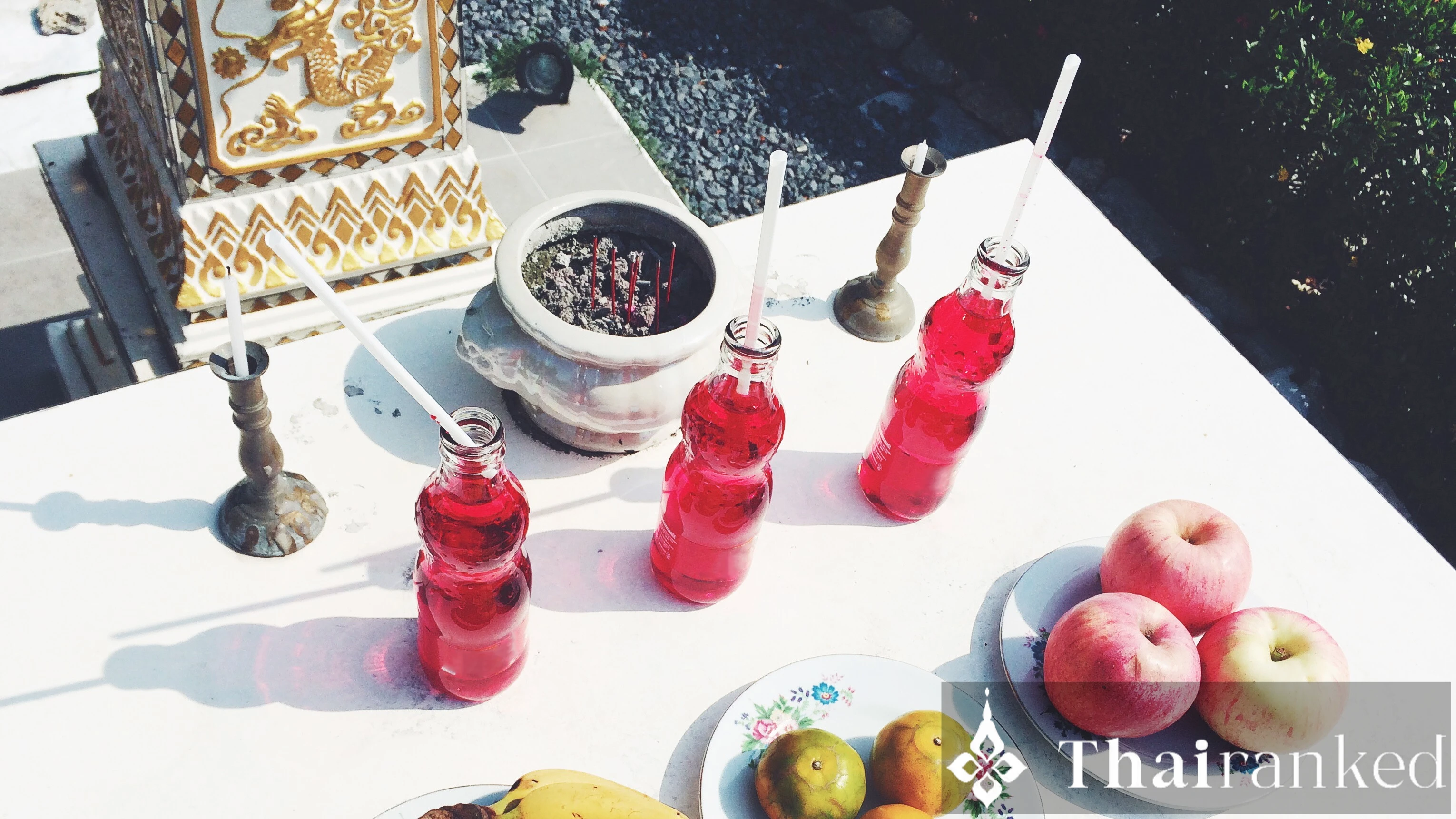
Discover the meaning behind Thailand's Red Fanta offerings at spirit houses. Learn about San Phra Phum, ancestor shrines, and etiquette for expats.
Understand Thailand's rules on heads and feet: learn Buddhist and Hindu beliefs, social taboos, and practical tips for respectful interaction as an expat or traveler.
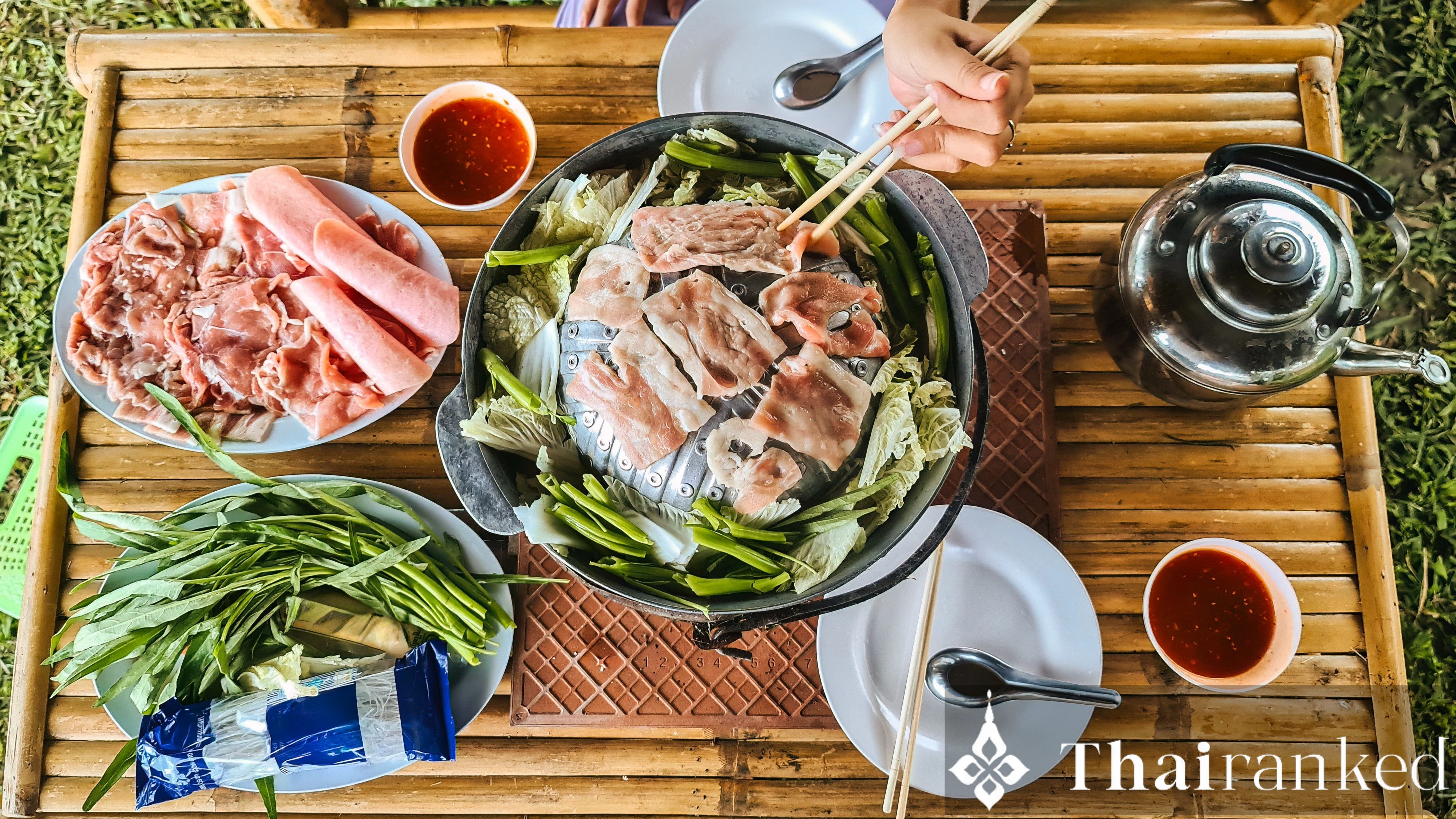
Discover the fascinating history and cultural influences that created Moo Kratha, Thailand’s iconic BBQ hotpot dining tradition loved by locals and travelers.
Discover the real Makha Bucha Day in Thailand: How locals celebrate, temple rituals, why bars close, and what travelers should know about this spiritual holiday.
Join the vibrant Hae Pha Khun That Festival in Nakhon Si Thammarat, where thousands parade golden cloth to honor the sacred stupa and sample Southern Thai cuisine.
What people ask about
"Why Does Thailand Have a Color for Each Day of the Week?"
Here you will find answer to the most popular questions.