The Story of Bangkok’s Grand Palace
August 03, 2026 09:42 AM
Last edited: August 03, 2026

by Thairanked Guide
Thairanked helps you discover great places in Thailand!
Search Hotels & Flights


The Grand Palace stands at the heart of Bangkok, a walled complex that shaped the city’s identity since 1782. You step through the main gate and enter a world packed with colour, ritual, and symbols of Thai kingship. This guide traces the palace’s story, explains the sites you must not miss, and gives practical advice to make your visit respectful and memorable.
How the Grand Palace began
King Rama I built the Grand Palace in 1782 after he established Bangkok as the new capital. He ordered the construction to create a royal court, administrative centre, and main temple. The palace occupied the Rattanakosin Island site because the Chao Phraya River offered defence and river access for trade and ceremonies.
Successive monarchs expanded the complex. Kings added halls, courts, and decorative layers that reflect changing tastes and foreign influences. You can see classical Thai roofs, European-style reception halls, and richly painted murals from different reigns. Those additions turned the palace into a living gallery of Thailand’s royal history.
Key buildings and art you will see
Wat Phra Kaew, the Temple of the Emerald Buddha
The Temple of the Emerald Buddha sits inside the Grand Palace grounds, and it holds the most sacred Buddha image in Thailand. Monks perform seasonal robe-changing ceremonies for the Emerald Buddha, and the Royal Family participates in major rituals here. Guards and temple staff prohibit photography inside the inner sanctum, so you will take most photos from the outer courtyards.
Chakri Maha Prasat Hall
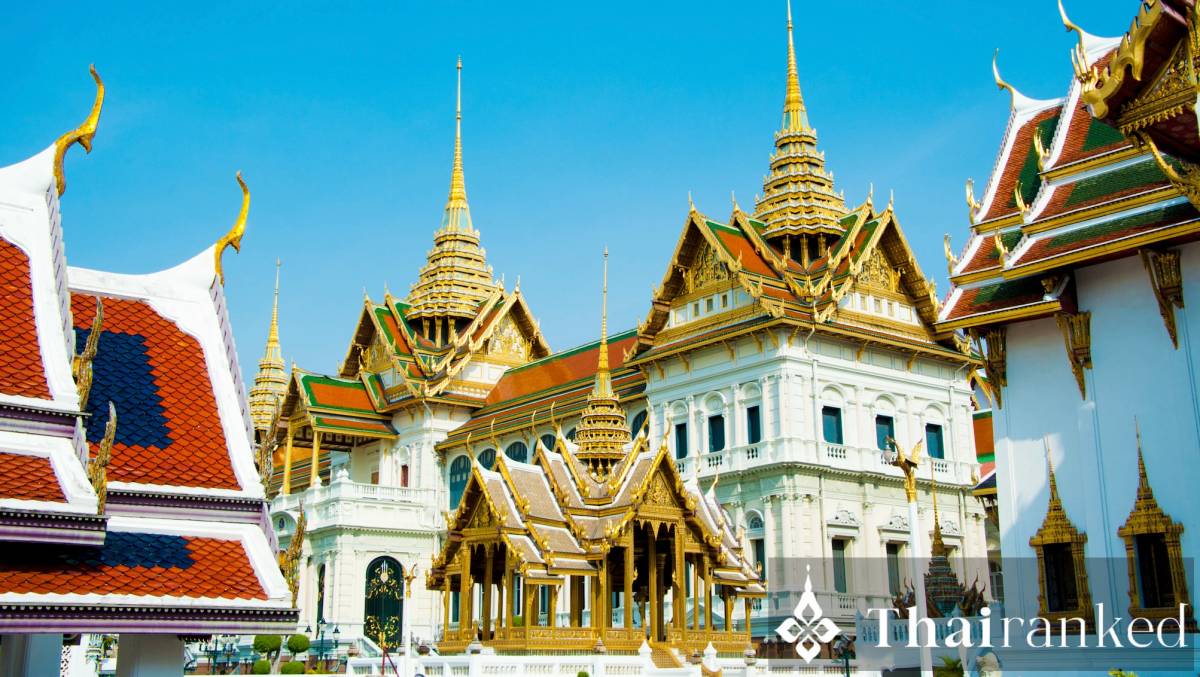
Chakri Maha Prasat Hall mixes Thai and European architecture. Kings used this hall for state receptions and audiences. You walk around the building and notice ornamental pediments, columned facades, and gilded spires that demonstrate how Thai craftsmen adapted foreign forms to local aesthetics.
Murals, statues, and the Royal Pantheon
Painters covered many palace corridors with murals that tell episodes from the Ramakien, the Thai version of the Ramayana. Sculptors lined the perimeter with guardian figures and mythical beasts. The Royal Pantheon commemorates past kings, and you will read inscriptions and see royal symbols that help you connect the site to Thailand’s dynastic memory.
Rituals, ceremonies, and the palace’s modern role
Monarchs maintain the palace as a ritual centre. The monarchy holds coronation rites, merit-making ceremonies, and state funerals within or near the complex. Each ceremony follows strict protocols that reflect Buddhist and court traditions. Observing those rituals requires respect for dress and behaviour.
The palace does not function as a residential home for the monarch. Officials use parts of the complex for state functions and to host visiting heads of state. Visitors find living heritage here, because palace staff maintain traditional practices and conservation efforts around the complex.
Practical tips for visiting
You must follow the palace dress code to enter. Cover shoulders and knees. Do not wear sleeveless shirts, short skirts, or ripped jeans. Avoid flip-flops on days when officials hold ceremonies. Guards may refuse entry to anyone who ignores the rules.
You will find long queues at busy times, so arrive early to avoid heat and crowds. Carry a light water bottle and a wide-brim hat. Expect security checks at the gates. Temple staff recommend quiet behaviour inside the courtyards, and you should switch your phone to silent during ceremonies.
Street vendors around the palace sell snacks and cold drinks. You can pick up a guidebook or join a licensed guide to learn names and dates while you walk. Licensed guides provide context that plaque text does not, and they point out hidden details, like mural sequences and symbolic numerology in the architecture.
Getting there and nearby attractions
You can reach the Grand Palace by river boat, taxi, or tuk-tuk. River boats offer scenic arrivals and drop you near Tha Chang pier. The palace sits in the Rattanakosin area, which contains several attractions you can combine in one day. Explore The Story Behind Bangkok’s Giant Swing, Sao Chingcha to learn about the nearby ceremonial landmark. Walkable markets and lanes lead toward the backpacker strip on Khao San Road, and our Khao San Road history guide helps you plan an evening after your palace visit.
Historians and museum fans will enjoy nearby collections. Read our guide to The best museums in Bangkok to decide which exhibitions to add. When you leave the palace, head to a local night market to sample street food and crafts. Our Bangkok’s Best Night Markets article lists options close to Rattanakosin.
Conservation and controversies
The palace faces preservation challenges because humidity and pollution affect paints and gilding. Conservation experts restore murals and temples in phased programs that balance visitor access with protection. Heritage officials restrict access to fragile spaces to slow wear from foot traffic, and you witness those restrictions when staff close sections for repairs.
Debates about public access and royal privacy are part of ongoing discussions. Scholars, officials, and civil society groups discuss how to make the palace accessible while preserving its ceremonial role. Those conversations shape future visitor policies and interpretive programmes.
Photography, souvenirs, and respectful behaviour
Guards prohibit photography inside the Emerald Buddha chapel, and they may restrict pictures during some ceremonies. You will take photos across the outer courtyards and on the palace terraces. Use a zoom lens to capture details while keeping your distance from worshippers and officials.
Buy souvenirs from licensed stalls around the complex to support local vendors. Avoid items that appropriate religious symbols for kitsch. Traders sell postcards, small replicas, and books that provide reliable background reading.
Tips for long-term residents and repeat visitors
You can join a volunteer conservation programme or sign up for lectures offered by heritage organisations. Long-term residents repeat visits to watch seasonal robe changes of the Emerald Buddha and to catch conservation openings. Repeat visits reveal layers you miss on a first tour, such as ritual schedules and the small shrines scattered around the complex.
You might compare the palace to other Bangkok sites in our archive. Read our piece on Bangkok canal boat taxis if you prefer river travel around Rattanakosin, or pick a walking route through old city temples from our local guides.
Key takeaways
- The Grand Palace began in 1782 under King Rama I and anchors Bangkok’s historic Rattanakosin Island.
- Wat Phra Kaew, the Temple of the Emerald Buddha, holds Thailand’s most sacred Buddha image; guards prohibit photography inside the inner sanctum.
- You must follow the palace dress code, cover shoulders and knees, and behave quietly during ceremonies.
- Combine your visit with nearby sites, such as Sao Chingcha and Khao San Road, and visit museums to deepen context.
- Conservation and access policies shape how you experience the palace; respect restrictions and support licensed vendors.
Search Hotels & Flights
Related Insights
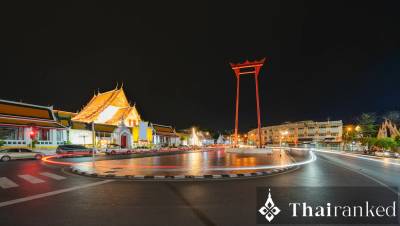
Explore the history, rituals, and restoration of Bangkok’s Giant Swing, Sao Chingcha. Learn its cultural meaning, how to visit, nearby temples, and etiquette.
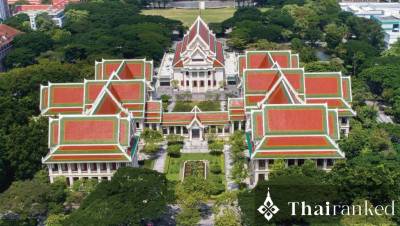
Trace Chulalongkorn University's story from its 1917 founding by King Vajiravudh to its centenary in 2017, campus growth, academic legacy, and modern role.
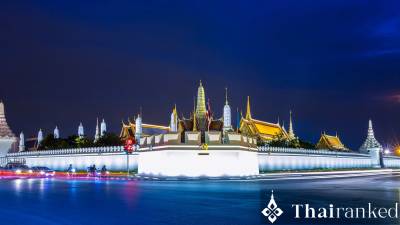
Explore Bangkok’s full official name, the translation, history, and cultural meaning, plus tips for visitors curious about Thailand’s famous capital.

Discover the story behind the 12 giant Yaksha statues at Suvarnabhumi Airport. Learn about their Ramakien roots, Ravana, and Thai mythology.

Discover the history of Wan Dek, Thailand's National Children's Day. Learn why it is celebrated on the second Saturday of January.
What people ask about
"The Story of Bangkok’s Grand Palace"
Here you will find answers to the most popular questions about Thailand.