History of Chulalongkorn University, Bangkok's Oldest
June 19, 2026 04:37 AM
Last edited: June 19, 2026

by Thairanked Guide
Thairanked helps you discover great places in Thailand!
Search Hotels & Flights


Chulalongkorn University stands among Thailand's most influential institutions. Founded in 1917 by King Vajiravudh, the university carries the name of his father, King Chulalongkorn, and keeps a long record of shaping Thailand's public service, culture, and higher education.
Founding and royal roots
In 1917 King Vajiravudh established Chulalongkorn University to give Thailand a modern centre for higher learning. The institution took a royal name to honour King Chulalongkorn. The university adopted a royal emblem that connects the campus to the monarchy and to national reform movements that unfolded during the university's formative period.
Early mission and growth
The university began with a clear task: to train the next generation of civil servants, legal experts, and medical practitioners. Leaders in government and administration needed formal training as Thailand moved from a traditional bureaucracy toward modern state institutions. Chulalongkorn expanded its faculties, adding disciplines in science, arts, law, and medicine, as students and staff introduced modern curricula and research practices to Bangkok.
Campus and landmarks
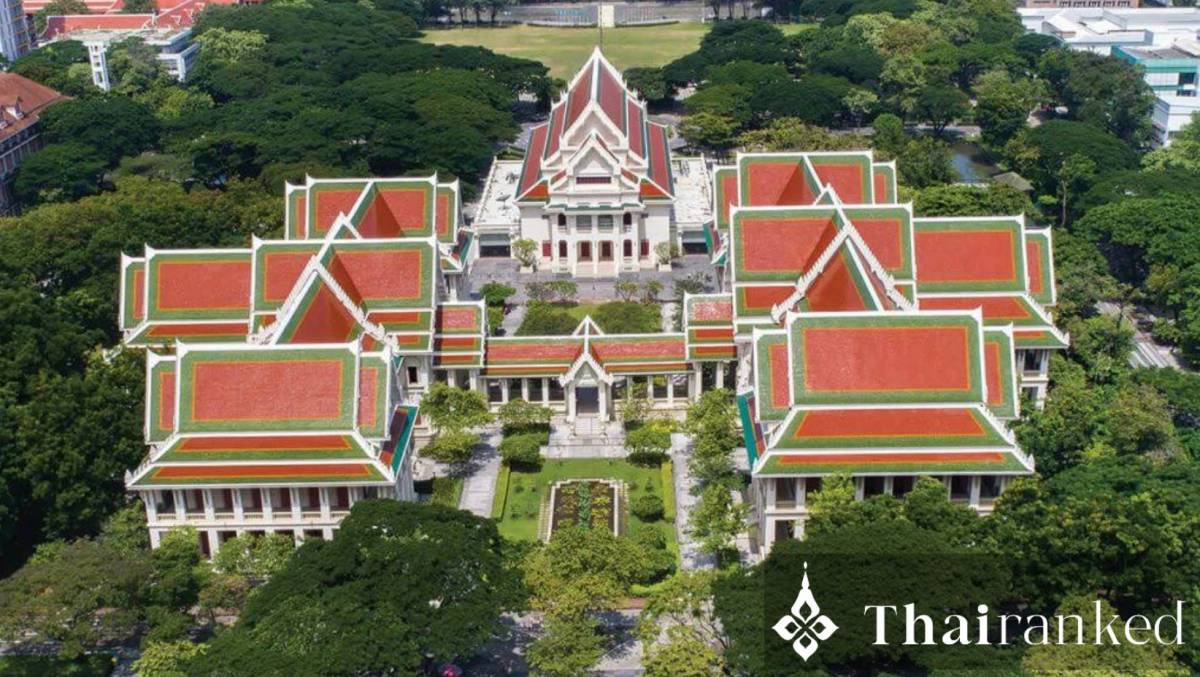
Chulalongkorn's main campus sits in the Pathum Wan district of central Bangkok, close to the Siam shopping precinct. The campus mixes classical academic buildings and newer facilities, and the grounds include green spaces that invite residents and visitors to linger. The university opened a major public green area, the Centenary Park, to mark a milestone for the campus, and the park provides a model for urban green design within Bangkok.
Academic reputation and influence
Generations of Chulalongkorn graduates moved into leadership in government, law, medicine, business, and the arts. Employers across Thailand value a Chulalongkorn degree because employers see rigorous training, wide networks, and cross-disciplinary experience. The university expanded research capacity in engineering, social sciences, and medicine, and it formed international partnerships that invited exchange and joint projects with foreign universities.
Student life and culture
You will find a vivid student culture at Chulalongkorn. Student clubs cover music, theatre, sports, volunteer work, and political discussion. Campus traditions mix formal ceremonies with festivals that attract Bangkok residents. Students organize public events on weekends, and the campus becomes a social and cultural node for the wider city.
Politics and public life
Chulalongkorn students engaged with national debates on multiple occasions. Alumni and student groups entered public service, journalism, and political movements. The university shaped public debate through academic commentary and public events, and it produced leaders who worked in government, the judiciary, and civil society.
Centenary and modernisation
The university celebrated its centenary in 2017, marking one hundred years since its 1917 founding. The centenary program showcased new research centres, campus upgrades, and public outreach projects that invited Bangkok residents to use university facilities. Chulalongkorn balanced historic preservation with infrastructure upgrades, and the campus matched heritage buildings with new laboratories, libraries, and collaborative spaces.
Architecture and symbolism
The campus displays architectural styles that reflect different eras of Thai history. Classical facades stand beside modern glass buildings. The university keeps a royal emblem that ties the institution to national heritage, and formal ceremonies preserve rituals that matter to students, faculty, and alumni. Visitors will notice plaques, statues, and memorials that record the university's role in Thai education.
Research and global partnerships
Chulalongkorn expanded research after 1945 and moved toward global collaboration. Faculty set up research centres that investigate public health, engineering, and social policy. The university signed partnerships with institutions overseas to support student exchange and joint research projects. These collaborations helped Chulalongkorn place Thailand on global academic networks and attract international students.
Alumni and national impact
Alumni have played major roles in Thailand's government, private sector, and creative industries. Chulalongkorn graduates serve as ministers, CEOs, academics, and artists. Alumni networks support career placements, startup incubators, and philanthropy that returns talent and funding to the campus. The alumni community also funds scholarships that enable students from across Thailand to attend university in Bangkok.
Visiting Chulalongkorn University
You can visit parts of Chulalongkorn's campus during regular hours. The university opens public spaces, and cultural events invite outsiders. If you plan a campus visit, pair the trip with nearby city attractions, including museums and markets. Read more about museums in Bangkok in our guide to the best museums in Bangkok. If you need student-friendly neighbourhoods, our guide to most convenient areas to live in Bangkok explains BTS and MRT links near campus. For nightlife after a campus tour, explore Bangkok's best night markets to find street food and late shopping. If you plan to compare universities, see our guide to where to stay near Thammasat for context on another major Bangkok campus.
Challenges and the road ahead
Chulalongkorn faces common challenges for major universities, including balancing tradition with innovation, recruiting research funding, and expanding access for students outside Bangkok. The university pursues infrastructure upgrades, digital learning platforms, and partnerships that extend education beyond the central campus. Faculty design programs that respond to Thailand's demographic shifts and to regional economic needs.
Why Chulalongkorn matters for visitors and residents
Chulalongkorn matters because the university shaped institutions you encounter across Thailand, including ministries, hospitals, and cultural venues. The campus offers green space in central Bangkok, public events that welcome city residents, and lectures that explain current issues. For visitors, the campus offers a window into Thailand's modernising past and present.
Key takeaways
- Chulalongkorn University began in 1917, founded by King Vajiravudh and named for King Chulalongkorn.
- The university grew from a civil service training centre into Thailand's broad research university.
- Centennial celebrations took place in 2017, marking one hundred years of education and public service.
- The main campus sits in Pathum Wan, near Bangkok's Siam district, and offers public parks and cultural events.
- Chulalongkorn remains a major source of public leaders, researchers, and cultural contributors to Thailand.
Search Hotels & Flights
Related Insights
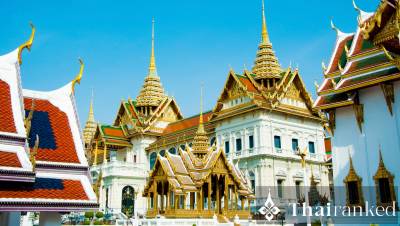
Discover the story of Bangkok's Grand Palace, from its royal origins to its role as one of Thailand's most iconic cultural landmarks.
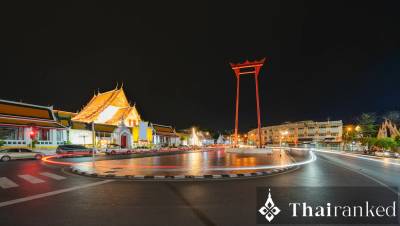
Explore the history, rituals, and restoration of Bangkok’s Giant Swing, Sao Chingcha. Learn its cultural meaning, how to visit, nearby temples, and etiquette.
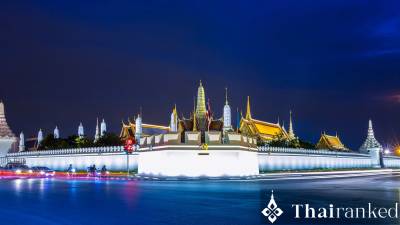
Explore Bangkok’s full official name, the translation, history, and cultural meaning, plus tips for visitors curious about Thailand’s famous capital.

Discover the story behind the 12 giant Yaksha statues at Suvarnabhumi Airport. Learn about their Ramakien roots, Ravana, and Thai mythology.

Discover the history of Wan Dek, Thailand's National Children's Day. Learn why it is celebrated on the second Saturday of January.
What people ask about
"History of Chulalongkorn University, Bangkok's Oldest"
Here you will find answers to the most popular questions about Thailand.