The Story Behind Bangkok’s Giant Swing, Sao Chingcha
July 31, 2026 09:21 AM
Last edited: July 31, 2026
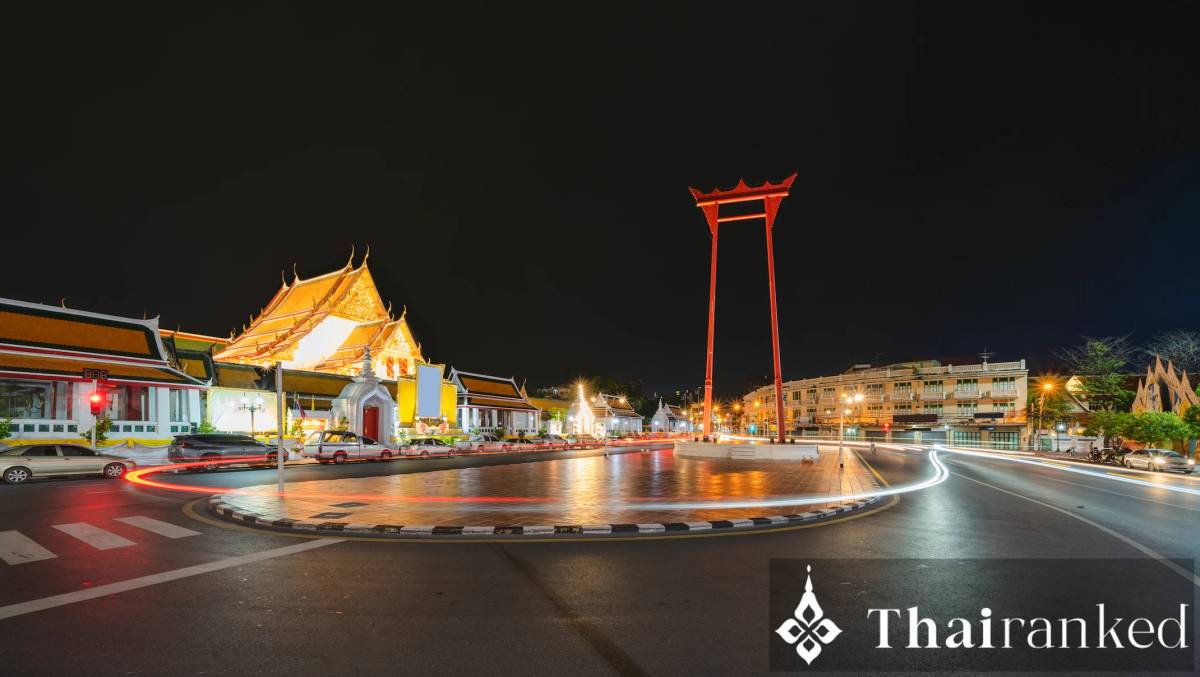

by Thairanked Guide
Thairanked helps you discover great places in Thailand!
Search Hotels & Flights


The Giant Swing, or Sao Chingcha, stands in front of Wat Suthat in Bangkok. You will see its two red pillars rising above the surrounding plaza, a visual sign of the city’s mixed Buddhist and Hindu heritage. Photographers frame the swing with the temple roof in the background, vendors sell street snacks along the outer edge, and municipal workers keep the site tidy. The structure draws visitors for its history and dramatic presence, not for thrilling rides.
Origins and purpose
The city constructed the Giant Swing early in the Rattanakosin period as part of a Hindu-Brahmin ceremony adopted by Bangkok’s court. Brahmin priests performed a ritual in front of the swing to mark the start of the rice-planting season and to invite prosperity. Participants stood on an attached platform and swung high enough to reach a small bag of coins or other offerings. The ritual required courage and balance, because the ropes could break and participants risked falling to the ground. Leaders stopped the swinging ceremony after several injuries, but the wooden frame remained as a symbol of the ritual and the cultural ties between the Thai monarchy and Brahmin traditions.
Design and symbolism
Carpenters built the swing from massive timber, then painted the frame in red and added decorative elements that reflect Hindu iconography. Hindus associate the swing ritual with Shiva and with songs called Triyampavai and Tripavai, chants that priests used during the ceremony. The two tall pillars represent the axis between earth and sky, while the crossbar serves as the meeting point between human action and sacred blessing. Local people placed small shrines and offerings around the base, to honor both Buddhist and Brahmin spirits.
Relationship with Wat Suthat
Wat Suthat sits behind the Giant Swing, and the temple’s large ordination hall offers murals and Buddha images that draw worshippers. Temple staff coordinate festival activities on the plaza and advise visitors about dress and behavior. You will notice monks walking near the swing during morning alms, and families lighting candles at nearby shrines. The placement of the Giant Swing in front of Wat Suthat shows how the city combined religious traditions into public life.
Why the ceremony stopped
The swinging contest required risk. A strong wind or a broken rope caused falls and injuries. City officials phased out the dangerous practice to protect participants. The frame stayed as a cultural marker, and local authorities repaired and preserved it. The swing has been used as a festival prop for safe demonstrations, but the original contest ended because the city prioritized public safety over the dangerous ritual.
Restoration and conservation
Conservators have repaired the Giant Swing. Heavy timber suffers from weather, insect damage, and the load of paint. Officials removed and replaced damaged sections, treated the remaining wood to prevent rot, and repainted the pillars to protect the surface. Craftsmen used traditional joinery methods when possible, then added protective coatings to slow future wear. Restoration efforts aimed to preserve the swing’s look and cultural meaning, while keeping the public safe around the structure.
How to visit
You will find the Giant Swing in the old city, within a short walk of the Grand Palace and the city hall area. The Sanam Chai MRT station provides direct access to the plaza. Arrive in the morning to see monks and avoid the hottest hours. Vendors sell drinks and snacks around the perimeter, so plan your visit with a reusable bottle if you travel in the dry season. Respect the site by following temple dress codes when you enter Wat Suthat, and do not climb the structure or touch ropes that workers set aside for maintenance.
Photo tips
- Frame the swing with Wat Suthat’s roof in the background for a classic shot.
- Shoot in soft morning light to reduce harsh shadows on red paint.
- Include local life, such as monks or vendors, to add context.
Nearby attractions
Pair a visit to the Giant Swing with a tour of Wat Suthat. Walk north to the Grand Palace area, or stroll toward the nearby old neighborhoods to find small cafés and craft shops. Museums sit within short taxi or tuk-tuk rides, so connect this visit with cultural stops. If you enjoy markets, link your day to an evening visit to stalls recommended in our Bangkok’s Best Night Markets guide. Museum lovers will appreciate nearby collections listed in The best museums in Bangkok. Backpacker history fans will enjoy a short walk to Khao San Road, and our piece on Khao San Road From “Milled Rice” Market to Backpacker Hub explains that area’s evolution.
Myths, songs, and memory
Street storytellers recount the original chant lyrics and the bravado of contestants who aimed for the prize bag. Families in Bangkok still pass down memories of relatives who took part in the event. The swing appears in paintings and postcards, an emblem of an older Bangkok that mixed court ritual with public spectacle. Cultural groups stage ceremonies that echo the old practice, using safe demonstrations to teach the next generation about the city’s layered past. Those demonstrations emphasize respect, not danger.
Etiquette and respect
Visit with modest clothing if you plan to enter temple grounds. Remove shoes before stepping into the ordination hall. Avoid loud behavior on the plaza and move aside when worshippers perform rites. If you see a monk or a priest, keep a respectful distance and follow any local instructions. You will find signs in English and Thai near entrances that outline rules and opening hours.
Why the Giant Swing still matters
The structure connects Bangkok to older rituals and to the multicultural court that shaped the city. You will recognize it on postcards and in guides, but the swing matters more as a social anchor than as a tourist prop. Residents use the plaza for festivals, municipal ceremonies, and occasional public art. The swing reminds you that urban life layers new practices over older ones, and that the city preserves symbols even after their practical role ends.
Tips for planners and long stays
- Plan a morning visit to see monks and softer light.
- Wear closed shoes if you explore side streets with uneven pavement.
- Combine the visit with a temple tour and a museum stop to fill a half day.
- Avoid climbing on the structure, for safety and out of respect.
Key takeaways
- The Giant Swing, Sao Chingcha, sits in front of Wat Suthat and marks a historic Brahmin ritual.
- Officials stopped the swinging contest after accidents, but preserved the frame as a cultural symbol.
- Conservation work replaced damaged timber and maintained the swing’s appearance for visitors.
- Visit in the morning, respect temple rules, and pair the stop with nearby museums or markets.
- Read our guides on museums and night markets to plan a full day in the old city.
Search Hotels & Flights
Related Insights
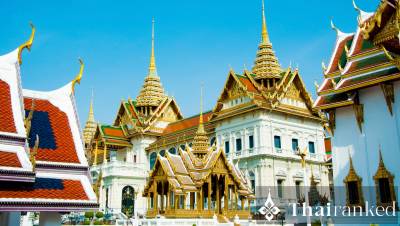
Discover the story of Bangkok's Grand Palace, from its royal origins to its role as one of Thailand's most iconic cultural landmarks.
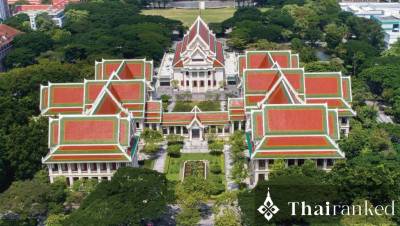
Trace Chulalongkorn University's story from its 1917 founding by King Vajiravudh to its centenary in 2017, campus growth, academic legacy, and modern role.
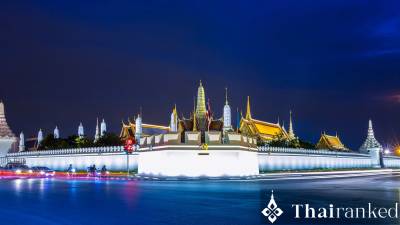
Explore Bangkok’s full official name, the translation, history, and cultural meaning, plus tips for visitors curious about Thailand’s famous capital.

Discover the story behind the 12 giant Yaksha statues at Suvarnabhumi Airport. Learn about their Ramakien roots, Ravana, and Thai mythology.

Discover the history of Wan Dek, Thailand's National Children's Day. Learn why it is celebrated on the second Saturday of January.
What people ask about
"The Story Behind Bangkok’s Giant Swing, Sao Chingcha"
Here you will find answers to the most popular questions about Thailand.