How to Spot the Difference: Thai vs. Burmese, Lao, and Cambodian Monks
November 26, 2025 11:42 PM
Last edited: November 27, 2025
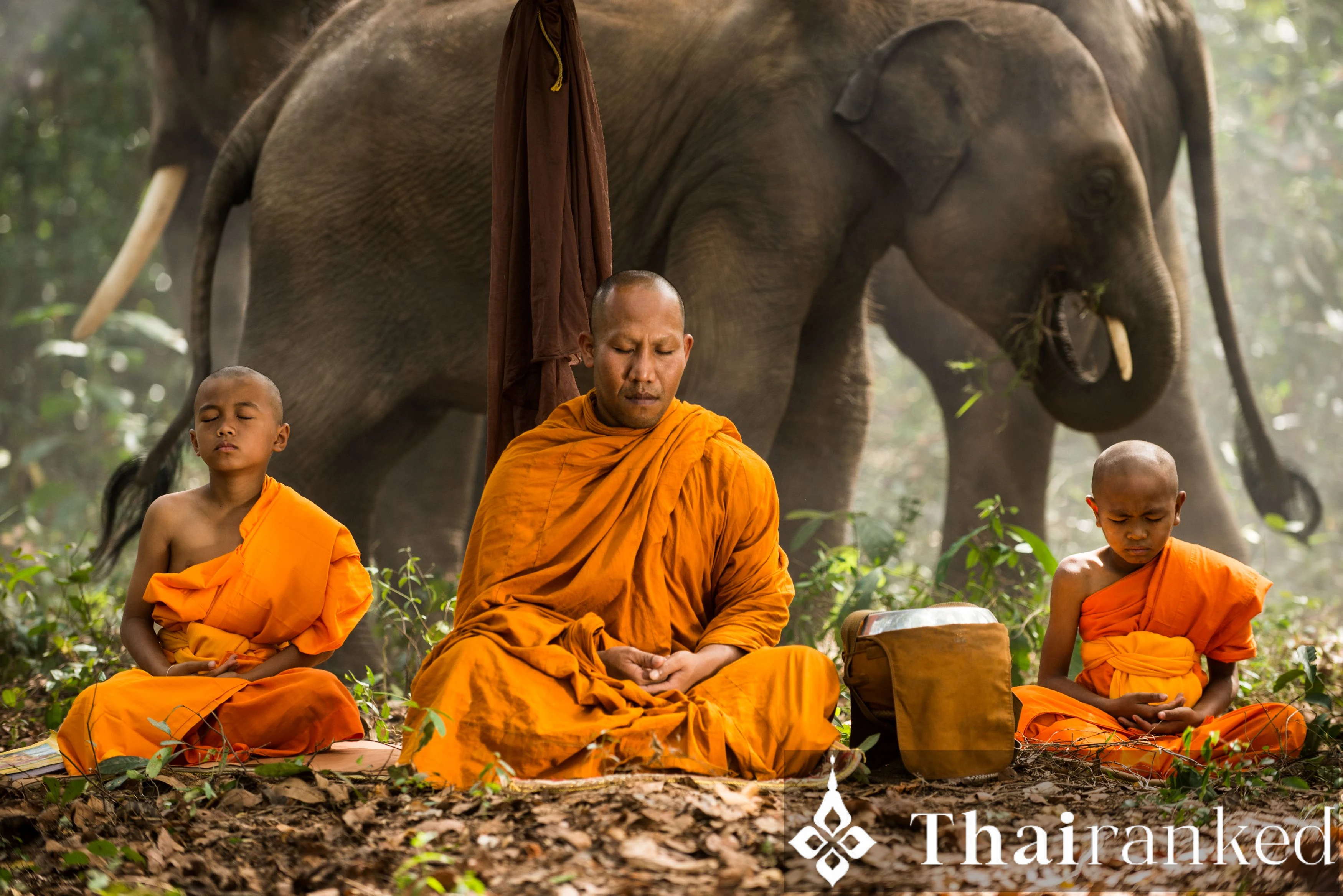

by Thairanked Guide
Thairanked helps you discover great places in Thailand!
Search Hotels & Flights
Related Insights
If you are traveling through Southeast Asia, specifically Thailand, Myanmar, Laos, and Cambodia. you will undoubtedly see Buddhist monks. To the untrained eye, the "sea of saffron" can look the same across borders. However, there are distinct visual cues, rooted in history and monastic rules (Vinaya), that can help you identify where a monk is from (or which tradition they follow) without saying a word.
Here is the traveler's field guide to recognizing a Thai monk versus his neighbors.
1. The Eyebrows: The #1 Dead Giveaway
If you look at nothing else, look at the eyebrows. This is the single most reliable visual indicator.
- Thai Monks: They shave their eyebrows.
- Burmese, Lao, & Cambodian Monks: They do NOT shave their eyebrows.
The Story Behind It: Why the difference? There is a popular historical legend that dates back to the wars between the Kingdom of Ayutthaya (Siam) and Burma. The story goes that Burmese spies would dress as monks to infiltrate Thai cities. To catch them, the Thai king ordered all local monks to shave their eyebrows, a practice the Burmese spies (who followed a different interpretation of the monastic code) refused to do. The tradition stuck, and today, Thai monks are unique in the Theravada world for this practice.
2. The Robe Color: Saffron vs. Maroon
While all these countries follow Theravada Buddhism, the dye used for robes varies significantly by region.
Thai Monks
- Colors: Typically bright orange or golden saffron (for city monks) and dark brown/ochre (for forest monks).
- Visual Vibe: Bright, uniform, and often very crisp.
Burmese Monks
- Colors: Deep maroon, burgundy, or oxblood red.
- Visual Vibe: Much darker than their neighbors. You will rarely see a Burmese monk in bright orange. This color difference is so stark that you can often identify a Burmese monk from a hundred meters away.
Lao & Cambodian Monks
- Colors: Similar to Thailand, varying shades of saffron, orange, and turmeric yellow.
- Visual Vibe: Because the colors are so similar to Thai robes, you must rely on the eyebrows to tell them apart.
3. The Robe Style: The "Roll" vs. The "Fold"
Even the way the robe is wrapped can offer a clue, though this takes a sharper eye.
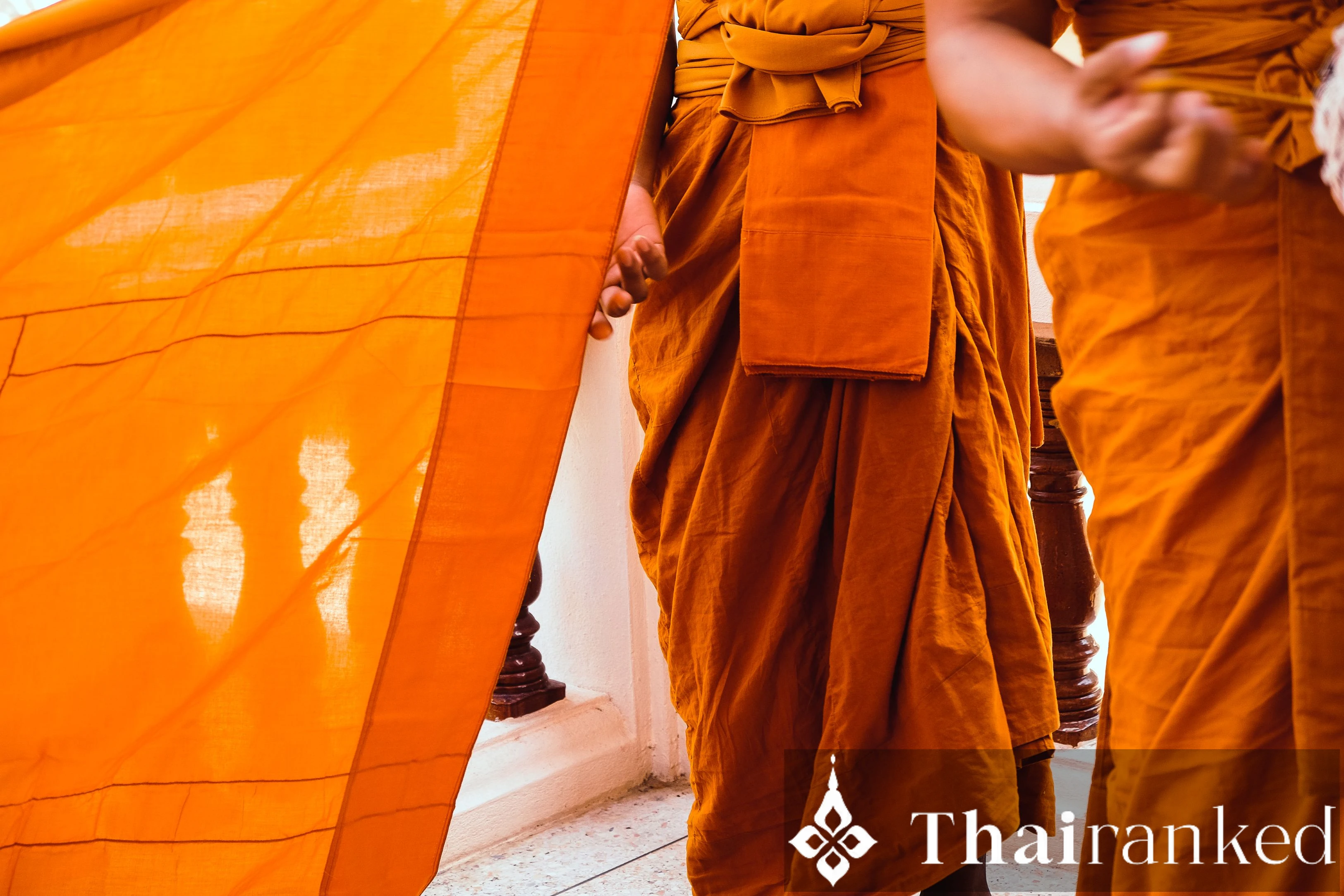
- The Thai "Roll": When walking outside the temple (especially on morning alms rounds), Thai monks often wear their robes covering both shoulders. Look closely at the chest, he fabric is often rolled tightly along the edge to keep it secure. It looks very neat and "uniform."
- The Burmese Style: Burmese monks also cover both shoulders for formal occasions, but the wrapping style often leaves a distinct, slightly looser fold or "ruffle" at the neck. It can appear more voluminous than the tight Thai wrap.
4. Nuns (The Women in White vs. Pink)
If you see Buddhist nuns (Mae Chi or Thilashin), the difference is even more obvious.
- Thailand & Cambodia: Nuns typically wear pure white robes and shave their heads (and eyebrows in Thailand).
- Myanmar: Burmese nuns (Thilashin) are famous for wearing pink robes with an orange sash. This is a unique and beautiful sight found only in Myanmar.
A Final Note on Respect
Regardless of the color of the robe or the presence of eyebrows, the rules of etiquette remain the same across all these countries:
1. Women should never touch a monk.
2. Always lower your head slightly when passing a monk to show respect.
3. Do not point your feet at a monk or Buddha statue.
Now, next time you are exploring a temple in Chiang Mai or Luang Prabang, you can quietly observe these details and know exactly who you are looking at!
by Thairanked Guide
Thairanked helps you discover great places in Thailand!
Search Hotels & Flights
Related Insights
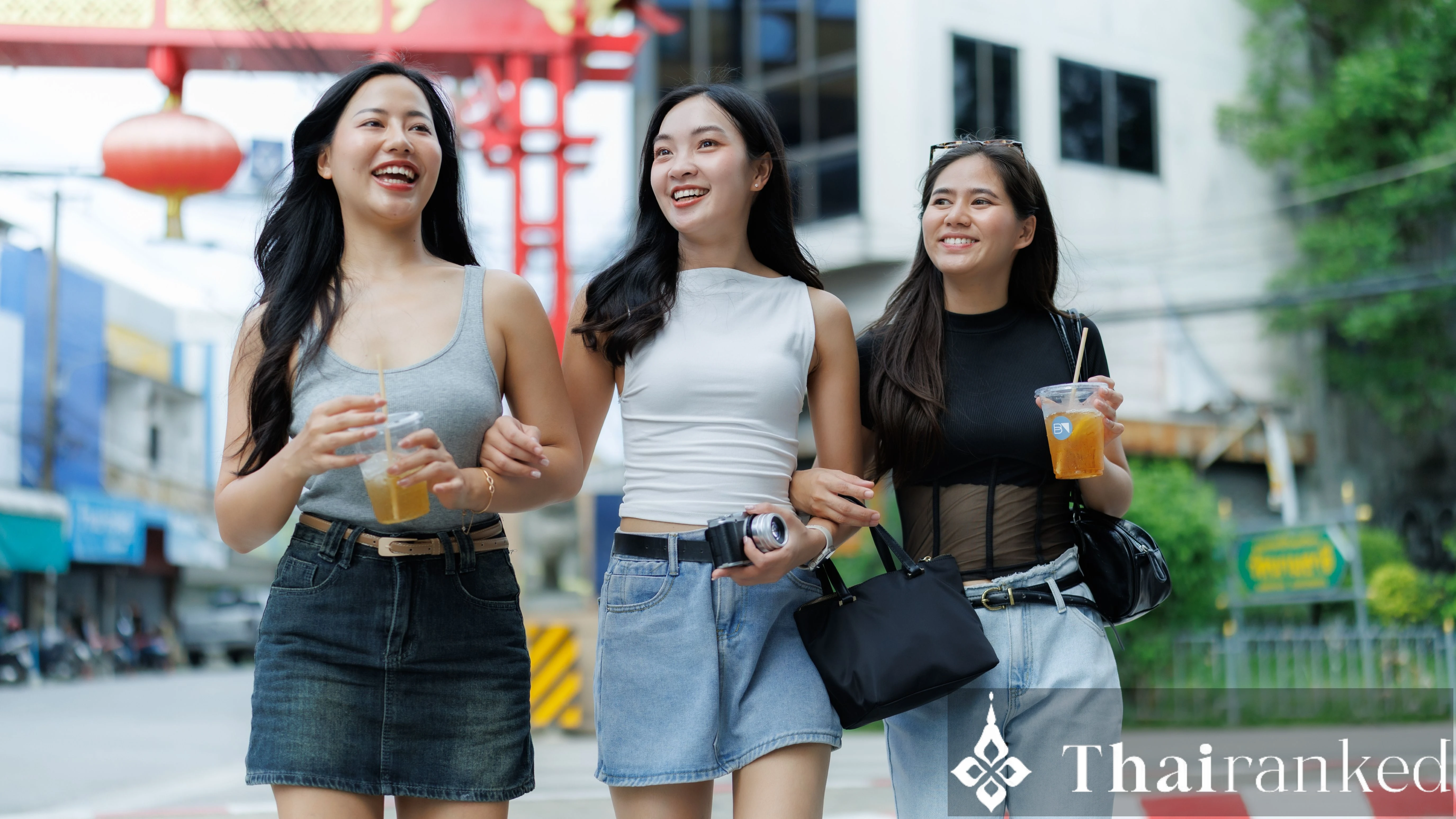
Stay respectful and cool during Bangkok temple visits. Learn practical tips for modest dressing that'll get you through sweltering days in the city.
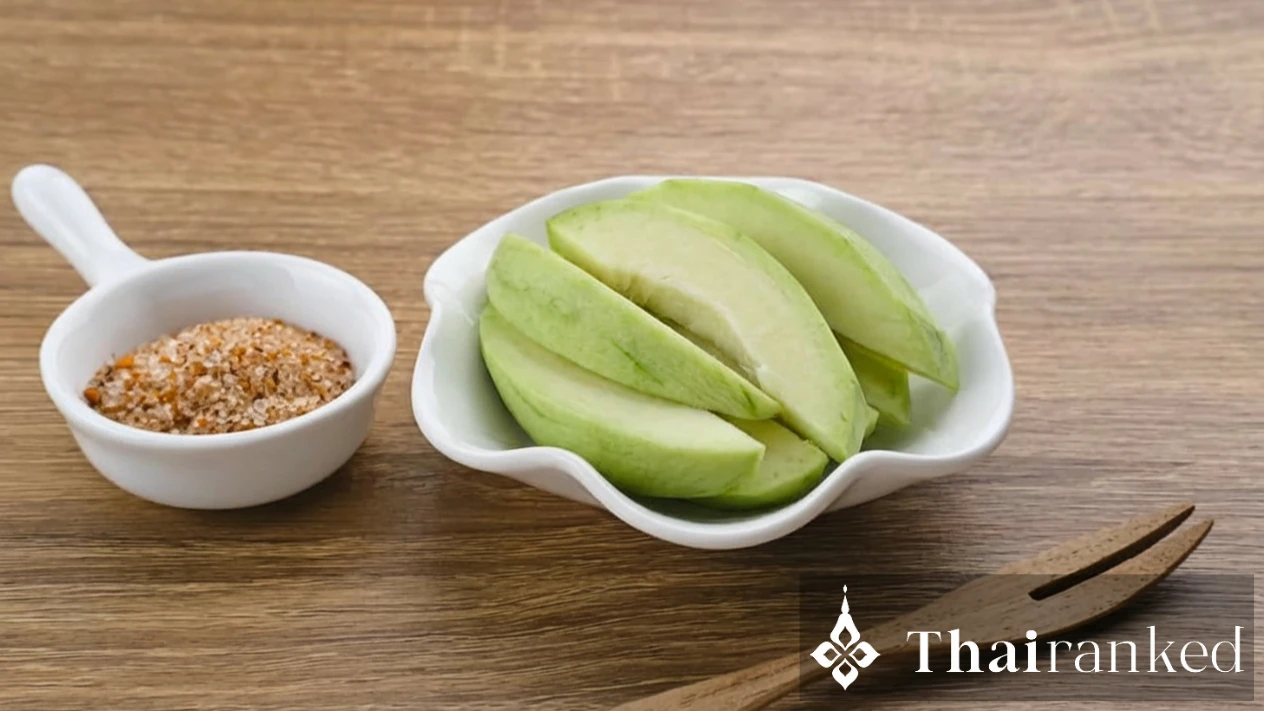
Discover why Thais dip green mango in chili salt, the origins, flavor secrets, and tips for trying this tangy, spicy Thai snack on your next trip.
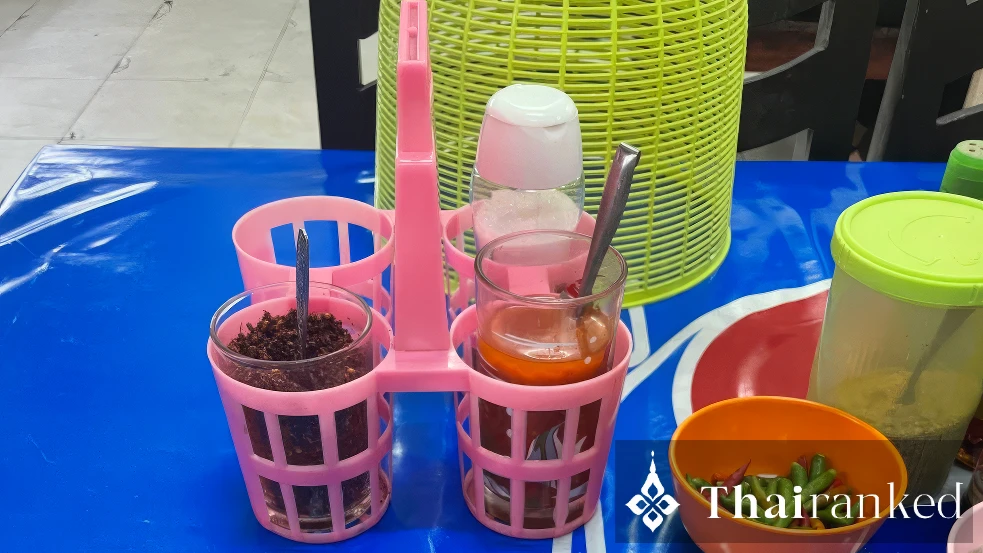
Discover the secrets of the Thai noodle shop condiment tray. Learn how to use sugar, fish sauce, chili powder, and vinegar like a local.
Curious why Thailand’s year is 2569 instead of 2026? Discover the origins of the Thai Buddhist calendar and how to quickly convert it to the Western year.
Discover the meaning behind Thailand's Red Fanta offerings at spirit houses. Learn about San Phra Phum, ancestor shrines, and etiquette for expats.