Disposing of Trash and Recycling Properly in Bangkok
April 11, 2026 03:10 AM
Last edited: April 10, 2026

by Thairanked Guide
Thairanked helps you discover great places in Thailand!
Search Hotels & Flights
Understanding Bangkok’s Waste System
Bangkok’s rapid growth brings a daily mountain of trash. The city government collects thousands of tons of garbage each day, most of it from residential areas and businesses. Bangkok’s approach to waste management has improved over the years, with modern landfills, incineration, and some recycling initiatives in place. You can make a difference by following the city’s rules and sorting your household waste correctly.
Types of Waste Bins in Bangkok
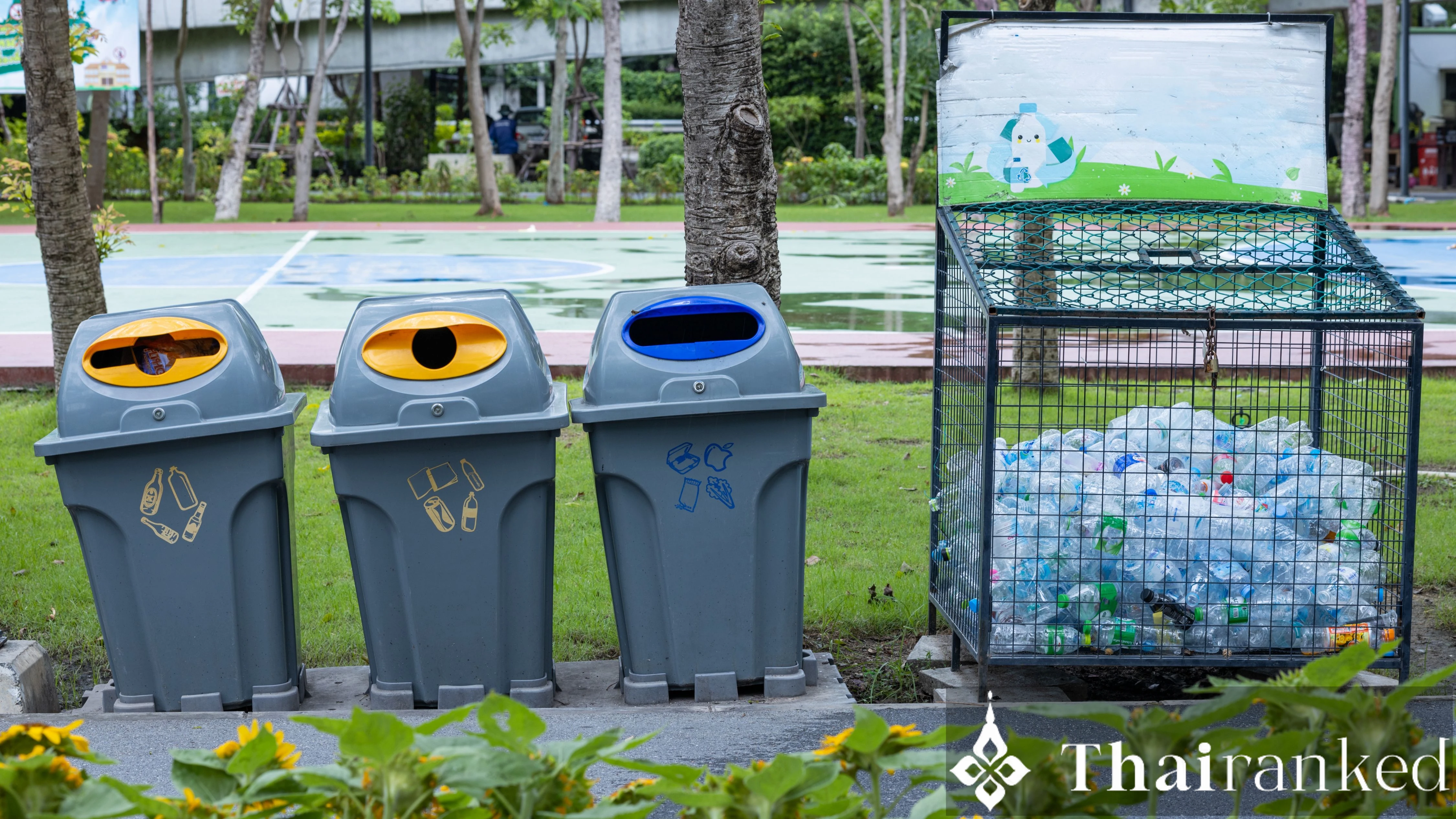
The Bangkok Metropolitan Administration (BMA) provides color-coded bins on many streets and in buildings. Here’s what the colors mean:
- Green: General waste (non-recyclable, non-hazardous). Food scraps, dirty plastics, used tissues.
- Yellow: Recyclable materials. Clean plastic bottles, cans, glass, paper, cardboard.
- Red: Hazardous waste. Batteries, light bulbs, chemicals, aerosols.
- Orange: Wet organic waste (pilot programs, mostly markets or condos). Fractions like vegetable peels.
You won’t see every color in every neighborhood, but you’ll always find green and yellow bins. Separate your waste before heading to the bins. If you rent in a condo, your building may have specific collection policies, so check with management.
Trash Collection Schedule in Bangkok
Collection times can vary by district. Most residential neighborhoods see daily or every-other-day pickups in the evening, typically after 6 p.m. Some streets post the schedule in Thai, but most condos and serviced apartments provide English notices. Place your bags at the designated spot just before pickup time so they don’t attract stray dogs or block sidewalks. Bulky items, old furniture, or large electronics may need a special pick-up arrangement with the local district office.
How to Recycle in Bangkok
Recycling relies heavily on voluntary sorting. Bangkok’s government removes recyclables at transfer stations, but your efforts to sort at home can help increase recovery rates. For efficient recycling:
- Rinse cans, bottles, and containers. Remove food or liquid.
- Flatten cardboard boxes before tossing them in the yellow bin.
- Bundle up paper or tie newspapers.
- Drop batteries and hazardous waste at designated bins in supermarkets, malls, or district offices (usually red bins at the entrance).
Workers known as “saleng” or informal waste collectors pick through trash, retrieving items with resale value. They target clear streams like bottles or cardboard, so sorting your recyclables helps both the city and their livelihood.
What Not to Do: Common Mistakes
- Don’t throw bags of household trash on vacant lots or roadside piles.
- Don’t dump liquids, chemicals, or batteries with your regular waste.
- Don’t place food waste in yellow bins.
- Don’t use open baskets; use tied bags to deter animals and leaks.
- Don’t burn trash at home; penalties apply.
Disposing of Bulky Waste and Electronics
Old furniture and large appliances can’t go out with regular trash. Bangkok district offices schedule pick-up days or offer a drop-off location for these items. Large electronics, computers, and televisions should be handed to licensed recyclers or dropped at specialized bins found at malls like Siam Paragon and EmQuartier.
For small items, modern supermarkets (Big C, Tesco Lotus, Tops) often install “e-waste” bins for batteries and electronics. Call the BMA hotline 1555 for English support if unsure where to dispose of something unusual.
Composting and Food Waste
Condos with gardens or community spaces sometimes run compost programs, collecting raw fruit and vegetable scraps. Some market areas have started orange-bin compost pilot projects. Join or start a compost group in your building or neighborhood if possible.
Learning from the Locals
Street food vendors and small businesses reuse bags, containers, and bottles as part of daily life. Many neighborhoods collect recyclables for group resale, funding temple activities or community events. Respect these local systems—don’t grab materials others have placed out for collection.
Where to Recycle: Drop-Off Centers and Resources
- Major supermarkets and malls often host recycling stations for electronics and hazardous waste.
- Local “recycle shops” buy sorted materials directly. Find them in outer districts and near fresh markets.
- The BMA’s official public service site lists collection schedules and initiatives (mostly in Thai).
- NGOs like “RECYCLE BKK” and “Trash Hero Bangkok” hold monthly events, search Facebook for meetups and locations.
Waste Disposal Etiquette for Expats and Travelers
Follow designated bin rules in hotels, apartments, and co-working spaces. Always check with building staff about disposal procedures, especially after moving in. If visiting a local market or public festival, carry a reusable bag and sort trash as locals do. For day trips out of Bangkok, bring your waste back for proper disposal or use city bins.
For nightlife spots or major tourist hubs, businesses handle trash behind the scenes. At public parks, make sure you use the provided bins or bring rubbish home. These steps help keep the city cleaner for everyone.
Extra Tips for Responsible Waste Disposal
- Switch to reusable shopping bags and water bottles.
- Download an air-quality or waste-tracking app, see our Best Air Pollution Apps for Traveling in Thailand for recommendations.
- Find details for your district’s collection at the BMA’s hotline 1555 for urgent trash issues.
If you’re staying long-term and want to go further, join a local cleanup event or volunteer program. Start with suggestions from our guide on how to give back in Thailand.
Key takeaways
- Sort waste at home: green for trash, yellow for recyclables, red for hazardous
- Check your building’s collection rules to avoid fines and mess
- Contact your district office or call 1555 for bulky or hazardous trash
- Respect community-side recycling and local collectors
- Bring reusable bags and leave no trace as you travel around Bangkok
by Thairanked Guide
Thairanked helps you discover great places in Thailand!
Search Hotels & Flights
Related Insights

Confused by Thailand’s veterinary system? Discover essential tips for expat pet owners, licensed vet clinics, costs, emergencies, and expat-friendly advice.

Clear, updated instructions for foreigners marrying Thai citizens. Understand documents, legal steps, and practical tips to register your marriage in Thailand.

Uncover the truth behind Thailand's 'Seven Dangerous Days' during Songkran. Essential safety tips & survival strategies for expats on Thai roads.

Discover how far $1,500 a month will take you in Thailand. Get expense breakdowns for rent, food, transport, and lifestyle in major cities.
Discover why Thai drivers honk at certain curves and shrines, the roots of these road superstitions, and how ancient beliefs influence Thailand's highways.