The 7 Days of Danger in Thailand About Songkran
April 10, 2026 03:29 AM
Last edited: April 10, 2026

by Thairanked Guide
Thairanked helps you discover great places in Thailand!
Search Hotels & Flights


What Are Thailand’s “Seven Dangerous Days”?
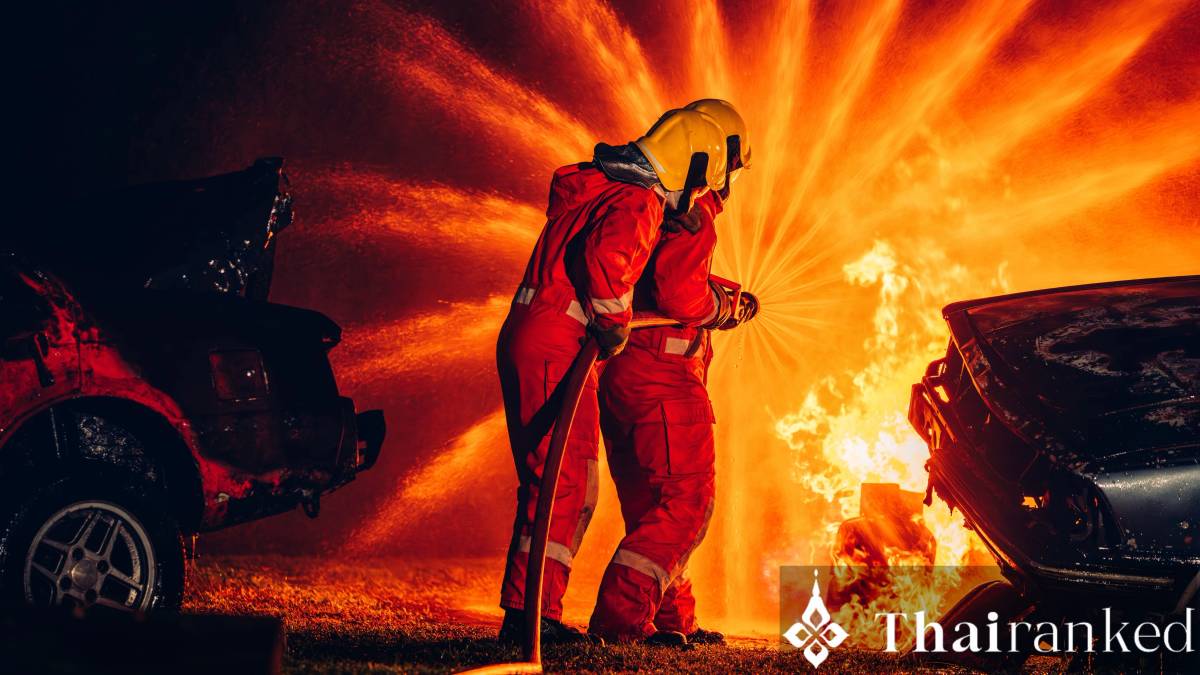
Thailand’s “Seven Dangerous Days” refers to the Songkran holiday week, usually held from April 11 to 17, when road accidents spike nationwide. Songkran marks the Thai New Year, a time of water fights, family reunions, temple visits, and, unfortunately, some of the deadliest days on Thailand’s roads. Government agencies and news outlets track accident figures each day, turning the period into a national safety campaign and a sobering reminder for travelers and expats.
Why Is Songkran So Dangerous for Drivers?
Millions leave Bangkok and cities to return to their hometowns, making highways jammed with traffic. Others celebrate with street parties, often with drinks flowing all day. These factors set up the perfect storm for traffic chaos:
- Alcohol-fueled celebrations
- Drivers unfamiliar with rural roads
- Motorbike accidents, especially among young riders
- Fatigue from long-distance driving
- Minimal law enforcement in remote areas
Data shows an annual increase in serious accidents, mostly involving motorcycles. Still, drivers of all vehicles face higher risks as traffic density and party culture combine.
Typical Accident Hotspots
Most incidents occur on two-lane rural roads, but cities see chaos too. U-turns, intersections, and poorly lit rural curves account for a big share of the numbers. Often, accidents peak late afternoon and evening as parties roll on. For expats and travelers, the Songkran period calls for added caution anywhere on the roads, but special care in small towns and highways far from major cities.
Essential Road Safety Tips for Expats During Songkran
Songkran’s joy can turn grim fast if you end up in a road accident or altercation. A few practical moves will help you enjoy the festival without becoming another statistic. These tips will keep you a step ahead:
- Avoid driving if possible: Use public transport, ride-hailing apps, or local tuk-tuks. Songthaews and charter vans may run on altered routes, but they lower personal risk.
- If you drive, stay alert for erratic road users: Watch for water-splashing zones, drunk partygoers, and motorbikes weaving unexpectedly.
- Never drink and drive: Police checkpoints operate in towns and on highways. Breath tests are frequent, and fines can be severe; deportation is possible for foreign residents.
- Wear a helmet, always: Most Songkran deaths involve motorbikes, and helmet use drops during the holiday.
- Avoid night travel: Accident rates spike at dusk and after dark when fatigue and alcohol impairment peak.
- Plan your exit: If traveling upcountry, leave early or late to miss the outbound/inbound rush windows and traffic jams.
- Stick to main highways where possible: Rural backroads may be poorly marked, and drinking parties often spill out onto the road.
What to Expect in Major Cities and Villages
In Bangkok, Chiang Mai, Pattaya, and Phuket, water battles fill main roads and tourist districts. Expect blocked streets and detours in downtown areas. Temporary traffic measures, closed lanes, and poorly signed diversions can confuse. If you need to navigate Bangkok, learn more about how to handle BTS, MRT, and tuk-tuks in our Bangkok Songkran Transport Guide.
In provincial villages, celebrations may block key intersections for hours. Songkran processions and rolling parties can leave you stranded if you don’t check detour options in advance. Police presence drops off outside town centers.
Should Expats Drive During the Seven Dangerous Days?
The safest answer: try not to. If you do, check your insurance. Make sure it covers medical costs, damages, and liability in case of an accident; some policies explicitly exclude coverage during Songkran week.
If you rely on a motorbike or car, pre-plan your routes. Download a navigation app with real-time updates and notifications about police checkpoints or blocked roads. Always save your embassy’s emergency contact and know which hospitals are on your route. Songkran’s fun can turn to stress if you end up stranded late at night or caught in heavy traffic far from help.
Travel Alternatives: Public Transport and Songkran Safe Zones
Buses, trains, and flights operate at full capacity during this period. Advance booking is essential. Many expats stay put or use safe-zone hotels that offer Songkran-themed activities within protected areas or hotel grounds. You can check Bangkok hotels for central locations that help you avoid chaotic street scenes, offering Songkran fun without the dangers of commuting.
If you feel like exploring, some cities have official “water-free” zones and quiet neighborhoods. Stay updated with local announcements and watch for redirected transport lanes.
Staying Safe as a Pedestrian or Cyclist
Pavements turn slippery during Songkran, and water gun-wielding revelers rarely miss a target. Falling can cause cuts and worse if you end up on wet asphalt. Cover electronics in waterproof bags, avoid walking alone at night, and dodge large party clusters when you can. Use designated crossings and overpasses where available. For cycling, stick to early mornings and avoid busy central roads until after the holiday.
How to Handle Road Incidents
If you have an accident (even a minor one), document everything with your phone. Don’t move your vehicle unless you must for safety reasons. Call your insurer immediately. For police help in English, dial the Tourist Police at 1155. Larger hospitals handle foreigners better, but in rural areas, prepare for delays and language barriers. Carry your passport or Thai ID at all times.
For travelers with Songkran plans in Chiang Mai, Bangkok, or beach towns, consult local forums for daily updates on road closures and accident sites. You can also explore our beach escape guide if you want to celebrate away from the crowds.
Cultural Caution: Water Splashing Etiquette
Most Thais take care to avoid targeting drivers and motorcyclists, but accidents still happen when water, powder, or ice hits someone in motion. If participating, never throw water at moving vehicles, passersby carrying babies, or monks. Watch for local customs and ask permission before joining in neighborhood celebrations.
Where to Find More Road Safety Info
Embassies, local police, and the Department of Land Transport post daily updates in English. TV channels display an accident "scoreboard" during Songkran, so check broadcasts or websites for the latest stats. For air quality concerns or emergency planning, our top air pollution app list can help you track conditions during peak travel days.
Key takeaways
- Songkran’s “Seven Dangerous Days” brings sharp spikes in road accidents, mostly tied to alcohol and high traffic.
- Expats should avoid road travel if possible, use public transport, and stay informed about local conditions.
- Safety gear, active driving habits, and avoiding night travel reduce your risk on the road.
- Check your insurance and embassy contacts before the holiday starts.
- If partying, respect local customs, never splash water at moving vehicles or vulnerable R-groups.
Search Hotels & Flights
Related Insights
The 2026 Songkran festival on Silom Road saw over 650,000 revelers, setting new crowd records and closing checkpoints early for safety.
Find out Thailand Immigration Bureau office hours and closures during Songkran 2026. Learn when to plan visa extensions, renewals, and 90-day reporting.
Fuel prices today in Thailand show stability across all major grades with no changes from previous rates. Key trends analyzed.

Bangkok launches 190 cooling shelters amid dangerous heat. Discover shelter locations, services, tips, and how to stay safe during Thailand’s hottest months.
Learn when Thailand’s 2026 election alcohol ban starts, when it ends, and what you can (and can’t) do. Stay informed and avoid penalties on Election Day.
What people ask about
"The 7 Days of Danger in Thailand About Songkran"
Here you will find answers to the most popular questions about Thailand.