Cash vs Card in Thailand: What Really Works in 2026
April 28, 2026 08:24 AM
Last edited: April 28, 2026

by Thairanked Guide
Thairanked helps you discover great places in Thailand!
Search Hotels & Flights
Cash vs Card in Thailand: What Works in 2026
Moving around Thailand sparks debates about cash and card payments every day. Are you better off relying on your debit, credit, or virtual wallets, or should you keep that wad of baht in your pocket? Preferences, technology, and acceptance levels shift each year, but Thailand’s payment scene still has its quirks. Here’s a breakdown of what works in 2026, with practical tips for travelers, expats, and long-term residents.
Thailand’s Payment Culture: A Snapshot
Thailand balances rapid fintech growth with strong cash traditions. New QR code systems and e-wallets have swept through big cities and chain merchants, but street vendors in smaller towns often won’t even glance at your Visa. Many businesses post their payment preferences in big, bold signs. English is rare for payment terms, but you’ll see which ones want cash and which prefer digital.
Where Cash Still Rules
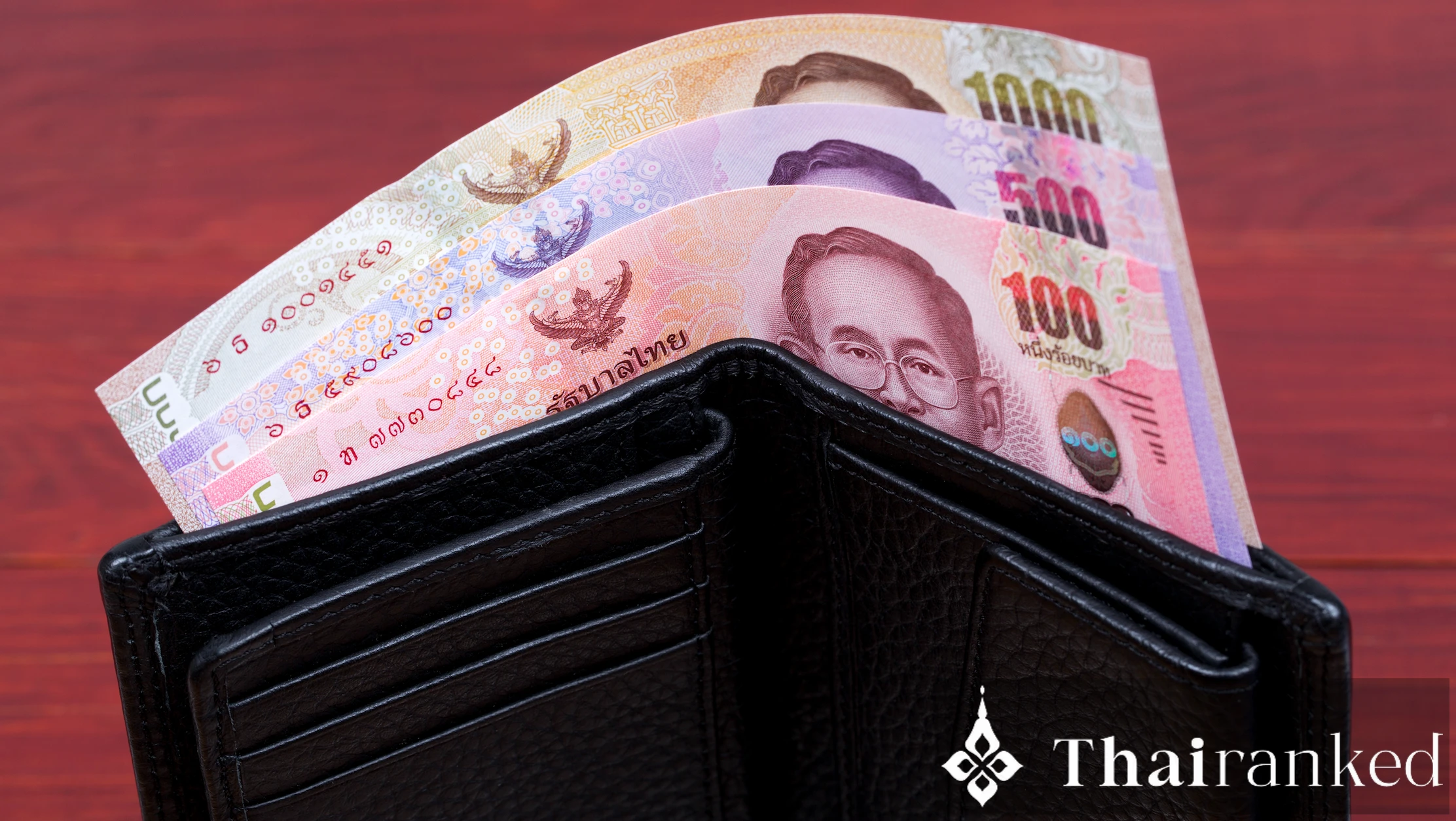
Cash in smaller denominations (20, 50, and 100 baht notes) is essential for:
- Street food and fresh markets: Vendors operate on slim margins. Even in busy Bangkok hubs or Chiang Mai’s famous night bazaars, expect cash as the default.
- Rural areas and island stalls: Smaller towns, rural provinces, and islands like Koh Tao or Koh Lipe rarely take cards outside the main 7-Eleven.
- Transport: Local songthaews, tuk-tuks, and many airport taxis only accept cash. For travel tips, see this guide from Bangkok to Chiang Mai.
- Entrance fees: Temples, local museums, or national park gates charge in cash unless clear signage advertises digital options.
- Tips: Service industry workers prefer (and sometimes expect) small cash tips.
You can read more about where cash dominates in hustling spots like Bangkok’s best night markets or for sampling authentic southern Thai street food.
Digital Payments and Card Hotspots
Banks and younger Thais promote contactless and QR code acceptance in urban areas. Cards function well in:
- Modern hotels and chain restaurants: Most hotels, mid- to high-end eateries, and shopping malls take cards. Bangkok, Phuket, and Chiang Mai are miles ahead compared to smaller provinces.
- Convenience stores: 7-Eleven, Family Mart, and Lotus’s Go Fresh universally accept cards and QR payments. A low minimum (sometimes as little as 100 baht) may apply.
- Major supermarkets and department stores: Big C, Central, Terminal 21, and The Mall encourage cashless spending, including Apple Pay and Google Pay.
- Some taxis in Bangkok: Grab rides, airport limos, and MuvMi electric tuk-tuks accept cards or digital wallet transfers, while most regular cabs still demand cash. Learn more about city travel in the Bangkok canal adventure.
Mobile Wallets and PromptPay
Thai PromptPay uses QR codes for instant transfers between banks. Thais use QR payments for shopping, utility bills, and sending money to friends. Foreigners with a Thai bank account can use PromptPay, but most visitors can’t link their international cards. Some large branches, especially in tourist areas, allow Alipay, WeChat Pay, and ShopeePay QR payments. Wise, Revolut, and multi-currency cards may work through standard readers but typically not via QR.
PromptPay’s QR codes appear everywhere in Bangkok, Chiang Mai, and Phuket for bill splitting, cafe purchases, and even some taxis. Digital nomads and expats who open a local account handle PromptPay without friction. Newer digital banking apps (like SCB Easy, KPlus, and TTB Touch) offer English menus and quick transfers.
ATMs and Getting Cash
Thailand features a dense ATM network. ATMs on main streets, malls, and even beach towns make it easy to find cash. International withdrawals usually incur a 220 baht (about $6) fee per transaction, plus your own bank’s fees. Machines offer both English and Thai menus. Many ATMs dispense new bills, but double-check your notes for rips; some vendors reject damaged cash.
- Withdraw the maximum per session (usually 20,000–30,000 baht) to reduce fees.
- Use ATMs at major banks or upscale malls for better security and currency settings.
- Keep smaller bills on hand for short rides, coffee stalls, or sudden market cravings.
Major bank branches convert popular international currencies efficiently. Exchange rates at well-known chains like SuperRich often beat airport counters. See our tips for currency exchange in Bangkok.
Card Types and Network Differences
Acceptance between credit and debit cards is similar at Thailand’s larger venues. Visa and Mastercard dominate, with UnionPay accepted in many tourist-heavy chains. American Express remains rare except in 4- and 5-star hotels. JCB grows in select retailers. Thai merchants may add a 2-3% surcharge, or set a spend minimum (often 300-500 baht) for card transactions. Be ready to show ID or sign small slips at checkout.
Contactless (tap) terminals have spread to Bangkok, Phuket, Pattaya, and big tourist cities, but smaller towns lag. Always carry backup cash for trips outside urban centers. For places best suited to cards, explore Bangkok’s most convenient neighborhoods.
Fees, Surcharges, and Currency Conversion
Decline DCC (Dynamic Currency Conversion) offers at terminals. Merchants may prompt you to pay in your home currency. Choosing baht sidesteps poor conversion rates and helps track real exchange costs. Check if your bank charges international fees and consider travel cards with fee waivers.
Counterfeit Notes and Safe Payments
Counterfeit bills remain rare but circulate, mainly in 1,000 baht notes. Use ATMs from recognized banks. When making sizable purchases, count cash in view of staff and request a receipt. Credit cards provide extra protection for hotels, electronics, and online bookings.
Tipping and Peer Payments
Tipping customs in Thailand favor cash: spare coins and 20 or 50 baht notes. Some restaurants allow tipping by card, but servers usually prefer cash. For paying friends or splitting bills, PromptPay with a local account is straightforward. Otherwise, cash or transfer platforms supporting Thai baht handle most needs. Check more on Thai tipping, transport, and street habits in this festival guide.
Traveler and Expat Payment Strategies
- Carry a mix of cash and cards. Big city chains accept plastic, but cash-only moments pop up daily.
- Keep cash for late-night eats, taxis, and surprise expenses.
- Install your bank’s mobile app for card controls or balance checks.
- Open a Thai bank account if settling in,PromptPay saves time and hassle.
- Always keep small bills; many vendors refuse big notes.
Related Reading
- Street food vs. fine dining payment hacks
- Backpacker cash management across Thailand
- How to get and top up a Rabbit Card
- Thailand SIM and payment tech for tourists
Summary
- Cash is king for local markets, street food, transport, and tips. Carry small bills everywhere.
- Cards serve well in malls, hotels, chain restaurants, and convenience stores. Minimum spend and surcharges appear often.
- PromptPay QR payments thrive with Thai bank accounts. Only Alipay, WeChat Pay broadly work for foreign wallets.
- Always pay in baht, not your home currency, to avoid extra fees.
- ATMs are everywhere but fees add up. Withdraw maximum amounts, use trusted machines.
- Bringing both cash and cards covers any situation,urban or rural, day or night.
For more local travel logic, explore the solo travel boom in Thailand or get activity ideas at GetYourGuide Bangkok.
by Thairanked Guide
Thairanked helps you discover great places in Thailand!
Search Hotels & Flights
Related Insights

Plan your Thailand trip with this practical breakdown of Bangkok costs. Accommodation, food, transport, attractions, and tips for every budget in one guide.
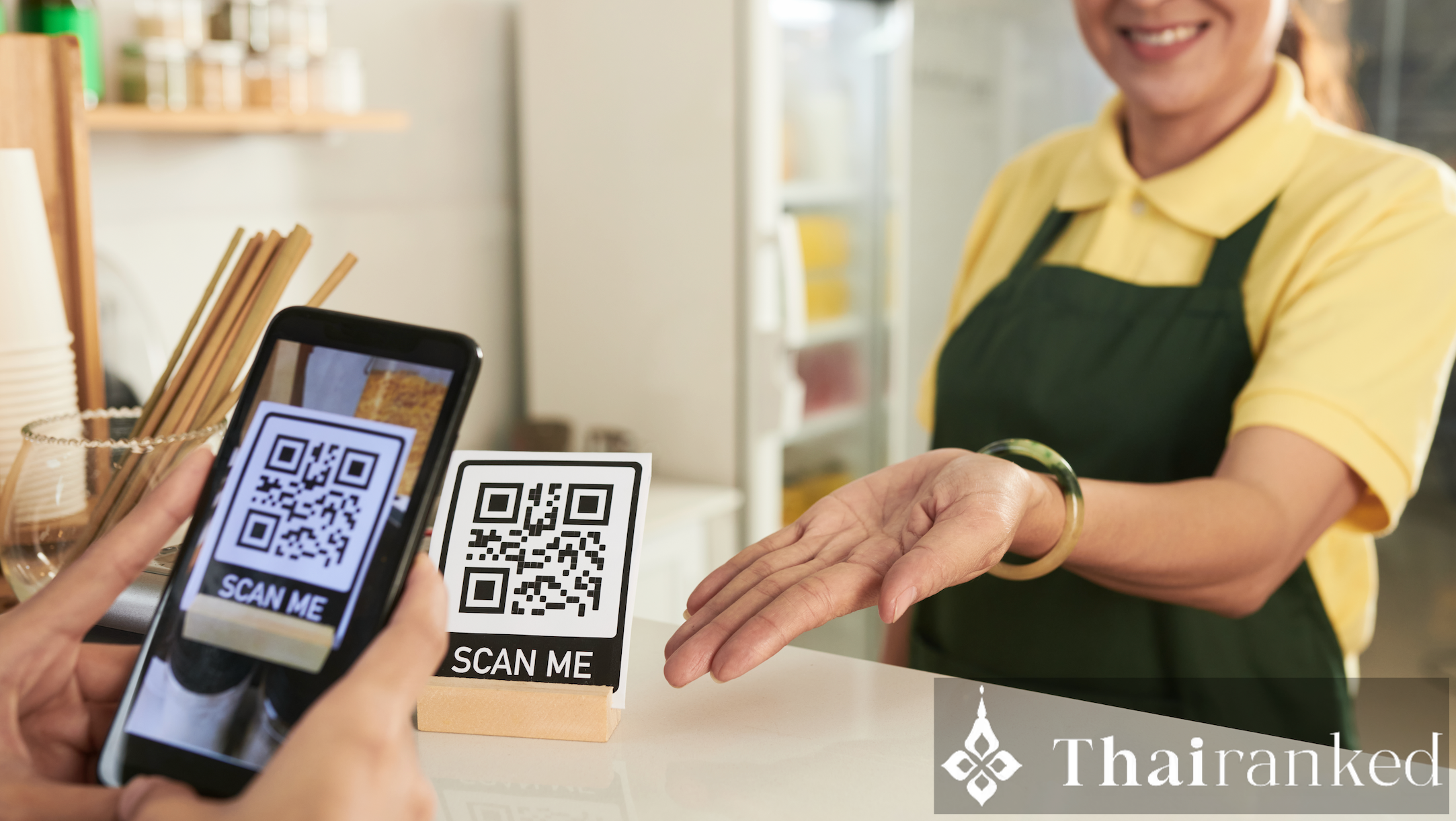
Foreigners visiting Thailand can now pay with PromptPay QR codes using the PAY&TOUR Prepaid Card from Kasikornbank and TAGTHAi.
Discover the advantages and challenges of visiting Thailand in May. Includes weather tips, crowd insights, and best activities for this unique month.
Wondering if Thailand is safe? Get honest, practical advice on crime, scams, health risks, natural hazards, and local etiquette for tourists in Thailand.

Master the art of backpacking Thailand: routes, costs, hostels, transport & must-see spots from north to south. Expert tips for an epic journey in 2026.
What people ask about
"Cash vs Card in Thailand: What Really Works in 2026"
Here you will find answer to the most popular questions.