Ultimate Backpacking Guide Across Thailand
April 23, 2026 09:16 AM
Last edited: April 23, 2026

by Thairanked Guide
Thairanked helps you discover great places in Thailand!
Search Hotels & Flights
Why Backpack Thailand?
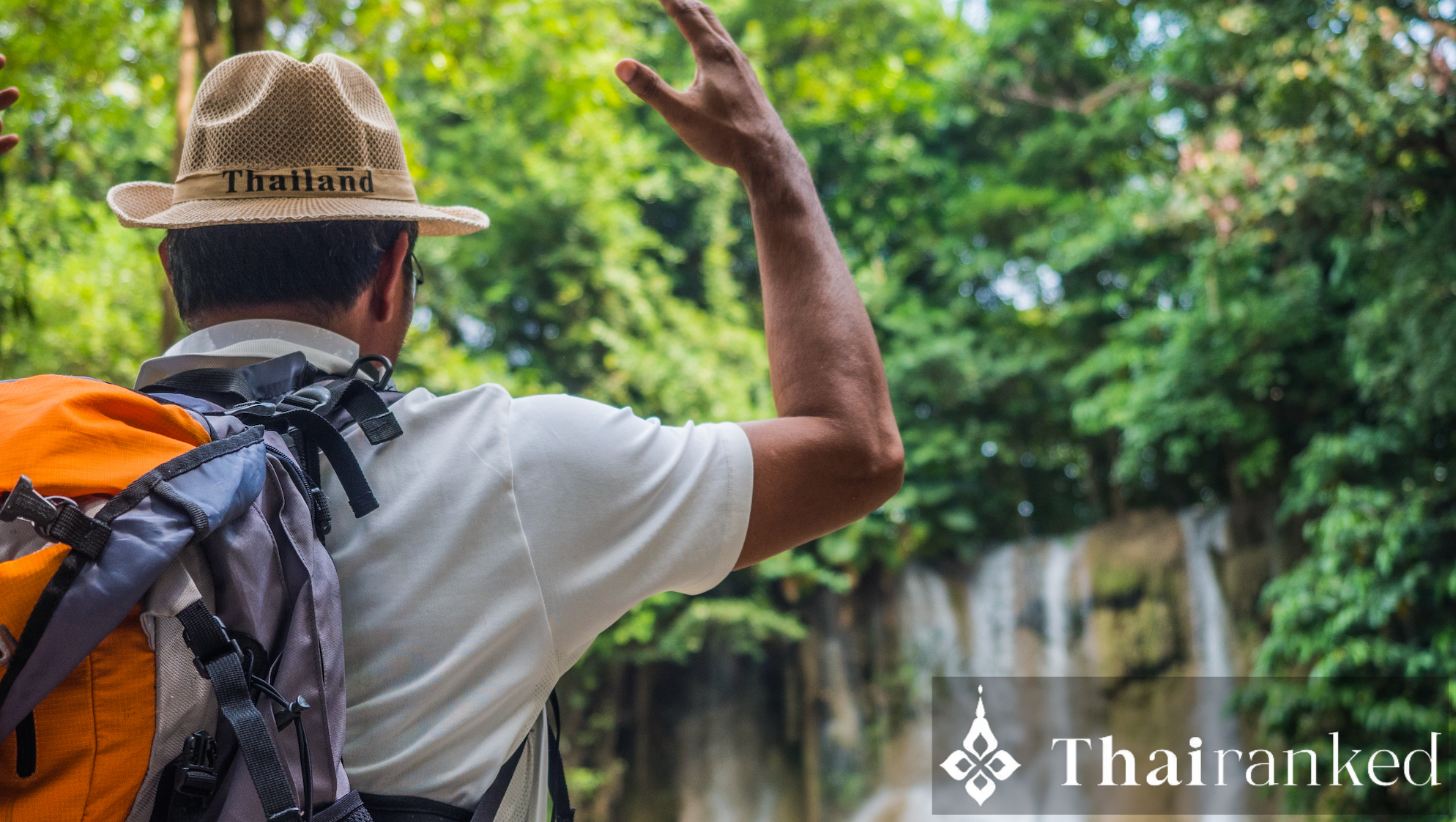
Thailand draws backpackers for a reason. Every region has something unforgettable: the hills of Chiang Mai, the energy of Bangkok, the islands of the south. Travel remains affordable, the food excites your taste buds, and Thai hospitality welcomes you at every stop. Ancient temples, street food adventures, and a transport network that reaches every corner mean you can build the kind of trip that fits your pace and personality.
Planning Your Route: North to South or Reverse?
Most backpackers choose between two classic routes:
- Bangkok north to Chiang Mai, then looping east or west, followed by south to the islands
- The southern beaches first, then working up to Chiang Mai via Bangkok
Starting in Bangkok gives you a launchpad, with cheap flights, trains, and buses out in every direction. Heading north gets you to mountainous national parks and historic cities. Going south puts you on beaches or at epic parties faster.
Sample One-Month Route
- Days 1–4: Bangkok – Street food, night markets, museums, and temples
- Days 5–10: North (Chiang Mai, Pai) – Hiking, elephants, chill cafes
- Days 11–15: Sukhothai, Ayutthaya – Ancient ruins, bicycle tours
- Days 16–18: Back to Bangkok or direct south (overnight train/bus)
- Days 19–28: South (Krabi, Koh Phi Phi, Koh Lanta, Koh Samui, Koh Tao) – Beaches, snorkeling, boat parties
Tight on time? Skip Sukhothai or narrow your island list. Extended trip? Branch into Isaan or venture west into Kanchanaburi for WWII history at Hellfire Pass.
Getting Around: Trains, Buses, Boats & Budget Flights
Trains
The State Railway of Thailand connects all major cities. For the best experience, book a second-class sleeper on overnight routes between Bangkok and Chiang Mai or Surat Thani (gateway to the southern islands).
Buses
Thailand’s bus network covers everywhere trains don’t reach. VIP and first-class coaches are worth the upgrade for longer journeys. Grab your seat at Bangkok’s Mo Chit or Southern bus terminal for rides to Chiang Mai, Phuket, Pattaya, or even the border with Cambodia.
Budget Airlines
Domestic flights can be cheaper than overland travel if you book early and travel light. AirAsia and Nok Air often run flash sales for routes like Bangkok–Chiang Mai or Bangkok–Krabi.
Ferries & Island Hopping
The Gulf and Andaman coasts have reliable ferry links. Buy tickets at the pier or book online for peace of mind. Watch out for seasonal weather that affects schedules, especially during the rainy season.
Scooter & Motorbike Rental
Many backpackers rent scooters in places like Chiang Mai, Pai, or the islands. Bring your valid license with an International Driving Permit. Always wear a helmet, as Thai police enforce fines. For safe rentals in major party towns, see our guide to Pattaya's motorbike rentals.
Essential Backpacker Destinations
- Bangkok: The classic backpacker base. Explore Khao San Road, hidden markets, rooftop bars, the Grand Palace, and food alleys.
- Chiang Mai: Mountain temples, night bazaars, elephant sanctuaries. Stay for the flower festivals or lantern events like Yi Peng (see our festival guide).
- Pai: Laid-back vibe, waterfalls, rice paddies, and live music at bamboo bars. Northern Thailand’s backpacker retreat.
- Ayutthaya & Sukhothai: Explore ancient capitals by bicycle, tracing centuries of Thai history through stunning ruins.
- Krabi & Railay: Dramatic limestone cliffs, beach parties, island tours.
- Koh Phi Phi: Snorkeling, hiking viewpoints, and wild nightlife.
- Koh Samui, Koh Tao, Koh Phangan: Each has a different scene, from Full Moon parties on Phangan (Full Moon guide) to chilled diving sessions on Tao.
Where to Stay: Hostels, Guesthouses, & Cheap Hotels
Thailand’s hostel scene sits among Asia’s finest. Social hostels line Khao San Road’s side streets, while quiet boutique guesthouses wait in the Old City of Chiang Mai or riverside towns. On the islands, expect everything from hammock hostels to party hostels or affordable beach bungalows.
Popular booking sites work, but you can also walk in and negotiate. Dorm beds in Bangkok or Chiang Mai start at 150–300 baht, while private rooms in budget hotels range from 400–800 baht. Beach bungalows can go higher during peak season.
Near airports, check our lists for Don Mueang budget hotels in Bangkok or Suvarnabhumi options.
Cost Breakdown: Daily Spend for Backpackers
| Expense | Low-End (THB) | Mid-Range (THB) |
|---|---|---|
| Bed (dorm/guesthouse) | 150–300 | 400–800 |
| Food (street/local) | 50–120 | 150–300 |
| Transport (intercity/local) | 80–300 | 400–1000 |
| Attractions | Free–200 | 200–500 |
| Drinks/nightlife | 50–300 | 500+ |
You can backpack on 600–1,000 baht per day with basic comforts, or stretch further with street food and shared rooms. Big activities like diving, cooking classes, or Muay Thai lessons cost extra.
Street Food & Must-Try Dishes
No trip is complete without street food: pad thai, mango sticky rice, som tam (papaya salad), grilled chicken (gai yang), or northern khaosoi. Fans of heat need to try spicy southern Thai dishes. Vegan and veggie options keep growing, even in regional towns.
Staying Safe: Common Scams & Health Tips
Thailand feels safer than most backpacker meccas, especially for solo travelers. Still, keep your bag close on overnight buses, and don’t leave valuables in scooter compartments. Watch for common scams—rigged taxi meters, ticket touts, and fake gem shops near tourist hotspots. Always count your change.
During festivals, especially Songkran, water gets everywhere, so protect your electronics and carry small bills. Stay hydrated and check air quality during burning season (see our air pollution apps guide).
Must-See Festivals for Backpackers
- Loi Krathong & Yi Peng – Chiang Mai and Sukhothai light up with lanterns and floats
- Full Moon Party – Thailand’s legendary beach rave
- Songkran – Nationwide water fights every April
Festivals fill beds fast, so book hostels ahead or arrive early. Festivals mix locals with travelers in ways no regular party can match.
Backpacking Gear: What to Pack
- 30–50L backpack (carry-on sized)
- Light clothing, swimsuit, rain jacket
- Sandals, shoes for urban exploring
- Refillable water bottle, power bank
- Copies of passport and documents (digital + paper)
- Travel insurance (required by many hospitals)
- Quick-dry towel, basic pharmacy kit
- Reusable tote for market snacks
Dress respectfully at temples. Shoulders and knees need to stay covered in sacred spaces.
Tips for Solo Travelers
- Hostel common rooms help you meet friends fast. Try city walking tours or cooking classes.
- Plan key transport segments in advance during high season, but keep space for spur-of-the-moment ideas.
- Use a local SIM or eSIM for map apps and rideshares. 7-Eleven and street stalls sell starter packs everywhere.
- Don’t leave your flip-flops and towel behind at beach hostels—label them or store them inside your locker.
Travel Etiquette & Responsible Backpacking
Avoid tiger selfies, elephant rides, or animal shows. Ethically-run sanctuaries and community-based tours exist, especially in northern Thailand. Dispose of trash properly and skip single-use plastics when possible. Respect local customs and be aware of regional differences in language and gestures.
Want to make a difference? See our primer on volunteering in Thailand.
Key takeaways
- Move north to south (or reverse) for the classic backpacker journey
- Use trains, buses, boats, and domestic flights to connect regions
- Stay in hostels, guesthouses, and bungalows for the best backpacker experience
- Enjoy local food, markets, and epic festivals for travel memories you can’t buy
- Keep gear light and dress respectfully in religious sites
- Book ahead during major festivals and island full moon parties
by Thairanked Guide
Thairanked helps you discover great places in Thailand!
Search Hotels & Flights
Related Insights
Plan your Thailand trip with this practical breakdown of Bangkok costs. Accommodation, food, transport, attractions, and tips for every budget in one guide.
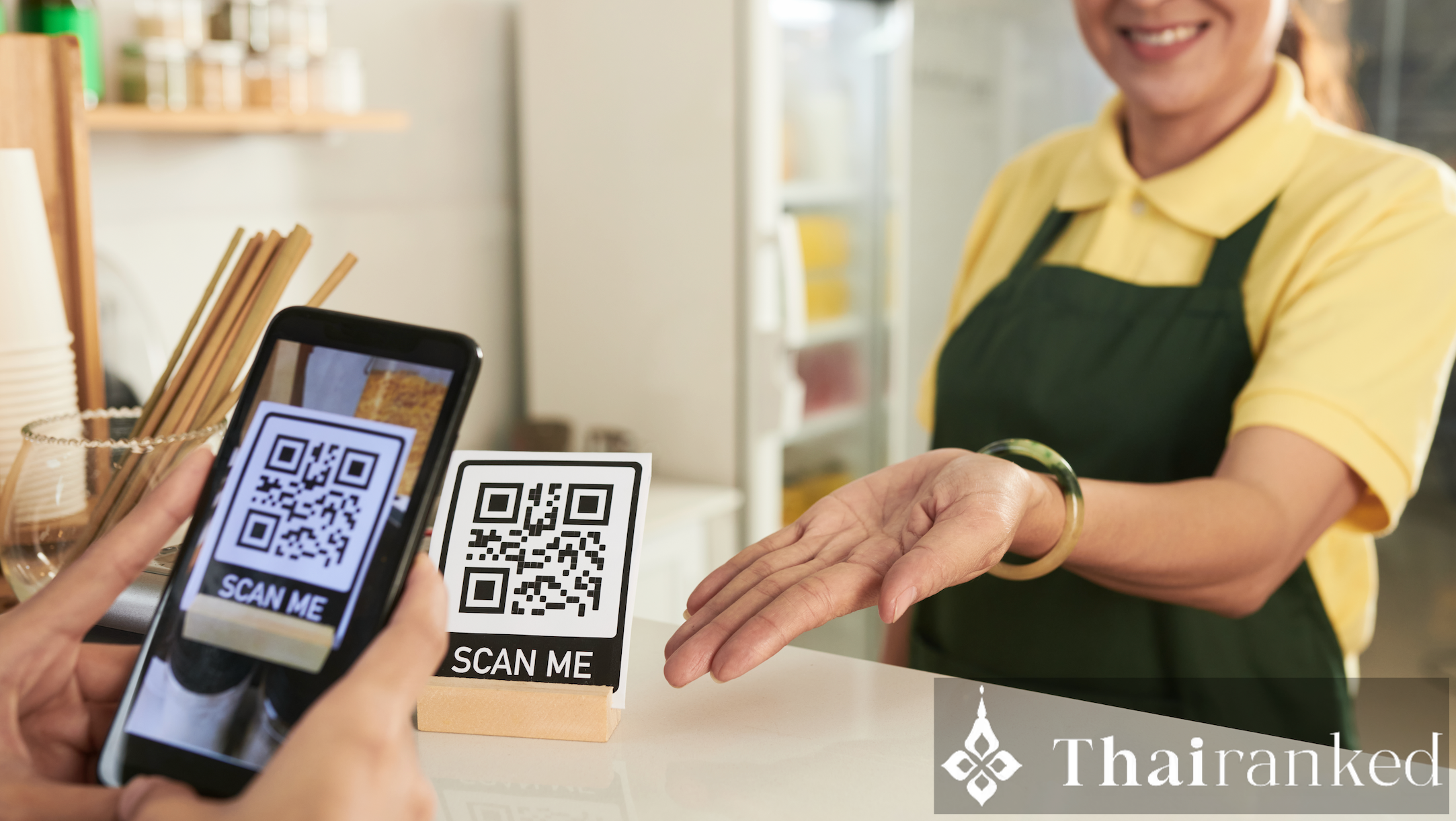
Foreigners visiting Thailand can now pay with PromptPay QR codes using the PAY&TOUR Prepaid Card from Kasikornbank and TAGTHAi.
Discover the advantages and challenges of visiting Thailand in May. Includes weather tips, crowd insights, and best activities for this unique month.
Wondering if Thailand is safe? Get honest, practical advice on crime, scams, health risks, natural hazards, and local etiquette for tourists in Thailand.
Wondering if you need travel insurance in Thailand? Here’s what coverage gets you, what risks you face, and practical tips for a smooth trip.
What people ask about
"Ultimate Backpacking Guide Across Thailand"
Here you will find answer to the most popular questions.