Is Thailand Safe for Tourists? What Visitors Need to Know
April 23, 2026 09:36 AM
Last edited: April 23, 2026

by Thairanked Guide
Thairanked helps you discover great places in Thailand!
Search Hotels & Flights
Thailand Safety: The Essentials
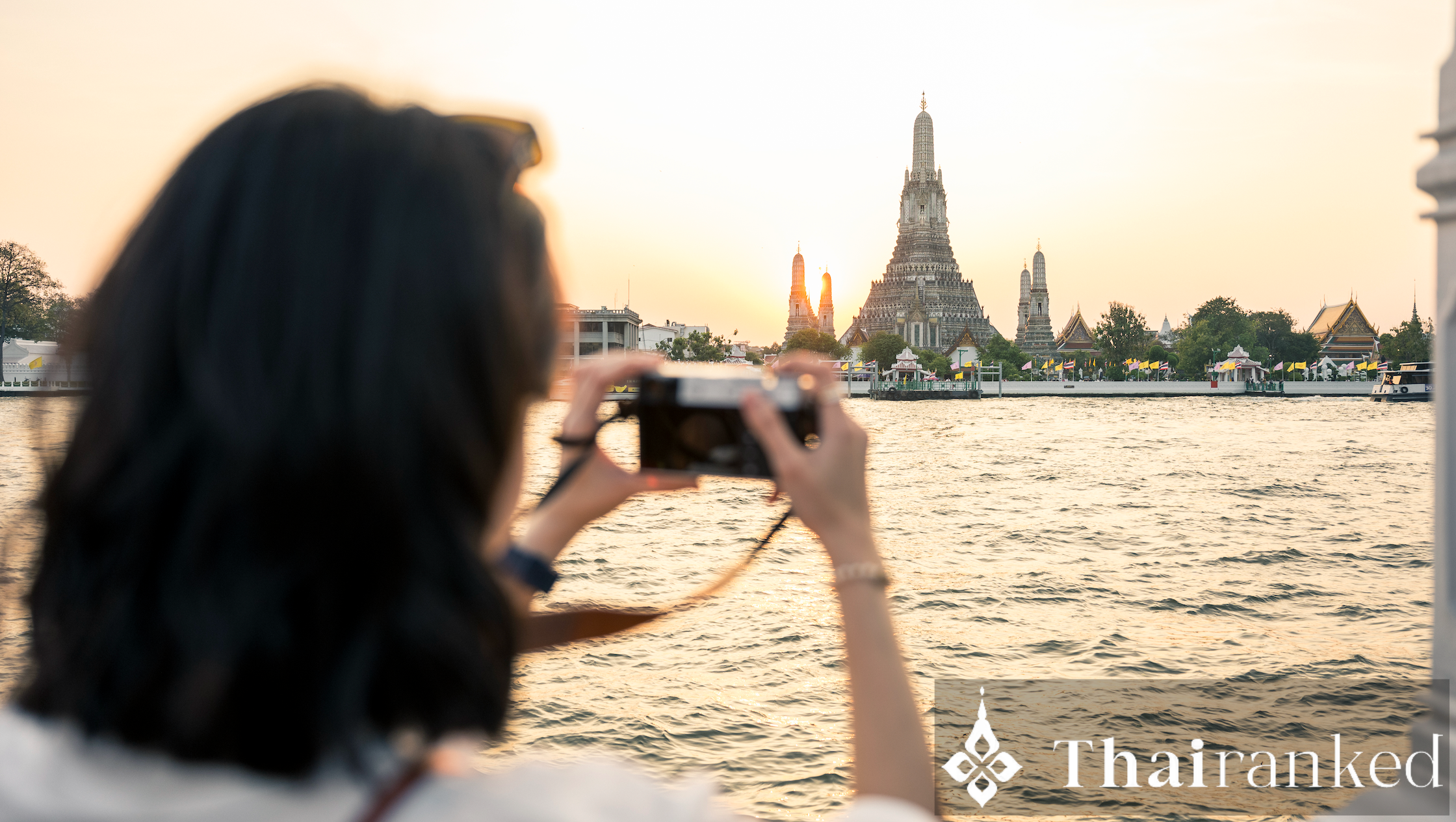
Thailand has drawn travelers for generations. The mix of ancient temples, wild street markets, epic beaches, and world-class food keeps visitors coming back. But whether you’re eyeing a quick holiday or a long stay, questions about safety always come up. Is Thailand safe for tourists?
Forget marketing slogans and look at what travelers notice on the ground: crime, scams, health risks, transport, and street culture.
Crime in Thailand: How Bad Is It?
Thailand offers a level of public safety that most visitors find comfortable. Petty theft happens in tourist-heavy places, but violent crime against foreigners remains rare. In Bangkok, Chiang Mai, Phuket, and Pattaya, backpackers and luxury tourists walk the streets at all hours. Still, staying alert helps, especially in busy markets and on public transport.
- Pickpocketing: Watch your bags, especially at night markets or on crowded BTS/MRT trains.
- Bag snatching: Motorbike thieves operate in tourist spots. Hold your crossbody bag on the inside away from the street.
- Violent crime: Fights in nightlife zones sometimes make headlines, but most incidents stay local and rarely involve tourists who avoid trouble.
Police presence runs strong in tourist districts. If you lose a passport or need help, go to a tourist police station. Carry a digital or paper copy of your passport for police checks.
Common Scams: Know Them, Dodge Them
Scammers target newcomers in big cities and around famous attractions. Most try to take your money through:
- Rigged taxi meters or non-metered rides
- Tour agencies with surprise fees
- The classic “Grand Palace closed” lie around Bangkok’s Grand Palace
- Gems, tailors, or tuk-tuk “discount” trips that lead to overpriced shops
Use Grab or Bolt ride apps for taxis when possible, especially in Bangkok. For tours and tickets, reputable online booking sites and hotel desks add a layer of security. Read our transport survival tips for Bangkok if you plan to move around during big festivals or busy periods. Consider booking your city experiences through Get Your Guide for vetted activities and tours.
Transport Safety: Getting Around
Thailand’s reputation for road accidents goes beyond rumor. Roads turn slick in the rainy season, and local driving styles take getting used to. Motorbikes have the worst statistics. Don’t rent a bike unless you hold a license back home, or insurance won’t cover it. Seatbelts, alertness, and keeping personal items close count when taking taxis or tuk-tuks.
- Check out the top motorbike rental shops in Pattaya. They cater to foreign license holders and offer helmets that meet safety standards.
- The BTS/MRT in Bangkok gives a safe way to skip traffic and avoid chaotic roads. Night buses and local trains provide options outside of the capital too, though at a slower pace.
- If you want to explore more, our Ultimate Backpacking Guide Across Thailand covers routes, safety, and planning tips.
Health & Hygiene: What Tourists Face
Thailand’s medical infrastructure stands out in the region. Hospitals in cities and tourist areas meet global standards, and clinics abound for smaller needs. Street food concerns many travelers, but major foodborne illness outbreaks stay rare. Eat where locals eat, and avoid food left out in the heat too long.
Mosquito-borne illnesses,dengue being the main threat,spike in the rainy months. Pack or buy repellent. Pharmacies sell quality brands, and you’ll spot coils and sprays in most expat homes.
Stay hydrated, skip ice from questionable stalls, and don’t drink tap water. Hotels, hostels, and cafes always provide bottled or filtered options.
For more about hospitals, costs, and service expectations, check our guide on medical tourism here.
Natural Hazards & Environment
Thailand faces floods in the wet season (June–October). Air pollution from regional fires surges in the north and northeast from February to April. Urban waterlogging can shut down roads for a few hours but rarely strands tourists long. On the coast, jellyfish stings and rip currents, though rare, deserve attention if you travel with children.
- For fresh air escapes, see our clean air destinations in Thailand.
- To stay ahead of weather emergencies, follow local news or join city-focused Facebook groups. Thais update quickly during storms.
- Plan an outdoor trip in February? Check our National Parks to Visit in Thailand in February for clean air, scenic trails, and wildlife spots.
Traditional Culture & Etiquette: Avoid Trouble
Respecting local customs leads to smoother travels. In temples, cover shoulders and knees, and remove shoes. Women shouldn’t touch monks. Heated debates about the monarchy or politics in public places bring legal risks. Even if you hear Thais discuss such topics, keep your opinions private. Learn basic Thai greetings and respect the wai (palms-pressed) gesture.
Alcohol laws matter. Bars close earlier in some places than you might expect, and all-night parties outside festivals stay rare. Election days bring strict alcohol sales bans. Check our guide to dry weekends and public holiday alcohol bans.
Late-night action on Khaosan Road and Chiang Mai’s night markets feels welcoming. Still, use good sense if you wander unfamiliar alleys or meet new friends after dark.
Helpful Local Resources
Tourist police answer calls in English at 1155. Hospital and embassy details show up on Google Maps. Thailand’s pharmacies give advice if you get sick or hurt. Major stations and police boxes now post QR codes and placards for real-time translation help.
Get a local SIM card to stay connected. Data plans are cheap, and most shops accept QR code or card payments. Check out our internet guide for tips on staying connected across the country.
Summary: Is Thailand Safe for You?
Most travelers experience little more than itchy bug bites or the odd awkward moment. Watch your belongings, stick to well-reviewed tours and taxis, and respect the local code of conduct. Every travel destination has issues, but the genuine hospitality, reliable care, and friendly crowd keep Thailand high on travel wishlists year after year.
Key takeaways
- Violent crime against tourists stays rare, but petty theft and scams happen in busy spots
- Stay alert on transport, especially with taxis and motorbike rentals
- Eat at busy stalls and avoid drinking tap water
- Follow local etiquette and respect laws, especially in temples and during elections
- Use local resources such as tourist police, embassies, and pharmacies for updates
Search Hotels & Flights
Related Insights

Compare IMAX, ScreenX, and 4DX in Thailand. Learn how each format handles screen, sound, motion, and scent, and pick the best cinema experience for your next movie night.
Discover why 7-Eleven dominates Thailand through CP All's strategy, urban convenience, local demand, and innovative everyday services.
Planning to get a tattoo in Thailand? Learn how to choose the right tattoo studio with expert tips on artists, hygiene, pricing, and aftercare.
Compare Koh Samui and Koh Phangan for beaches, nightlife, costs, transport and family friendly options. Tips for travelers, couples, and digital nomads.

Decide whether to live near the BTS or MRT in Bangkok. Practical guide on commute, amenities, noise, air quality, and how to choose a condo or house.
What people ask about
"Is Thailand Safe for Tourists? What Visitors Need to Know"
Here you will find answers to the most popular questions about Thailand.