7 Budget-Neuansätze für Thailand-Expats im Jahr 2026: Rechnungen, Bankwesen und kostensparende Tauschgeschäfte
January 04, 2026 03:33 AM
Senken Sie Ihre Lebenshaltungskosten in Thailand im Jahr 2026. Sieben praktische Budgetanpassungen für Expats, von Mobilfunkplänen und Bankdienstleistungen bis hin zu Transport, Versorgungsunternehmen, Märkten und Abonnements.


by Thairanked Guide
Thairanked helps you discover great places in Thailand!
Inhaltsverzeichnis
1. Wechseln Sie zu einem intelligenten Mobilfunktarif oder eSIM
2. Beheben Sie Ihren Bankstapel und beseitigen Sie Gebühren
3. Überdenken Sie Ihre Miete: Standort, Mietvertrag und Einschlüsse
4. Verschwendung von Internet und Versorgungsdienstleistungen zu Hause reduzieren
5. Nutzen Sie smartere Pendelmöglichkeiten mit multimodalen Optionen
6. Essen wie ein Einheimischer: Märkte, Grundnahrungsmittel in großen Mengen und Wasserauffüllungen
7. Abonnements, Versicherungen und Lifestyle-Zusatzleistungen prüfen
Hotels & Flüge suchen
Das könnte Ihnen gefallen










Inhaltsverzeichnis
1. Wechseln Sie zu einem intelligenten Mobilfunktarif oder eSIM
2. Beheben Sie Ihren Bankstapel und beseitigen Sie Gebühren
3. Überdenken Sie Ihre Miete: Standort, Mietvertrag und Einschlüsse
4. Verschwendung von Internet und Versorgungsdienstleistungen zu Hause reduzieren
5. Nutzen Sie smartere Pendelmöglichkeiten mit multimodalen Optionen
6. Essen wie ein Einheimischer: Märkte, Grundnahrungsmittel in großen Mengen und Wasserauffüllungen
7. Abonnements, Versicherungen und Lifestyle-Zusatzleistungen prüfen
Neues Jahr, neues Budget. Wenn Sie langfristig in Thailand leben, können kleine monatliche Anpassungen zu Tausenden von gesparten Baht im Jahr 2026 führen. Dieser Leitfaden konzentriert sich auf realistische Tauschangebote, die zum Leben von Expats in Bangkok, Chiang Mai, Phuket, Pattaya und darüber hinaus passen, und hilft Ihnen, wiederkehrende Rechnungen zu senken, ohne auf Komfort zu verzichten. Wir werden zuerst die großen Hebel – Mobilfunktarife und Banken – behandeln und dann zu täglichen Einsparungen wie Transport, Versorgungsleistungen, Lebensmittel und Abonnements übergehen. Jeder "Reset" ist umsetzbar, thailand-spezifisch und freundlich sowohl für Stadt- als auch für Provinzlebensstile.
Mobile Daten sind der Bereich, in dem viele Expats unbemerkt zu viel ausgeben, insbesondere bei althergebrachten Postpaid-Tarifen. Viele der günstigsten Einsparungen ergeben sich aus der Überprüfung Ihrer tatsächlichen Nutzung und dem Wechsel zu einem besser passenden SIM- oder eSIM-Paket. Wenn Sie sich nicht sicher sind, wo Sie anfangen sollen, wird Ihnen unser schneller Leitfaden helfen, die Optionen in Minuten zu vergleichen: Leitfaden zu SIM-Karten oder eSIMs in Thailand (Update 2025). Von dort aus können Sie weitere Einsparungen hinzufügen: Zahlen Sie inländische Rechnungen per QR, vermeiden Sie versteckte Bankgebühren, tauschen Sie einige Zugfahrten gegen Busse oder Kanalboote und erneuern Sie Ihre Einkaufgewohnheiten mit marktfrischem Einkaufen. Indem Sie das, was Sie am meisten nutzen, priorisieren, werden Sie die Einsparungen sofort spüren und sie das ganze Jahr über aufrechterhalten.

1. Wechseln Sie zu einem intelligenten Mobilfunktarif oder eSIM
Hören Sie auf, für Daten zu viel zu bezahlen, die Sie nicht nutzen.

Highlight
2. Beheben Sie Ihren Bankstapel und beseitigen Sie Gebühren
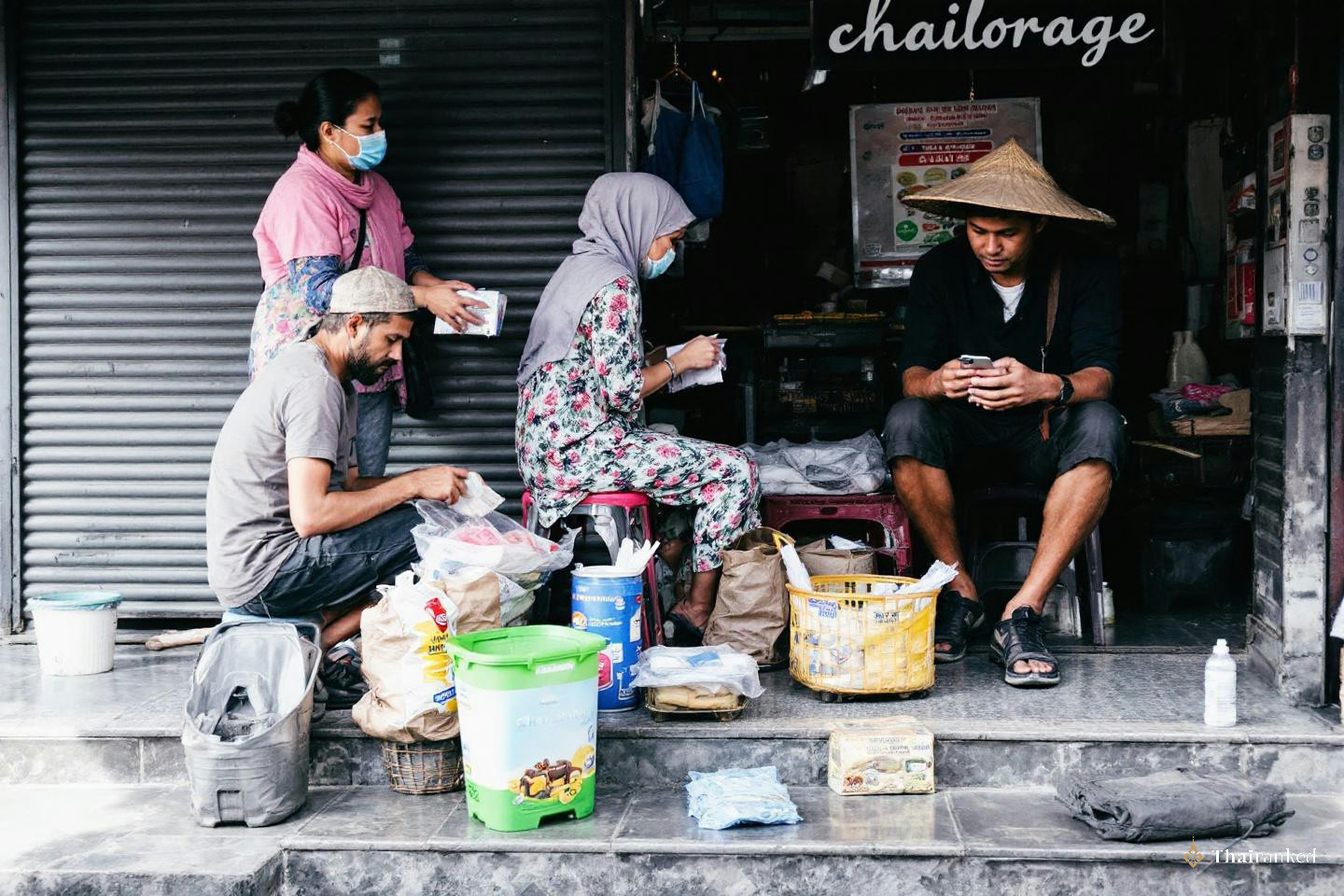
Machen Sie PromptPay zu Ihrem Standard, vermeiden Sie DCC- und Geldautomatengebühren.
Highlight
3. Überdenken Sie Ihre Miete: Standort, Mietvertrag und Einschlüsse
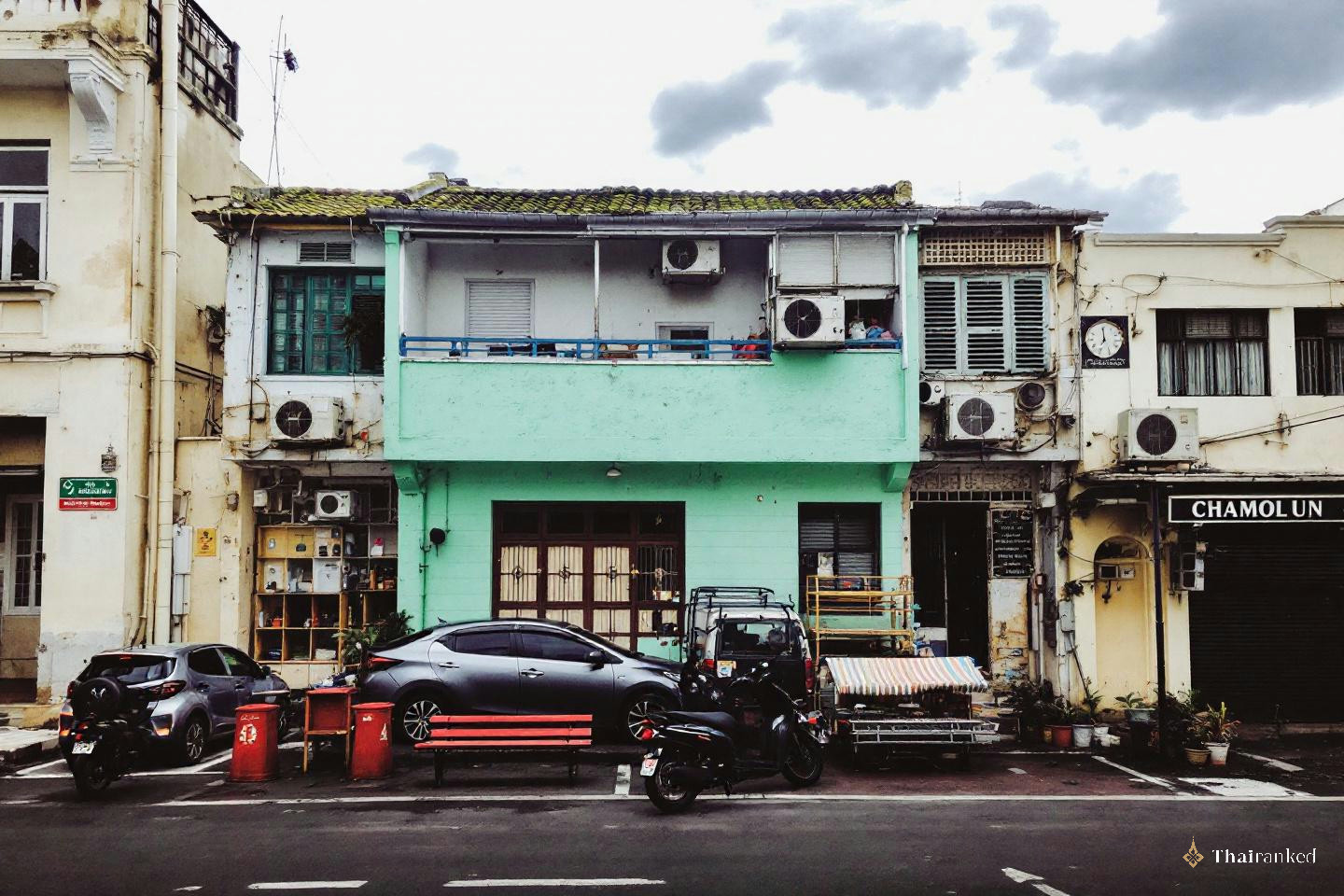
Gehen Sie einen Halt weiter, verhandeln Sie und bündeln Sie clever.
Highlight
Siehe auch
4. Verschwendung von Internet und Versorgungsdienstleistungen zu Hause reduzieren
Retention-Angebote, Geschwindigkeiten anpassen und AC-Disziplin

Highlight
Heimfaser ist hyper- wettbewerbsfähig. Rufen Sie einmal im Jahr die Rückhaltelinie Ihres Anbieters an und fragen Sie nach den aktuellen Aktionspreisen; Einstiegs-Geschwindigkeiten für Glasfaser kosten häufig weit weniger als herkömmliche Tarife. Vermeiden Sie es, für redundante Geschwindigkeiten zu zahlen, wenn Sie hauptsächlich browsen, HD streamen und Videoanrufe tätigen. Platzieren Sie Ihren Router zentral und auf einem Regal für besseres Wi‑Fi, um der Versuchung zu widerstehen, die Geschwindigkeit zu erhöhen. Stellen Sie die Klimaanlage auf 26–27°C ein, reinigen Sie die Filter monatlich, verwenden Sie Ventilatoren, um die kühle Luft zu verteilen, und schließen Sie Türen in ungenutzten Räumen. Wechseln Sie zu LED-Lampen und ziehen Sie inaktive elektronische Geräte den Stecker, um Phantomlasten zu reduzieren. Waschen Sie Wäsche in kaltem Wasser und lassen Sie sie, wenn möglich, an der Luft trocknen. Diese Anpassungen sind langweilig, aber zuverlässig, und im Gegensatz zu einmaligen Rabatten summieren sie sich auf jeder Rechnung.
5. Nutzen Sie smartere Pendelmöglichkeiten mit multimodalen Optionen
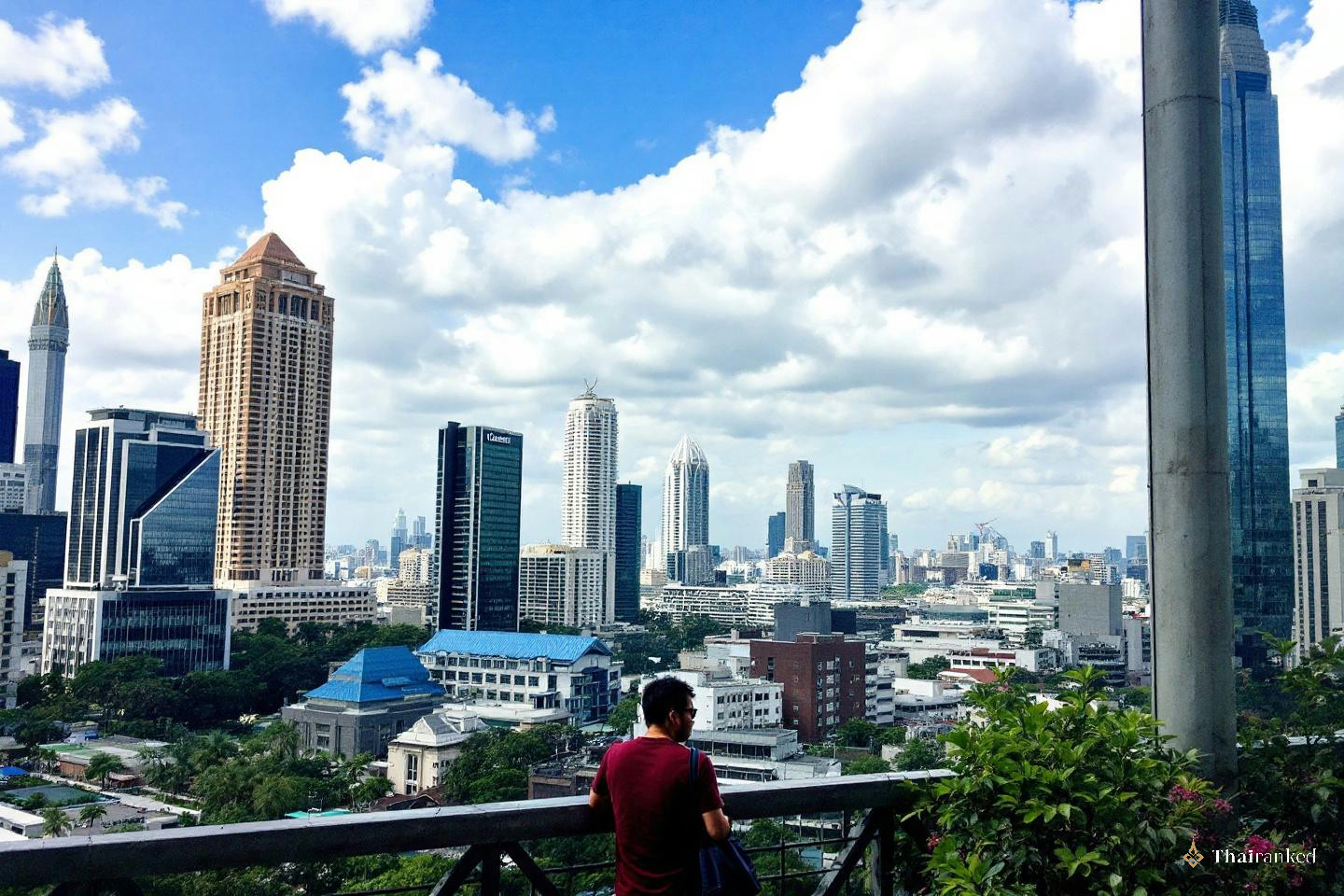
Nutze die Bahn, wenn es am schnellsten ist, Busse und Boote, wenn es am günstigsten ist.
Highlight
6. Essen wie ein Einheimischer: Märkte, Grundnahrungsmittel in großen Mengen und Wasserauffüllungen
Marktfirst-Shopping übertrifft Impulskäufe im Supermarkt

Highlight
7. Abonnements, Versicherungen und Lifestyle-Zusatzleistungen prüfen
Stornieren, konsolidieren und günstigere Standardoptionen wählen

Highlight
Betrachten Sie diese sieben Maßnahmen als eine jährliche Auffrischung für das Leben in Thailand. Beginnen Sie mit den wichtigsten Punkten – Mobilität, Bankwesen und Miete – und fügen Sie dann Anpassungen bei den Nebenkosten, multimodale Verkehrsmittel, marktgerechte Einkaufsgewohnheiten und eine Frühjahrsreinigung von Abonnements hinzu. Wenn Sie zwei Räder bevorzugen, studieren Sie Sicherheit, Versicherungen und faire Preise, bevor Sie umsteigen; unser Leitfaden, Der Ultimative Leitfaden zur Motorradvermietung, behandelt die wichtigsten Risiken und Einsparungen. Und wenn Sie im Jahr 2026 nach einem besseren Wohnungsangebot suchen, können Apps Ihre Suche beschleunigen; siehe Die Top 6 Wohnungsmiet-Apps in Thailand für Optionen in unterschiedlichen Preisklassen und Regionen.
Es geht nicht um Entbehrung, sondern um Ausrichtung: Zahlen Sie nur für das, was Sie tatsächlich nutzen, wählen Sie den günstigsten zuverlässigen Anbieter für jede Routine und verhandeln Sie einmal im Jahr neu. Wenn Sie das tun, wird Ihre Lebenshaltungskosten in Thailand natürlich sinken und mehr Baht für Reisen, Sprachkurse oder ein Wochenende am Strand übriglassen.
by Thairanked Guide
Thairanked helps you discover great places in Thailand!
Was Menschen fragen über
"7 Budget-Neuansätze für Thailand-Expats im Jahr 2026: Rechnungen, Bankwesen und kostensparende Tauschgeschäfte"
Hier findest du Antworten auf die beliebtesten Fragen über Thailand.