Why Thailand Has So Many 7-Elevens
July 23, 2026 09:55 AM
Last edited: July 23, 2026

by Thairanked Guide
Thairanked helps you discover great places in Thailand!
Search Hotels & Flights




Why Thailand Has So Many 7-Elevens
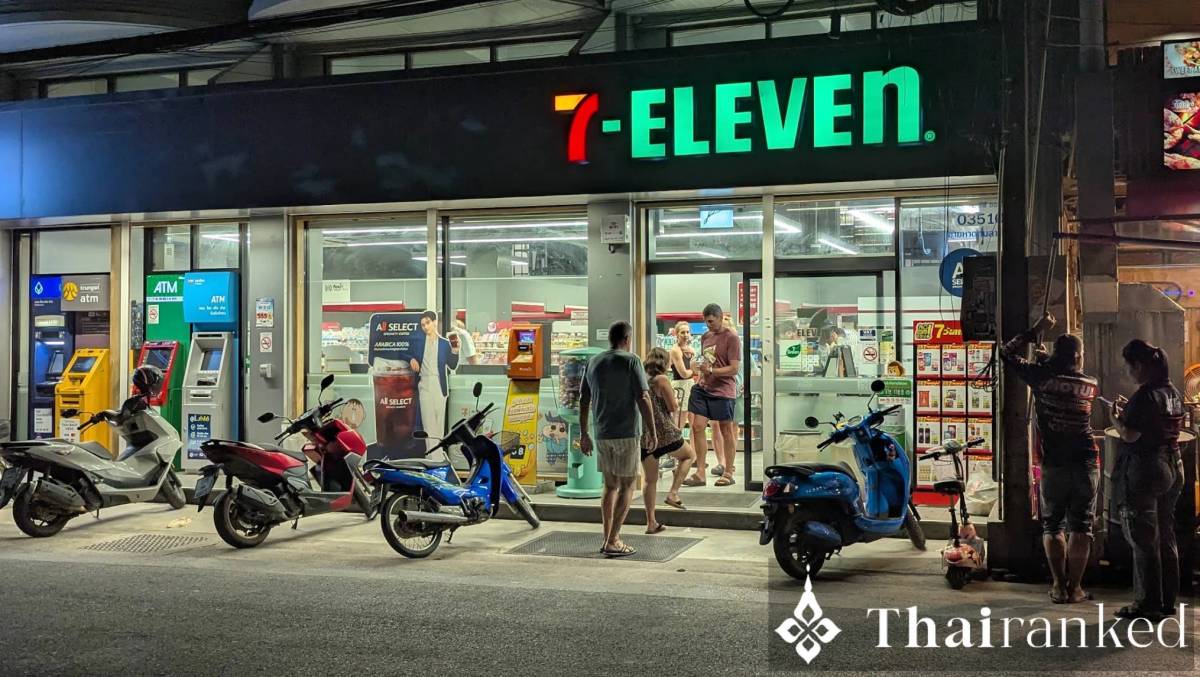
You notice a 7-Eleven on almost every city block in Thailand, and you wonder why. Convenience stores fit the Thai daily routine, local business laws encourage dense networks, and one franchise partner scaled the brand with services that reach beyond snacks. This article explains the history, business choices, and cultural habits that keep 7-Eleven at the center of Thai life.
From a single brand to a nationwide habit
CP All operates the 7-Eleven franchise in Thailand, and the company expanded aggressively across urban and rural areas. CP All opened stores in neighborhoods, office districts, transit hubs, and villages. The chain placed outlets where people already moved, and that placement created habit. You shop there for morning coffee, midday lunch, late-night snacks, and last-minute items before a trip.
Services that make stores indispensable
Store operators added services that transform a convenience store into a one-stop station for daily needs. You can pay utility bills, load a travel card, pick up parcels, buy prepaid phone credit, and use ATMs. These services make each location more than a retail outlet, they make it a local service hub. Tourists find these shops useful for basic needs on arrival, and expats use them for routine tasks, so stores attract many types of customers.
Urban design, transit, and the walkable city
Thai cities favor short trips on foot, motorcycle, or public transport. Developers placed small plots for retail along narrow streets, and business owners filled those plots with convenience stores. You walk from an apartment to a 7-Eleven in minutes, and you stop there instead of making a longer supermarket trip. That behavior increases foot traffic, and stores recoup costs on small high-turnover items.
Work shifts, nightlife, and round-the-clock demand
Workers on night shifts, gig economy drivers, and late-night diners need food and services outside supermarket hours. 24-hour store hours meet that demand. Police officers, hospital staff, and hospitality workers buy ready meals at odd hours. Tourists arriving late use those stores for essentials. Operators keep stores open to capture steady demand across the entire day.
Franchise model and local entrepreneurs
Franchise agreements allowed local entrepreneurs to buy into the brand and run stores with support from a central supply chain. Local owners made adjustments to product mixes, and that flexibility helped stores match neighborhood tastes. Franchising spread risk across many small operators, and that structure accelerated store openings across provinces.
Product assortment, private labels, and hot food
7-Eleven stocked Thai convenience foods that you recognize instantly, from boxed rice dishes to grilled snacks and fresh coffee. Operators created private label snacks and ready meals that cut costs and increase margins. Heated food displays and in-store microwaves let staff serve hot meals, and that service competes with street vendors and small restaurants. A quick meal at a cooler indoor spot appeals to commuters and students.
Payment systems and partnerships
Retailers partnered with banks, telcos, and logistics providers to integrate payments and services. You pay bills at the counter, and you collect delivery orders there. That integration kept cash flowing through stores and increased transaction frequency. Companies used convenience stores to extend their networks into neighborhoods without building new branches.
Regulatory factors and business environment
Local regulations allowed small-format retail to thrive. City zoning often permits retail on ground floors of mixed use buildings, and small plots offer affordable rent for compact stores. Local licensing procedures allowed entrepreneurs to open a retail outlet with lower overhead compared with a full supermarket. Those conditions encouraged dense clustering of stores around transport nodes and markets.
Competition and innovation
7-Eleven faced competition from small grocery shops and local chains, and that pressure drove constant innovation. Stores added cold brew coffee, ready-to-eat breakfast, and seasonal products to hold customer attention. Managers tested new formats, including kiosks inside malls and compact outlets near transit. That experimentation kept the brand relevant across different neighborhoods and customer groups.
Local buying habits and small-basket shopping
Thai households often purchase food and daily goods in small amounts several times per week. You buy fresh ingredients on market days, and you pick up staples at a nearby store between market visits. That pattern favors stores that sell single-serve items, snack portions, and ready meals. Convenience stores designed shelves for these needs, and customer habits reinforced the business model.
Tourism, festivals, and one-stop needs
Visitors need easy access to water, sunscreen, phone top-up, and cash. Festival crowds and tourist spots created spikes in demand that stores served. You find a 7-Eleven near major temples, transit hubs, and beach towns. That placement made the brand visible to international visitors, and tourists spread word that convenience stores provide reliable basic supplies across the country. If you plan travel, consult our festival guide for timing, and use local stores to pick up essentials during celebrations.
Technology and inventory management
Centralized distribution centers moved stock to stores with tight inventory control, and that system prevented frequent out-of-stock events. Store managers reorder fast-moving items, and suppliers supply promotional products on schedule. This consistency makes customers return, because you expect to find basic items whenever you visit.
Why neighborhoods keep getting new stores
Economics explains expansion. Store owners calculate profit from high frequency, not large carts. Small purchases add up when many people shop multiple times per day. Developers lease small retail units at street level, and brands fill those units quickly. The result creates visible density, especially in dense districts where demand stays constant.
What this means for travelers and residents
You can use convenience stores as budget stops, emergency shops, and quick food outlets. You can pay local bills, buy bus tickets in some places, and pick up courier parcels. Use stores to get cash from ATMs, and check the front counter if you need a simple tourist SIM card. If you want longer shopping trips, plan a visit to a supermarket or local market for fresh produce and larger selections. Read our guide on getting to Chiang Mai if you travel between cities and want packing tips that include what to buy at a store near the station.
How to use a Thai 7-Eleven like a local
- Buy ready-to-eat meals labeled with reheating instructions.
- Ask the cashier to top up your travel card or mobile credit.
- Use the store counter to pay utility bills or send online payments.
- Look for parcel lockers or collection points if you ordered from local sellers.
- Check the hot food counter for breakfast items during morning hours.
These simple actions save time and reduce the need to search for separate services. You use one place for multiple tasks, and that use explains why stores remain central to Thai urban life.
Common misconceptions
People assume convenience stores replace traditional markets. Markets remain vital for fresh produce and social life. Convenience stores complement markets by offering packaged goods and immediate services. You still visit fresh markets for vegetables, and you stop at a store for bottled water or a snack on the way home.
Environmental and social tradeoffs
High store density increases packaging waste and energy use from refrigeration. Local groups and brands started recycling initiatives and reusable cup promotions. You can support those efforts by bringing a refillable bottle or choosing products with less packaging. Governments and businesses balance convenience with waste management projects at the municipal level.
Key takeaways
- Convenience stores match Thai living patterns, providing food and services for short trips.
- Franchise growth, service partnerships, and local placement created store density across cities and towns.
- 7-Eleven functions as a service hub for bills, parcels, and payments, not only a snack shop.
- Use stores for quick needs while visiting markets or travelling between cities, check our guide to convenient areas in Bangkok for neighbourhood tips.
- Tourists will find reliable basics at stores near transit hubs, see Bangkok’s night markets for where to shop after a store stop.
Search Hotels & Flights
Related Insights
Learn how 7-Eleven stamps work in Thailand, how to collect and redeem M-Stamps, and what foreigners need to know about eligibility and promotions.

Step-by-step advice for dealing with taxi problems in Thailand, from refusing meters to scams, reporting complaints, and staying safe during and after a ride.

Learn how Thailand’s Tambon, Amphoe, and Province system works and how local government is organized across the country.

Learn how expats can tackle mold and humidity issues in Thai condos, from prevention and cleaning to local solutions and expert tips for rainy season living.

Discover the advantages and challenges of visiting Thailand in May. Includes weather tips, crowd insights, and best activities for this unique month.
What people ask about
"Why Thailand Has So Many 7-Elevens"
Here you will find answers to the most popular questions about Thailand.