What Do Thai People Actually Do on Makha Bucha Day?
March 03, 2026 06:40 AM

by Thairanked Guide
Thairanked helps you discover great places in Thailand!
Search Hotels & Flights
Related Insights
What is Makha Bucha Day?
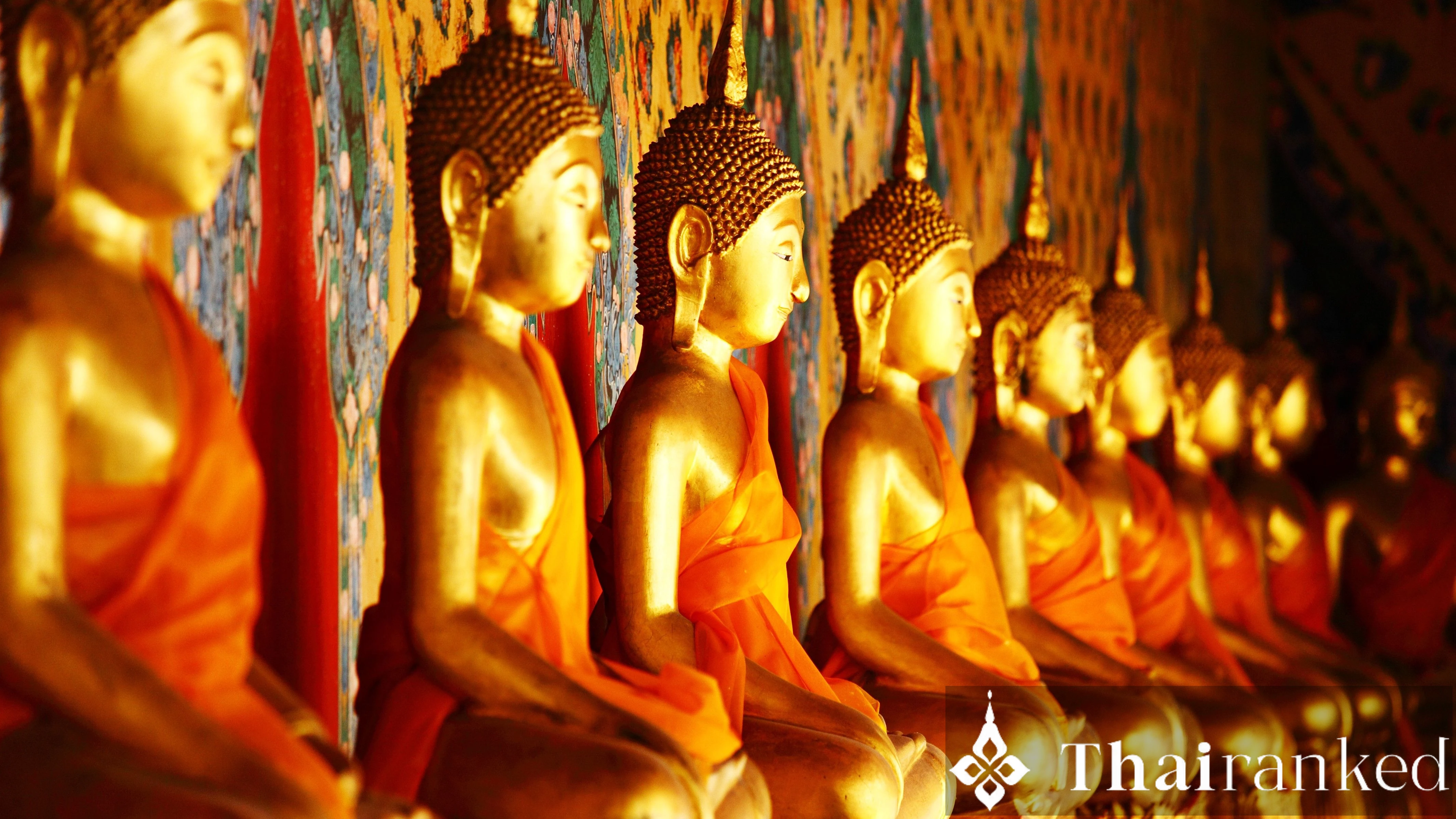
Makha Bucha Day, celebrated on the full moon of the third lunar month, is one of the most significant Buddhist holidays in Thailand. It commemorates a miraculous gathering of 1,250 of Buddha’s disciples who met spontaneously to hear his teachings. Makha Bucha is a public holiday, and in 2026, the observance falls on March 3. For Thais, it’s a sacred day of merit-making, reflection, and renewal.
Why Is Makha Bucha So Important in Thailand?
Unlike Songkran or Loy Krathong, festivals that blend fun with tradition, Makha Bucha is rooted fully in spiritual practice. The day focuses on the core Buddhist tenets of avoiding evil, doing good, and purifying the mind. Because Thailand is a predominantly Buddhist country, this day ripples through every layer of society, influencing everything from government policy (alcohol bans) to the atmosphere in the neighborhood.
How Do Thai People Celebrate Makha Bucha Day?
For many visitors, Makha Bucha might just mean bars are closed, and supermarkets can’t sell alcohol. But for locals, the day is marked by mindfulness, serenity, and community. Here’s what you’ll see (and what you could even join!) if you’re in Thailand on Makha Bucha Day.
1. Early Morning Almsgiving (Tak Bat)
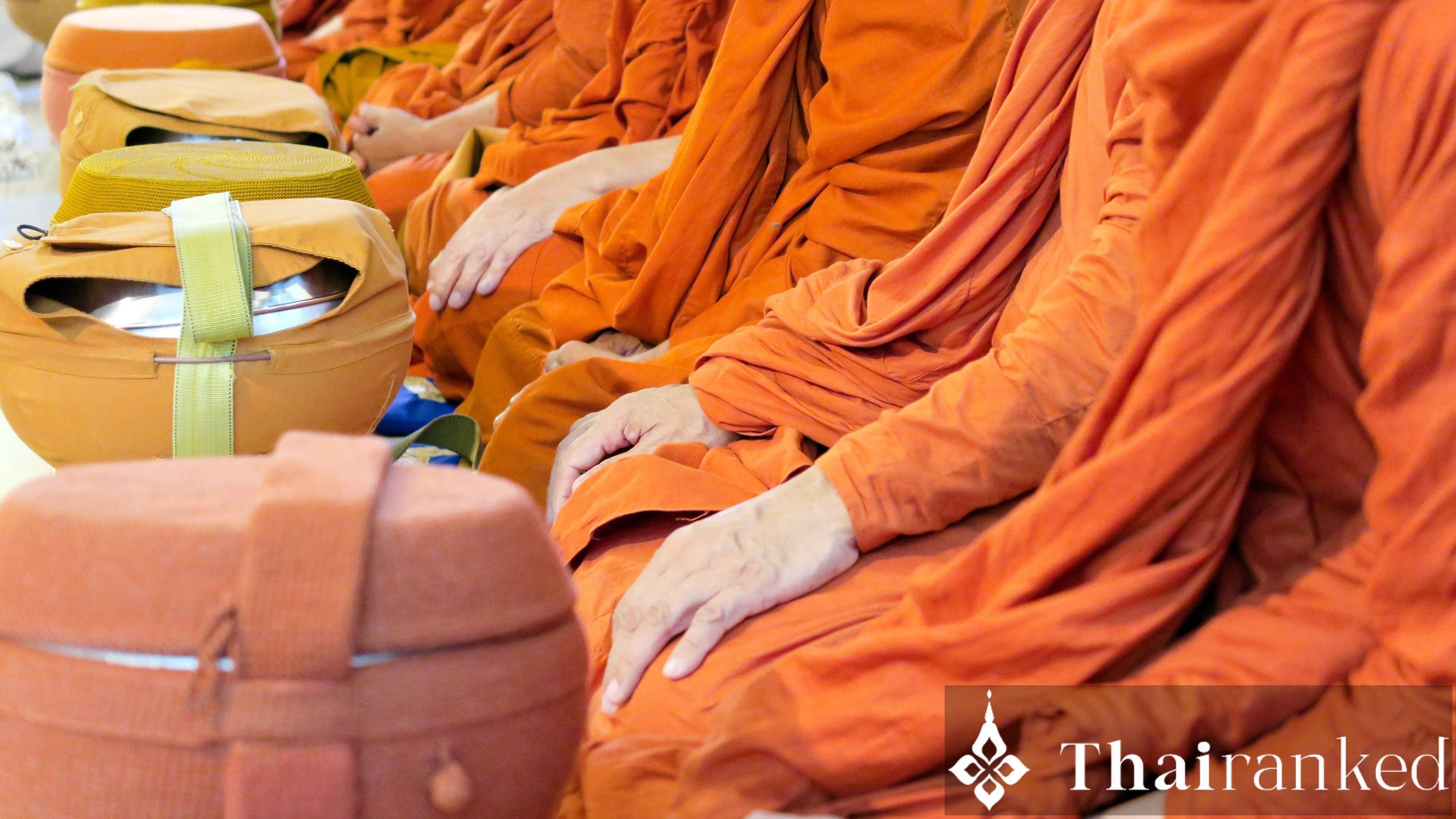
Most Thais start Makha Bucha by waking up early to give alms (tak bat) to Buddhist monks. Families prepare food or offerings, like rice, fruit, or basic household items, and line up outside temples or along streets. This simple act helps generate tham bun (merit) and sets a reflective tone for the day. If you’d like to observe (or join), dress modestly and smile; participating respectfully is welcomed in many areas.
2. Visiting Temples (Wat)
After alms, Thais often spend the late morning or afternoon visiting local temples to offer flowers, incense, and candles. Temples are bustling with activity: prayers are chanted, monks give Dhamma talks, and laypeople engage in rituals that promote kindness and mindfulness. Many temples also host activities for kids, meditation workshops, or community service events.
Want to discover the meaning behind different temple rituals? Our guide to Thai temple rituals breaks it all down.
3. Observing the Five (or Eight) Precepts
Makha Bucha is a day when many Thais commit to following the basic Buddhist precepts more strictly than usual. This means abstaining from alcohol, meat, and all forms of extravagance. Devout Buddhists might observe the eight precepts, which include refraining from entertainment, eating after noon, and sleeping on luxurious beds. You’ll notice a serene, almost sacred atmosphere everywhere you go.
4. Making Merit and Doing Good Deeds
Acts of kindness, whether donating to charity, volunteering, or helping neighbors, are especially encouraged on Makha Bucha. Some communities organize group cleanups or visit seniors’ homes. If you’re looking for a way to get involved, see our volunteering guide for Thailand for ideas and organizations.
5. Evening Candlelight Procession (Wian Tian)
The most unforgettable part of Makha Bucha Day is the “wian tian” candlelight procession. After sunset, people gather at local temples, holding lit candles, incense, and lotus buds. They walk clockwise around the main temple hall three times, often barefoot and in silence. The glowing light, rhythmic footsteps, and shared devotion make it a moving, meditative spectacle. Tourists are welcome to watch or join respectfully, if they dress appropriately and behave quietly.
Makha Bucha Day in Everyday Thai Life
While temple events are the highlight, Makha Bucha is deeply woven into daily life. Schools often teach students about the day’s meaning, office workers get a day off, and extended families might gather for a meal after morning ceremonies. The nationwide ban on alcohol sales is a visible reminder of the day’s spiritual focus; don’t be surprised to find many restaurants and malls operating with a quieter vibe. Learn more about how public holidays shape Thai life in our public holidays guide.
Malls, Bars, and “Dry Day” Restrictions
As per national law, alcohol sales are prohibited for 24 hours, and most nightlife venues, including bars and clubs, are closed. Local police enforce the ban strictly. Grocery stores and convenience stores even cover up bottles and beer fridges. If you’re planning a night out, either reschedule or explore some fun alternatives when bars are closed. This rule is not just for tourists; it’s a reflection of how deeply festivals like Makha Bucha shape daily routines for all Thais.
Tips for Travelers on Makha Bucha Day
- Dress modestly if you plan to visit temples, cover your shoulders and knees, and avoid tight or revealing clothes.
- Be respectful of rituals and ceremonies; observe in silence, or ask politely if you wish to participate.
- Don’t expect to find alcohol, even in convenience stores and hotels. Plan ahead!
- Consider joining a procession; it can be a meaningful, memorable experience.
- Check if your favorite attractions are open; while most places operate as usual, nightlife and party spots will be closed.
Makha Bucha vs. Other Buddhist Holidays
Makha Bucha isn’t the only spiritual day observed in Thailand. Similar rituals occur on Visakha Bucha, Asalha Bucha, and Buddhist Lent. Each has its own significance, but all share the themes of reflection, self-improvement, and merit-making. Curious about when these holidays fall? Bookmark our Thai Public Holidays 2026 calendar for quick reference.
Final Thoughts: A Day of Peace and Mindfulness
For Thai people, Makha Bucha Day is less about external celebration and more about cultivating inner calm and communal good. As a traveler or expat, experiencing the gentle unity of the candlelit procession or joining morning almsgiving offers a unique window into Thailand’s heart. It’s a rare chance to witness the country at its most reflective and serene, something you might just carry with you long after the day is done.
Key takeaways
- Makha Bucha Day is a deeply spiritual Buddhist holiday, not just a "Dry Day" for alcohol.
- Locals participate in almsgiving, temple visits, and evening candlelight processions.
- Bars and alcohol sales are banned; plan ahead if you’re staying in Thailand during this time.
- Temples welcome visitors; dress modestly and be respectful.
- Makha Bucha offers a chance to experience Thailand’s spiritual, communal side, no matter your background.
by Thairanked Guide
Thairanked helps you discover great places in Thailand!
Search Hotels & Flights
Related Insights
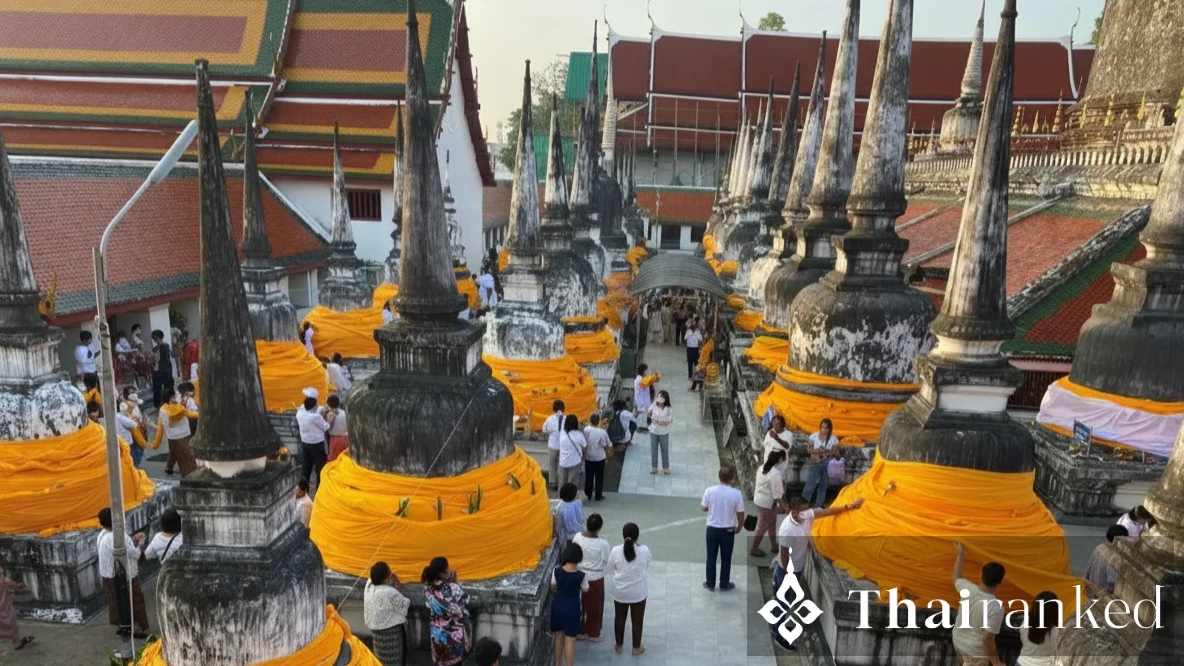
Join the vibrant Hae Pha Khun That Festival in Nakhon Si Thammarat, where thousands parade golden cloth to honor the sacred stupa and sample Southern Thai cuisine.
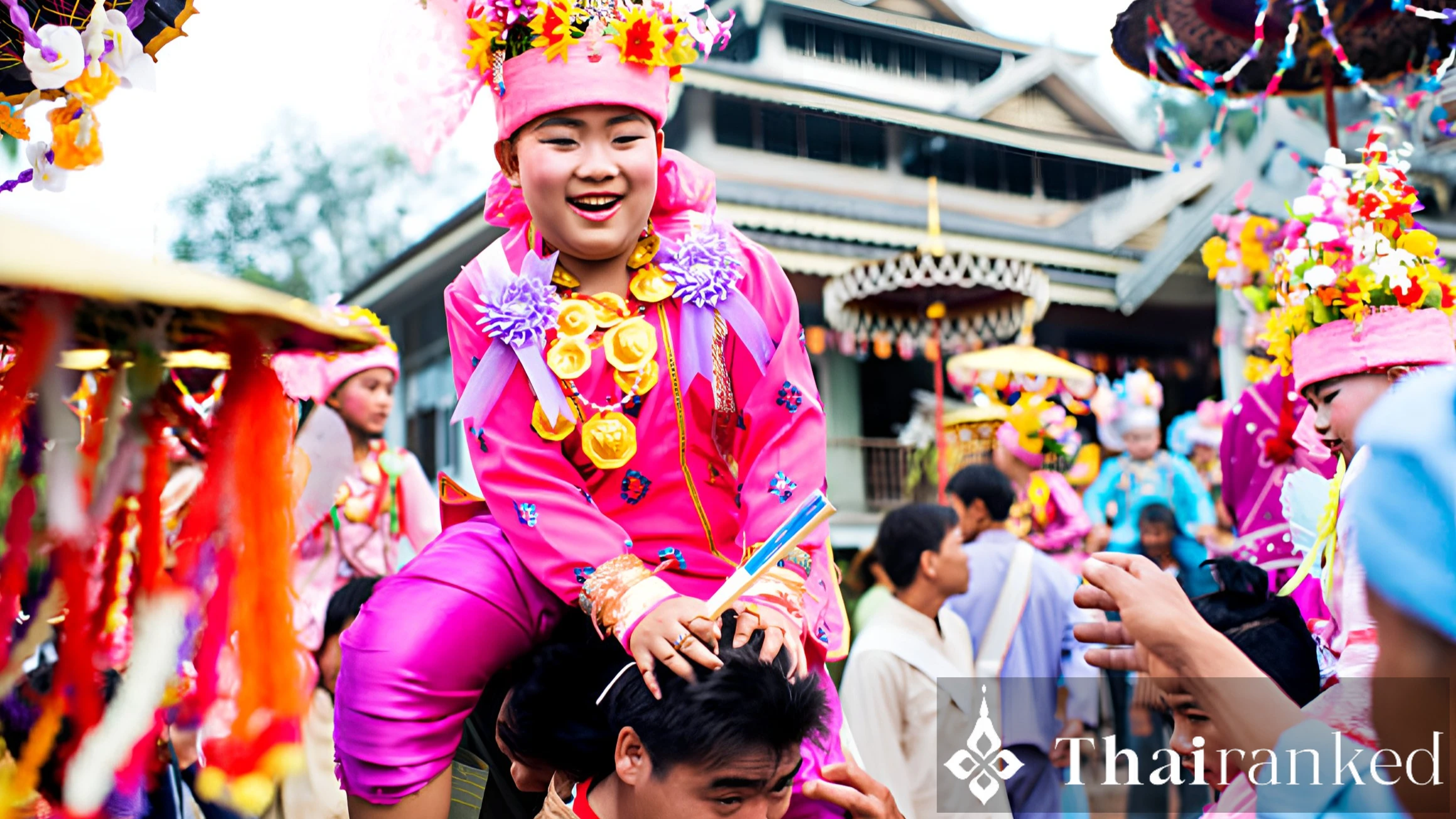
Discover the vibrant Poy Sang Long festival in Northern Thailand, where Tai Yai boys are adorned and paraded before ordination. Culture, colors, and travel tips.
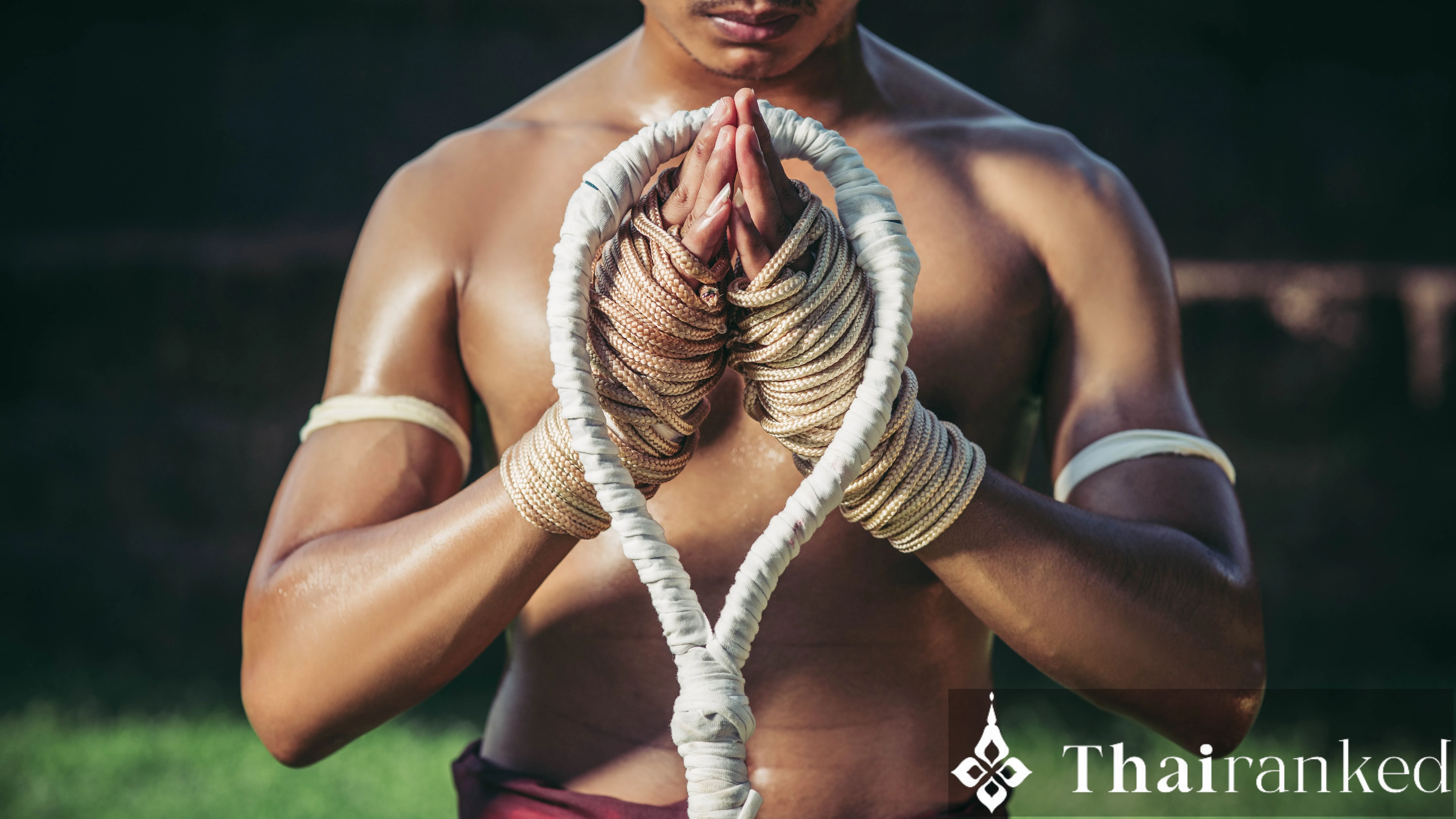
Join the global Muay Thai community at Ayutthaya on March 17, 2026, for the legendary Wai Kru Ceremony. Learn about the tradition and what to expect at this iconic event.
Discover Makha Bucha, Thailand’s first major Buddhist holiday, its miracle story, teachings, and essential Thai traditions, making merit and candle processions.
Avoid bad luck this Chinese New Year! A complete guide to the Dos and Don'ts in Thailand, from wearing red and giving oranges to the strict ban on cleaning and using scissors.
What people ask about
"What Do Thai People Actually Do on Makha Bucha Day?"
Here you will find answer to the most popular questions.