How to Celebrate a Traditional Songkran Festival in Thailand
April 07, 2026 03:32 AM
Last edited: April 07, 2026

by Nam Thairanked
I love traveling and eating Thai food.
Search Hotels & Flights
Related Insights
Songkran Beyond the Water Fights
Most travelers picture Songkran as a weeklong city-wide water battle, but the festival’s roots run deeper. Celebrating Songkran in a traditional way ties you to centuries of Thai culture and Buddhist values, centering on cleansing, renewal, and family. You can join in even without a single splash.
The Meaning Behind Songkran
Songkran marks the Thai New Year, usually held from April 13 to 15. The festival grew out of astrological beliefs, symbolizing a fresh start, the washing away of bad luck, and showing respect to elders and the community. Although water remains a core symbol, its original use had little to do with water guns. Gently pouring water over Buddha images and elders' hands brought blessings and good luck for the year ahead.
Traditional Songkran Rituals
1. Visit a Temple for Morning Merit-Making
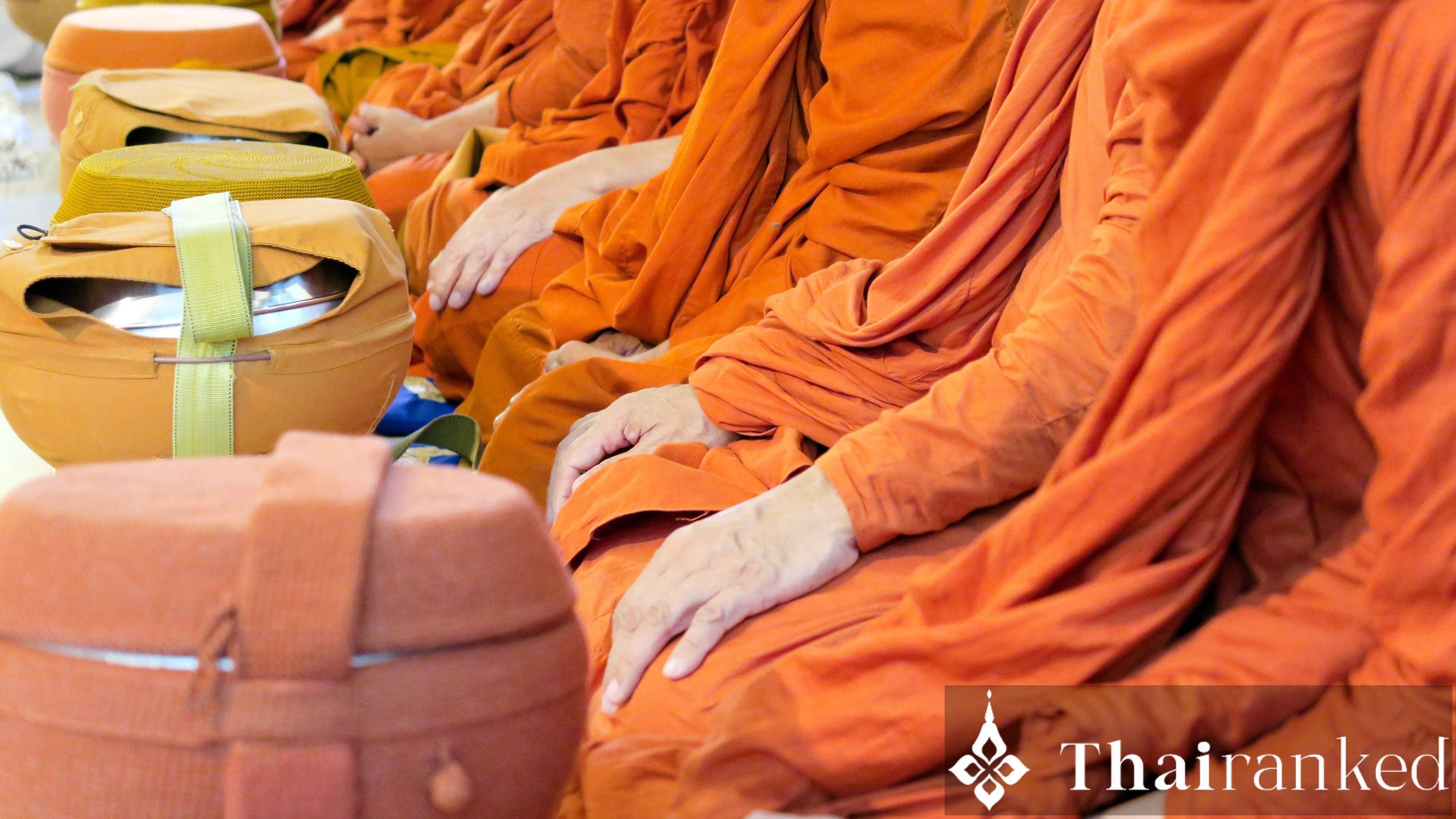
Start the day at your local temple. Thais offer food, robes, flowers, and incense to monks. Giving alms guarantees blessings and creates good karma for the year. In major cities like Chiang Mai and Bangkok, temples fill early with families and groups in festive dress. You don’t need to bring much; pre-packed offerings from local markets or even a jasmine garland suffice.
2. Song Nam Phra (Pouring Water Over Buddhas)
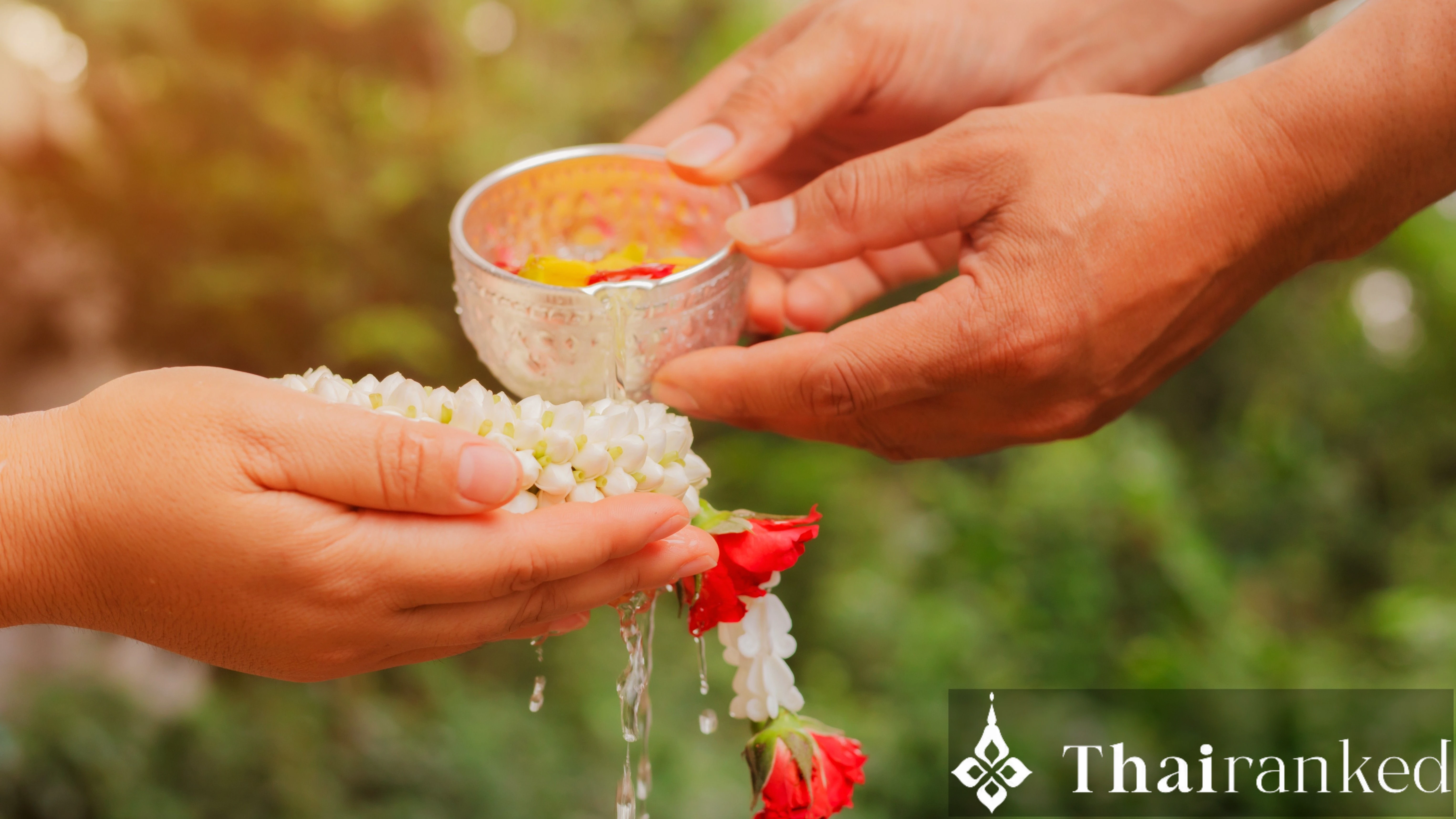
Temples display their Buddha statues often outdoors for Songkran. Devotees scoop scented water and gently pour it over the statues' hands and bodies. The act cleans the image, symbolizes inner cleansing, and invites luck. Stand in line with locals, take your turn, and remember to pour respectfully, never douse or hit the Buddha with water.
3. Rod Nam Dam Hua (Honoring Elders)
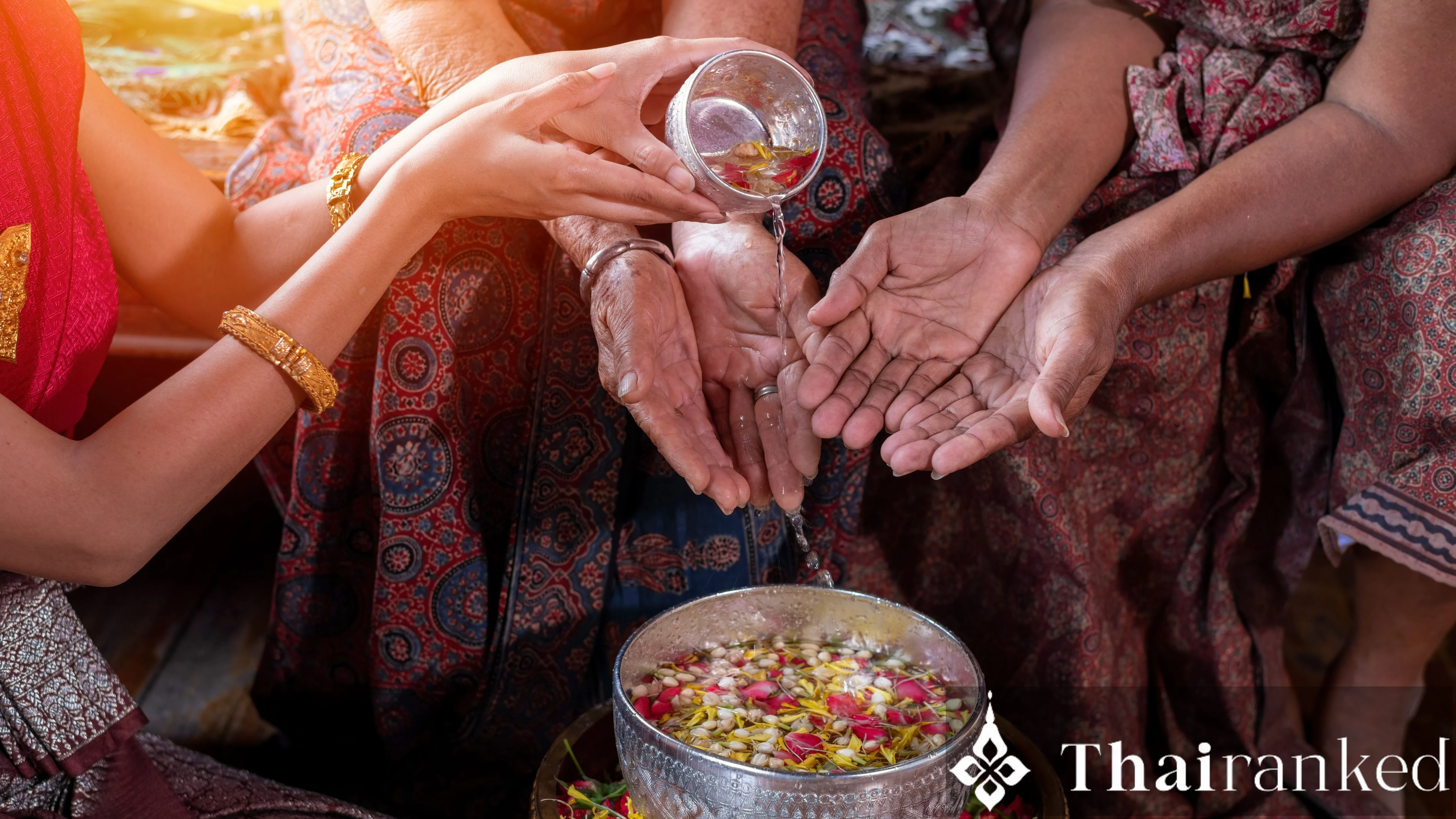
Families gather and pour water over the hands of parents and grandparents, wishing them health and happiness. In some communities, you may see children perform a formal wai before the ritual and present small gifts or garlands. Elders respond with blessings. Some villages hold public versions of this ceremony, and you can ask to join respectfully if you’re a visitor.
4. House and Shrine Cleaning
The weeks before Songkran involve a thorough cleaning at home. Sweeping away dust and clutter represents getting rid of old misfortunes. Many Thais use this chance to clean spirit houses and household Buddhas, replacing stale incense and offering fresh flowers. Participating will get you into the spirit of renewal and tradition.
5. Bathing the Monks
In temples, villagers sometimes pour water onto monks' hands in a special ceremony, seeking blessings. Temples in tourist areas often welcome outsiders to observe or join. Watch quietly or join the line if permitted; this is a moment of humility and community.
What to Wear to a Traditional (Dry) Songkran
Traditional celebrations call for neat and respectful dress. Both men and women wear clean clothes, with many choosing pastel or floral cotton shirts (“Songkran shirts”) and sarongs. At temples, opt for attire covering the shoulders and knees. At family gatherings, avoid flashy or distressed clothing. If you want to immerse into the mood, check local guides on buying Songkran shirts in Chiang Mai.
Joining Community Songkran Events Without Water Play
Major cities and provinces host traditional parades, beauty contests (Miss Songkran), and folk dance shows, usually during the morning or midday before the water shenanigans begin. Visit museum grounds or temple fairs, such as those held in Chiang Mai, Sukhothai, or Nakhon Si Thammarat. Try temple fairs (ngan wat) for a full experience of games, local food, and performances.
Etiquette Tips for a Traditional Songkran
- Always pour water gently with two hands, never splash or throw.
- Ask before taking photos of ceremonies, especially during blessings.
- Remove shoes when entering temples or homes.
- Offer a wai before giving alms or pouring water for elders.
- If you receive a blessing string (sai sin), wear it on your wrist until it falls off.
- Stick to the morning, and midday, the afternoon often marks the start of the big wet party.
Dry Songkran Ideas for Your Own Celebration
- Host a small gathering with Thai dishes and invite friends to perform blessings for each other.
- Set up a water bowl with floating flowers and practice gentle water-pouring, Buddhist mantra chanting, or meditation.
- Watch documentaries or YouTube clips about Songkran history and regional rituals.
- Support a local cause or temple by giving to charity in the spirit of Songkran merit-making.
Experience Songkran Traditions Across Thailand
Some cities put their own spin on the holiday. In Chiang Mai, locals parade Buddha images for communal water-pouring and build sand chedis (stupas) in temple courtyards. Sukhothai and Ayutthaya focus more on historical pageantry and classical performances. Get inspired by the real history of the Thai New Year here and plan a slow visit to Chiang Mai temple sites after the crowds subside.
Staying Safe and Respectful
Songkran can become chaotic in tourist centers. If you crave a traditional (dry) atmosphere, seek out smaller neighborhood temples, older city quarters, or provincial towns. Respect the beliefs at play, locals cherish these customs as more than festival fun. Whether giving alms, bathing a Buddha, or honoring family, you play a role in keeping Songkran’s original spirit alive.
Key takeaways
- Songkran’s roots center on renewal, respect, and Buddhist rituals, not water fights.
- Morning temple visits, blessing elders, and home cleaning keep the tradition alive.
- Gentle water-pouring, traditional dress, and home ceremonies keep your celebration dry but meaningful.
- Join local fairs, parades, or charity drives for a deeper cultural experience.
- Always show respect for Thai customs, sacred items, and personal boundaries.
by Nam Thairanked
I love traveling and eating Thai food.
Search Hotels & Flights
Related Insights
Discover the true history of Songkran, Thailand's New Year. Uncover the origins, rituals, and the deep meaning behind all the splashing water.
Discover Makha Bucha, Thailand’s first major Buddhist holiday, its miracle story, teachings, and essential Thai traditions, making merit and candle processions.
Discover the true meaning of “farang” in Thailand. Is it offensive, neutral, or affectionate? Unpack the word’s origins and expat realities in Thai culture.
Discover the unique national anthem tradition in Thailand, why everyone freezes in public at 8AM and 6PM, and tips on what to do if you’re caught by surprise.
Discover Trang’s unique “Frog Head” tuk tuk. Ride through the city in style, explore must-see spots, and experience authentic local life.