Why Thai People Eat So Many Different Dishes Together
September 30, 2026 10:49 AM
Last edited: September 30, 2026

by Thairanked Guide
Thairanked helps you discover great places in Thailand!
Search Hotels & Flights




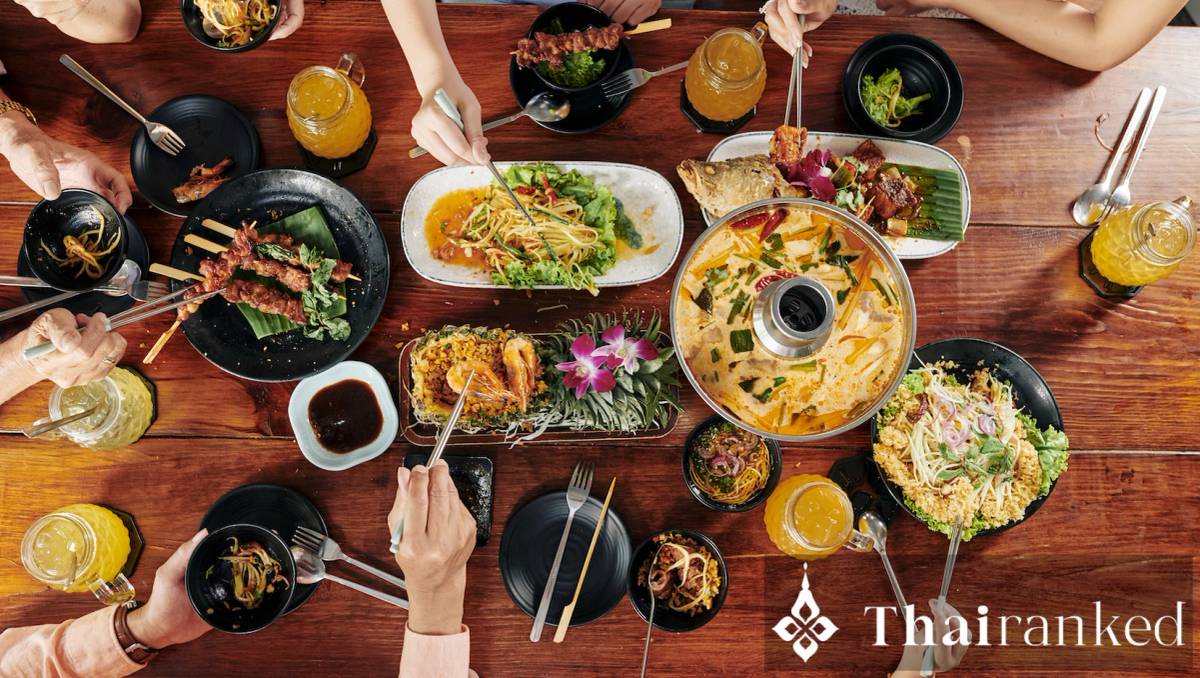
You will notice a Thai table filled with bowls and plates, not a single main course. That pattern matters. Thai cooks combine contrasting tastes and textures across several dishes, so each bite with rice remains balanced and satisfying. The result serves practical needs, social bonds, and centuries of food knowledge.
The taste logic: balance across dishes
Thai cooks plan meals like musicians arrange a band. Spicy, sour, sweet, salty, bitter, and fragrant elements play together. One dish brings heat, another brings acid, a third brings sweetness, and a fourth cools the palate. You take a small spoonful of rice, add a slice of grilled meat, top with spicy salad, and sip clear soup between bites. That sequence keeps your mouth interested and prevents any single flavor from dominating.
Rice acts as the neutral base. People use it to carry other flavors, and it lets intense dishes remain enjoyable across a whole meal. Chefs and home cooks choose a mix of sauces and textures to create contrast. Crispy fried items sit next to wet curries. Fresh herbs share space with fermented dips. That contrast creates variety without waste.
Practical reasons behind the spread
Families plan meals to feed different ages and appetites. Parents order or cook several dishes so a child who dislikes spice can still find plain rice and grilled fish. Markets in Thailand sell ingredients in small portions, so families buy enough to make two or three dishes rather than one large roast. That habit keeps shopping affordable and reduces leftovers.
Street food culture reinforces the pattern. Vendors prepare single dishes, and you combine plates from several stalls at a market. That practice trains people to think of meals as collections of parts, not individual entrees. Even at home, leftovers transform into new dishes the next day, so cooks design menus that adapt across meals.
Social and cultural reasons
Eating in Thailand centers on sharing. Hosts bring out multiple dishes to invite conversation, not to impress with size. Using shared plates encourages everyone to sample and comment. That interaction builds connection during family dinners, temple communal meals, and festival feasts.
Buddhist values influence how people serve food. Temple offerings and communal feasts emphasize generosity. People place cooked dishes at the center of the table, and guests take what they want from common bowls. That custom removes strict hierarchy at the plate and keeps food exchange fluid.
Festivals reinforce communal dining. Visitors will find large tables of many dishes at festivals, where neighbors contribute different items. The practice appears in celebrations across the country, and it links cooking styles from various regions into one meal. For a festival overview, see A Guide to the 10 Most Popular Festivals in Thailand. For temple rituals and offering customs, read What Thai Temple Rituals Mean. For festival dates and tips while you travel, check Thai Holidays in 2026.
How table dynamics shape behavior
People sit around a low or medium-height table and reach across bowls. That layout encourages negotiation and politeness. Someone offers a serving spoon, another suggests a piece of fish. You learn to pass plates and signal respect by letting elders serve first. Hosts keep an eye on empty dishes and refill plates without making a fuss.
Eating from shared dishes changes how you taste. You mix small amounts of different items on your spoon to create a personal bite. That behavior explains why dishes arrive in modest portions, not giant platters. The goal remains to enjoy balance across bites, not to consume a single dish until you feel full.
Common dishes you will see on a Thai table
- Tom yum, a clear sour and spicy soup that resets the palate between richer bites.
- Som tam, the green papaya salad that adds crunch and acid.
- Pad krapow, stir-fried basil with meat, offering heat and umami.
- Gaeng keow wan, green curry that brings creamy spice and aromatic herbs.
- Nam prik with raw vegetables, a dipping pastes selection that provides fermented and salty notes.
- Khao pad, fried rice, a plain option for children or anyone who wants neutral texture.
- Gai yang, grilled chicken or pork with char and smoky flavor.
- Steamed fish with lime and chili, a lighter protein that pairs well with rice.
Those dishes appear across homes, eateries, and markets, and vendors will let you taste small portions. Street stalls often specialize in one item, so you assemble a full plate by mixing offerings from two or three vendors. Night markets provide an ideal place to explore plates this way. Find local recommendations at Where to Eat at Korat Night Markets?.
How to eat like a local
Arrive at a meal ready to share. Order two or three dishes for a table of two, and add one more if a curry appears. Ask for food with less chili if you avoid spice. Use your spoon as the main eating tool and your fork to push food onto the spoon. Take small portions at first, then return for seconds when you find combinations you enjoy.
Offer to pay or bring a small dessert when someone invites you home. That gesture shows respect. Avoid wasting food, and pass dishes with the serving spoon. Do not grab the last piece without asking if someone else wants it. You will find those manners go far with hosts and fellow diners.
How shared dishes help travelers and expats
Sharing several dishes reduces risk when you try new food. You taste a little of each dish and stop if a flavor does not suit you. Sharing also turns meals into an activity. You trade favorite bites with travel companions, and that exchange becomes part of the memory of a trip.
Living in Thailand, you will learn to cook balanced menus that reuse ingredients across meals. That habit saves time and stretches groceries. You will meet neighbors during shared meals and join potlucks at festivals. Community cooks welcome newcomers who bring a dish or ask how to season food.
Night markets provide a fast route into communal eating. Try a few small plates, then sit at a shared table to combine them with rice or noodles. For more night market options, read Bangkok’s Best Night Markets.
Practical ordering tips
- Order two mains and one vegetable or soup for each two people, then add rice bowls.
- Ask for chili on the side when you cannot gauge spice.
- Request plain rice for children or if a dish tastes intense.
- Offer to share desserts like ripe mango with sticky rice, it makes a friendly closing to the meal.
Key takeaways
- Thai meals feature many dishes to balance taste, texture, and temperature across bites.
- Shared plates support social bonding, hospitality, and Buddhist offering traditions.
- Markets and street food culture reinforce the habit of mixing small portions from different vendors.
- Travelers should order multiple dishes, take small portions, and use a spoon as the primary utensil.
- Enjoying meals this way helps you taste more, meet locals, and adapt to regional flavors.
Search Hotels & Flights
Related Insights
Learn how 7-Eleven stamps work in Thailand, how to collect and redeem M-Stamps, and what foreigners need to know about eligibility and promotions.

Step-by-step advice for dealing with taxi problems in Thailand, from refusing meters to scams, reporting complaints, and staying safe during and after a ride.

Learn how expats can tackle mold and humidity issues in Thai condos, from prevention and cleaning to local solutions and expert tips for rainy season living.

Discover the advantages and challenges of visiting Thailand in May. Includes weather tips, crowd insights, and best activities for this unique month.

Explore the viral “Thank You Thailand” trend, its emotional roots, and how tourists share deep gratitude for Thai culture, food, and welcoming spirit.
What people ask about
"Why Thai People Eat So Many Different Dishes Together"
Here you will find answers to the most popular questions about Thailand.
 Chat with us