The Thai Calendar Explained: Why It’s the Year 2569 in Thailand
March 14, 2026 03:15 AM
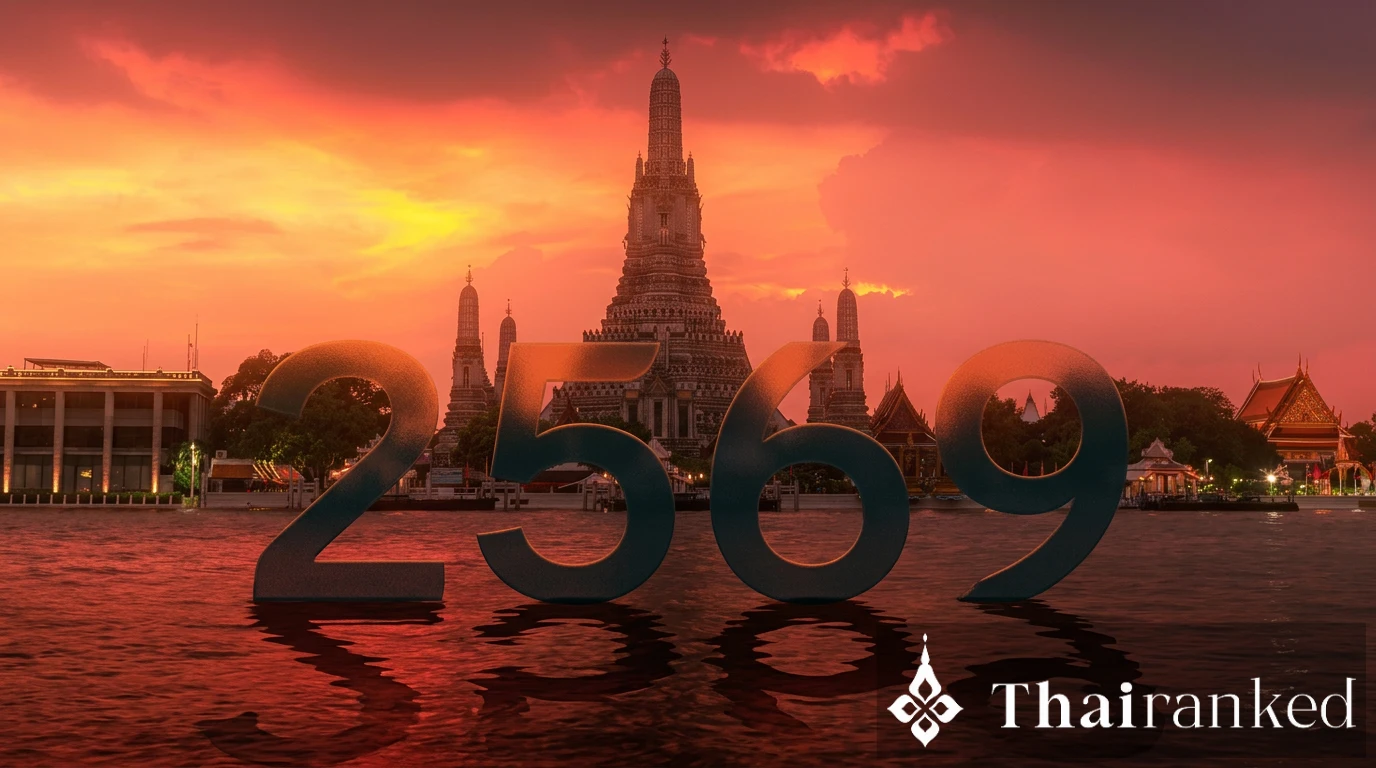

by Thairanked Guide
Thairanked helps you discover great places in Thailand!
Search Hotels & Flights
Why Is the Thai Calendar Year 2569?
If you’ve traveled to Thailand, browsed official documents, or noticed dates on your ATM receipt, you’ve probably done a double take. Is it really the year 2569? No, you haven’t stepped into the future—Thailand follows a different calendar system rooted in Buddhism. This can be baffling for newcomers, but understanding the Thai Buddhist calendar (B.E., or Buddhist Era) is actually quite simple and gives you a fascinating glimpse into Thai culture.
The Roots of the Thai Calendar: Buddhist Era (B.E.)
The official calendar in Thailand is the Buddhist Era, abbreviated as B.E. (from the Thai: "พ.ศ.," short for Pho So, พุทธศักราช). This calendar starts counting from the year believed to be when the Buddha attained parinirvana (the passing away of the Buddha), which is marked 543 years earlier than the start of the Western Gregorian calendar (A.D. or Christian Era).
So, where does the number 543 come from? Buddhist countries like Thailand, Laos, and Cambodia set their respective Buddhist Eras based on their interpretation of the Buddha's passing. In Thailand, it is standardized as 543 years before the Anno Domini calendar most of the world uses today.
How to Convert Thai Years to Western Years (A.D.)
The conversion is easy: just subtract 543 from the Thai year. Here’s the simple trick:
- Thai year (B.E.) – 543 = Western year (A.D.)
- Example: 2569 (B.E.) – 543 = 2026 (A.D.)
- If you want to convert the other way, just add 543: 2026 + 543 = 2569
This handy calculation is super useful if you’re dealing with government paperwork, renting apartments, or checking expiry dates on products—many forms and signs display dates only in the Buddhist Era.
Why Does Thailand Use the Buddhist Calendar?
Thailand’s use of the Buddhist calendar reflects its deep cultural, historical, and religious ties to Buddhism. Over 90% of Thais identify as Buddhist, and this influence shows up everywhere: New Year celebrations (especially Songkran), public holidays, and even legal documentation.
The Thai Buddhist calendar was introduced in 1888 under King Rama V, originally alongside the traditional lunar calendar. In 1941, it was made the official calendar, and the New Year was synchronized with the Gregorian calendar to run from January to December (instead of starting in April, as it was previously).
B.E. Dates You’ll Spot in Daily Thai Life
Some places you’ll find the Buddhist Era in daily life:
- Official documents and government forms
- Bank statements and ATM receipts
- Driver’s licenses and IDs
- Birthdays and legal ages
- Event promotions and festival dates
- Expiry dates on products and medicines
Don’t be surprised if a lease ends in “March 2570,” or a passport expires in “July 2574.” That’s just 2027 and 2031, respectively; do the subtraction, and you’re set!
A Quick History of Calendars in Thailand
Before King Rama V’s reforms, Thailand (then Siam) used several overlapping calendar systems, including the Rattanakosin Era (begun when Bangkok was made the capital in 1782), and the Saka Era (from Indian influence). The lunar calendar is still used for Buddhist holidays, but for all official purposes, the Buddhist Era is the law of the land.
If you want to explore more about unique cultural features in Thailand, check out why Thais have such unique nicknames or read about the concept of "Kreng Jai" in Thai social interactions.
Is the Thai Year the Same Everywhere in the Region?
The Buddhist calendar isn’t unique to Thailand, but its version is. Laos and Cambodia use similar systems (same Buddhist Era start year), while Myanmar and Sri Lanka calculate the Buddhist Era a little differently, often using slightly different calculations or starting points. If you’re traveling cross-border, double-check the year systems to avoid confusion.
Daily Life Tips: Working With Thai Dates
- Ask if you’re unsure: In offices, banks, or schools, clarify which calendar is in use—especially for important paperwork.
- Digital assistance: Many websites and apps in Thailand allow you to select AD or BE year for date fields; the default is often BE.
- Expiration awareness: Medicine, contracts, vehicle registrations, and food packaging may show only BE years; always use that -543 trick.
What About Other Calendars in Thailand?
Thai holidays such as Songkran (the Thai New Year) still align with ancient lunar calculations, and the traditional calendar sometimes pops up for religious or ceremonial purposes. You can explore the magic of Thai temple fairs to understand how the lunar cycle fits modern life.
Bonus: Thai Calendar & Festivals
The Buddhist Era isn’t just about paperwork; it shapes the timing of major festivals. Songkran is celebrated in April and aligns with the traditional solar-lunar cycle, while Buddhist holidays like Makha Bucha and Visakha Bucha shift every year based on the moon. Awareness of the calendar can help you plan your travel to Thailand around these festivals. If you want to catch stunning events, check our guide to Thailand’s winter festivals.
Key takeaways
- The Thai Buddhist calendar (B.E.) is 543 years ahead of the Western calendar (A.D.).
- To convert: Thai year – 543 = Western year. (Example: 2569 – 543 = 2026)
- B.E. dates are everywhere: government, banks, licenses, products.
- Knowing the calendar helps with paperwork, travel, and Thai culture immersion.
- The Buddhist Era reflects Thailand’s deep Buddhist roots, history, and celebrations.
by Thairanked Guide
Thairanked helps you discover great places in Thailand!
Search Hotels & Flights
Related Insights
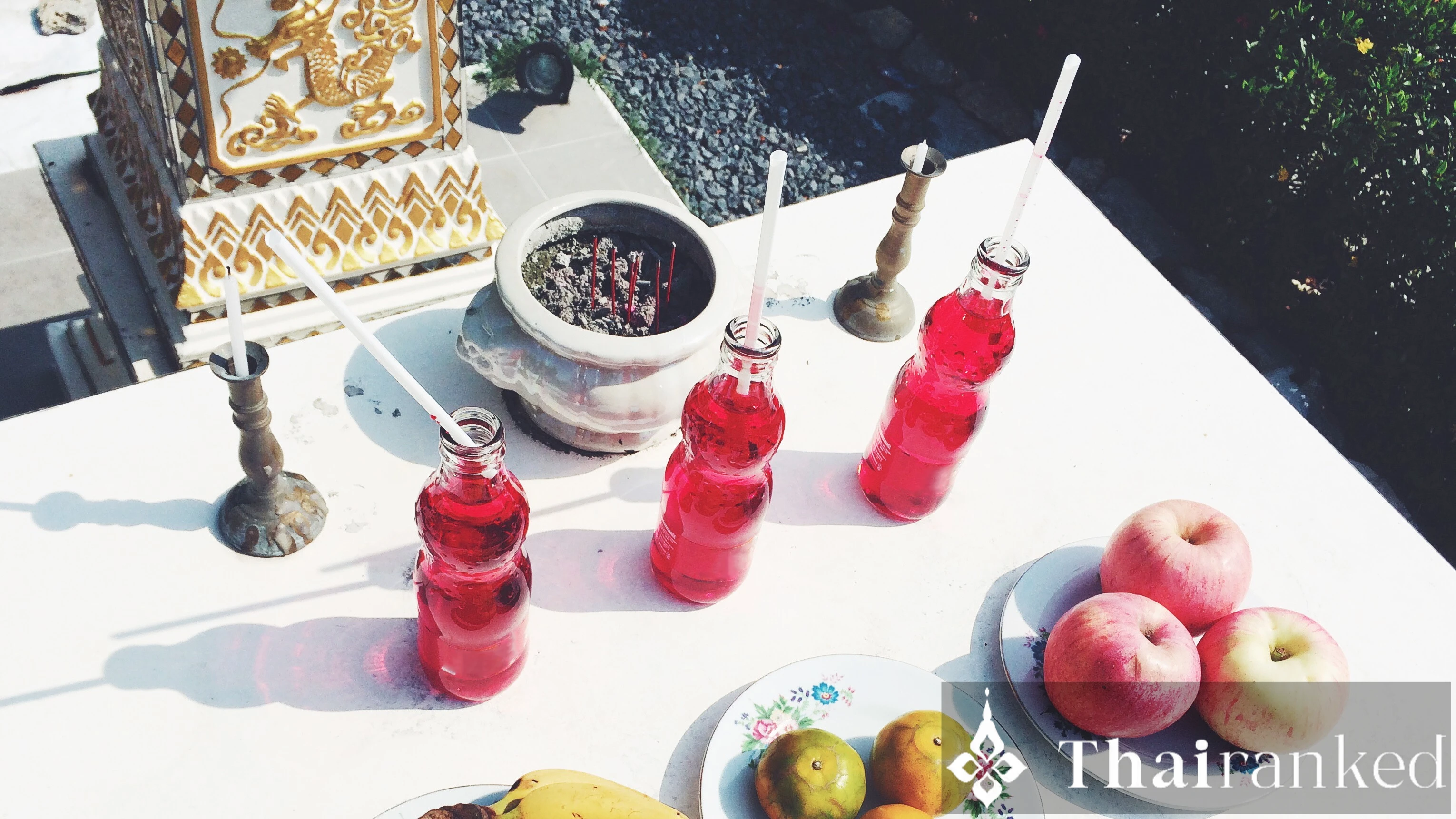
Discover the meaning behind Thailand's Red Fanta offerings at spirit houses. Learn about San Phra Phum, ancestor shrines, and etiquette for expats.

Understand Thailand's rules on heads and feet: learn Buddhist and Hindu beliefs, social taboos, and practical tips for respectful interaction as an expat or traveler.
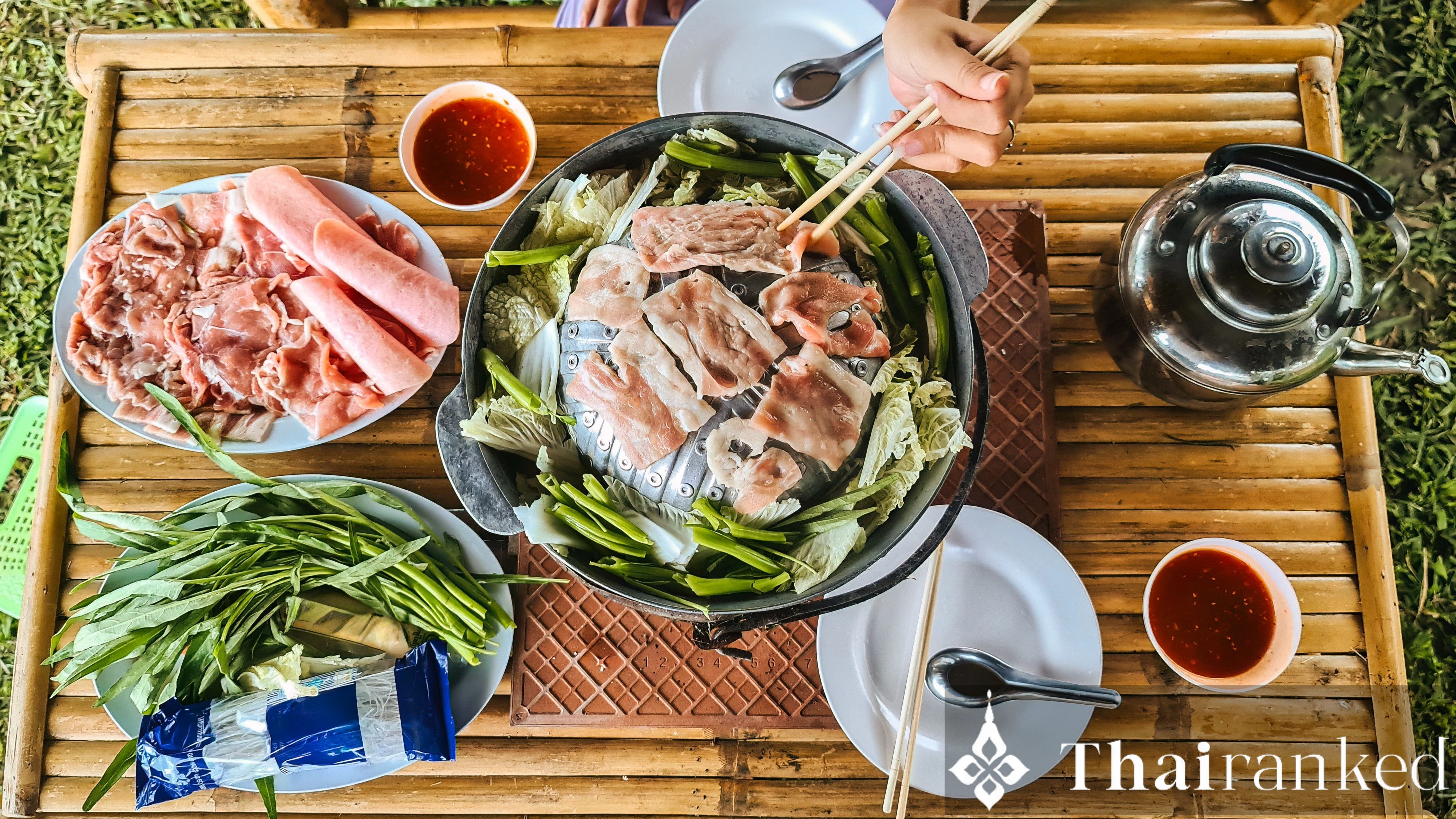
Discover the fascinating history and cultural influences that created Moo Kratha, Thailand’s iconic BBQ hotpot dining tradition loved by locals and travelers.
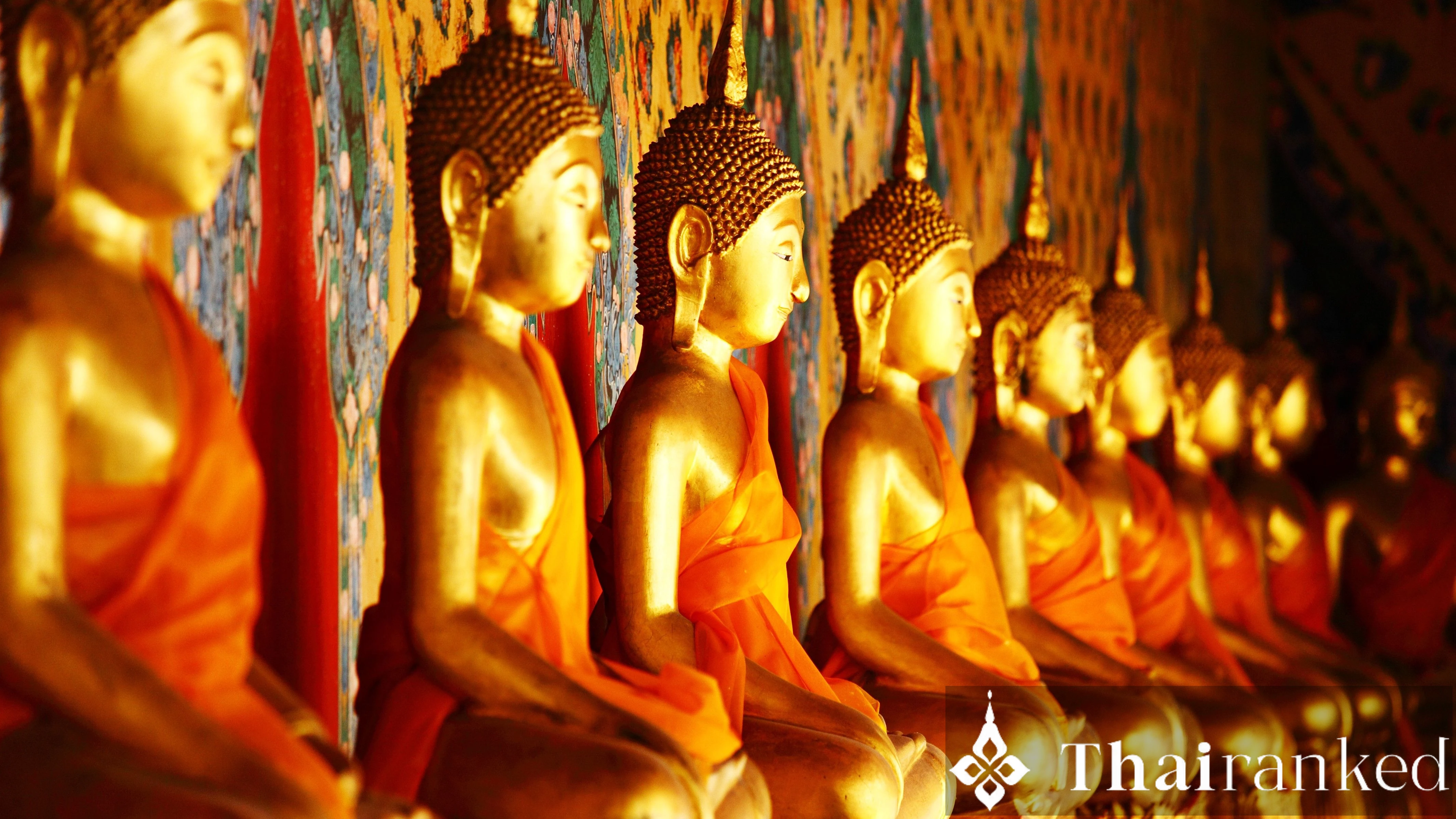
Discover the real Makha Bucha Day in Thailand: How locals celebrate, temple rituals, why bars close, and what travelers should know about this spiritual holiday.
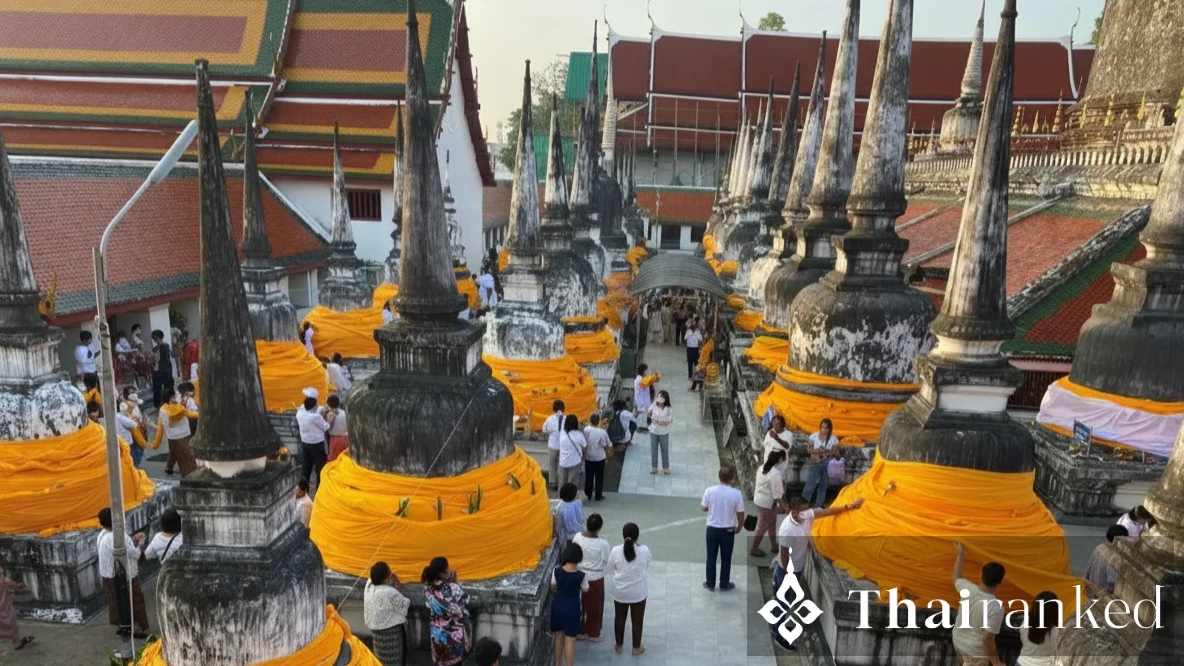
Join the vibrant Hae Pha Khun That Festival in Nakhon Si Thammarat, where thousands parade golden cloth to honor the sacred stupa and sample Southern Thai cuisine.