How to Set Up Your Digital Nomad Base in Thailand
May 15, 2026 10:13 AM
Last edited: May 15, 2026
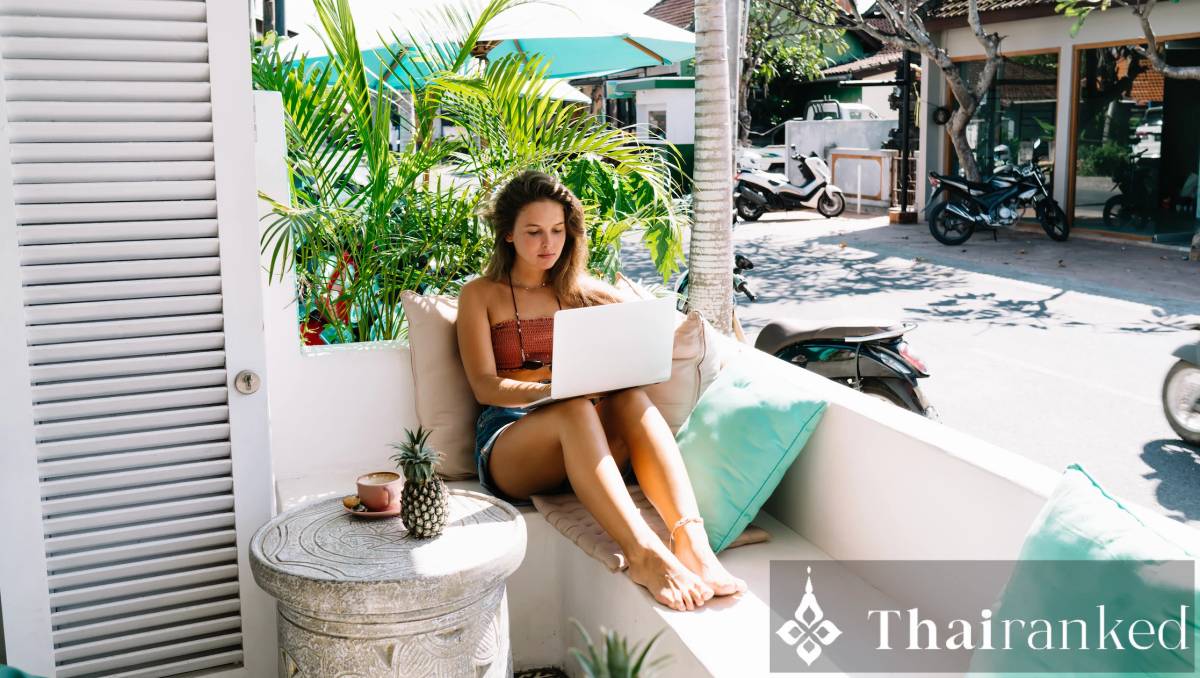

by Thairanked Guide
Thairanked helps you discover great places in Thailand!
Search Hotels & Flights





Why Thailand Remains a Digital Nomad Magnet
Thailand draws thousands of digital nomads every year with its low cost of living, tropical weather, fast internet, laid-back lifestyle, and culture of hospitality. The country serves as a regional hub for remote work and creative ventures, with a thriving expat scene in places like Chiang Mai, Bangkok, Phuket, and the islands. Setting up your base in Thailand takes more than booking a flight: you’ll need to handle visas, accommodation, workspace, banking, and daily costs. This guide covers how to stay legally and comfortably as a digital nomad in Thailand in 2026.
Choosing Your Thai Digital Nomad Visa
Staying in Thailand for an extended period requires the right visa. The "digital nomad visa" gets frequent discussion, but the routes for remote workers keep evolving. Here’s what’s available and most practical in 2026:
- Tourist Visa (TR): Available for 60 days, extendable by 30 days at immigration offices. Several nationalities can enter visa-exempt for up to 30 days, but you’ll need to leave and re-enter ("border run") for longer stays. Not a permanent solution, but popular for short-term nomads and slow travelers.
- Education (ED) Visa: Enroll in Thai language, Muay Thai, or cultural courses. Valid for up to 12 months, with mandatory attendance. Some schools offer packages for lesson + visa support, but the government monitors ED visas for misuse, so choose reputable schools.
- SMART Visa: Designed for highly skilled professionals and startup founders. The "SMART S" lets you stay up to four years, but the salary and qualification requirements put it out of reach for most casual freelancers.
- Long-Term Resident (LTR) Visa: Introduced for wealthy individuals, retirees, and location-independent professionals earning over USD $80,000 a year. Includes streamlined work permission but costs a hefty application fee.
- Non-Immigrant O/A (Retirement) Visa: For over-50s with sufficient savings. Not tailored for working-age digital nomads but worth knowing if you’re eligible.
- Work Permit Route: For those employed by a registered Thai company. Freelancers and remote workers usually can’t get this unless contracting with a BOI-sponsored company.
Many digital nomads combine these options with border runs, but authorities have become stricter about obvious "border run" abuse. If you plan to stay long-term, aim for visas providing genuine legal footing. For more visa compare-and-contrast and tips for remote workers, check the detailed rules in our medical tourism in Thailand guide—much of the process overlaps for health and work stayers.
Essential Setup Costs in Thailand
Setting up your life as a digital nomad in Thailand involves a handful of one-time and recurring costs. Here’s what to expect by category:
Visa Costs & Immigration Fees
- Tourist visa (single entry): 2,000 THB (~USD $55)
- Tourist visa extension: 1,900 THB (~USD $52)
- Education visa: Course + visa packages from 30,000-60,000 THB per year
- LTR/SMART/Specialty visas: Application fees run from 10,000 to 50,000 THB and up, depending on your program
- Border run/visa run budgets (travel + agency fees): 2,000-10,000 THB per trip, depending on destination
Accommodation
- Deposit for apartment/condo: 1-2 months' rent upfront (refundable)
- Chiang Mai or upcountry studio: 6,000-12,000 THB/month
- Bangkok condo: 12,000-25,000 THB/month for a city-center studio
- Phuket/southern islands: 10,000-30,000 THB/month depending on season and beach proximity
Daily and long-term rentals remain easy with options on all budgets. Check our list of budget hotels near Don Mueang Airport for short-term stays while you scout apartments. For luxury options, see advice on Koh Samui vs. Koh Phangan.
Workspace & Internet
- Coworking memberships: 3,000-5,000 THB/month for unlimited access
- Coffee shop days: Drink minimum (40-120 THB/cup)
- Home fiber internet: 600-1,200 THB/month for 300-1000Mbps
- Sims/data plans: 200-800 THB/month for unlimited 4G/5G data
Big cities and most islands have solid internet, but always confirm with your landlord. Many condos bundle WiFi with rent. Cafés remain a social mainstay for digital nomads. Explore work-friendly areas with our guide to the most convenient areas to live in Bangkok.
Banking, Cards & Startup Purchases
- Local bank account setup: Possible only with select visa types (usually ED, work permit, or LTR/SMART). Initial deposit: 500-2,000 THB
- You can use Wise/Payoneer international debit cards—widely accepted
- Grab a Thai SIM for mobile banking, food delivery, and Grab rides
- Basic home setup: Desk, chair, and other essentials: 2,000-10,000 THB depending on taste
Moving in and setting up your workspace covers small gear and utilities. You can find reliable computer repair shops in Bangkok if your tech develops a glitch.
Day-to-Day Living Costs
- Street food meals: 40-80 THB
- Supermarket groceries (per week): 800-2,000 THB depending on preferences
- Motorbike rental (monthly): 2,500-4,500 THB for a standard scooter
- BTS/MRT fares (Bangkok): 16-55 THB per trip
- Weekly night market outings: Budget 400-1,200 THB depending on splurges
Street food and markets can keep your costs low. Visit Bangkok’s best night markets or unique shops for deals. Longer stays reveal how affordable Thailand gets once you know local tricks.
Finding Your Base: Top Digital Nomad Cities in Thailand
- Chiang Mai: Quiet, walkable, affordable apartments, and the original digital nomad capital
- Bangkok: Big city energy, endless cafés, fastest internet, coworking culture, skytrain and subway for mobility
- Phuket: Beach living, international crowd, growing coworking scene
- Koh Phangan: Tighter digital nomad community, island coworking, sunrise yoga, Full Moon Party variety
Each location suits different work rhythms. Island life attracts those who want sand between meetings. Cities cater to fast-paced professionals. Try different spots before settling—we break down the options in the Pattaya vs. Chiang Mai Songkran festival comparison if you want to combine work and play.
Practical Setup: SIM Cards, Registration & Resident Paperwork
Landing in Thailand, you can buy a SIM with passport at any airport or 7-Eleven. For longer stays, you’ll want to register your address (TM30) after you move in, usually handled by your landlord or hotel. Longer visas often require an additional health check and proof of address documents. Keep a folder of copies of your passport, arrival card, visa stamp, rental contract, and photos—they help with banking, hospital visits, and day-to-day errands.
Thai Tax and Legal Risks for Remote Work
Officially, Thailand doesn’t allow foreigners to work on a tourist or education visa. Many digital nomads do remote work for companies outside Thailand under these visas, but there are risks. Penalties for "working illegally" can include fines, deportation, or being blacklisted from future entries. The government mostly targets in-country jobs that compete with local hiring (like teaching English or web dev for Thai clients), but high-profile raids on coworking spaces have happened.
The LTR and SMART visas provide the strongest legal footing. If you plan to base yourself in Thailand for the long-term or earn from local clients, set up with a proper work visa or company structure. For other options, chat with a visa agent with digital nomad experience or seek advice from online expat groups to avoid avoidable immigration headaches.
Tips for a Smooth Digital Nomad Life in Thailand
- Always research visa options before booking flights—requirements change fast
- Budget for the initial setup and reserve at least two months’ living expenses before arrival
- Start with an Airbnb or short-term rental so you can scout neighborhoods and secure a long-term lease comfortably
- Set up two or more cards (international + local) for redundancy
- Join coworking spaces for fast WiFi and community
- Tap into local digital nomad Facebook groups for apartment, legal, and event advice
Key takeaways
- Thailand’s visa options for digital nomads keep expanding, but requirements shift—start planning early
- Expect upfront costs for visa, deposit, and first month’s rent
- Major cities and islands offer full remote work infrastructure
- Living costs range from 30,000 to 70,000 THB/month for most nomads
- Work only for overseas clients unless you use a work permit, SMART, or LTR visa
Search Hotels & Flights
Related Insights

Discover the cultural, practical, and historical reasons Thais use nicknames. Practical tips for travelers and expats navigating names in Thailand.

Learn Thai business dining rules for 2026, how to behave at lunches and dinners, toast properly, handle the bill, and read sabai cues to win trust and respect.

Durian smell leads many Thai hotels to ban the fruit. Learn the reasons, how hotels enforce rules, where to eat durian, and traveler tips for 2026 trips.

Planning to get a tattoo in Thailand? Learn how to choose the right tattoo studio with expert tips on artists, hygiene, pricing, and aftercare.

Compare IMAX, ScreenX, and 4DX in Thailand. Learn how each format handles screen, sound, motion, and scent, and pick the best cinema experience for your next movie night.
What people ask about
"How to Set Up Your Digital Nomad Base in Thailand"
Here you will find answers to the most popular questions about Thailand.