在乞丐府的二战历史:尊重的自助游一日行程
January 05, 2026 05:44 PM
最后编辑: July 15, 2026


by Thairanked Guide
Thairanked helps you discover great places in Thailand!
搜索酒店与航班
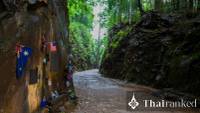



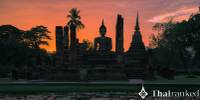
坎查那布里二战历史:尊重的自导日程安排
坎查那布里,这个坐落在桂河岸边的风景如画的小镇,其历史远远超出了那宁静的风景。在第二次世界大战期间,它是臭名昭著的死亡铁道的所在地—这一历史篇章标志着艰辛、牺牲与最终的坚韧。访问坎查那布里提供了一个有意义的机会,让您以反思和尊重的方式与这段历史产生联系。无论您是游客、外侨还是当地居民,这个自导日程安排将帮助您以关怀、背景和舒适来探索坎查那布里的二战核心遗址。
快速概览:坎查那布里的核心二战遗址
- 桂河上的桥 – 死亡铁道和当地历史的标志性象征。
- 坎查那布里战争公墓 – 一个安静的安息之地,埋葬着在建设期间去世的战俘(POW)。
- JEATH战争博物馆 – 关于泰缅铁路的深刻展览,包括稀有的照片和文物。
- 地狱火通道纪念馆 – 铁路上最艰辛的路段之一,这里有一个震撼人心的游客中心。
让我们以最真诚、最方便的方式探索这些遗址,并在您的行程中提供交通、礼仪和避免人群的提示。
您的自导行程:一步步来
如何到达:从曼谷到坎查那布里
旅程从早上开始。从曼谷出发,前往坎查那布里镇大约需要2-3小时,您可以选择乘坐面包车、巴士或火车。为了舒适与灵活:
- 乘火车:从通武里火车站出发的地方火车提供了一次缓慢但风景如画的旅程,直接到达著名的桥。每天有两班火车,通常在7:50和13:55。
- 乘小面包车/巴士:从曼谷南部巴士总站(赛台迈)频繁运行的空调小面包车,大约需要2至2.5小时,并将您送到坎查那布里市中心。
- 如果您希望全方位灵活,尤其是在一天后前往地狱火通道时,私人出租车或自驾车都是不错的选择。
1. 桂河上的桥(早上,8:00-9:00 AM)
及早开始,以便在游客到来之前享受桂河上的桥。虽然该桥自二战以来已经重建,但它仍然是一个强有力的象征,连接着过去和现在。您可以走过桥,欣赏河流的景色,停下来反思在这里受苦的成千上万的强迫劳工和战俘。
- 礼仪提示:讲话时请保持轻声,避免爬上扶手,并尊重那些在缅怀亲人的人。
- 拍照是受欢迎的,但请花点时间阅读纪念碑上的牌匾和说明以了解更多背景。
如果您对风景照感兴趣,清晨的阳光能拍出美丽的照片,而您将遇到较少的旅游巴士。
2. JEATH战争博物馆(9:00–10:30 AM)
距离桥仅几分钟的步行路程,JEATH战争博物馆为铁路建设期间的生活提供了个人见解。该缩写代表日本、英国、澳大利亚、美国、泰国、荷兰—这些国家的战俘和工人都曾在此经历了苦难。
- 博物馆包括竹屋的重建和战时照片、工具及幸存者证言的展出。
- 停留45至60分钟,随您自己的节奏,但请注意,有些图片和故事可能会很强烈和情感化。
提示:博物馆于早上8:30开门,尽早参观是吸收展览内容的最佳方式,现场较少喧嚣。
3. 坎查那布里战争公墓(10:45–11:30 AM)
步行或乘嘟嘟车不久便到达坎查那布里战争公墓,这里安息着近7000名英联邦和荷兰的战俘。精心维护的场地鼓励安静反思,并是铁路代价的深刻提醒。
- 访客礼仪:着装要端庄,保持低声,与他人尊重相待,特别是那些亲属。
- 走在墓碑之间是非常感人的;花些时间阅读几个墓碑,以理解数字背后的人类故事。
午餐休息与附近美食(11:30 AM – 12:30 PM)
桥和博物馆附近的社区有几家休闲的泰国餐厅和河边咖啡馆。尝试一家当地餐厅的泰式炒粉、青木瓜沙拉或丰盛的米粉汤。不确定在哪里用餐?查阅我们的指南:曼谷传统泰国美食最佳地点,在坎查那布里的老城区也可以找到类似的菜肴。
4. 前往地狱火通道(12:30–1:30 PM)
地狱火通道纪念馆距离市区约80公里(车程约1–1.5小时)。可选交通方式包括:
- 宋卡(共享的皮卡车,可通过您的旅馆安排)
- 私人出租车(最佳灵活性)
- 租摩托车(适合有经验的骑行者)
- 巴士到达坛克拉赛,然后再转车(不太方便)
早晨抵达可以帮助您避免大多数团队游,并确保您有足够的日光用于步行道。
5. 地狱火通道纪念馆与步道(1:30-3:30 PM)
为了纪念那些在修建此通道中辛勤劳作并死亡的人,地狱火通道是当天最感性的一部分。在卓越的游客中心开始,您将找到音频导览、详细的展览和个人故事,将该地的历史生动呈现。
- 走进切口,那里是一个神秘而美丽的地方,工人在灯光下苦苦操劳,通常只用手工具。
- 至少留出1–1.5小时,这样您可以走主步道,体验纪念馆的庄重氛围。
- 带上水,使用防晒霜,穿合适的鞋子;该地区可能很热,路径也不平整。
- 尊重沉默:该地仍是幸存者家属的怀念和朝圣之地。
返回坎查那布里(下午/晚上)
如果您乘坐出租车或租用车辆,请安排返程。如果通过公共交通回程,请提前检查返程时间,因为下午晚些时候交通选择可能有限。晚上,您可以享受当地的夜市,或在河边放松,然后再前往曼谷或留宿过夜。
场所礼仪:尊重旅行
- 着装得体:特别是在访问公墓时,肩部和膝盖应遮盖。
- 安静反思:许多来这里的人是在表达敬意—请将噪音降到最低。
- 尊重界限:遵循公告的指引,避免触摸文物、墓碑或爬上结构。
- 摄影:要谨慎,尤其是在公墓或敏感展览中。
避开人群的技巧
- 尽可能早地从桂河上的桥开始,以便在大多数旅游巴士到达之前参观。
- 早晨参观JEATH博物馆和战争公墓,客流量较少时。
- 在下午早些时候安排前往地狱火通道,避开团队游的高峰时段(通常是11:00 AM – 1:00 PM)。
- 如果您留宿一夜,工作日的早晨场所会安静得多。
其他坎查那布里的体验
有时间的话,不要错过该地区的自然与文化景点!查看我们的泰国最佳动物园指南,并探索更多。若您寻求更大的冒险,查看我们的曼谷附近的户外冒险运动。计划在泰国的后续旅行?以下是如何高效低价游览这个国家。
关键要点
- 坎查那布里提供深刻的二战历史—参观关键遗址,收获有意义的体验。
- 尽早开始并规划交通,让自导的旅行顺畅而尊重。
- 注意礼仪和敏感性,特别是在公墓和纪念场所。
- 避免人群:优先选择早晨,并避开大型旅游团的时段。
- 该地区也充满自然美与地方文化,留出时间更广泛地探索。
搜索酒店与航班
相关洞察
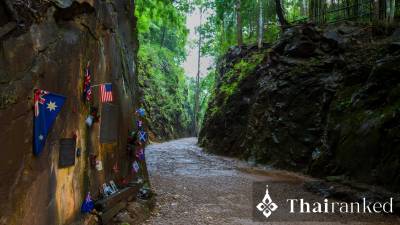
探索泰国坎恰那布里(Kanchanaburi)的地狱火步道(Hellfire Pass)。它的二战历史、动人的纪念碑,以及强大的铁路步道,向战俘(POWs)的牺牲致敬。

探索素万那普机场的12尊巨型夜叉雕像背后的故事。了解它们的《拉玛基恩》根源、拉瓦那和泰国神话。
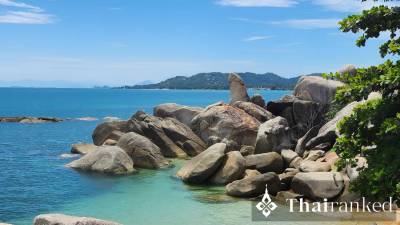
探索位于苏梅岛的Hin Ta Hin Yai岩石背后的浪漫传说,这些传说植根于兰那传统和泰国民间故事。了解它们的含义及旅行者提示。

探索泰国国家儿童节万德克的历史。了解为什么它在每年一月的第二个星期六庆祝。
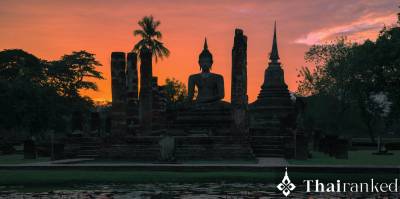
探索泰国“第一首都”的故事,从它反抗高棉帝国,到泰文字母的发明以及兰甘亨王的黄金时代。
 联系我们
联系我们