A short history of Thailand: from Sukhothai to today
November 09, 2026 09:52 AM
Последнее изменение: November 09, 2026

by Nam Thairanked
Nam is Thairanked's editor in Bangkok. She checks every business on her lists herself (the reviews, the photos, the details) and updates a list when something changes.
Поиск отелей и авиабилетов
Похожие материалы




Thailand's story runs through four capitals: Sukhothai (from about 1238), Ayutthaya (1351 to 1767), Thonburi (1767 to 1782) and Bangkok (since 1782). The country, then called Siam, was never colonised by a European power. In 1932 it became a constitutional monarchy, and in 1939 it took the name Thailand.
Timeline at a glance
- About 1238: the Sukhothai kingdom, the first Thai kingdom (Sukhothai Historical Park today)
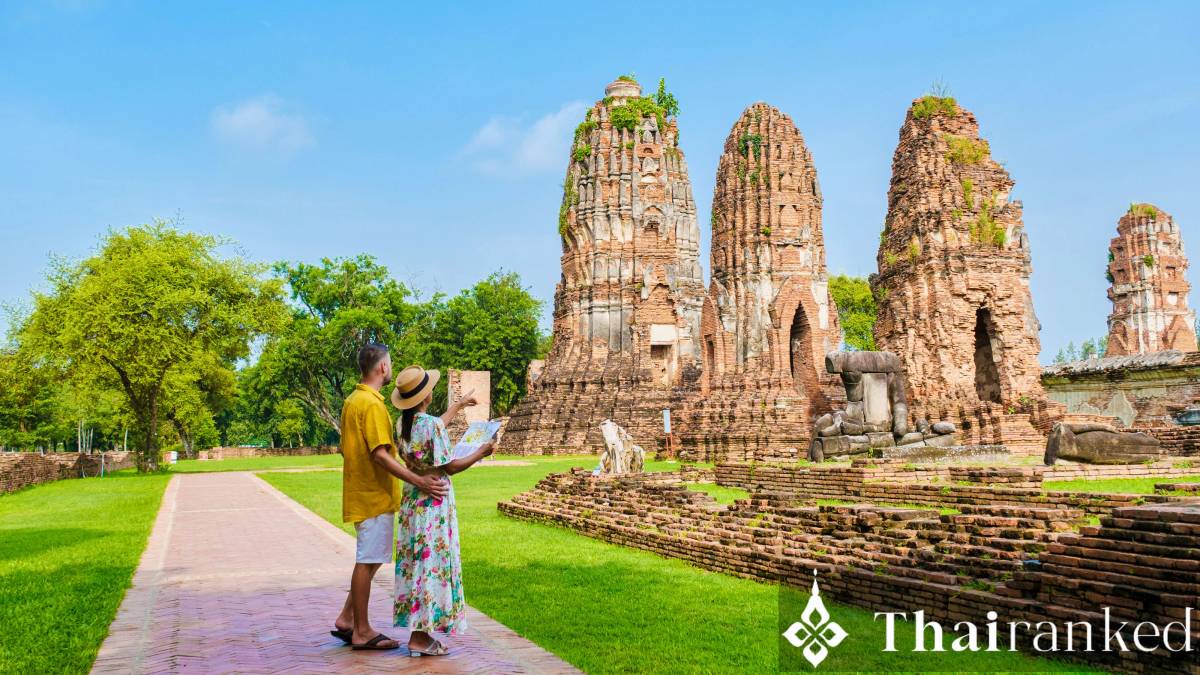
- 1351 to 1767: Ayutthaya, a trading capital for over 400 years (Ayutthaya Historical Park)
- 1767 to 1782: Thonburi, after the fall of Ayutthaya
- 1782: Bangkok becomes the capital under the Chakri kings (the Grand Palace and Wat Phra Kaew)
- 1932: the end of absolute monarchy
- 1939: Siam is renamed Thailand
Sukhothai: the first Thai kingdom (about 1238)
Sukhothai emerged as an important Thai kingdom around 1238 in what is now northern-central Thailand. Its name means "Dawn of Happiness". The kingdom is often associated with the early development of Thai writing, Buddhist art and culture. Today, the Sukhothai Historical Park is a UNESCO World Heritage Site and a popular destination for visitors interested in Thailand's past.
Read more: The Sukhothai kingdom /en/blogs/history-of-sukhothai-kingdom-thailand/
Ayutthaya: 400 years of a trading capital (1351 to 1767)
Founded in 1351, Ayutthaya became one of Southeast Asia's most powerful kingdoms and an important international trading centre. Its merchants traded with China, Japan, Persia and European countries. The city flourished for more than 400 years before Burmese forces captured and destroyed much of it in 1767. Today, the Ayutthaya Historical Park is a UNESCO World Heritage Site, making it one of the most interesting historical day trips from Bangkok.
Read more: The Buddha head in the tree /en/blogs/buddha-head-tree-ayutthaya-history-nature/
Thonburi: a short new start (1767 to 1782)
After the fall of Ayutthaya in 1767, General Taksin reunited much of the country and established Thonburi as the new capital. Located on the western bank of the Chao Phraya River, Thonburi served as the capital for 15 years. In 1782, King Taksin's reign came to an end, and General Chakri established a new royal dynasty and moved the capital across the river to Bangkok.
Bangkok and the Chakri kings (since 1782)
In 1782 General Chakri became King Rama I and moved the capital across the river to Bangkok. The Chakri family still reigns today. Bangkok's Grand Palace and Wat Phra Kaew were built in these first years.
In the 1800s, Kings Mongkut (Rama IV) and Chulalongkorn (Rama V) opened the country to the West and modernised it. Siam was never colonised by a European power.
1932: the end of absolute monarchy
On 24 June 1932, a political group known as the People's Party (Khana Ratsadon), made up of military officers and civilian leaders, led a revolution that ended absolute monarchy in Siam. King Prajadhipok (Rama VII) accepted the transition to a constitutional monarchy. Thailand's first constitution was signed on 10 December 1932, marking a major turning point in the country's political history.
Read more: Constitution Day /en/blogs/history-of-constitution-day-thailand/
From Siam to Thailand (1939)
In 1939 the government of Field Marshal Plaek Phibunsongkhram changed the country's name from Siam to Thailand, often translated as "land of the free". The name went back to Siam in 1945 and became Thailand again in 1949.
Modern Thailand
King Bhumibol Adulyadej (Rama IX) reigned for 70 years, from 1946 until his death on 13 October 2016. His son, King Maha Vajiralongkorn (Rama X), succeeded him and was crowned in May 2019. Today, Thailand is a constitutional monarchy with a modern political system that has experienced several changes over the years. The country held a general election on 8 February 2026, marking another chapter in its political history.
Read more: Thailand's 2026 election /en/blogs/thailand-election-2026-results/ | The Thai calendar /en/blogs/thai-calendar-explained-why-year-2569/
by Nam Thairanked
Nam is Thairanked's editor in Bangkok. She checks every business on her lists herself (the reviews, the photos, the details) and updates a list when something changes.
Поиск отелей и авиабилетов
Похожие материалы

Phone repair prices in Bangkok depend on your phone model, the type of damage and the parts used. Official service providers generally cost more but offer genuine parts and service warranties. Independent repair shops at MBK Center, Fortune Town and other IT malls can be cheaper, especially for…

Thailand is generally welcoming to visitors, but knowing a few local customs will help you feel more comfortable and show respect. Dress modestly when visiting temples, remove your shoes before entering homes and certain buildings, and avoid touching someone's head or pointing your feet at…

Fill in the Thailand Digital Arrival Card (TDAC) for free at tdac.immigration.go.th within 3 days before your arrival in Thailand, including your arrival date. It takes around 3–5 minutes per person if you have your information ready. You'll need your passport details, travel information,…
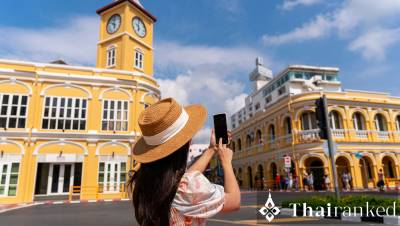
Phuket is best visited between December and March, when the weather is generally drier and the sea is calmer. From May to October, the southwest monsoon brings heavier rain and rougher seas, especially along the west coast. Choose your base depending on what you want: Patong for nightlife, Kata…
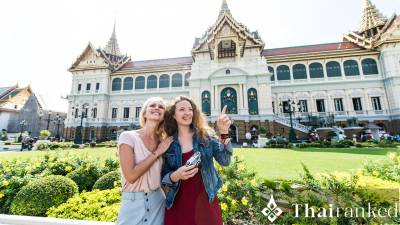
Bangkok is hot throughout the year, but November to February is generally the most comfortable time to visit. April is the hottest month, while May to October brings the rainy season. The best way to explore the city is to stay near a BTS or MRT station and use public transport to avoid traffic.…