What You Can and Cannot Bring Through Thai Customs
April 07, 2026 06:54 AM
Last edited: April 07, 2026
Nam's pick
Nam · Editor at Thairanked
Nam is Thairanked's editor. She checks every business on her lists herself (the reviews, the photos, the details) and updates a list when something changes.
Before travelling to Thailand, leave e-cigarettes and vapes at home, as their import is prohibited. Each passenger can bring up to 1 litre of alcoholic beverages and 200 cigarettes duty-free. Most personal medicines are limited to a 30-day supply, while controlled medicines may require advance Thai FDA approval. Travellers carrying foreign banknotes worth more than USD 15,000 must declare them to Customs. Some food, plants, animal products and cultural objects are also restricted. Always check the latest rules with Thai Customs and the relevant authorities before travelling.
Last checked by Nam on November 12, 2026
Clear Thai Customs rules on what you can and cannot bring into Thailand. Duty-free limits, banned items, meds, food, drones, cash rules, and penalties.

by Nam Thairanked
Nam is Thairanked's editor in Bangkok. She checks every business on her lists herself (the reviews, the photos, the details) and updates a list when something changes.
Table of Contents
1. E‑Cigarettes, Vapes, and Vape Juice: Do Not Bring
2. Prescription and Over‑the‑Counter Meds: Bring With Proof
3. Alcohol and Tobacco: Know the Duty‑Free Limits
4. Cash, Currencies, and Bearer Instruments: Declare Above the Threshold
5. Food, Plants, and Animal Products: Tread With Care
6. Drones, Cameras, Laptops, and Power Banks: Bring, Then Register or Declare
7. Cosmetics, Vitamins, and Supplements: Keep It Personal
8. Cultural Heritage, Buddha Images, and Antiques: Respect Sacred Rules
Search Hotels & Flights
You might like




Table of Contents
1. E‑Cigarettes, Vapes, and Vape Juice: Do Not Bring
2. Prescription and Over‑the‑Counter Meds: Bring With Proof
3. Alcohol and Tobacco: Know the Duty‑Free Limits
4. Cash, Currencies, and Bearer Instruments: Declare Above the Threshold
5. Food, Plants, and Animal Products: Tread With Care
6. Drones, Cameras, Laptops, and Power Banks: Bring, Then Register or Declare
7. Cosmetics, Vitamins, and Supplements: Keep It Personal
8. Cultural Heritage, Buddha Images, and Antiques: Respect Sacred Rules
What Thai Customs Officers Check First
Thai Customs rules feel strict if you fly in without a plan. Pack smart, declare what the law requires, and you pass through with no stress. This guide lists the most common items travelers ask about, from vapes and meds to drones and duty-free booze. You get clean answers, exact limits, and the red lines that trigger fines or seizure. Keep receipts, pack prescriptions, and separate anything you plan to declare. Officers respect clear paperwork and honest answers.
Everyday Items: What Gets a Pass
You can bring personal clothes, laptops, a camera, a phone, and travel toiletries for normal use. Goods outside that scope, high-value electronics, or stacks of the same product can look commercial and draw checks. Alcohol and cigarettes sit under strict limits even in 2026. Food, seeds, and meat face agriculture rules. E-cigs face a hard ban. Cash over a set threshold needs a form at the red channel. Medications stay fine with a doctor’s letter and original boxes. Drones need care, from batteries in carry-on to flight registration before you launch.
Travel Health: Masks and Air Quality
Pack a few N95 masks during haze season. Track PM2.5 with the best air quality apps in Thailand. Masks count as personal items and pass without trouble. Read each section, then sort your bag before you land. You save time, you keep your gear, and you start the trip on the right foot.

At a glance
| Rank | Place | Best for | Area |
|---|---|---|---|
| 1 | E‑Cigarettes, Vapes, and Vape Juice: Do Not Bring | Zero tolerance at the border | |
| 2 | Prescription and Over‑the‑Counter Meds: Bring With Proof | Small supply with script and labels | |
| 3 | Alcohol and Tobacco: Know the Duty‑Free Limits | 1 liter of booze, 200 cigarettes | Thailand |
| 4 | Cash, Currencies, and Bearer Instruments: Declare Above the Threshold | Form needed at USD 20,000+ | |
| 5 | Food, Plants, and Animal Products: Tread With Care | Pack snacks, skip fresh goods | |
| 6 | Drones, Cameras, Laptops, and Power Banks: Bring, Then Register or Declare | Personal tech is fine with limits | |
| 7 | Cosmetics, Vitamins, and Supplements: Keep It Personal | Small quantities for personal care | Thailand |
| 8 | Cultural Heritage, Buddha Images, and Antiques: Respect Sacred Rules | Permits for statues and antiques | Thailand |
1. E‑Cigarettes, Vapes, and Vape Juice: Do Not Bring
Zero tolerance at the border
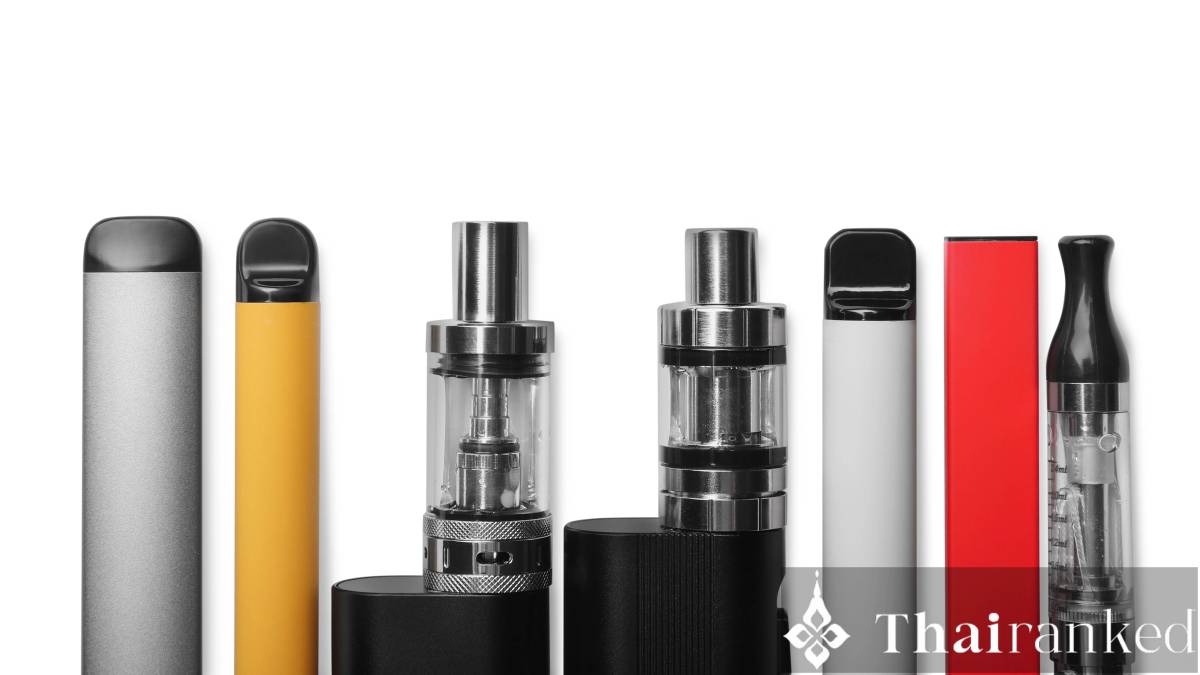
Nam: Electronic cigarettes, vapes, vape pods, e-liquids and heat-not-burn tobacco devices are prohibited from being imported into Thailand. The restrictions apply to tourists as well as residents. Possessing or using these products can also result in legal consequences. Do not pack them in your luggage, even for personal use.
Highlight
Thai law bans the import, sale, and possession of e‑cigarettes, vape pens, and nicotine liquids. Customs officers seize devices on sight. Police can fine you and open a case. Travelers lose gear and pay more than the device ever cost. Do not risk a debate at the counter. Pack nicotine gum or patches if you need support. Pharmacies across Thailand stock options without hassle. Airport shops do not sell vape gear. The ban covers parts, pods, coils, and tanks. A friend who carries your device for you faces the same risk. Skip vapes, end of story. Focus your energy on a smooth arrival and a clear exit from the hall.
2. Prescription and Over‑the‑Counter Meds: Bring With Proof
Small supply with script and labels
Nam: Travellers can generally bring personal medicines into Thailand for up to a 30-day supply. Keep medicines in their original packaging and carry a prescription or doctor's letter explaining your treatment. Some narcotic and psychotropic medicines have stricter rules. Depending on the drug category, you may need advance approval from the Thai Food and Drug Administration (FDA). Certain controlled medicines may be allowed for up to 90 days with the required permit, while other substances are prohibited. Check your medication before travelling using the Thai FDA's official traveller permit website. Never assume that a prescription issued in your home country automatically makes a medicine legal in Thailand.

Highlight
You can bring a personal supply of medication for about 30 days. Keep medicines in original boxes with your name. Carry a doctor’s letter that lists the generic drug name, dose, and condition. Thai FDA permits cover controlled drugs, including strong painkillers, stimulants, and some anxiety meds. Apply for that permit before you fly. Do not bring cannabis oil, edibles, or THC vapes. Officers treat those as narcotics. Pack a paper script even if your home country uses e‑prescriptions. Keep pills in your carry‑on to prevent heat damage. Take a photo of the labels and the letter for backup. You pass faster when you present clear proof of personal use.
3. Alcohol and Tobacco: Know the Duty‑Free Limits
1 liter of booze, 200 cigarettes
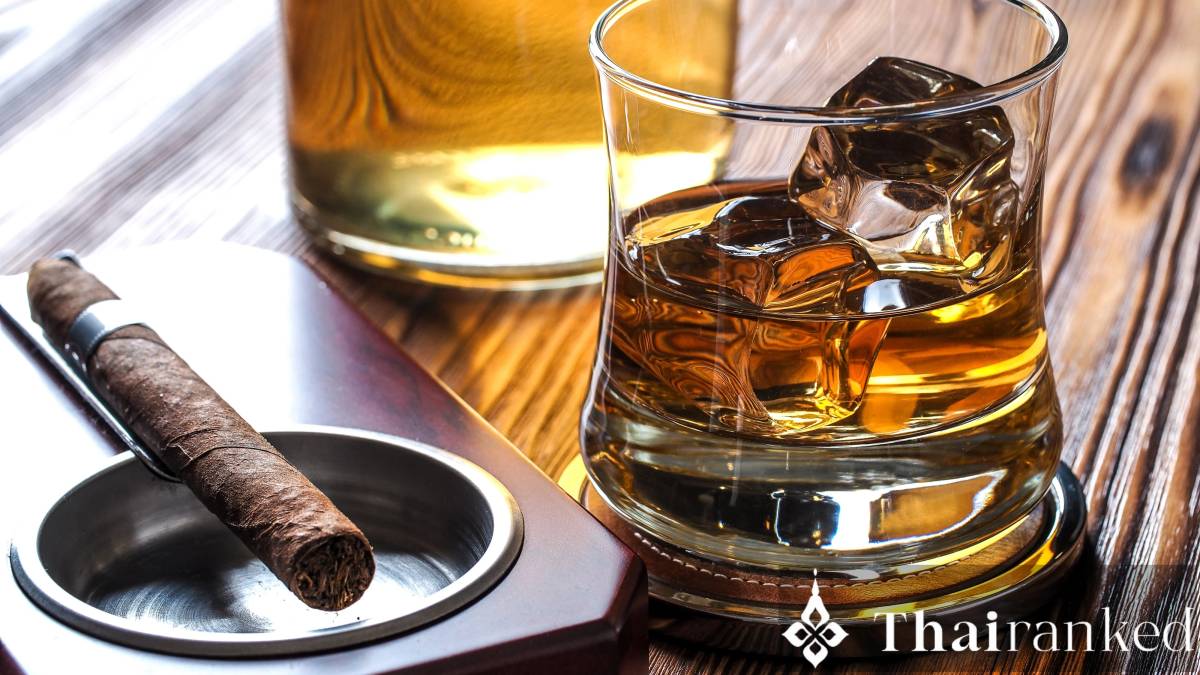
Nam: Each passenger aged 18 or older can bring the following quantities into Thailand duty-free: - Alcoholic beverages: up to 1 litre in total. - Cigarettes: up to 200 cigarettes. - Cigars or other tobacco: up to 250 grams in total, subject to the cigarette limit. These allowances apply individually to each eligible passenger. You cannot combine allowances with other travellers to bring in larger quantities. If you carry more than the permitted amount, use the Customs declaration procedure or follow the instructions of Customs officers. Excess cigarettes, tobacco or alcohol may be confiscated.
Highlight
Thai Customs sets firm limits. You can bring in up to 1 liter of alcohol. You can bring in up to 200 cigarettes or 250 grams of tobacco. Go over the limit and officers can seize the excess and fine you. Split loads across a group, and you risk a fine for each person. Keep duty‑free receipts at hand. Open bottles can raise questions, so keep seals intact. Do not bring loose rolling tobacco in bulk, as that looks like a resale plan. Enjoy a welcome drink at your hotel bar instead of dragging a case through the red lane. The limit resets on each entry, not per bag. Follow the numbers and you walk through faster.
See also



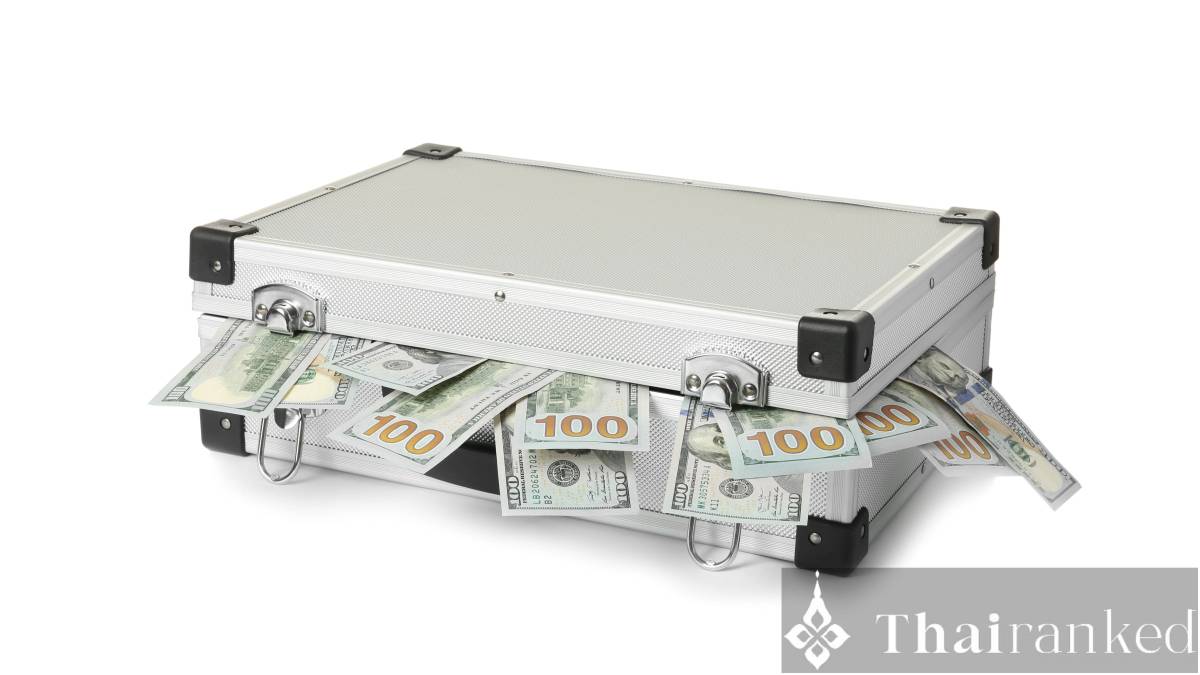
4. Cash, Currencies, and Bearer Instruments: Declare Above the Threshold
Form needed at USD 20,000+
Nam: Travellers carrying foreign currency banknotes worth more than USD 15,000 or the equivalent must declare the amount to Thai Customs when entering or leaving Thailand. Thai baht banknotes have separate limits when taken out of the country, depending on the destination. Keep supporting documents for large amounts of cash and check the latest requirements before travelling.
Highlight
Thailand requires a declaration if you bring currency or bearer negotiable instruments worth USD 15,000 or more, or the equal value in other currencies. Walk through the red channel and fill the form. Keep bank slips or withdrawal records that match the amount. Customs and AML officers ask where the funds came from and how you plan to use them. You can carry less without a form. Spread among friends to dodge the rule and you invite trouble. Declare once, keep the copy, and move on. Move large sums by bank transfer for a cleaner paper trail. Cards and mobile wallets work across Thailand for most spending.
5. Food, Plants, and Animal Products: Tread With Care
Pack snacks, skip fresh goods
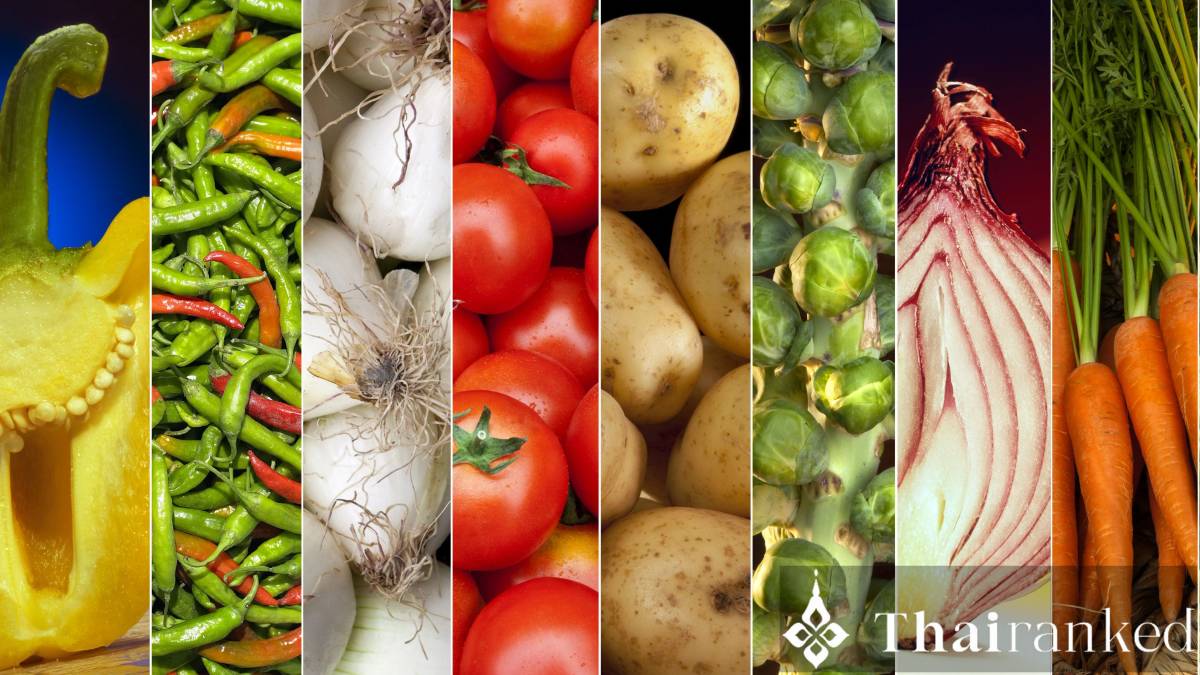
Nam: Not all food products can be brought into Thailand freely. The Thai FDA allows certain food products for personal consumption within specific quantity limits. Fresh fruit, vegetables, meat, dairy products, plants and seeds may be subject to additional import restrictions, permits or inspections. Packaged snacks, coffee and tea are not automatically exempt from food import rules. Check the permitted quantities and requirements before packing them. Products containing cannabis or hemp extracts may also be restricted or prohibited.
Highlight
Packaged snacks for personal snacking pass with no issue in small amounts. Fresh fruit, meat, dairy, eggs, and seafood sit under plant and livestock controls. Officers can seize fresh or cured meat, even sealed. Seeds, live plants, and cuttings need a phytosanitary certificate and a Thai import permit. Many countries bar meats in cabin bags, and Thailand backs that with checks. Honey and milk powder draw extra looks. Declare and show permits if you hold them. Skip soil, untreated wood, and raw nuts in bulk. One or two gift packs of tea, coffee, or candy stay fine. You protect farms and forests when you keep this clean.
6. Drones, Cameras, Laptops, and Power Banks: Bring, Then Register or Declare
Personal tech is fine with limits
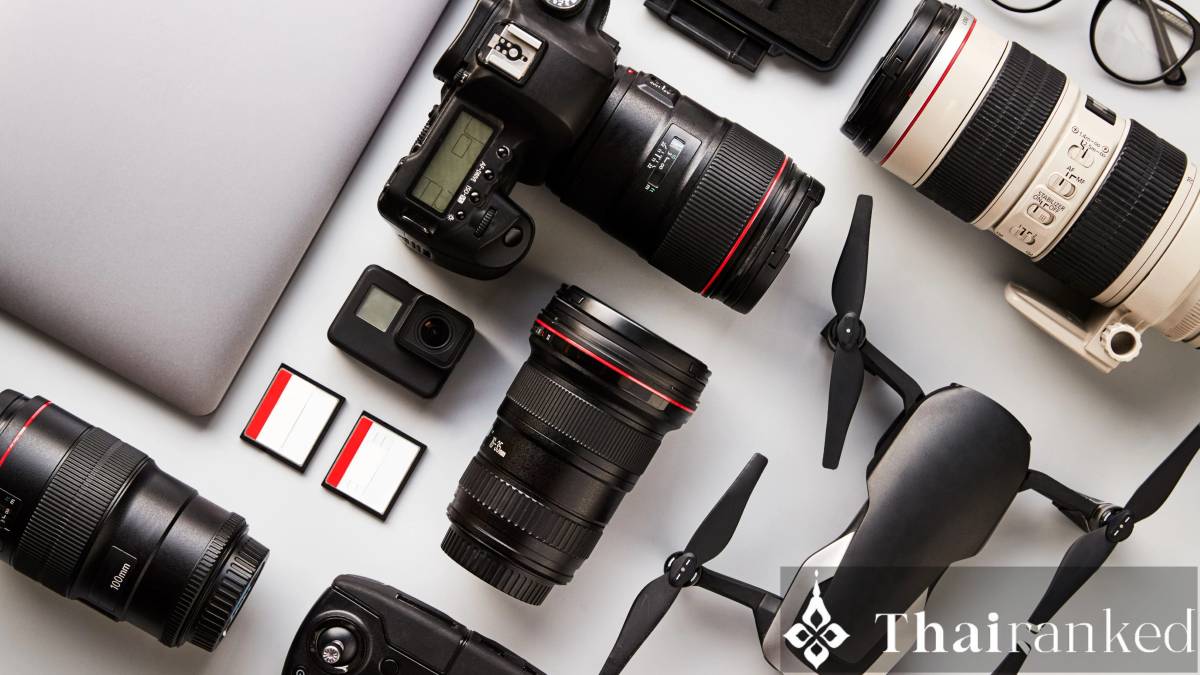
Nam: Personal electronics such as laptops, mobile phones and cameras can generally be brought into Thailand for personal use. If you plan to fly a drone in Thailand, you must check the registration requirements before operating it. Drone owners generally need to register with the NBTC, while applicable drones and pilots must also be registered with the CAAT. Drones equipped with cameras require registration regardless of weight. Power banks must be carried in cabin baggage, never checked luggage. Under Thailand's updated aviation rules: - Up to 100 Wh: permitted. - More than 100 Wh but no more than 160 Wh: requires airline approval. - Maximum: 2 power banks per passenger. - Charging or using power banks during the flight is prohibited under the updated rules.
Highlight
You can bring a laptop, phone, and a camera for normal use. Drones need care. Register with the telecom regulator and the aviation authority before you fly. Bring proof of purchase for new drones or lenses. If the value of goods you bring for personal use goes beyond the duty‑free allowance, declare and pay the duty. Airlines set limits for lithium batteries. Keep power banks in carry‑on and stay under the watt‑hour cap your airline lists. Pack spare drone batteries in fire‑safe sleeves. Carry a memory card case to avoid bent pins. Officers focus on resale risk and safety. Keep it personal and you pass.
7. Cosmetics, Vitamins, and Supplements: Keep It Personal
Small quantities for personal care
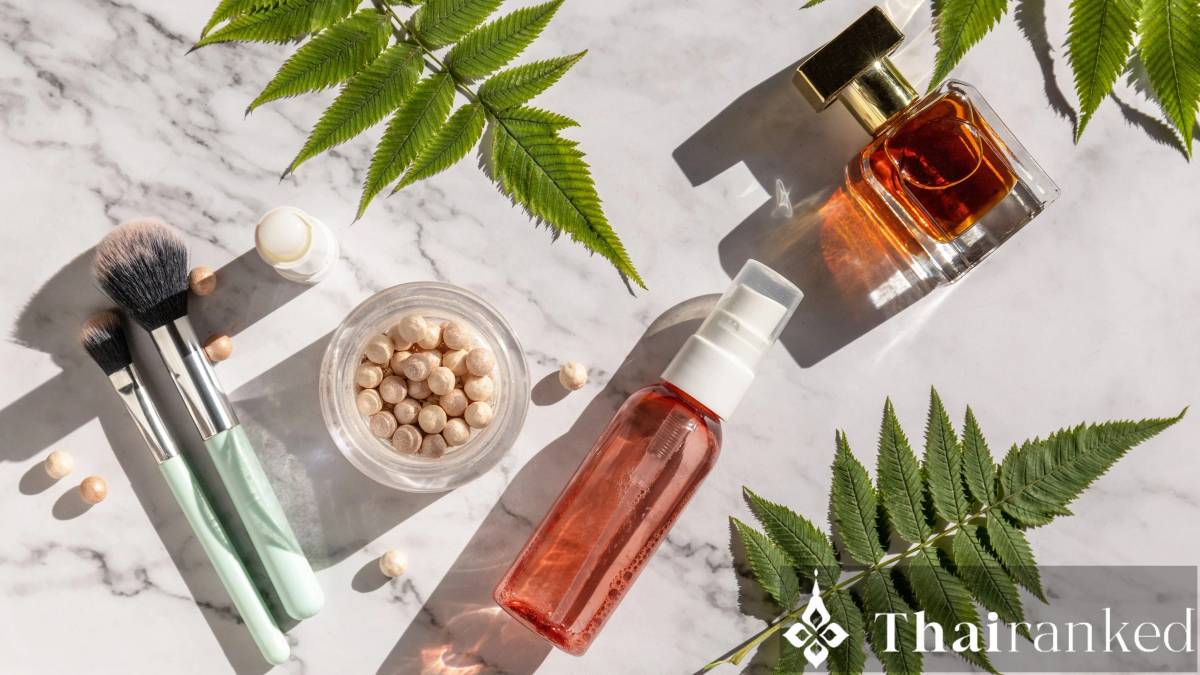
Nam: Cosmetics, vitamins and dietary supplements should be brought in reasonable quantities for personal use, not for resale. The Thai FDA provides specific personal-use allowances for different health products. For ready-made cosmetics, the published allowance is up to 6 pieces of each type, with a maximum of 30 pieces in total. Food supplements may be subject to food import requirements, while certain herbal products have separate restrictions. Avoid bringing products containing prohibited ingredients, including restricted cannabis or hemp extracts.
Highlight
A few bottles of shampoo, sunscreen, or skincare sit squarely in personal use. A suitcase full of face serums reads like a business import. Multivitamins, protein powder, and herbal capsules pass in small amounts. Ingredients banned in Thailand trigger seizure. Slimming pills with sibutramine and some stimulant blends sit on that list. Read labels before you pack. Seal jars and tubs to prevent leaks. Keep powders in original containers with a label. Officers may sample liquids to rule out alcohol or narcotics. If you plan a bulk restock for a salon or a gym, ship through a broker and clear formal import steps.
8. Cultural Heritage, Buddha Images, and Antiques: Respect Sacred Rules
Permits for statues and antiques
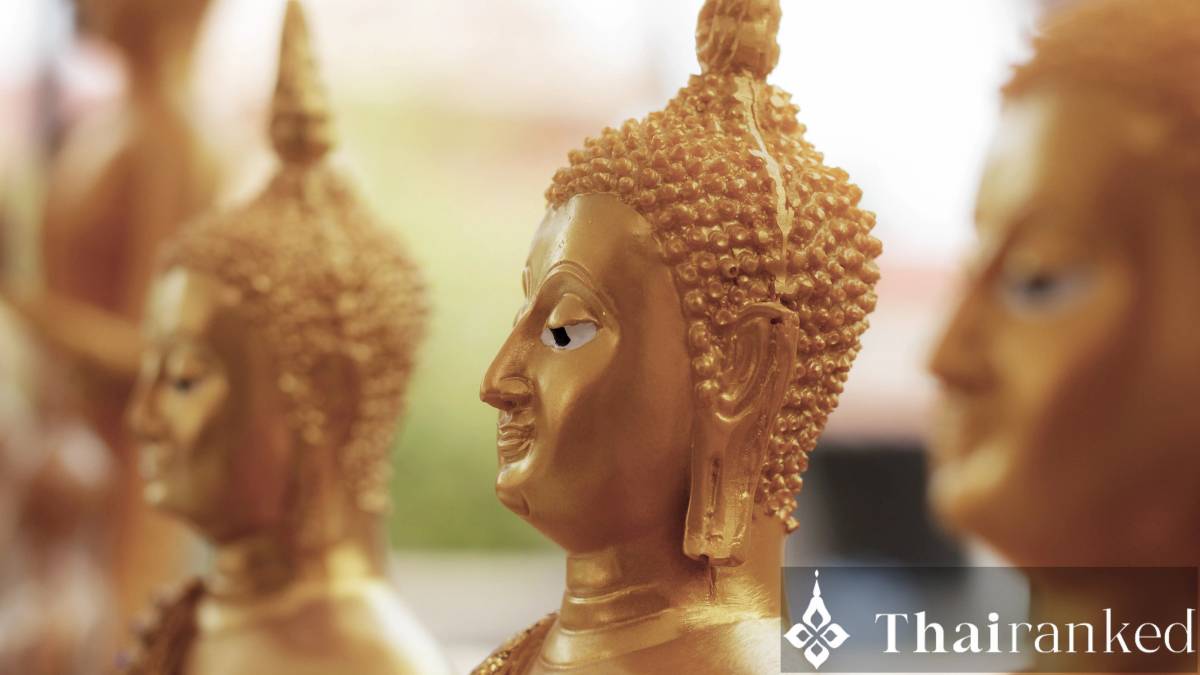
Nam: Taking Buddha images, antiques, archaeological objects and certain artworks out of Thailand may require an export permit from the Fine Arts Department. A shop receipt alone is not sufficient permission to export a restricted cultural object. Travellers should contact the Fine Arts Department before purchasing or attempting to take these items out of Thailand. The department may need to inspect the object and supporting documents before issuing an export permit. Small religious amulets and other personal devotional items may be treated differently depending on their type and legal classification. Check with the relevant authority rather than assuming they are exempt.
Highlight
Thailand protects cultural items. Large Buddha images and antiques need permits for moves across borders. Small amulets and modest home altar items for worship pass for personal use, but officers can still ask for proof. Do not buy artifacts with unclear origin. You fund theft if you do. Sellers promise “export papers” that do not exist. Museums and officials guard sacred art, and they cooperate with airports. Take photos of temple art, then buy modern crafts from known makers. If you plan to move a large statue for a home shrine, work with the Fine Arts Department and secure paperwork before you fly.
Missing a business you'd recommend?
Tell us who belongs on this list and our editors will review it.
Regulations can change. Always check with Thai Customs, the Thai FDA and the relevant authorities before travelling. For customs enquiries, contact Thai Customs at 1164.
Firearms, ammunition and certain weapons are subject to strict import restrictions and require permits from the relevant Thai authorities. Do not bring these items without checking the requirements in advance.
Power bank and battery limits are aviation safety rules set for flights, not customs import rules.
Official links
- Thai Customs
- Thai FDA: permits for travellers bringing medicines
- NBTC: drone registration
- CAAT: drone (UAS) portal
- Fine Arts Department: export permits for Buddha images and antiques
Information checked: November 2026.
After you clear Customs, sort your ride and route. If you land at Don Mueang, use our guide to reach Sukhumvit by taxi, Red Line train, or bus. Heading north next week, check routes in How to Get to Chiang Mai from Bangkok. For tips on safe food and water or the full list of Thailand’s biggest festivals, use internal lists to prep for your trip. Thailand rewards simple prep. Pack within the rules, and you gain back time for beaches, temples, and the street food you flew here to enjoy.
by Nam Thairanked
Nam is Thairanked's editor in Bangkok. She checks every business on her lists herself (the reviews, the photos, the details) and updates a list when something changes.
What people ask about
"What You Can and Cannot Bring Through Thai Customs"
Here you will find answers to the most popular questions about Thailand.