Thai Table Manners Ranked: 5 Rules You Might Break
March 15, 2026 05:10 AM
Thai table manners, decoded. From spoon-and-fork etiquette to the chopsticks-in-rice taboo, learn 5 rules travelers often break and eat confidently like a local.

by Thairanked Guide
Thairanked helps you discover great places in Thailand!
Table of Contents
Search Hotels & Flights
You might like







Table of Contents
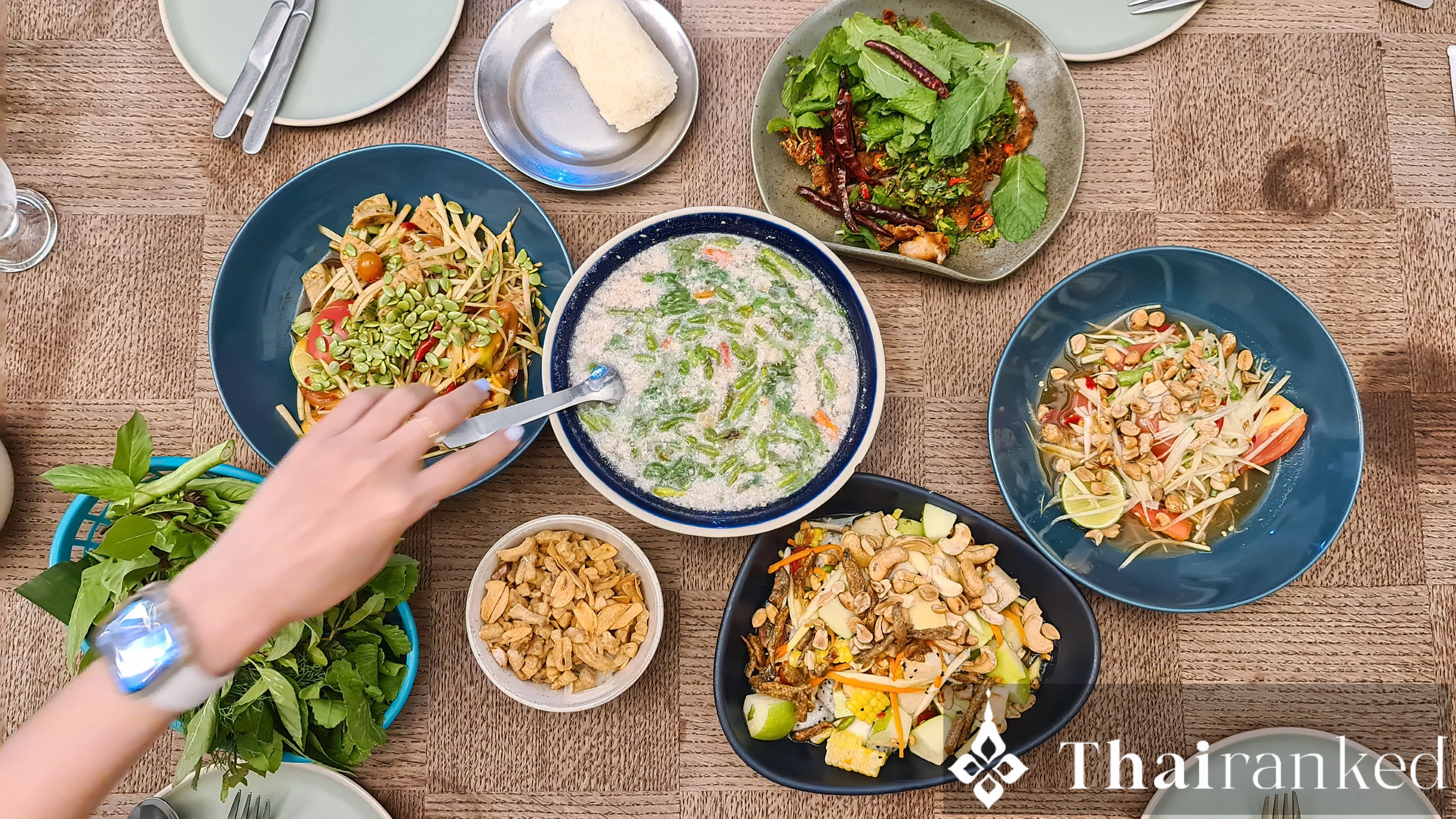
Think you’ve mastered Thai dining? If you’re reaching for chopsticks with every meal or slicing curry with a knife, you might be quietly breaking Thai table manners. Thai dining etiquette is subtle, practical, and deeply tied to culture. Meals are typically shared family-style, rice is the undisputed star, and the humble spoon does most of the work. Get a few small habits right, and you’ll blend in seamlessly at street food stalls, food courts, and celebratory banquets alike.
At its heart, Thai dining reflects harmony, courtesy, and consideration for others. You’ll notice how quickly serving spoons appear, how the table waits for elders to begin, and how flavors are adjusted at your own plate, not in the communal dish. These gestures channel kreng jai, the Thai instinct to be considerate and avoid inconveniencing others. If you’re new to this concept, our quick primer on kreng jai in Thai culture helps explain why etiquette matters beyond the table.
Below are the five Thai table rules travelers most often trip over, ranked by how likely they are to catch you out. From why spoons outrank forks to why sticking chopsticks in a rice bowl is a serious no-no, this guide will have you ordering, sharing, and savoring like a local in no time.

1. Spoon beats fork, and knives stay in the drawer
The spoon is king, fork is the helper
Highlight
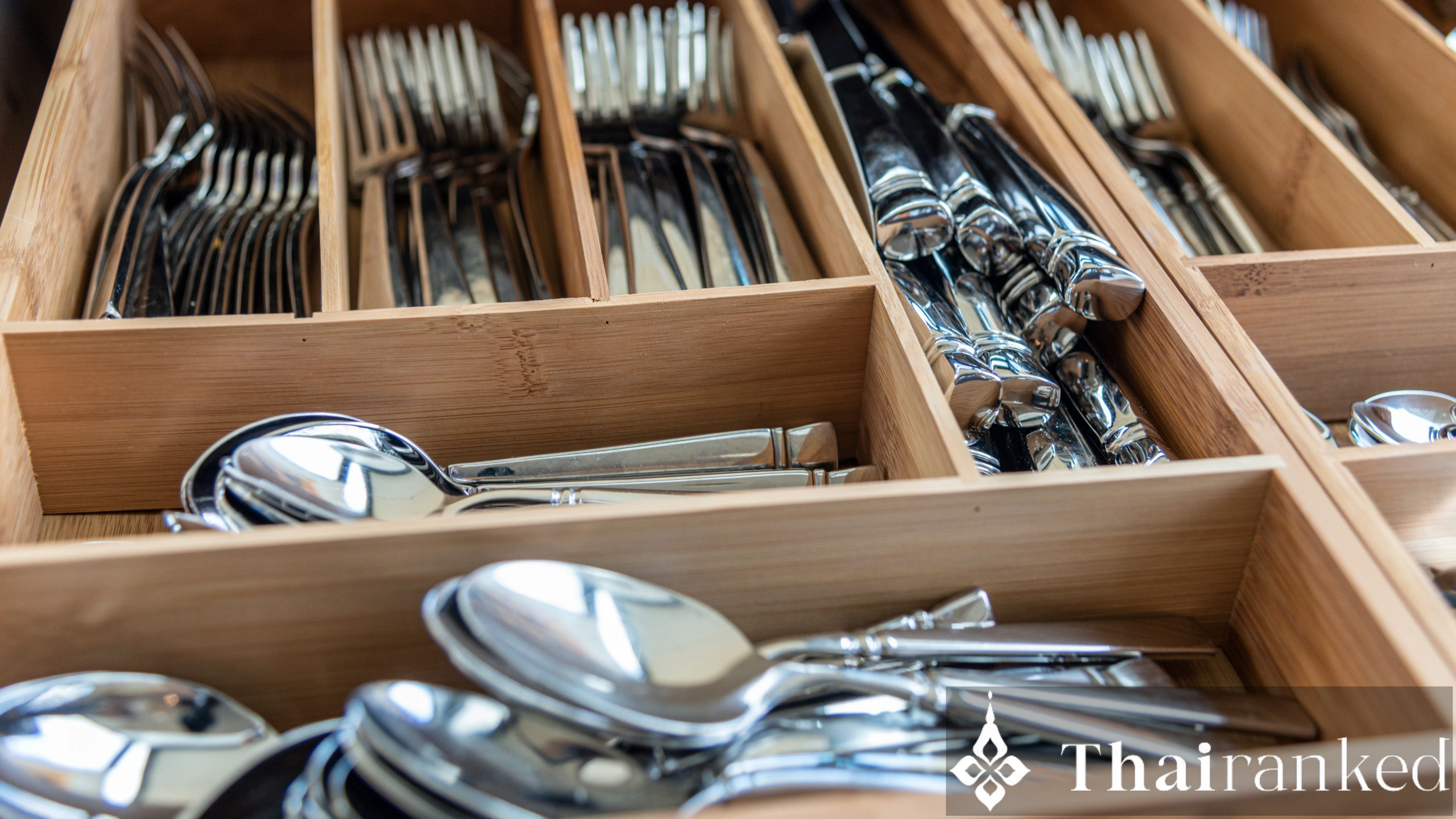
The single biggest shift for newcomers is utensil choice. In Thailand, the spoon is your primary tool, held in the right hand, while the fork, in the left, simply helps push food onto the spoon. You generally don’t put the fork in your mouth, and you almost never need a knife because Thai dishes are served bite-sized. If something’s a little large, use the edge of your spoon to cut it against your plate. This method keeps eating tidy and fast, ideal for rice-centric meals. At Western restaurants, knives naturally appear, but at Thai places, the spoon-and-fork is the norm. For noodle soups, expect chopsticks with a soup spoon. For sticky rice in the North and Isan, clean hands are perfectly proper, rolling small rice balls to scoop up grilled meats and spicy dips. Follow this rhythm, and you’ll instantly look more local.
2. Never stick chopsticks upright in a rice bowl
A funerary symbol locals avoid
Highlight
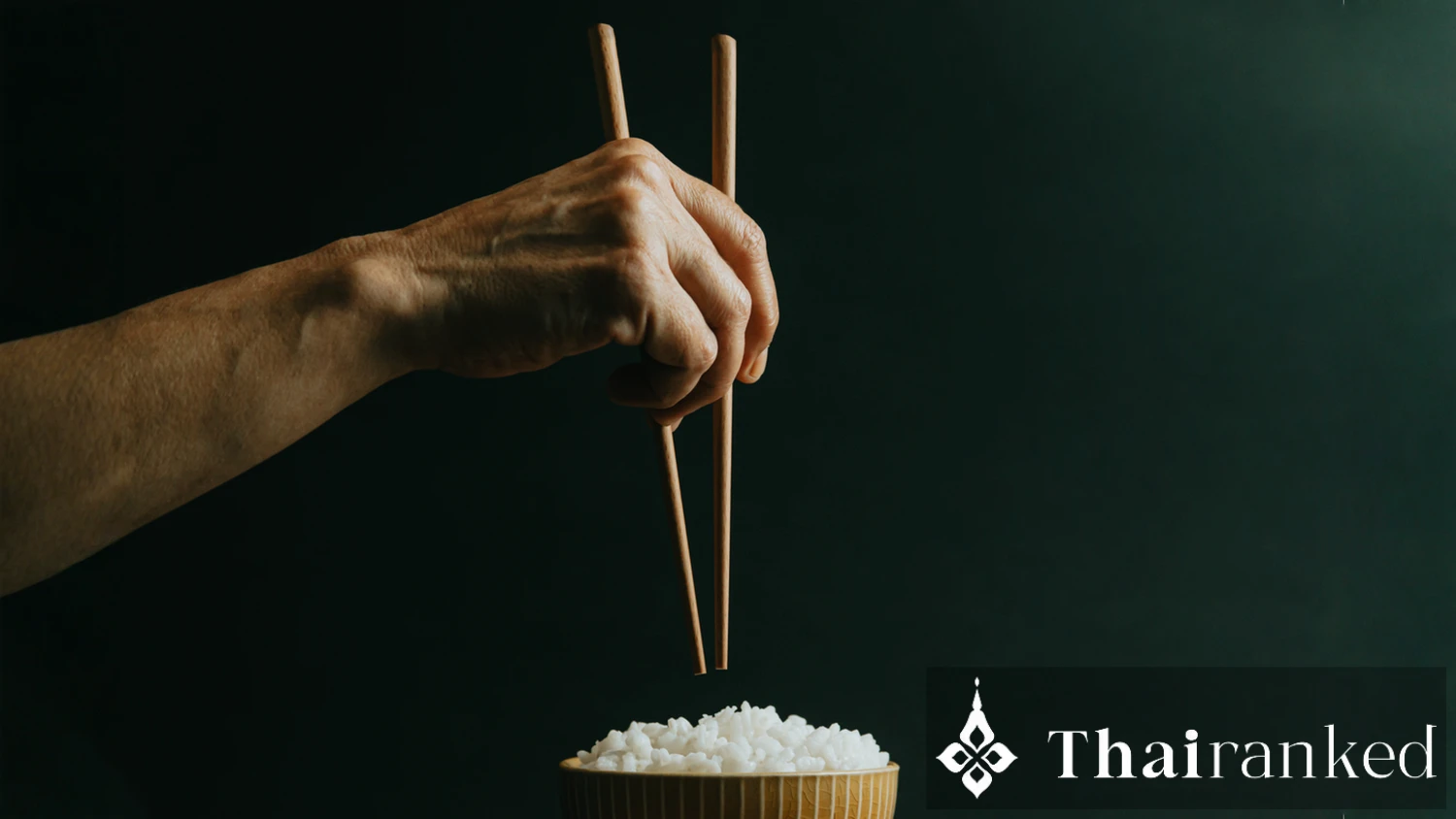
Placing chopsticks straight up in rice may seem harmless, but in Thailand it resembles incense offerings at funerals, making it a strong cultural taboo. Instead, rest chopsticks on a holder, lay them neatly across the bowl’s rim, or return them to the wrapper between bites. Also note that chopsticks are mostly for noodles and many Chinese-Thai dishes, not for eating plain rice, which is best handled with a spoon and fork. Avoid spearing food with chopsticks, waving them around while talking, or licking them clean. These small courtesies show respect for the meal and the people who prepared it, and they prevent awkward stares at a busy noodle shop.
3. Let elders lead: seating, serving, and starting
Respect first, then dig in
Highlight
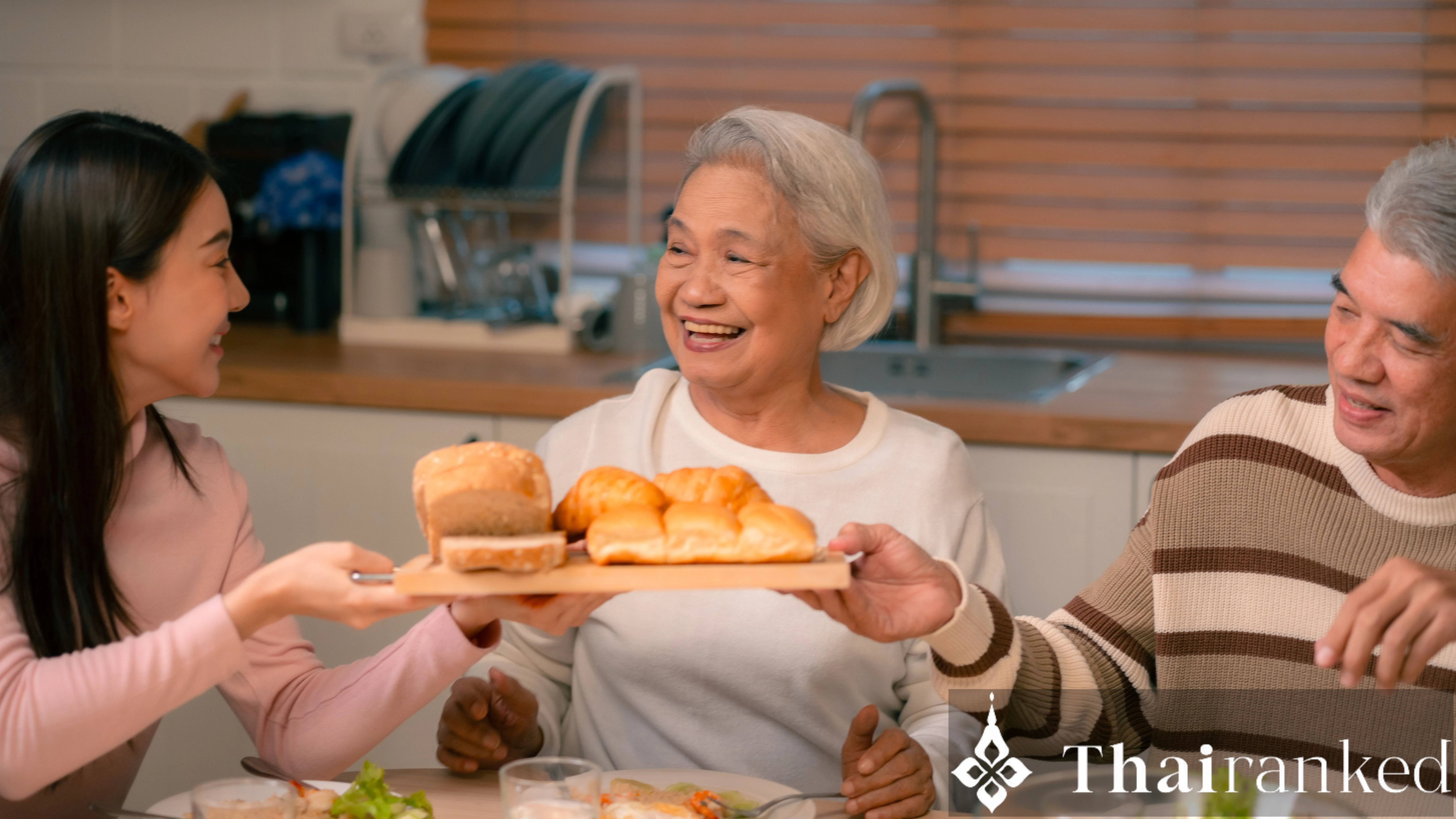
Thai meals reflect social harmony, so deference to elders comes first. If there’s a head seat, it’s usually offered to the most senior person, who is also served first. At casual tables, wait to start until the elder lifts their spoon or invites everyone to eat. Pour water or refill glasses for others before yourself, and offer to pass dishes to anyone seated farther away. These gestures, while simple, carry a lot of meaning in Thailand, signaling respect and consideration. If you’re unsure, watch the group’s pace, match it, and you’ll rarely go wrong. Compliments are always welcome too, so a warm “aroi mak”, meaning “very delicious”, will earn smiles all around.
See also
4. Share like a local: small portions, serving spoons, no double-dipping
Family-style done neatly and fairly
Highlight
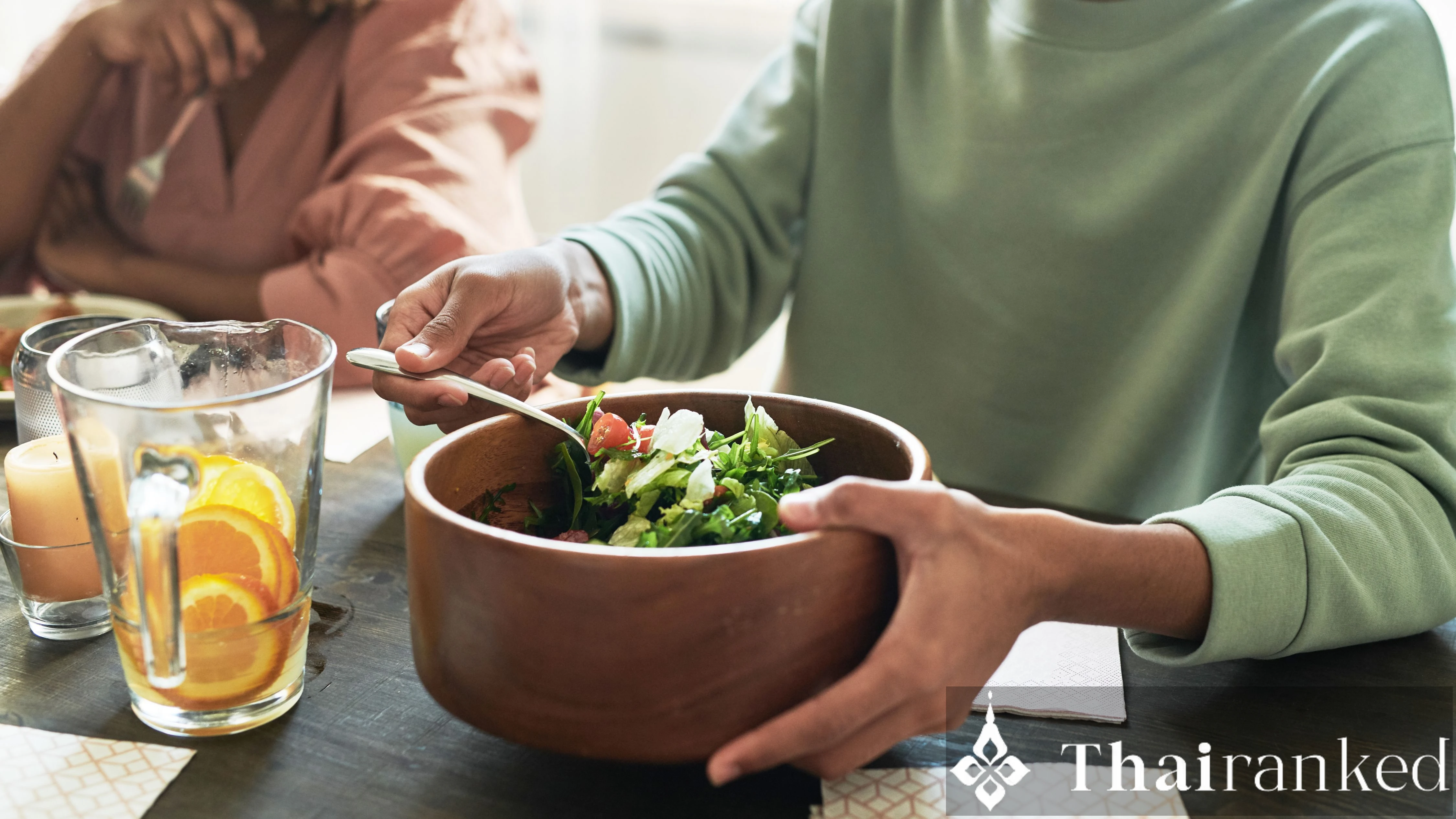
Thai meals are usually shared, but the eating happens on your own plate of rice. Use the serving spoon provided, or ask for one, to move a small portion from the communal dish to your plate, then eat from there. Resist mixing rice directly into shared soups or curries, and avoid double-dipping into sauces. Take little and often rather than heap your plate, which lets everyone taste a variety of dishes while they’re hot. If there’s a lazy Susan, turn it gently and check that no one is still serving. For the “last piece”, it’s polite to offer it around first before taking it yourself. These habits keep the table tidy and the vibe friendly, even at a busy shophouse or family feast.
5. Respect the rice: taste first, season lightly, don’t waste
Make rice the star, not the casualty
Highlight
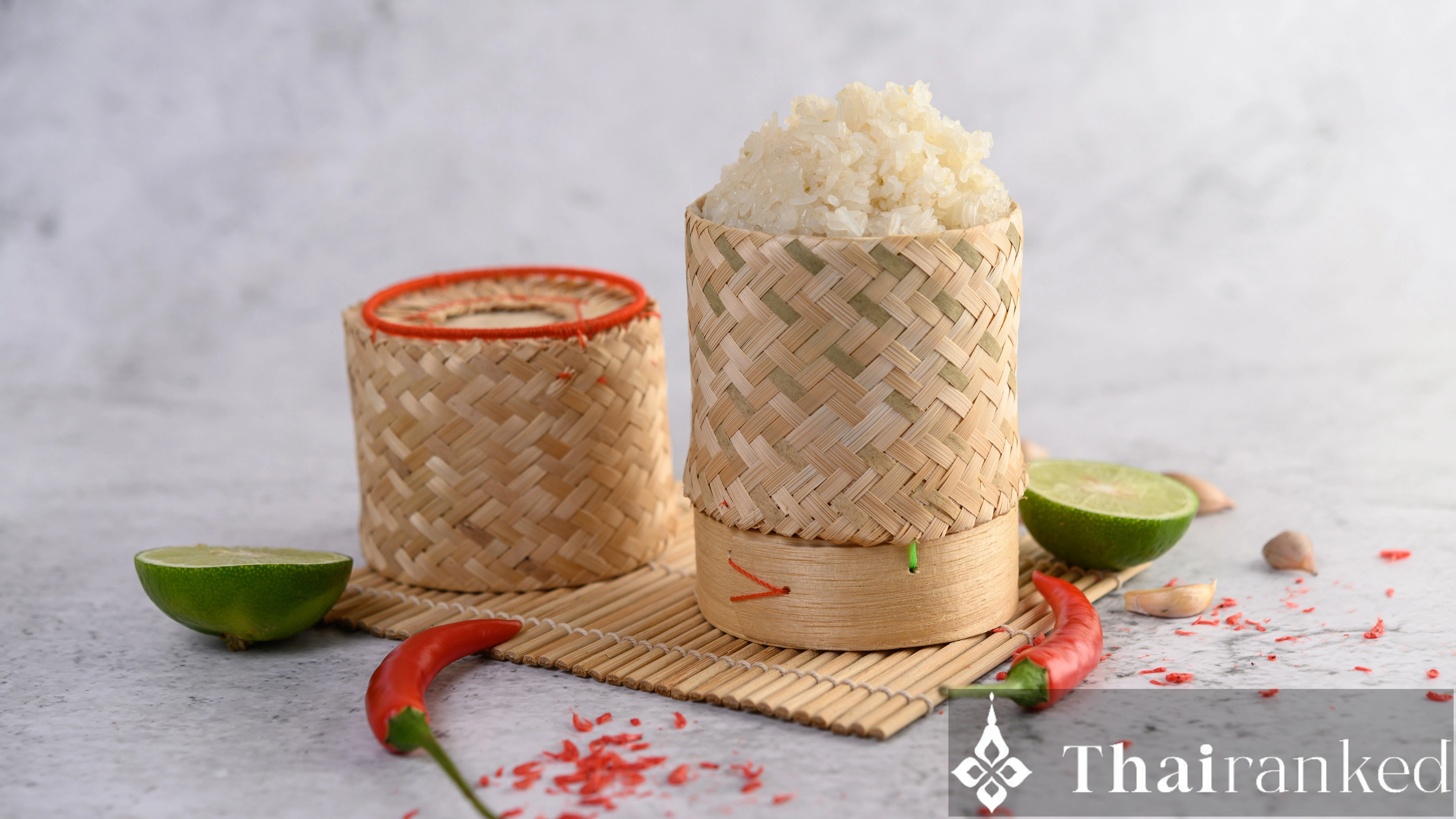
Rice isn’t just a side in Thailand, it’s the foundation of the meal and carries cultural respect. Start by tasting dishes as served, then season on your own plate with chilies, vinegar, sugar, or fish sauce as needed. Avoid drowning food in condiments or pouring sauces directly over a pristine mound of rice. Take modest portions so you can finish everything you’ve taken, especially the rice, which many Thais were taught never to waste. Eating sticky rice? Use clean hands to roll small bites and keep the basket covered so it doesn’t dry out. Keep your plate on the table, eat at a relaxed pace, and leave the setting as tidy as you found it. It’s a quiet nod to the cook, the ingredients, and the shared table.
Nail these five basics, and Thai dining suddenly clicks. Use the spoon as your main utensil, never park chopsticks upright in rice, give elders the first move, share neatly with serving spoons and small portions, and respect rice by taking only what you’ll finish. Together, these habits show consideration, keep the meal flowing, and help you taste dishes the way Thai cooks intend.
Ready to practice in the real world? Casual sharing and utensil etiquette are easiest to observe at markets and temple fairs. Browse our picks of Bangkok’s best night markets to graze through snacks, noodles, and curries while watching how locals eat. For culture-rich feasts with music and games, learn how meals unfold at community fairs in our guide to Thai temple fairs. With these rules in mind, you’ll feel confident at any Thai table, from humble shophouses to festive family banquets.
by Thairanked Guide
Thairanked helps you discover great places in Thailand!
What people ask about
"Thai Table Manners Ranked: 5 Rules You Might Break"
Here you will find answer to the most popular questions.