Thai Summer Fruits
March 06, 2026 02:30 AM
Last edited: March 16, 2026
From mangosteen and durian to rambutan and longan, discover Thailand’s most bizarre-looking summer fruits, how they taste, and easy tips to pick the best ones.

by Thairanked Guide
Thairanked helps you discover great places in Thailand!
Search Hotels & Flights
You might like









Thai summer, roughly March to May, is fruit heaven. Market stalls overflow with spiky, scaly, and downright alien-looking produce that might intimidate first-timers, yet these fruits are some of the most refreshing treats you can find in the tropics. This guide spotlights the most bizarre-looking, but absolutely delicious, Thai summer fruits you’ll spot across Bangkok and upcountry wet markets, along with simple tips on how to choose them like a local.
Here’s a quick rule of thumb for shopping: choose fruits that feel heavy for their size, have a pleasant aroma, and offer a slight give near the stem when ripeness is desired. Avoid fruits with deep cracks, leaking latex, or fermented smells. Most vendors are happy to pick, open, and prep fruit for you on the spot, so don’t be shy to ask. If you’re catching the BTS or MRT, consider buying pre-cut sealed packs to keep things tidy, especially with sticky or aromatic options like durian and jackfruit.
Below, we rank icons like the regal mangosteen, the controversial durian, and crowd-pleasers like rambutan and longan, plus lesser-known stars such as snake fruit and cotton fruit. We’ll tell you what they taste like, when they’re in season, how to open them without a mess, and how to pick a winner from the pile. Whether you’re a traveler on a street food crawl, an expat shopping your neighborhood market, or a fruit-curious foodie planning a day trip, this is your cheat sheet to Thailand’s weirdest-looking, summer-sweetest fruits.

1. Mangosteen
Tropical perfection in snow-white segments
Highlight
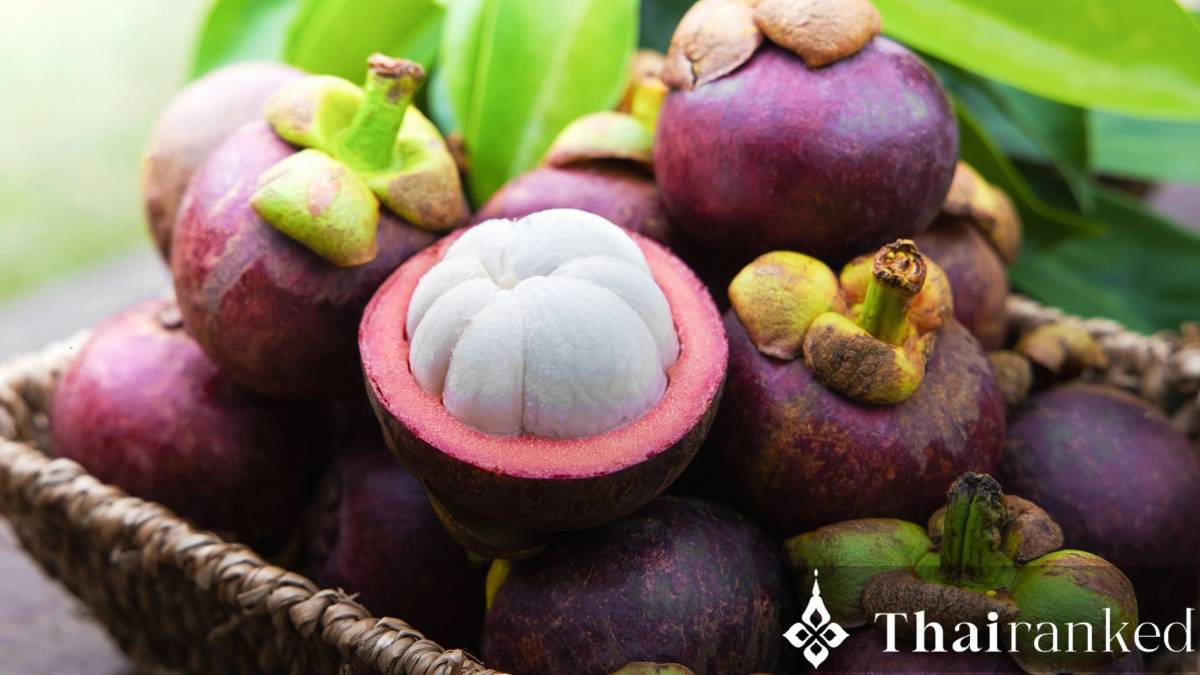
Don’t let the thick purple rind fool you, mangosteen hides snowy-white segments that taste like a perfect mash-up of peach, lychee, and citrus, with a floral perfume and a clean, refreshing finish. Peak season is roughly May to August. To open, score the equator with a knife or press gently until the shell cracks, then twist. Eat the segments like candy, minding the occasional soft seed in the larger lobes. Choosing tip: pick fruit that’s heavy for its size with a deep purple, slightly glossy shell and a pliable green calyx. If the rind is rock-hard, dry, or cracked, it’s likely over-the-hill and difficult to open.
2. Durian (King of Fruits)
A creamy, divisive icon worth the leap
Highlight
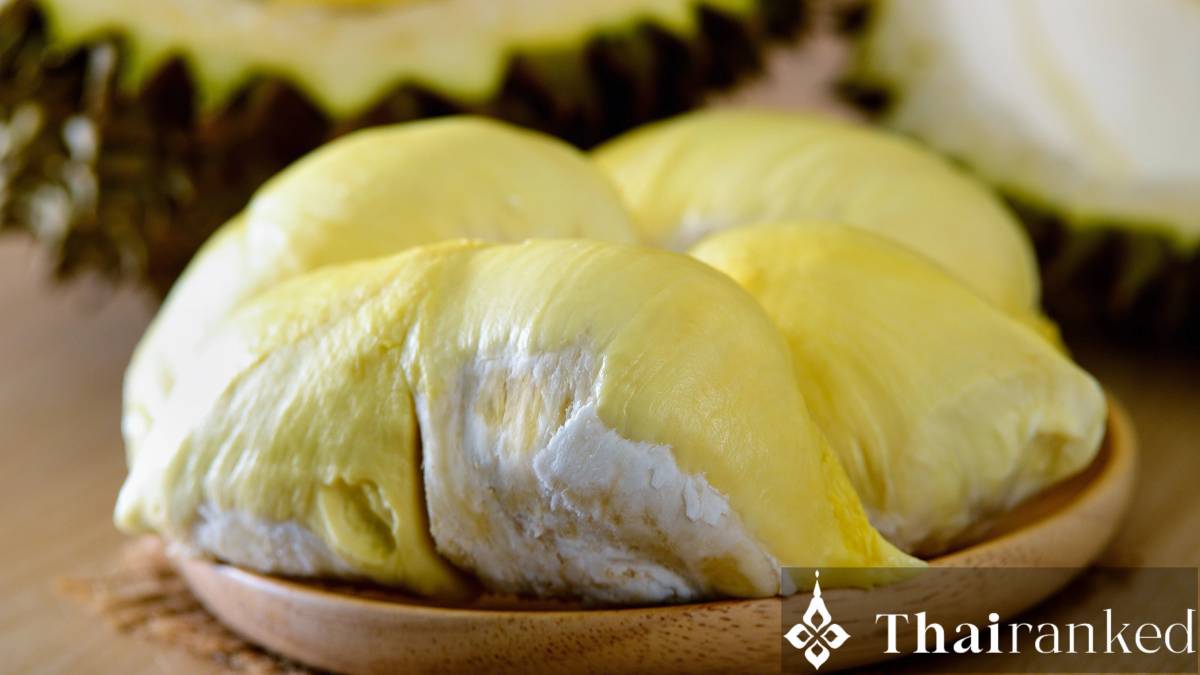
Spiky and polarizing, durian is beloved for its custardy, ultra-rich flesh with notes of almond, vanilla, and caramel. Thailand’s common varieties include Monthong, Chanee, and Kanyao, with harvests from April through August. Buy it pre-cut and sealed if you’re new, as many hotels and transport ban whole durians. Choosing tip: look for fresh, greenish stems, a gentle, sweet aroma, and seams that flex slightly when pressed. Monthong tends to be firmer and mild, Chanee softer and more aromatic. Avoid fruits that reek of fermentation or have moldy spikes. Pro move: oil your knife and hands to manage the sticky latex.
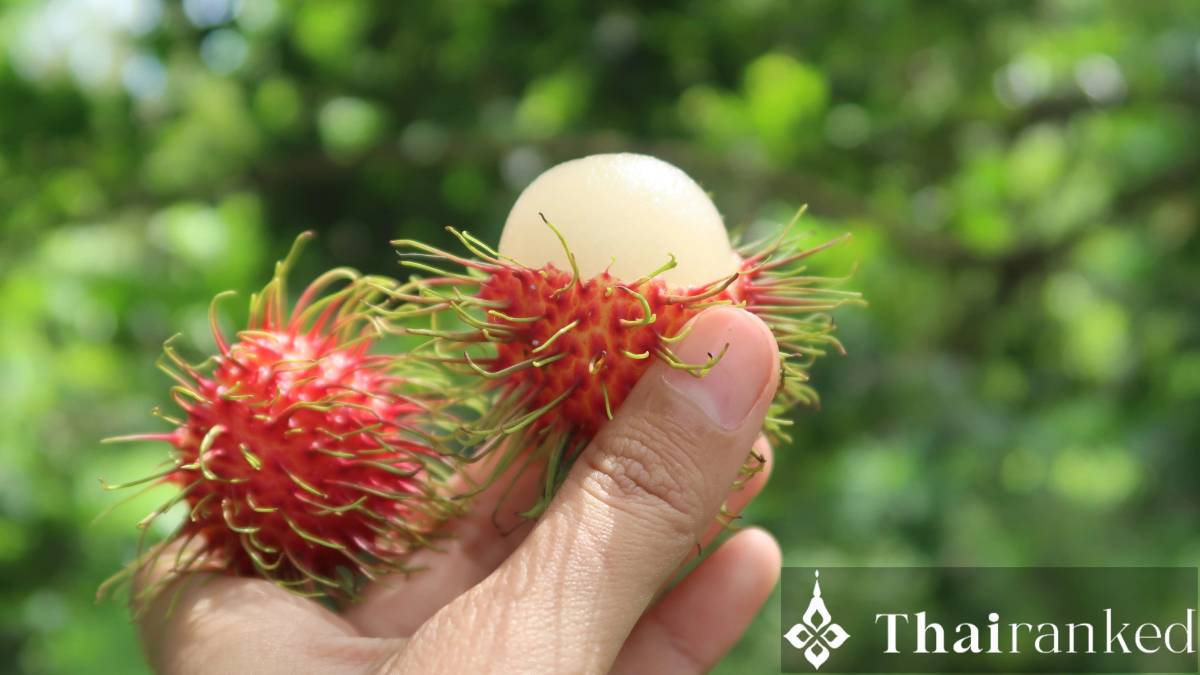
3. Rambutan
Hairy shell, juicy lychee-like heart
Highlight
With neon-green lashes on a ruby shell, rambutan looks wild but tastes like a juicier, more delicate lychee. The translucent flesh snaps with sweetness and a hint of rose. Peel by tearing the skin open at the middle and popping out the fruit. Season runs May to August in many regions. Choosing tip: select clusters with bright red shells and springy green spines; blackened tips or mushy spots mean they’re past prime. Some varieties cling to the seed, others separate cleanly, but both are wonderfully refreshing straight from the fridge.
See also





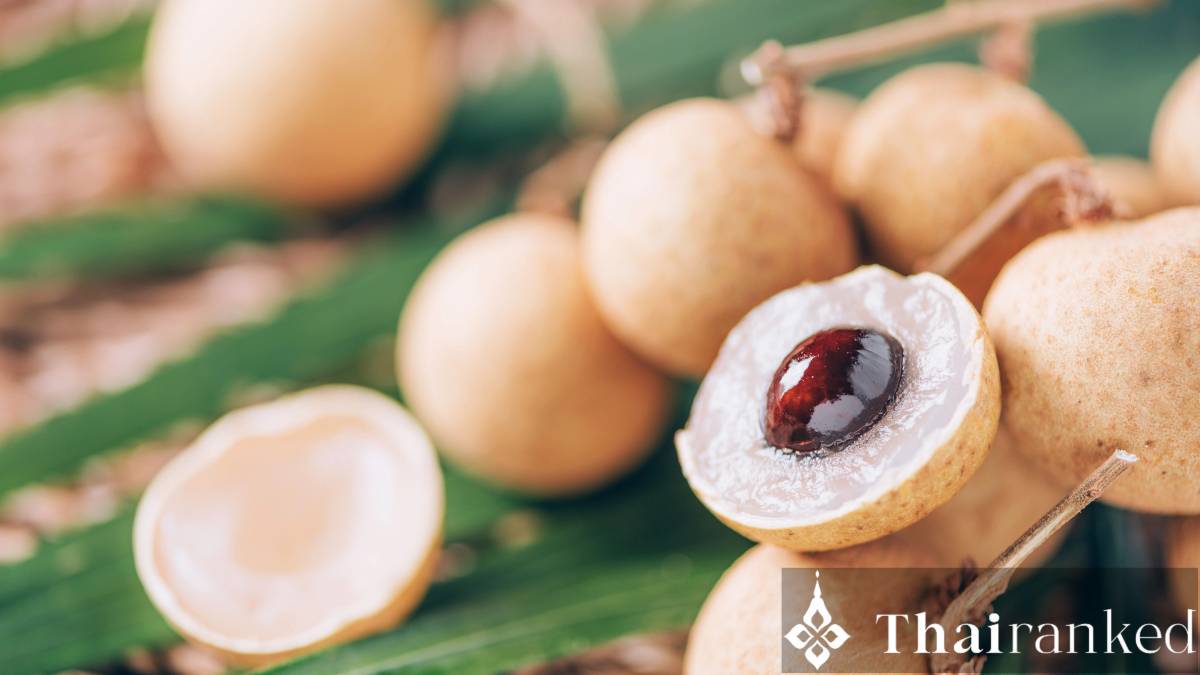
4. Longan (Lam Yai)
Sweet, perfumed pearls by the bunch
Highlight
Longan resembles marbles in a husk, but the pearly flesh is perfumed, honeyed, and slightly muscat-like. Northern Thailand, especially Lamphun, is famous for its crops, peaking July to September, though early supplies show up in summer. Crack the thin brown shell with a squeeze and pop the fruit free, avoiding the glossy seed. Choosing tip: pick bunches with taut, light-brown skins and fresh-looking stems; wrinkled shells and a boozy smell signal age. Longan is easy to carry, easy to share, and a perfect road-trip snack.
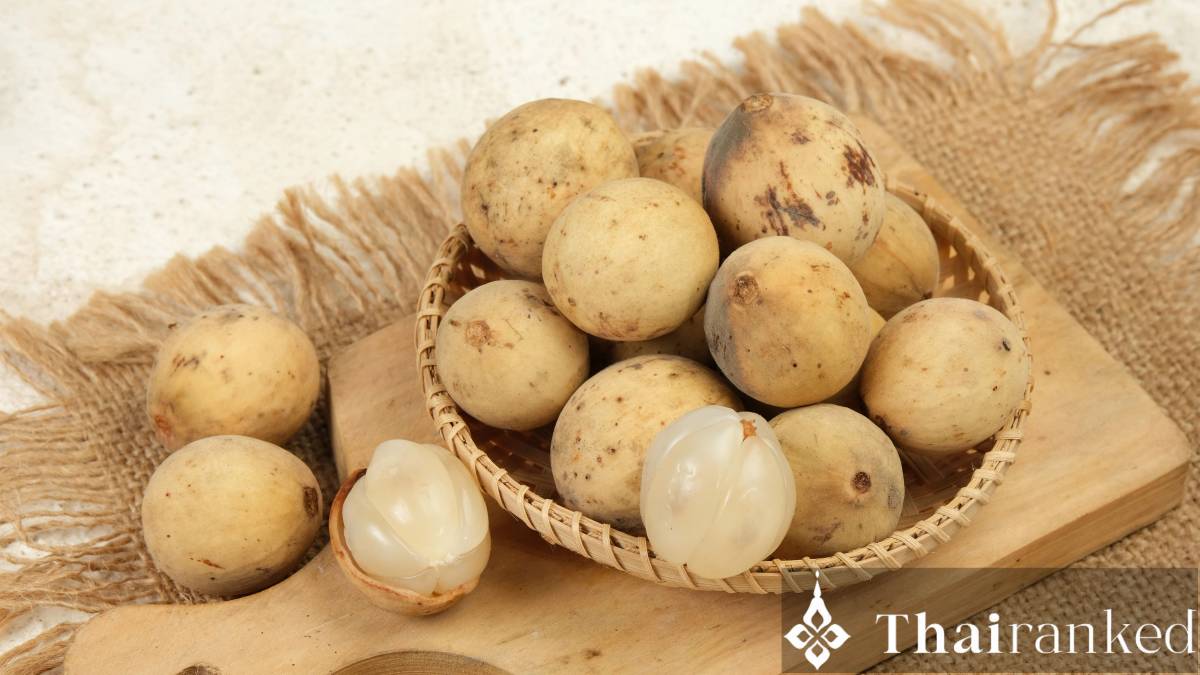
5. Langsat / Longkong
Citrusy bite in tidy little segments
Highlight
Often overlooked, these pale, grape-sized fruits peel to reveal 4–6 translucent segments with a bright, citrusy sweetness and a gentle grapefruit-like tang. Longkong, a close cousin of langsat, is typically sweeter and less resinous. Season generally spans May to October in southern provinces. To eat, pinch the skin to pop it open, then separate segments; watch for a bitter seed in one of them. Choosing tip: look for evenly pale yellow skins with minimal latex marks, and avoid clusters with many dark spots or sticky sap.
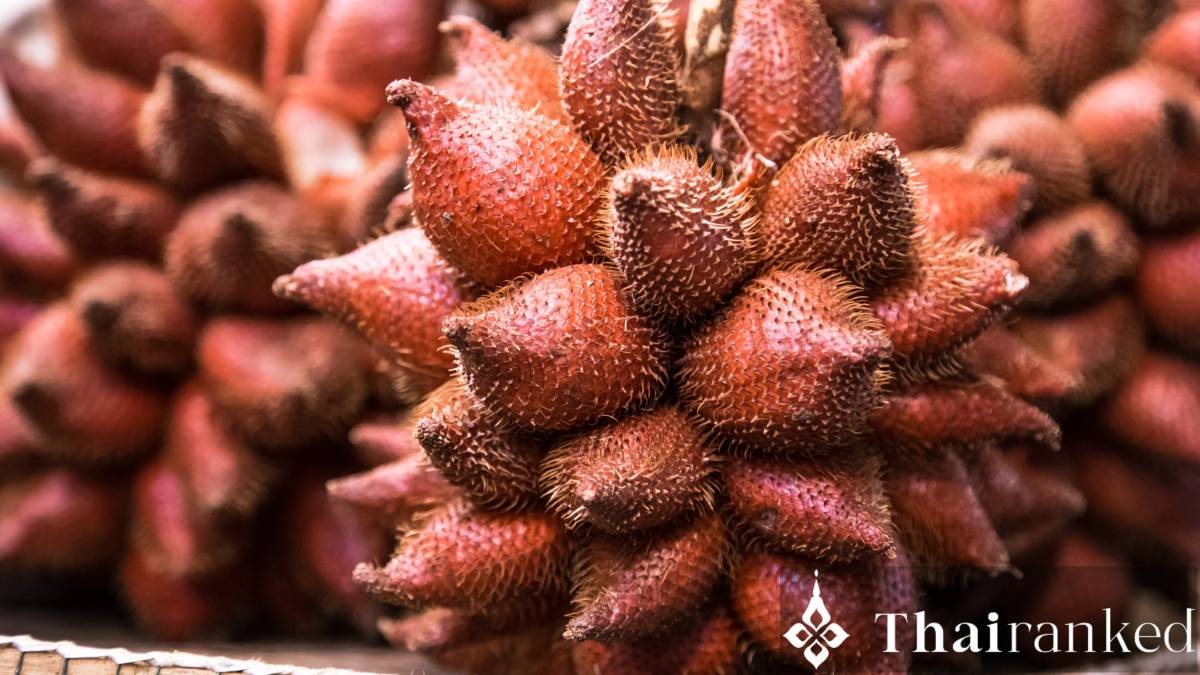
6. Salak (Snake Fruit)
Crunchy, sweet-tart cloves in snakeskin armor
Highlight
Salak’s reddish-brown, snakeskin-like scales hide crisp, garlicky-shaped cloves that are sweet-tart, aromatic, and slightly astringent, somewhere between pineapple and apple with a whiff of spice. It’s grown in central and southern Thailand with availability much of the year, peaking around the rains. To eat, gently peel from the pointed tip; the segments may contain a hard, inedible seed. Choosing tip: pick fruits with glossy, intact scales and a fragrant nose; they should feel firm but not rock-hard. Avoid fruits leaking latex or giving off a strong vinegar scent.
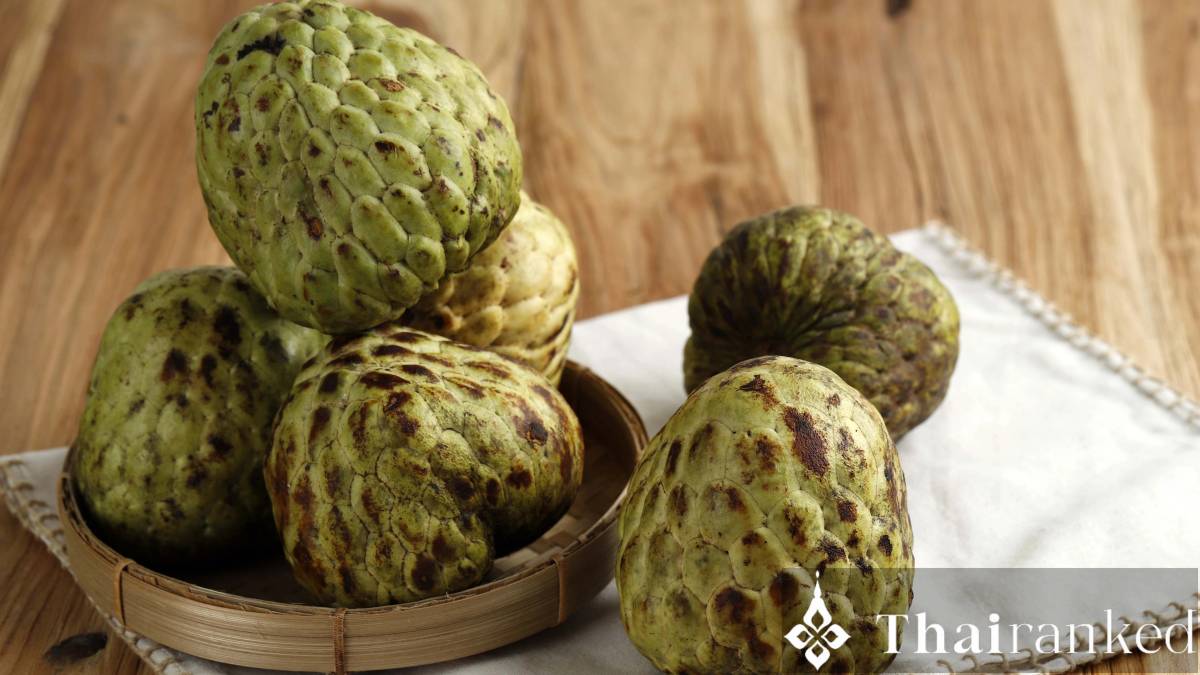
7. Sugar Apple (Noi Na, Custard Apple)
Lumpy shell, spoonable vanilla custard within
Highlight
This knobbly, segmented green fruit ripens to reveal lush, custardy flesh with notes of vanilla and pear. It’s messy in the best way, perfect chilled and spooned straight from the shell. Seasons vary by region, with good supply in summer into the rains. To open, wait until the segments naturally separate and the fruit yields to a gentle press. Choosing tip: avoid hard, dark-green fruits if you want to eat soon; instead look for lighter green, slightly soft specimens without bruising. Eat around the shiny black seeds and keep napkins handy.
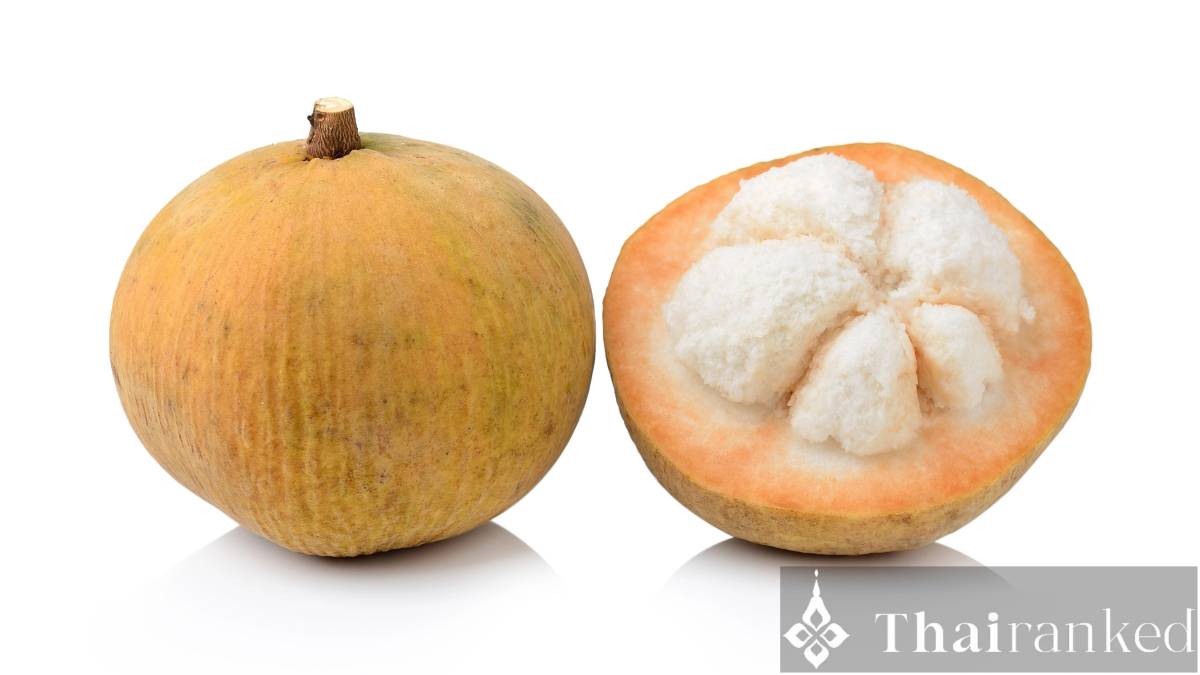
8. Santol (Cotton Fruit)
Puckery-sweet cottony bites, great with chili-salt
Highlight
Deceptively peach-like on the outside, santol hides cottony white arils that cling to the seeds, offering a puckery-sweet, tropical candy vibe. Thais enjoy it fresh with a chili-sugar-salt dip or simmered into tangy curries and jams. Prime months are May to August. Choosing tip: look for fruits with golden-yellow skin and a slight give; very green, rock-hard santol is more sour and takes time to ripen. Note that the thick rind contains sticky sap, so cut on a washable surface and avoid contact with clothes. Suck the arils clean and don’t bite hard into the seeds.
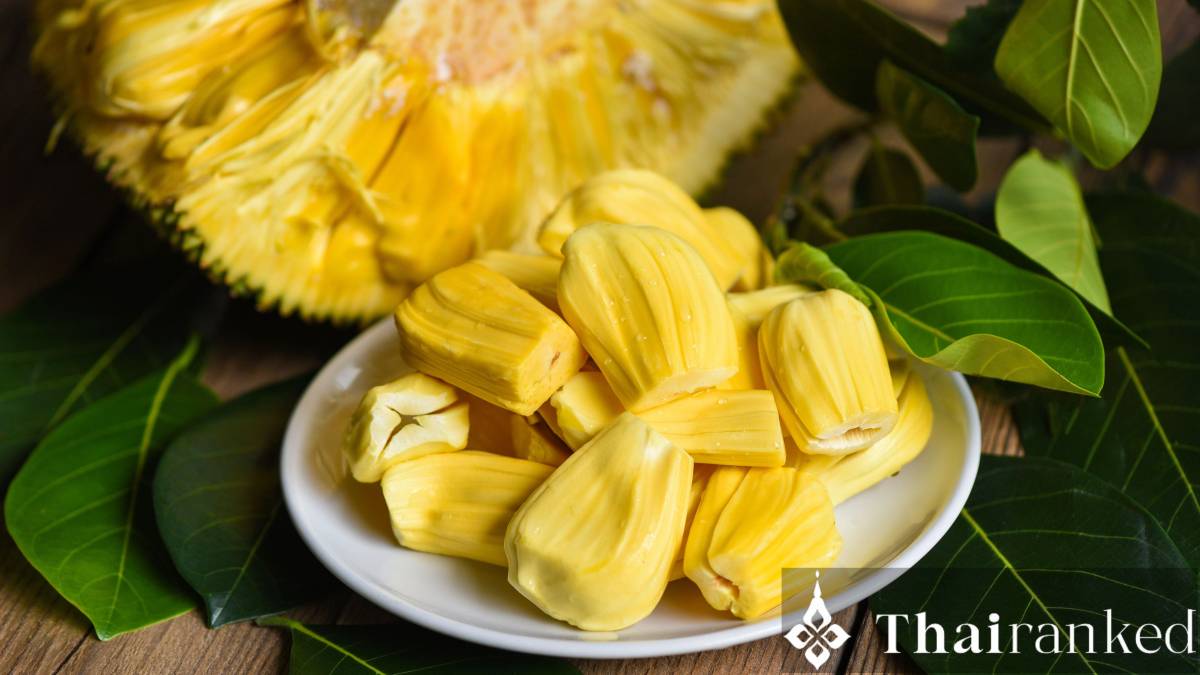
9. Jackfruit (Khanun)
Giant fruit, bubblegum-scented golden bulbs
Highlight
The giant of the bunch, jackfruit’s spiky exterior hides golden bulbs that are sweet, chewy, and perfumed, with hints of banana, mango, and bubblegum. You’ll often buy it pre-prepped in tidy portions at markets, which is ideal for newcomers. Jackfruit is available much of the year, with plenty during summer. Choosing tip: for whole fruits, look for a strong, fruity aroma, slightly flattened spikes, and a stem that still exudes a little latex; for pre-cut bulbs, pick vibrant yellow pieces with a clean, sweet smell, never sour. Oil your knife and hands if you attempt a home prep.
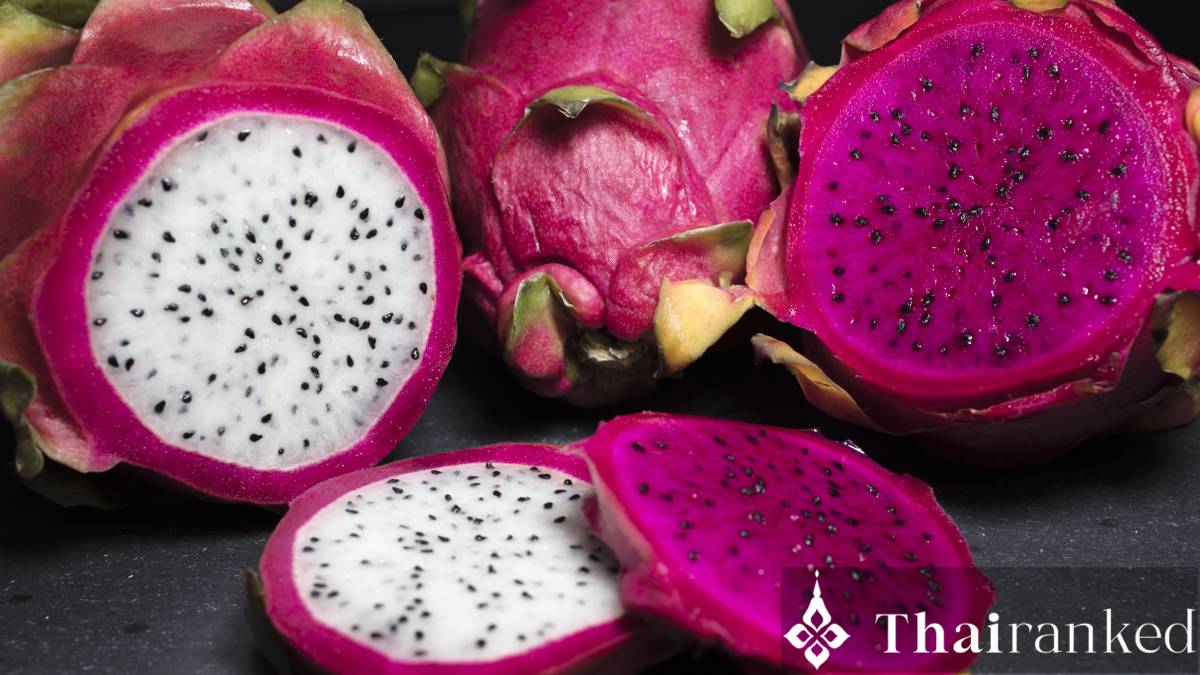
10. Dragon Fruit (Pitaya)
Sci-fi looks, super refreshing and mild
Highlight
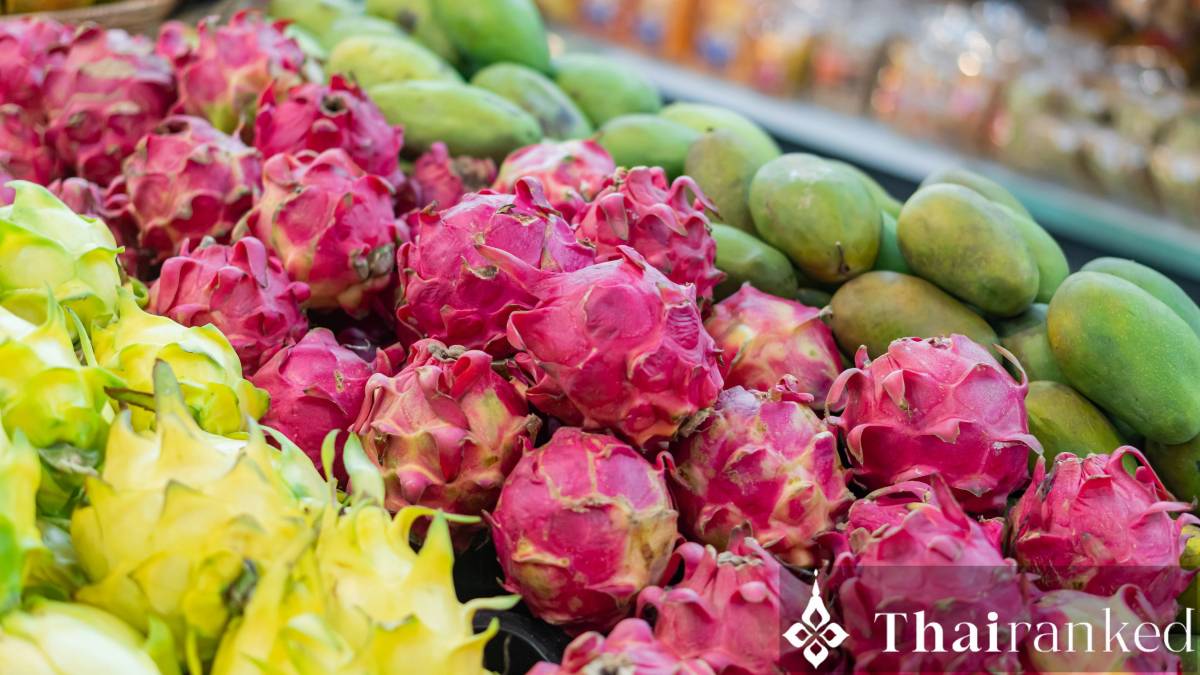
Hot-pink with green scales, dragon fruit looks like it fell from a sci-fi set, yet the flesh is mild, lightly sweet, and thirst-quenching. Thailand grows white- and red-fleshed types, with red often a touch sweeter. Slice lengthwise and scoop like a kiwi, or cube it for fruit salads. It’s widely available year-round, including summer. Choosing tip: go for bright, evenly colored skin with flexible green bracts and a gentle give. Wrinkled skin or dry, browning tips indicate age. Chill before eating for maximum refreshment.
Missing a business you'd recommend?
Tell us who belongs on this list and our editors will review it.
Thailand’s summer fruit season rewards the curious. If you only try one, make it mangosteen for a near-perfect balance of sweet and tangy. Feeling bold? Graduate to durian’s custardy richness, then keep exploring clusters of rambutan and longan for easy snacking. Don’t skip the underdogs either, like langsat/longkong, snake fruit, and cotton fruit, which bring zesty, aromatic surprises to any fruit plate. When in doubt, ask vendors for a taste before buying a kilo, and remember the golden rules: look for weight, gentle fragrance, and just a little give at the stem end.
For planning beyond summer, check seasonal windows in our Thai Fruits Calendar, and if you’re in Bangkok during late winter, learn why mayongchid became a cult favorite in our explainer, What is Ma-Yong-Chid? With this guide in hand, you’ll navigate Thai markets with confidence, pick peak-ripeness fruit, and taste why locals proudly call these quirky treasures the kings and queens of the tropics.
by Thairanked Guide
Thairanked helps you discover great places in Thailand!
What people ask about
"Thai Summer Fruits"
Here you will find answers to the most popular questions about Thailand.