망고스틴은 왜 과일의 여왕이고, 두리안은 왜 왕인가요?
March 09, 2026 02:00 AM
마지막 수정: May 06, 2026

by Nam Thairanked
I love traveling and eating Thai food.
호텔 & 항공권 검색
태국: 과일의 땅과 그것의 왕족
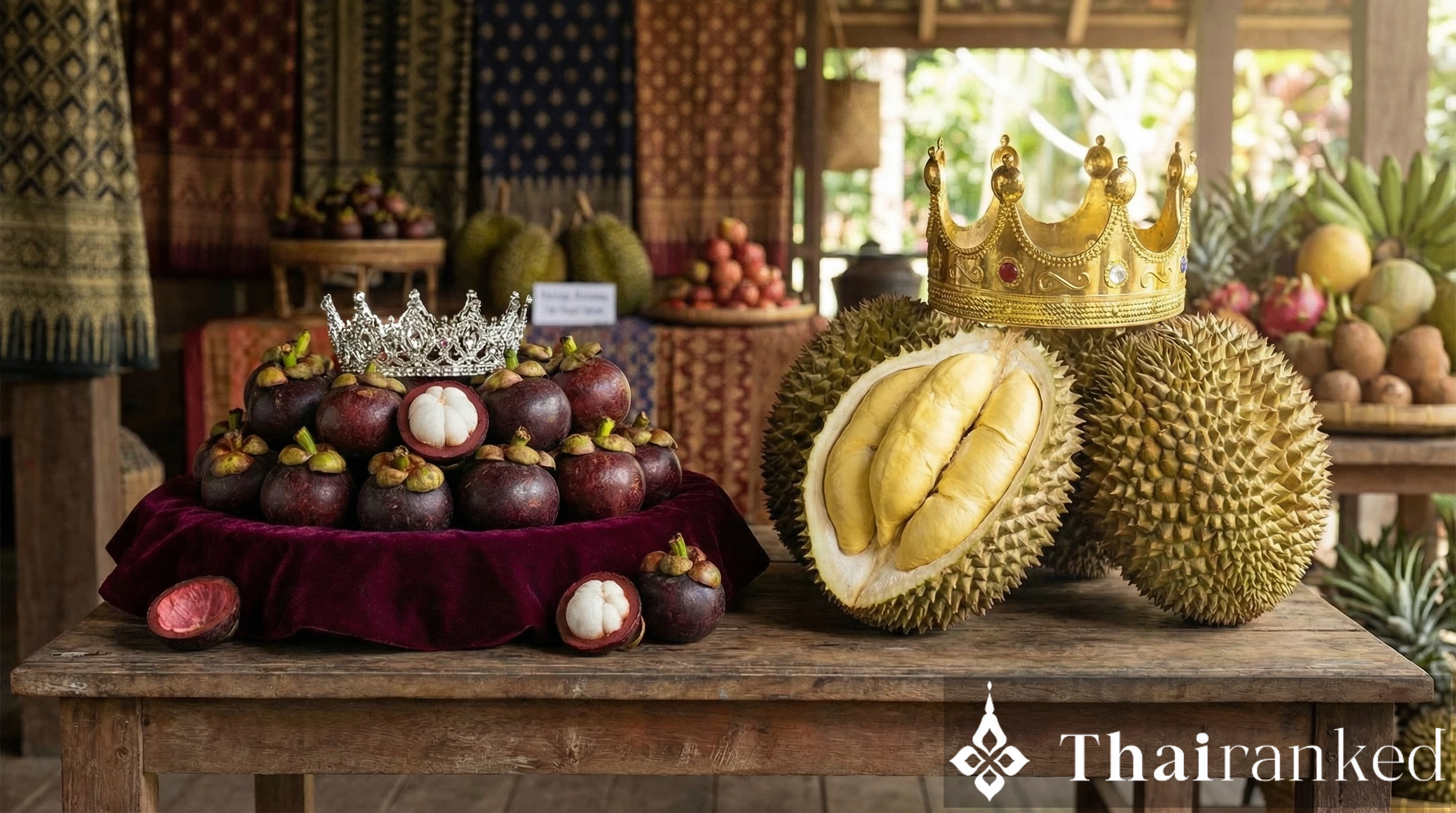
분주한 태국 과일 시장을 상상해보십시오: 밝은 색깔, 열대의 향기, 그리고 현지인들과 여행자들의 수다. 수십 가지 눈부신 과일 중에서 두 가지가 정점을 차지하는데, 부드러운 보라색 테두리의 망고스틴, 과일의 여왕으로 불리며, 가시가 있는 논란의 두리안, 왕으로 즉위한 과일입니다. 그러나 이러한 왕족 별명 뒤에는 무엇이 숨겨져 있으며, 이 과일들이 태국 문화에서 왜 그렇게 중요한 것일까요?
왕족 칭호의 기원
망고스틴과 두리안의 장난스러운 즉위식은 단순한 마케팅이 아니라 역사와 전통, 그리고 그들의 감각적 영향을 뿌리로 하고 있습니다. 태국의 과일에 대한 존경은 전설적이며, 사원 공물, 왕실 정원, 그리고 국가 축제에서 반영됩니다. 이러한 존중은 비공식적인 과일 군주제로 이어지며, 부드러운 망고스틴과 강력한 두리안이 나란히 지배합니다.
두리안이 과일의 왕으로 불리는 이유
두리안의 과일의 왕이라는 별명은 동남아시아 전역에 퍼져 있지만, 태국은 그것을 아이콘으로 만들었습니다. 그 이유는 다음과 같습니다:
- 위엄 있는 외관: 두리안의 두껍고 가시가 있는 껍질은 존경을 요구합니다. 크고 무겁고, 분명히 주목받는 존재입니다; 당신은 두리안을 주목받지 않고 운반할 수 없습니다!
- 강렬한 향: 그 냄새는 다른 무엇과도 달리 의견을 나누게 합니다. 너무 강력해서 대중 교통과 호텔에서 금지됩니다. 좋아하든 싫어하든, 진정한 군주처럼 방의 주목을 받습니다.
- 풍부한 맛: 내부의 크림 같은 과육은 독특하고, 달콤하면서도 감칠맛이 나는 복합적인 맛을 제공합니다. 그것은 풍부하고, 호화로우며, 다른 과일과는 다릅니다.
- 높은 가치: 두리안은 태국 시장에서 특히 Monthong과 Kan Yao와 같은 인기 품종에 대해 고가로 거래될 수 있습니다.
- 문화적 지위: 두리안은 고대 태국 문학에 등장하며 왕족에게 선물로 주어졌습니다. 마을들은 최고의 두리안을 생산하기 위해 경쟁하며, 그 계절을 기념하는 축제를 엽니다.
망고스틴이 과일의 여왕으로 즉위한 이유
두리안이 강렬하고 논란의 여지가 있는 반면, 망고스틴은 절제된 우아함을 가지고 있어 부드러움과 섬세함으로 사랑받습니다:
- 우아한 외모: 매끄럽고 깊은 보라색 껍질과 정교한 초록색 왕관을 가진 망고스틴은 아담하고 아름다우며, 거친 과일들 사이에서 보석과 같습니다.
- 섬세한 맛: 내부의 부드럽고 하얀 조각은 달콤하고 약간 시큼하며, 믿을 수 없을 만큼 다즙이 많습니다. 많은 사람들이 이것을 복숭아, 딸기, 그리고 감귤의 조화로운 혼합으로 묘사합니다.
- 상쾌한 질감: 망고스틴의 시원하고 상쾌한 맛은 두리안의 풍부하고 “뜨거운” 성질을 균형 잡아준다고 합니다. 전통적인 믿음에 따르면, 그 둘을 함께 먹으면 음양 스타일의 균형을 이룰 수 있습니다.
- 상징과 역사: 이 과일은 오랫동안 왕실의 제단에서 진미로 여겨졌으며, 건강에 대한 주장된 효능과 시원한 효과로 유명하여 태국의 무더운 더위에 적합합니다.
태국 문화와 요리에서의 왕족 역할
망고스틴과 두리안은 태국 문화에 깊이 뿌리내리고 있지만, 매우 다른 방식으로 존재합니다.
두리안 – 왕의 화려한 등장
태국에서 두리안 시즌의 도래는 헤드라인을 장식하고, 음식 논쟁을 촉발하며, 전국에서 축제를 팝니다. 가족들은 이를 둘러싸고 특별한 식사를 계획하고, 관광객들은 찬타부리의 유명한 야시장이나 두리안 과수원으로 몰려들어 첫 번째(또는 fiftieth!) 맛을 보기 위해 eager합니다. 요리사들은 아이스크림, 케이크, 그리고 심지어 고소한 요리에 이를 창의적으로 활용하며 – 그러나 신선하게 즐기는 것보다 더 극적인 것은 없습니다.
망고스틴 – 여왕의 미묘한 매력
망고스틴은 더 조용하게 기념됩니다. 그것은 종종 무거운 음식 후 부드러운 입가심으로 제공되며, 바구니에 담아 선물로 제공되거나 일광을 즐긴 후에 먹습니다. 당신은 과일 가판대에서 우아하게 쌓여 있거나, 세련된 디저트와 음료의 주인공으로 등장하는 것을 발견할 것입니다. 태국의 의학 전통은 이것이 냉각 및 치유 속성을 지니고 있다고 인정하며, 열대 더위와 사소한 질병에 대한 자연 치료제로 여겨집니다.
맛의 과학과 마법: 그들이 군림하는 이유
이 과일들의 지배력은 단순히 문화적이지 않으며; 그것은 실제적인 맛과 영양에 기반합니다. 두리안은 건강한 지방, 탄수화물, 비타민, 그리고 미네랄이 풍부합니다. 그것은 밀도가 높고 포만감을 주며, 에너지를 증진시키고 단 것에 대한 갈증을 충족시키는 것으로 높이 평가됩니다. 한편, 망고스틴은 항산화 물질로 유명하며 “슈퍼푸드”로 세계적으로 주목받고 있습니다. 그것은 태국의 무더운 여름 동안 이상적이며, 상큼한 맛과 수분을 공급하는 특성이 있습니다.
호기심 많은 대조: 다른 왕과 여왕
이 두 과일이 왕과 여왕으로 쌍을 이루는 것은 우연이 아닙니다. 그들의 차이는 실제로 함께 전설적인 지위를 강화합니다. 두리안이 대담하고 무겁고 “무거운” 것으로 여겨지는 반면, 망고스틴은 부드럽고 가벼우며 “차가운” 성질을 가집니다. 민간 지혜에 따르면, 두 가지를 함께 먹으면 (지나치지 않는 범위 내에서!) 몸의 균형을 회복시킵니다. 일부는 심지어 망고스틴이 두리안의 힘의 "분노"를 진정시킬 수 있는 유일한 과일이라고 농담하기도 합니다!
태국의 과일 왕족을 경험하는 팁
- 과수원 방문: 태국의 과수원으로 하루 여행을 떠나 나무에서 신선한 두 과일을 시식해 보세요. 찬타부리나 레이옹 근처의 많은 과수원에서 투어와 시음을 제공합니다.
- 시장 시식: 4월~8월의 성수기 동안 방콕의 야시장이나 지역 과일 가판대를 방문해 가장 신선한 망고스틴과 두리안을 맛보세요.
- 현지인처럼 쌍을 이루기: 먼저 두리안을 먹고, 그 뒤에 망고스틴을 먹어 남아 있는 강렬함을 "쫓아내고" 입맛을 식혀보세요 (이 조합은 태국에서 유명합니다!).
- 신선함을 넘어: 두리안 맛의 사탕, 케이크, 그리고 심지어 찰밥이나, 망고스틴 잼과 주스를 탐색하여 클래식한 맛에 또 다른 변화를 주세요.
- 한계를 알아두기: 두리안은 매우 풍부하므로 조금으로도 충분합니다! 망고스틴은 더 부드럽지만 여전히 적당히 즐기는 것이 가장 좋습니다.
계절별 과일 경험에 대한 더 많은 정보는 태국 과일 달력 2월를 참조하거나, 태국 전역의 야시장에서의 요리 모험을 발견해 보세요.
재미있는 사실과 전설
- 망고스틴의 왕실 인장: 영국의 빅토리아 여왕은 신선한 망고스틴을 가져오는 사람에게 기사 작위를 주겠다고 했습니다. 그래서 왕족과의 연관성이 생겼습니다!
- 두리안 금지: 그 강렬한 향기로 인해 두리안은 항공사, 호텔, 심지어 방콕의 MRT에서도 금지되어 있습니다. 이는 그들의 악명 높은 명성을 더합니다.
- 문화적 경쟁: 일부 태국 지방은 자신들의 "최고의" 두리안이나 망고스틴을 열렬히 홍보하며, 축제, 미인 대회, 그리고 기발한 과일 테마의 이벤트를 조직합니다.
태국의 과일 장면을 탐험할 계획이라면, 방콕 최고의 음식 경험을 통해 가이드가 진행하는 시식 및 음식 시장 투어에 관심이 있을 수 있습니다.
주요 요점
- 두리안과 망고스틴은 대조적인 외관, 맛 및 문화적 역할로 인해 과일의 왕과 여왕의 칭호를 유지하고 있습니다.
- 두리안은 풍부한 맛, 강렬한 향, 그리고 축제 중심의 지위로 높이 평가받고 있습니다.
- 망고스틴은 상큼하고 섬세한 맛과 냉각 특성으로 사랑받고 있습니다.
- 함께 그들은 균형을 나타내며 태국의 전통과 의학에서 기념됩니다.
- 신선한 상태로 태국 시장이나 과수원에서 그들을 경험해 보십시오, 태국의 과일 왕족의 잊지 못할 맛을 느낄 수 있습니다!
호텔 & 항공권 검색
관련 인사이트
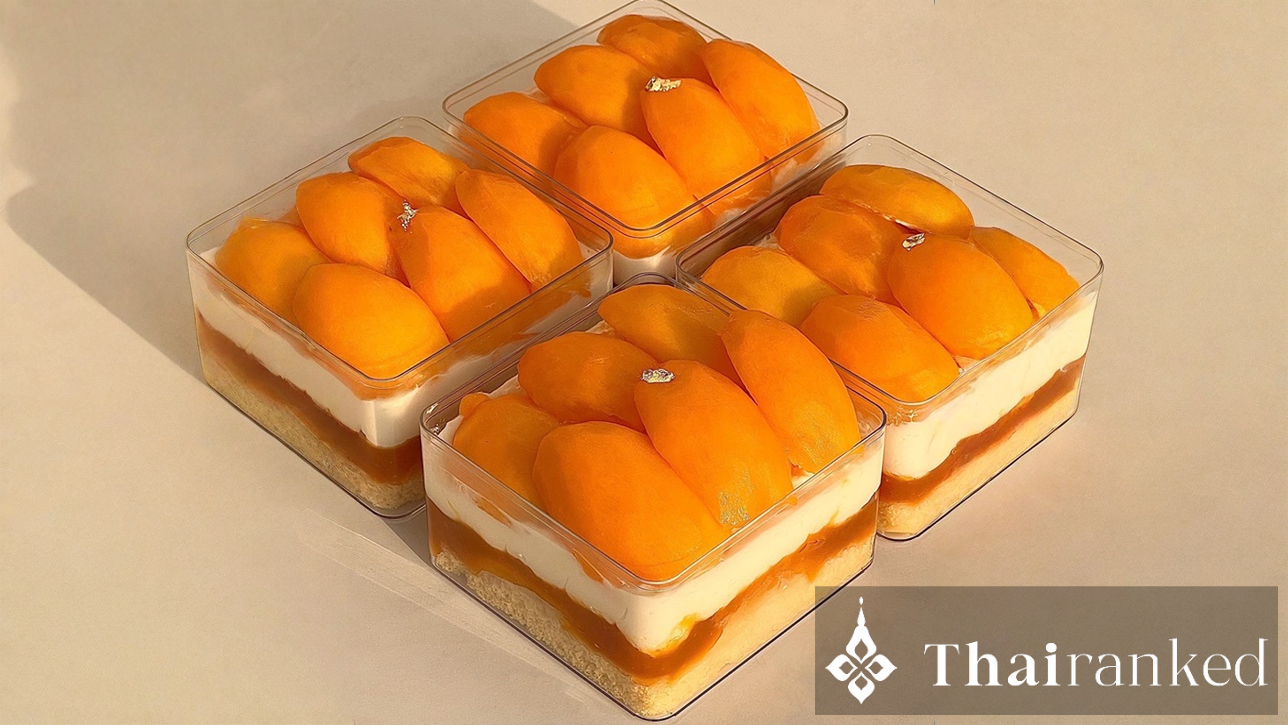
태국의 마리안 자두와 함께하는 매력적인 층과 맛을 가진 마용치드 치즈 파이를 발견하세요. 음식 애호가와 여행자에게는 놓칠 수 없는 2월의 별미입니다.
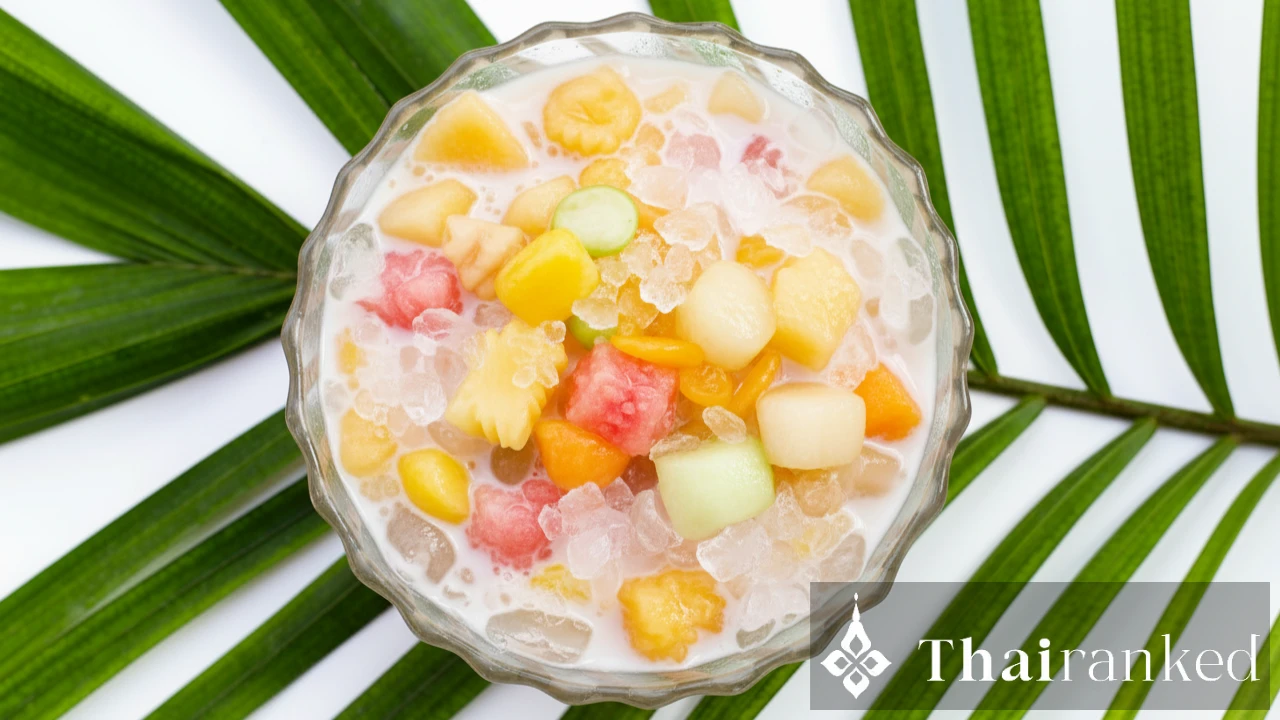
타이의 상쾌한 아이스 디저트인 Loy Kaew를 발견하십시오. 이 시원한 간식 뒤에 숨겨진 독특한 과일 조각 과정, 시럽에 담그는 방법, 그리고 전통에 대해 알아보십시오.
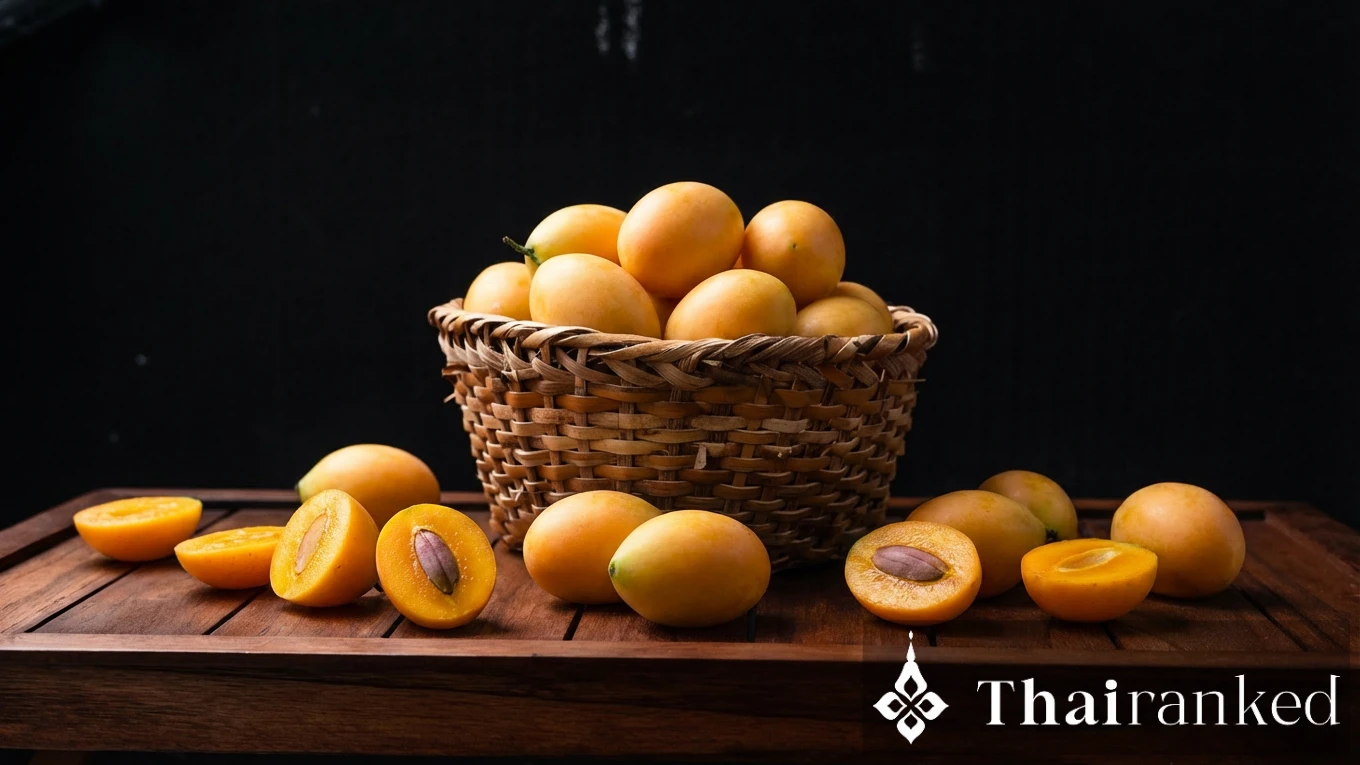
타이에서 2월에만 제철을 맞이하는 달콤하고 새콤한 과일, 마용치드(Ma-Yong-Chid, 마리안 플럼)를 발견해 보세요. 그것을 먹는 방법, 어디에서 찾을 수 있는지, 그리고 왜 꼭 먹어봐야 하는지 알아보세요.
방콕 대왕궁의 이야기, 왕실에서의 유래부터 태국의 가장 상징적인 문화 랜드마크 중 하나로서의 역할까지를 발견하세요.
태국 어머니의 날에 재스민의 의미를 탐구하고, 화환 전통, 구매 팁, DIY 조언, 그리고 방콕 및 그 너머에서 신선한 꽃을 찾는 방법에 대해 알아보세요.