What are the richest provinces in Thailand?
January 13, 2026 11:34 AM
Last edited: January 14, 2026
Discover Thailand’s richest provinces in 2026, ranked by GPP per capita. Learn why Rayong, Chonburi, Bangkok and more lead the list, plus data sources.
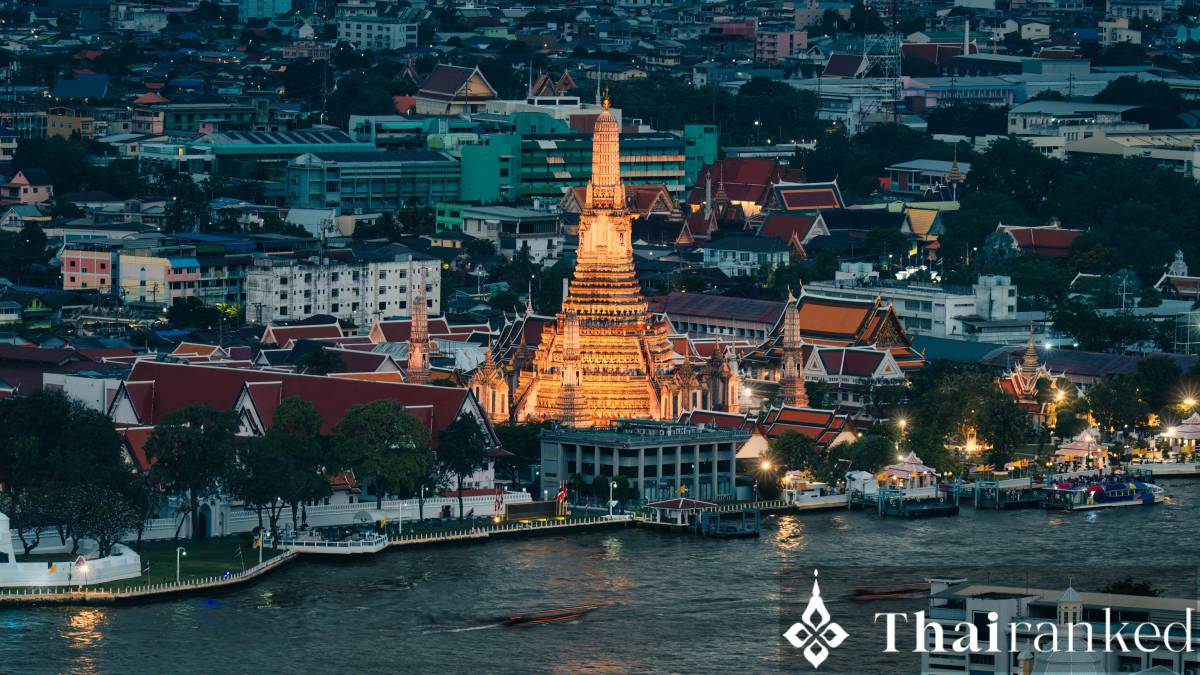

by Thairanked Guide
Thairanked helps you discover great places in Thailand!
Table of Contents
Search Hotels & Flights
You might like








Table of Contents
Which provinces are the richest in Thailand in 2026? The clearest way to compare local wealth is Gross Provincial Product per capita, or GPP per capita. It measures the total value of goods and services produced in a province divided by its population, helping you see where economic output per person is highest. Using the latest available data from Thailand’s planning agencies and central bank, plus 2025–2026 sector trends, we’ve ranked the provinces most likely to sit at the top this year. Unsurprisingly, the Eastern Economic Corridor, especially Rayong and Chonburi, continues to dominate thanks to deep industry clusters, refineries and ports, while Bangkok remains the nation’s high-value services hub. Tourism-led provinces like Phuket have also rebounded strongly as international arrivals surged back in 2025 and early 2026.
How did we build this list? We looked at the most recent GPP-per-capita tables from the National Economic and Social Development Council (NESDC) and the Bank of Thailand’s regional statistics, then layered in 2026 drivers such as the EEC’s new EV and electronics investments, logistics upgrades, and the post-pandemic tourism recovery. Remember, exact ranks can shift year to year as new plants open, global demand cycles turn, and visitor flows change. If this piques your curiosity about where to explore beyond the usual hotspots, pair this with our travel picks in Thailand’s must-visit provinces.

1. Rayong
The Industrial King
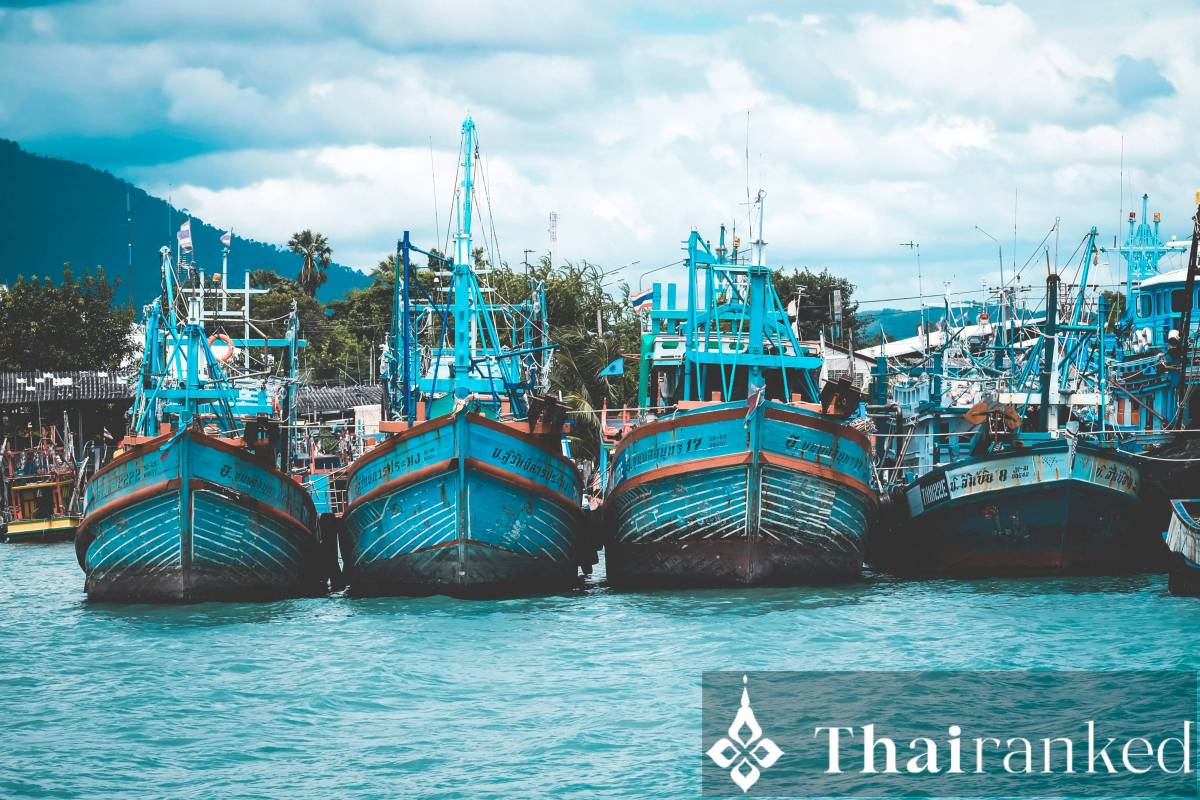
Highlight
Rayong consistently tops Thailand’s GPP-per-capita league thanks to its heavyweight industrial base. The Map Ta Phut Industrial Estate anchors one of ASEAN’s largest petrochemical complexes, with gas separation plants, refineries, plastics and specialty chemicals feeding high-value exports. Power generation and LNG infrastructure add another layer of capital-intensive output, while new EV and battery supply-chain investments tied to the Eastern Economic Corridor keep the pipeline strong. With a relatively small resident population compared to its industrial output, Rayong’s per-person figures soar. In 2026, resilient demand for energy-related materials, the ramp-up of new automotive and components capacity, and logistics links to Laem Chabang and U-Tapao support Rayong’s position at or near number one.
2. Bangkok
Thailand’s high-value services and HQ economy
Highlight
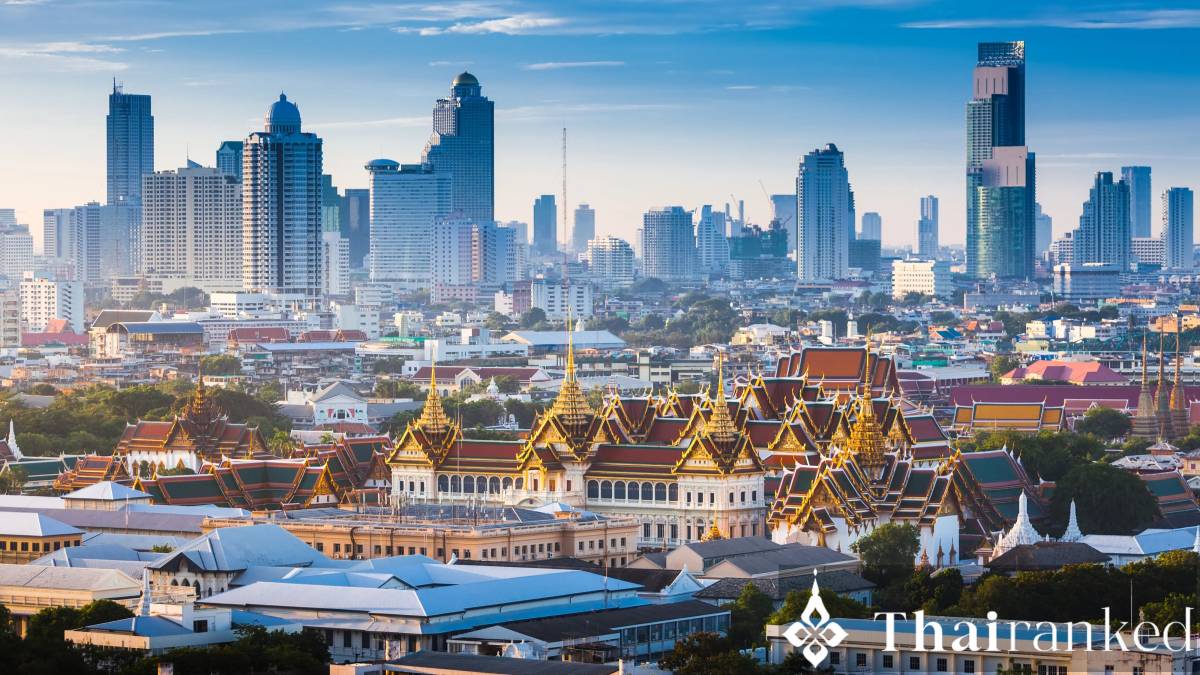
Bangkok is Thailand’s nerve center for finance, corporate headquarters, healthcare, higher education, and creative-digital industries. High-value professional services, real estate and retail combine with a booming medical and wellness sector to produce a strong GPP per capita. The city also concentrates venture investment, data centers, media and design, and hosts the country’s busiest air gateway, which supports meetings and events. While manufacturing has shifted toward the Eastern Seaboard, the capital’s diversified, skills-intensive economy tends to weather cycles better than most. In 2026, rising tourism, ongoing rail and metro expansions, and growth in fintech and e-commerce logistics keep Bangkok near the top tier by output per person, even with its large population diluting averages compared with smaller industrial provinces.
3. Chonburi
Port, factories and a resurgent Pattaya
Highlight
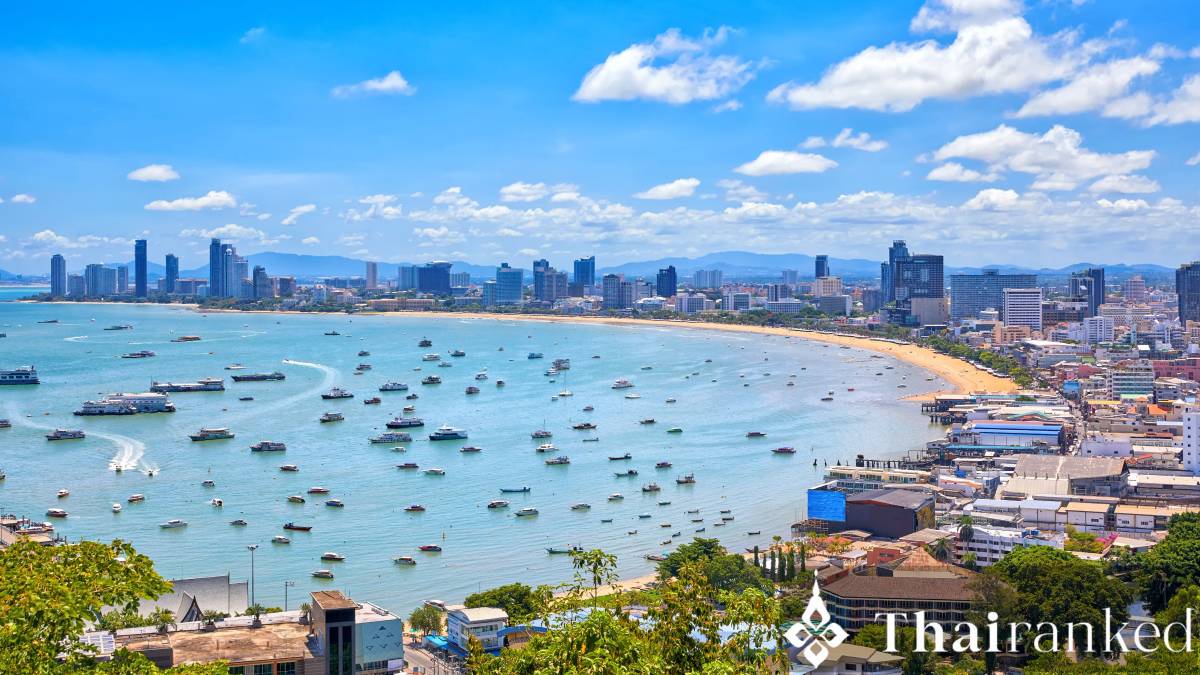
Chonburi balances industry, logistics and tourism, a potent mix for high GPP per capita. Laem Chabang, Thailand’s main deep-sea port, underpins export-oriented manufacturing from autos to electronics, while EEC incentives continue to draw advanced industries such as robotics and aerospace MRO. Pattaya’s tourism rebound since 2025 adds service-sector punch, filling hotels and restaurants and supporting retail. The province benefits from world-class infrastructure, including motorways, double-track rail and proximity to Bangkok and Rayong, which tightens supply chains and reduces costs. In 2026, ongoing port upgrades, new EV assembly and parts projects, and strong domestic weekend travel keep output per person elevated, making Chonburi a fixture near the top of Thailand’s wealth tables.
See also




4. Chachoengsao
Rising EEC node for high-tech manufacturing
Highlight
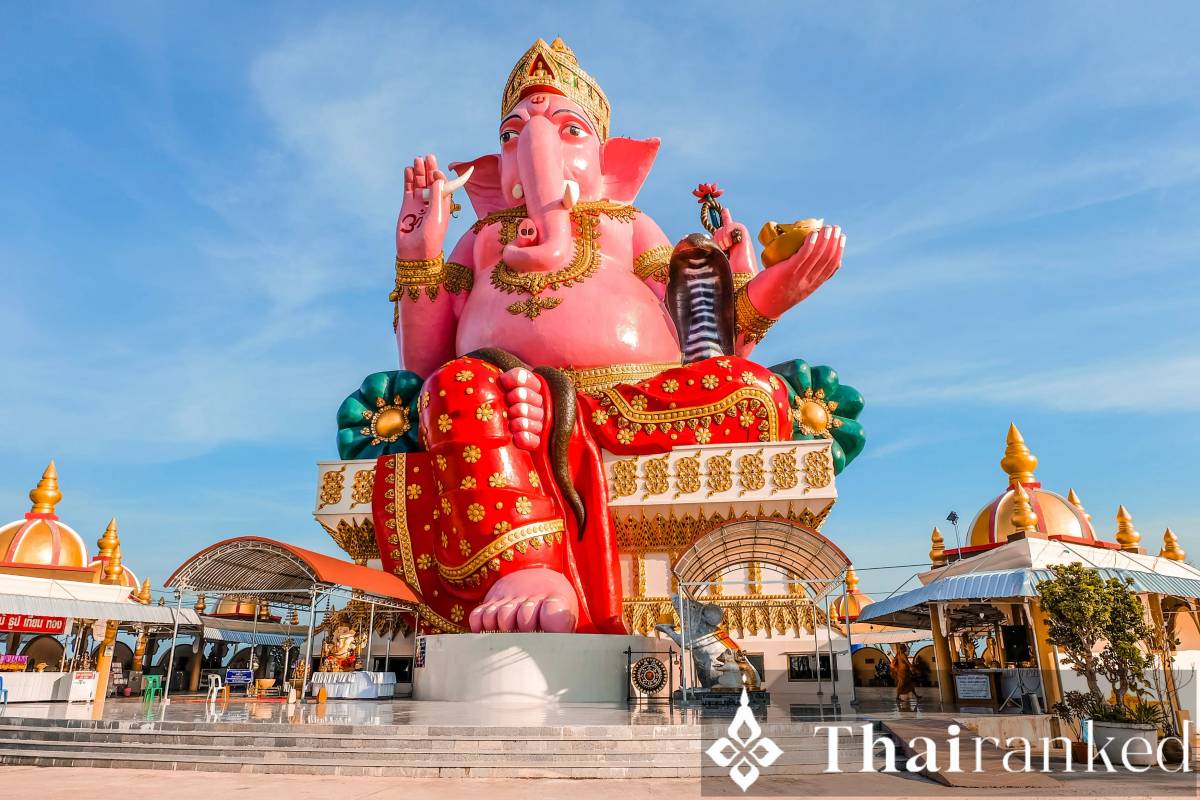
Chachoengsao is the quiet star of the EEC, with fast-growing industrial estates focused on electronics, automotive parts and packaging, plus significant power generation along the Bang Pakong corridor. Its proximity to Bangkok, Laem Chabang and Suvarnabhumi makes it a natural logistics hub, and new rail and highway projects have lowered transit times for freight and commuters. Because its industrial base is capital-intensive and its population smaller than neighboring Bangkok, output per person is high. In 2026, continued relocation of supply chains into Thailand, battery and component investment tied to EV manufacturing, and construction related to EEC transport links help keep Chachoengsao’s GPP per capita among the highest in the country.
5. Phra Nakhon Si Ayutthaya (Ayutthaya)
Autos and electronics in resilient estates

Highlight
Ayutthaya ranks high thanks to deep Japanese and multinational investment across autos, auto parts, electronics and machinery in estates such as Rojana and Hi-Tech. Its position on the North–South logistics spine, strong power and water infrastructure, and access to skilled labor from the Bangkok metro make it an ideal base for high-value manufacturing. In 2026, Thailand’s growing EV ecosystem, steady ASEAN demand for vehicles and components, and continued reshoring of regional supply chains support plant expansions and upgrades. While floods a decade ago prompted major resilience investments, today’s industrial parks are far better protected, which helps keep production stable and GPP per capita strong relative to the province’s population.
Missing a business you'd recommend?
Tell us who belongs on this list and our editors will review it.
Thailand’s richest provinces in 2026, measured by GPP per capita, cluster around three engines, the EEC’s heavy industry and ports on the Eastern Seaboard, Bangkok’s high-end services and HQ economy, and tourism-led islands and coasts rebounding after the pandemic. Rayong and Chonburi stay out front on the back of petrochemicals, autos and logistics, while Bangkok’s finance, healthcare and digital sectors keep its output per person high. Phuket’s revival underlines how international arrivals can lift provincial incomes swiftly.
Methodology note, we relied on the latest NESDC provincial GPP-per-capita tables and the Bank of Thailand’s regional economy dashboard, then considered 2025–2026 investment and tourism trends from the EEC Office and tourism authorities. For travel planning in the top-performing areas, you might also like our guides to the best Bangkok hotels and Thailand’s most local islands.
Sources, NESDC provincial GPP statistics (latest available), Bank of Thailand Regional Economy Statistics, Eastern Economic Corridor Office of Thailand, and Tourism Authority/Ministry of Tourism datasets, see, NESDC, Bank of Thailand Regional Economy, EEC Office, and Ministry of Tourism & Sports.
by Thairanked Guide
Thairanked helps you discover great places in Thailand!
What people ask about
"What are the richest provinces in Thailand?"
Here you will find answers to the most popular questions about Thailand.
 Chat with us