The Most Disrespectful Things to Avoid in Thailand
February 19, 2026 05:30 AM
Last edited: February 18, 2026
Avoid cultural missteps in Thailand. From touching heads to pointing feet, here are the most disrespectful actions and what to do instead.

by Nam Thairanked
I love traveling and eating Thai food.
Table of Contents
1. Touching the Head
2. Pointing Feet at Buddha or People
3. Stepping on Money
4. Raising Your Voice or Shouting Insults
5. Disrespecting Buddha Images and Sacred Spaces
6. Inappropriate Temple Attire and Behavior
7. Using Your Feet to Move or Point at Things
8. Physical Boundaries with Monks and Elders
Search Hotels & Flights
You might like








Table of Contents
1. Touching the Head
2. Pointing Feet at Buddha or People
3. Stepping on Money
4. Raising Your Voice or Shouting Insults
5. Disrespecting Buddha Images and Sacred Spaces
6. Inappropriate Temple Attire and Behavior
7. Using Your Feet to Move or Point at Things
8. Physical Boundaries with Monks and Elders
Thai etiquette 101, the big no-nos
Thailand is famously friendly, but there are a few cultural red lines that visitors and new residents should know. What counts as “disrespectful” here often connects to ideas of hierarchy, sacredness, and keeping social harmony. Understanding those ideas will help you avoid awkward moments, keep interactions smooth, and show genuine respect for Thai culture.
At the core is body etiquette, like how you treat the head and feet, and how you carry yourself in public. A calm tone, measured gestures, and small acts of courtesy go a long way. You will also notice strong reverence around Buddhism and the Royal Family, which shows up in everyday habits, from how people sit in temples to how they handle money.
This guide ranks the most disrespectful things you can do in Thailand, then offers easy fixes and respectful alternatives. Take it as a cheat sheet for temples, markets, family homes, and even late-night taxis, so you can feel confident you’re doing the right thing. If you’re curious about the mindset behind polite Thai behavior, read more about the idea of kreng jai, the powerful cultural value of consideration for others.

1. Touching the Head
The head is sacred, never touch it
Highlight
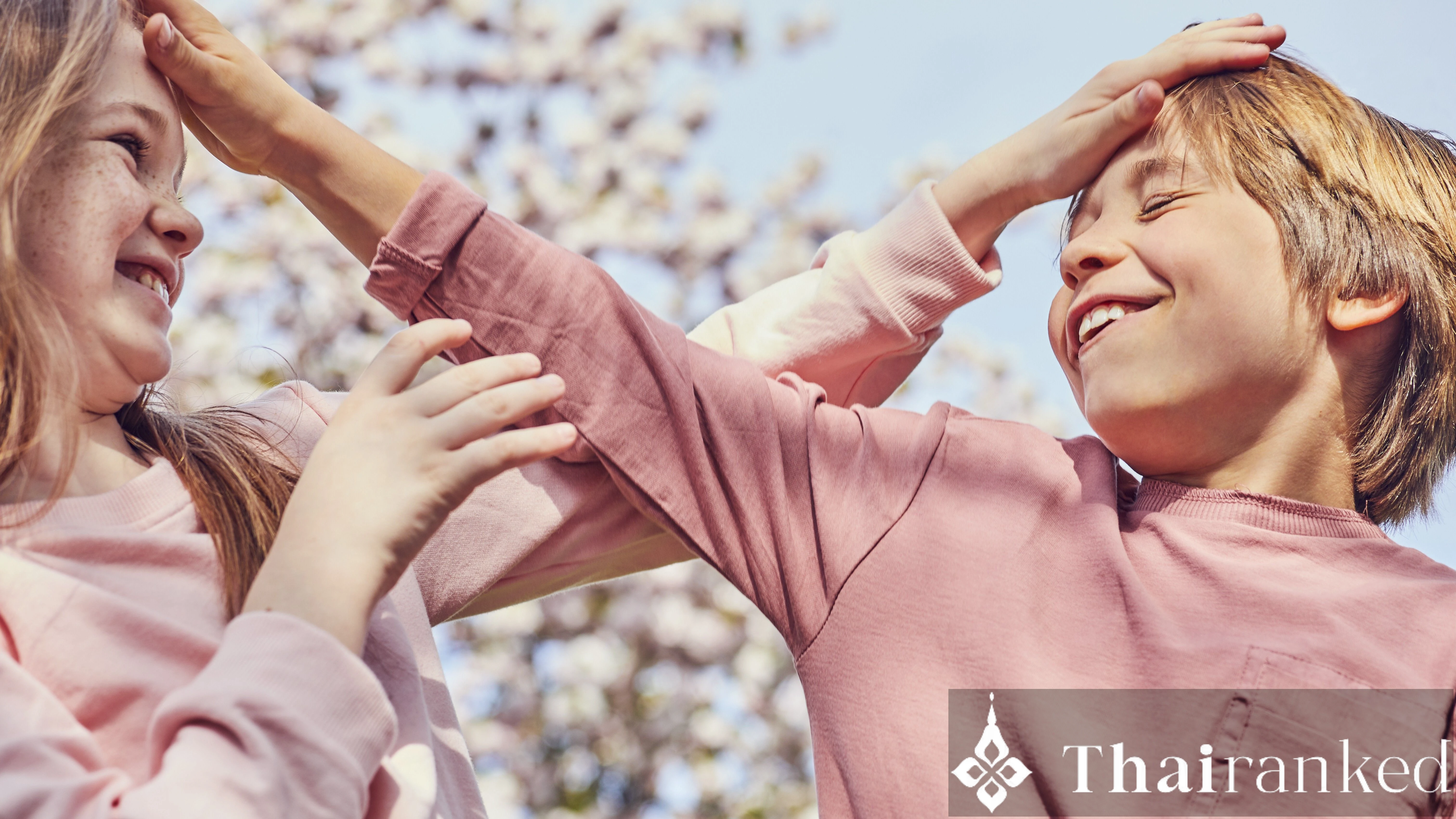
In Thailand, the head is considered the most sacred part of the body. Touching someone’s head, even playfully, is taken as a serious insult because it disrespects personal dignity and spiritual beliefs. This applies to adults and children alike, so skip the affectionate head pat you might give elsewhere. If you accidentally brush someone’s head in a crowd or while reaching for luggage, offer a brief apology and a friendly smile. In professional or social settings, avoid adjusting someone’s hair or headwear without clear permission. Inside temples, be extra mindful around statues, monks, and elders, keeping your head lower when passing closely in a confined space. When greeting, use a wai at an appropriate level rather than any physical touch to the head or face. A little awareness of head etiquette instantly signals cultural respect and helps you avoid one of Thailand’s biggest social taboos.
2. Pointing Feet at Buddha or People
Keep your soles out of everyone’s face
Highlight
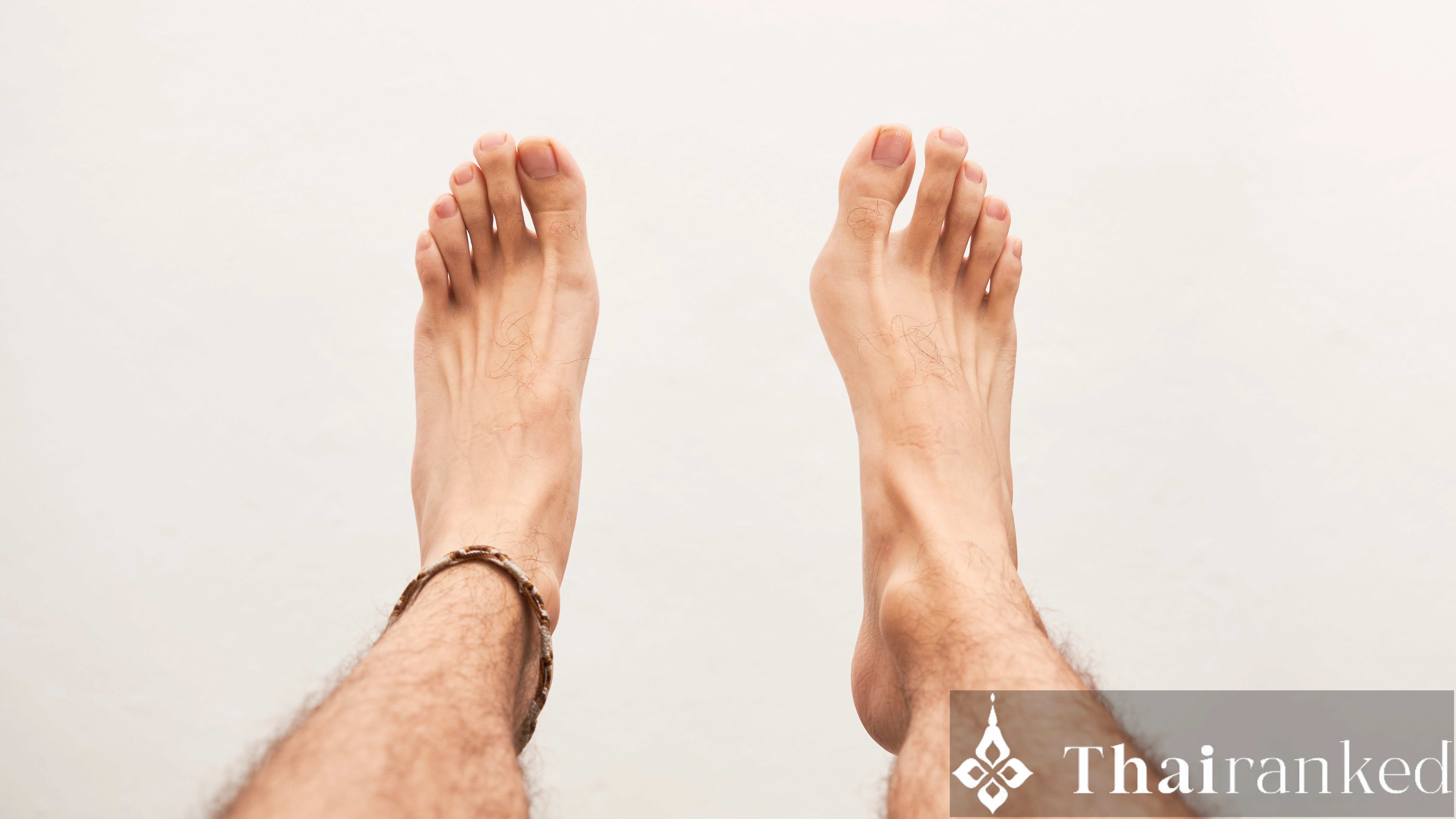
Feet are considered the lowest and least clean part of the body in Thai culture, so pointing them at someone, a Buddha image, or a monk is deeply disrespectful. This comes up most in temples and when sitting on floors or low stools. Avoid crossing your legs so the soles face others, putting your feet on chairs or tables, or using your feet to nudge objects. In temples, kneel or sit with your legs tucked to the side so your feet point away from Buddha images and other worshippers. On public transport, keep your feet off seats and don’t stretch them into someone’s space. If you have limited mobility, do your best within comfort, and position yourself where your feet won’t accidentally face the altar. When you treat feet carefully, you’ll immediately read as culturally aware and considerate.
3. Stepping on Money
Handle currency with care and respect
Highlight
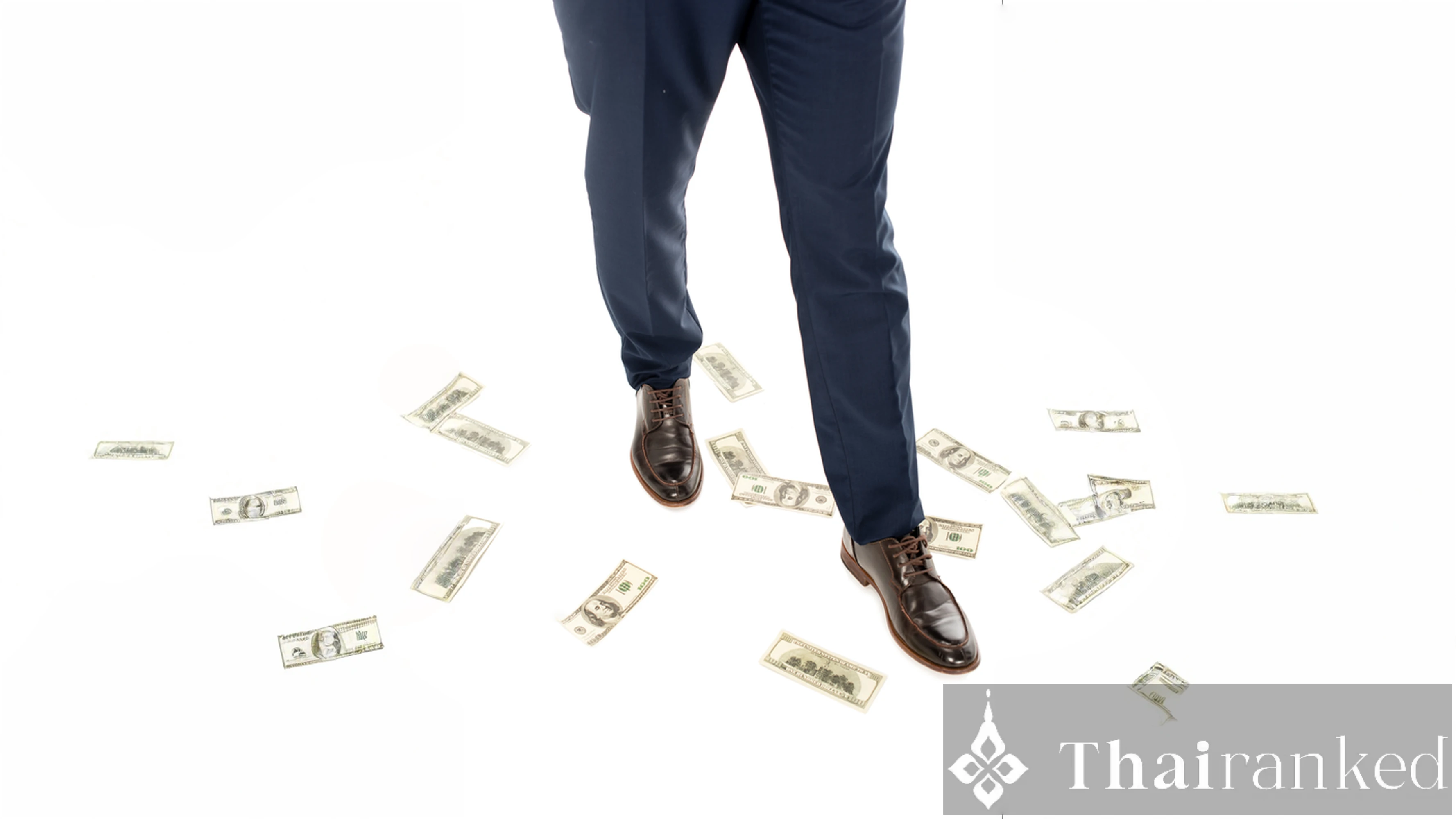
Thai banknotes and some coins carry the portrait of the King, and treading on them is seen as disrespectful. A classic mistake is stomping on a rolling coin to stop it, or using a banknote to wedge a door. Instead, bend down and pick it up by hand. Treat cash neatly: don’t crumple notes, write on them, or sit on a wallet placed in your back pocket in a temple. If you drop money in a busy area, signal to those around you and retrieve it calmly rather than rushing and risking a misstep. This careful handling isn’t just about the object, it reflects broader respect for national symbols. When you slow down and handle currency thoughtfully, you’ll avoid offending bystanders and keep interactions smooth in shops, markets, and taxis.
See also
4. Raising Your Voice or Shouting Insults
Stay calm, protect everyone’s face
Highlight
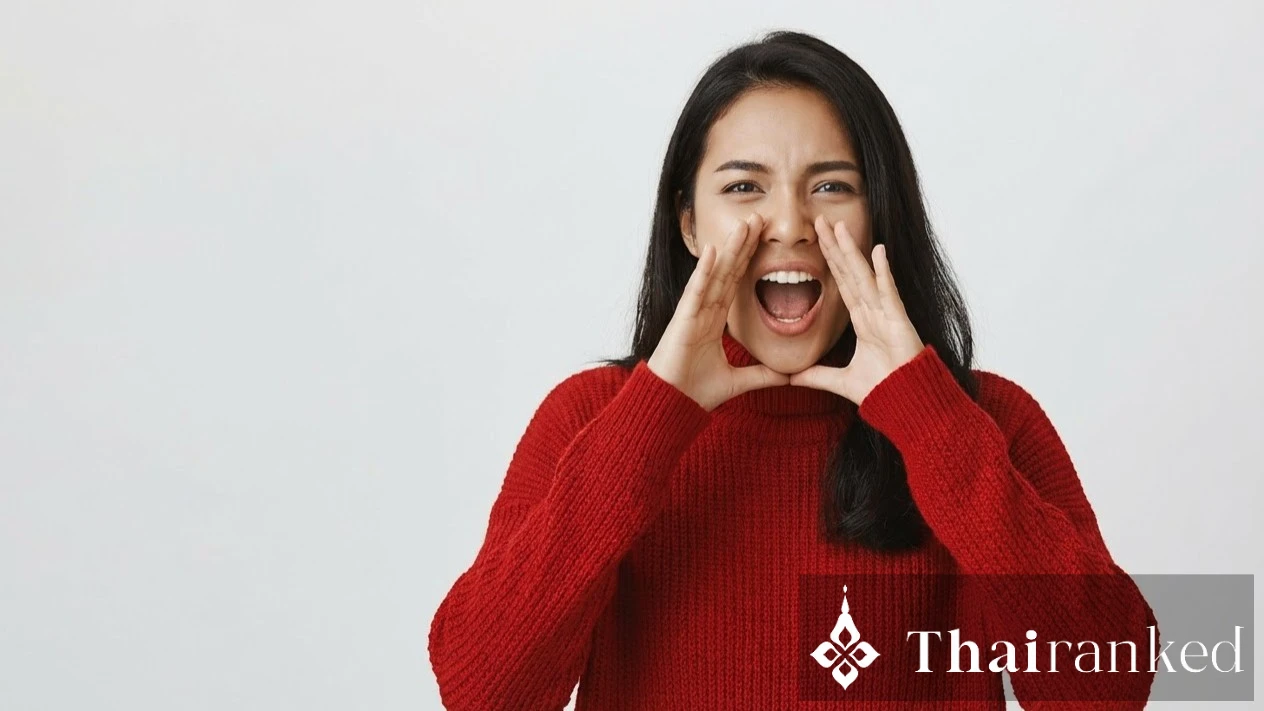
Public outbursts are considered a major loss of face in Thailand, for you and the person you confront. Yelling, swearing, or aggressive gestures escalate situations quickly and are seen as humiliating. If a problem arises, switch to a calm tone, keep your posture relaxed, and try simple phrases like “khor thot” (sorry) or “mai pen rai” (no worries) to defuse tension. Ask to speak with a manager quietly rather than arguing at the counter. If you feel unsafe or stuck, step away and contact Tourist Police (dial 1155) rather than pushing a confrontation. Thais value social harmony, and you’ll get much better results by staying composed and respectful, even when things go wrong. Your calm presence will be read as maturity and cultural sensitivity.
5. Disrespecting Buddha Images and Sacred Spaces
Treat images of the Buddha with reverence
Highlight
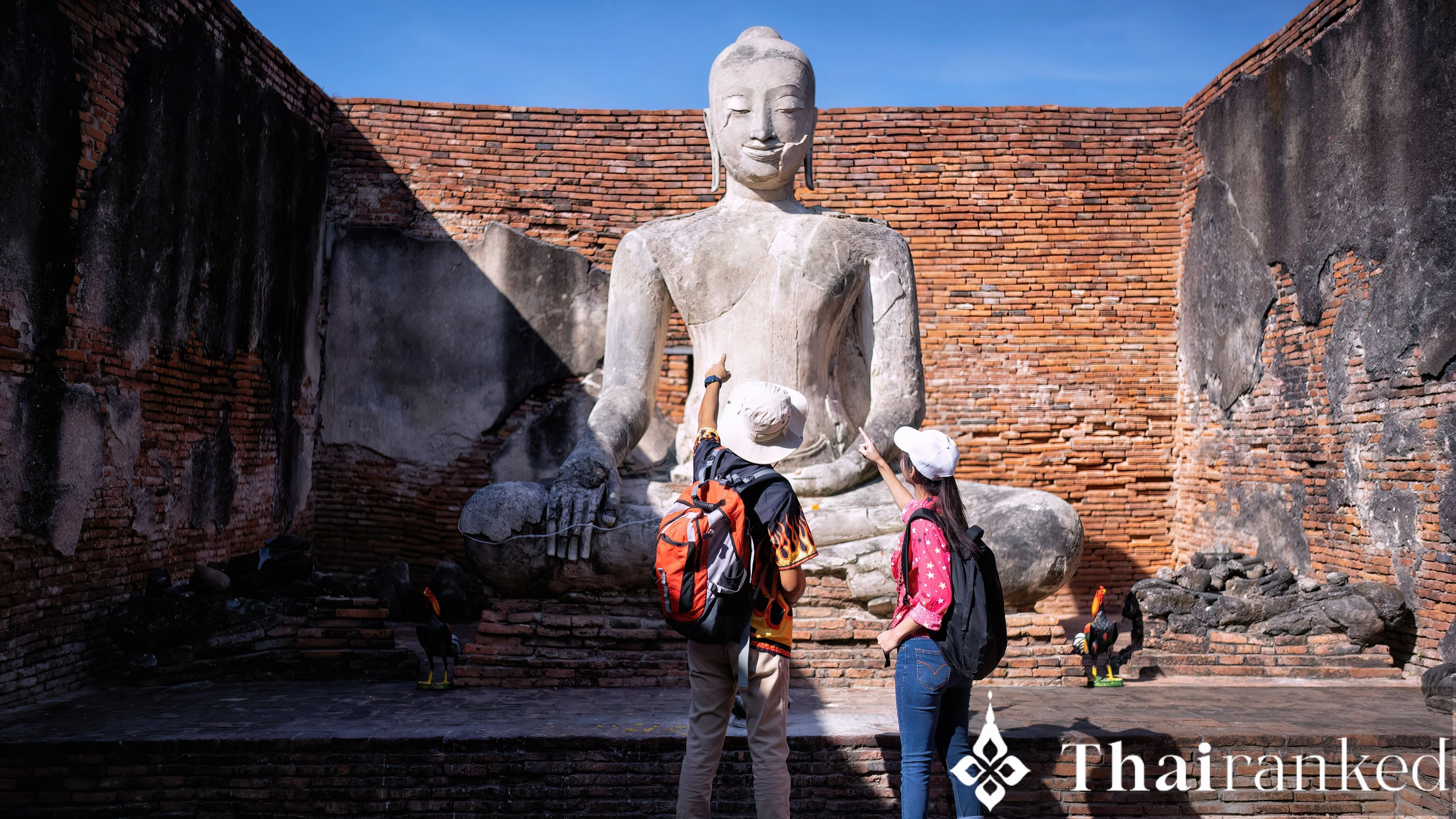
Climbing on Buddha statues, taking jokey photos, or treating relics and altars as props are all highly offensive. Even outside temples, Buddha heads sold as decor or worn as fashion can be controversial. In any sacred area, follow posted signs, keep a respectful distance from images, and never sit on altars or platforms. Avoid draping clothing or bags over statues and don’t touch relics unless a caretaker explicitly invites you to. Photography is usually fine, but keep poses modest and avoid blocking worshippers. If you’re unsure, watch what locals do for a minute. A quiet demeanor, covered shoulders and knees, and feet tucked away from the altar will always be the right call.
6. Inappropriate Temple Attire and Behavior
Dress modestly and keep it serene
Highlight
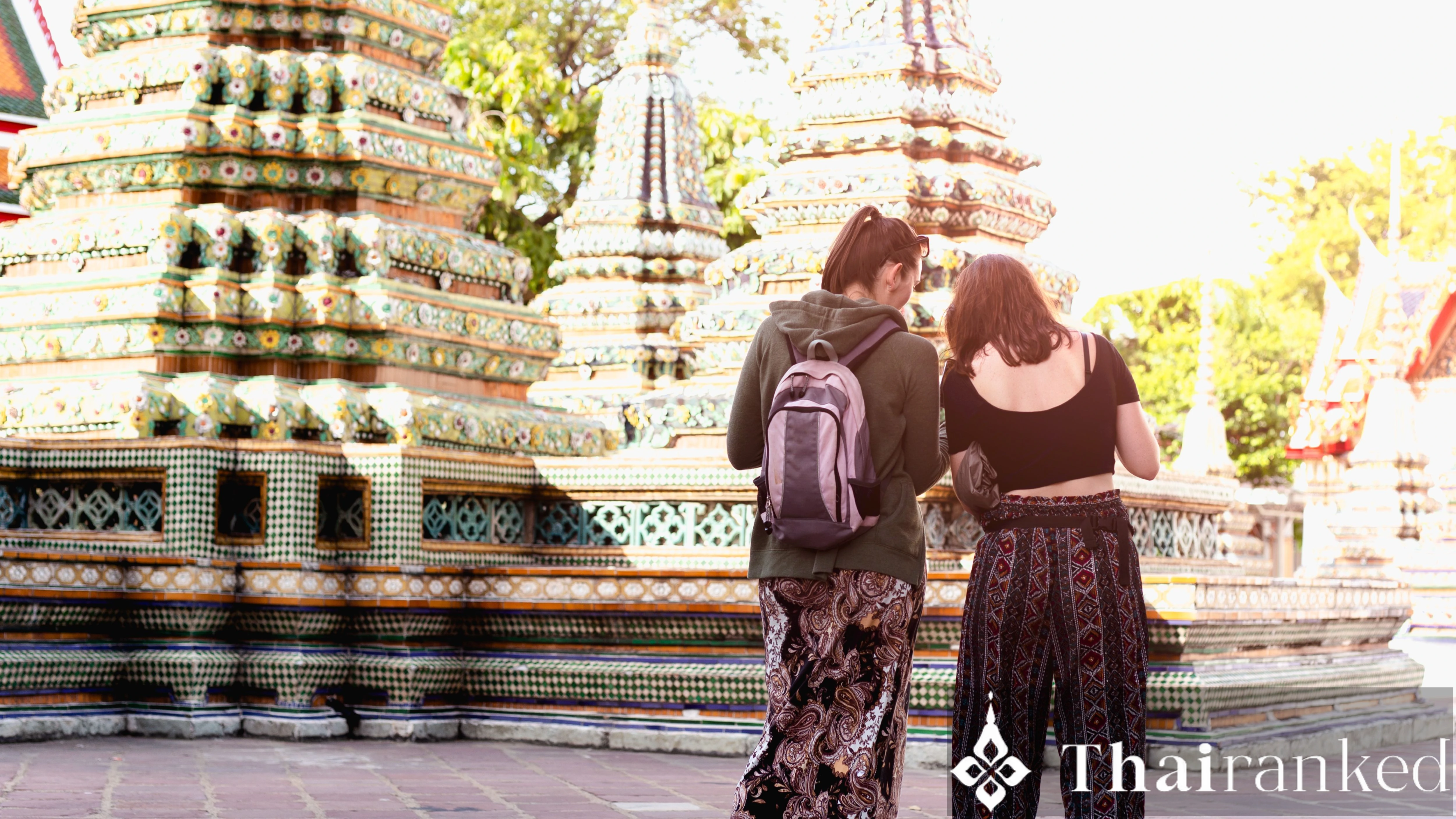
Temples are living places of worship, not just photo backdrops. Short shorts, low-cut tops, crop tops, or see-through clothing will draw disapproving looks and can get you turned away at major sites. Bring a light scarf or shawl to cover shoulders, choose knee-covering bottoms, remove hats and sunglasses, and silence your phone before entering. Keep conversations soft, avoid PDA on temple grounds, and don’t picnic on steps or chedi bases. Many temples offer sarongs or shawls at the entrance; use them gratefully and return them neatly. Dress codes can feel strict in the heat, but a little preparation shows respect and keeps your visit smooth and welcome.
7. Using Your Feet to Move or Point at Things
Feet are tools for walking, not pointing
Highlight
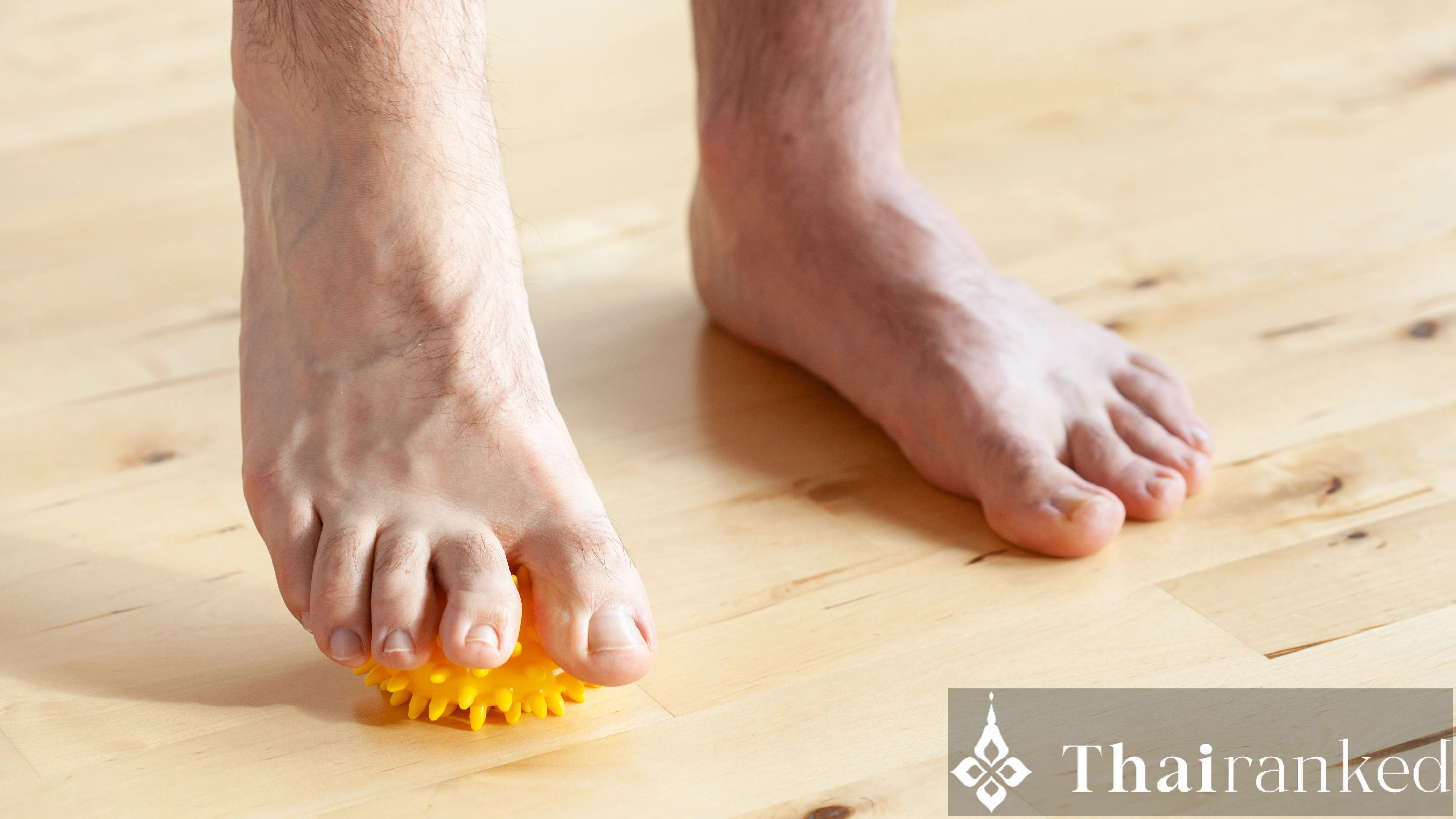
Beyond pointing feet at people, using your feet as tools is itself disrespectful. Kicking a door closed, sliding a bag with your foot, or pointing your toe to indicate an item are all poor form. In homes and some businesses, shoes come off at the entrance, and you should never put feet on chairs, coffee tables, or train seats. If you drop something under a table, crouch and retrieve it by hand rather than fishing with your foot. When seated on the floor among others, keep your feet tucked back, not splayed into the circle. These small adjustments make a big difference, signaling that you respect Thailand’s body hierarchy and shared spaces.
8. Physical Boundaries with Monks and Elders
Mind space, status, and the wai
Highlight
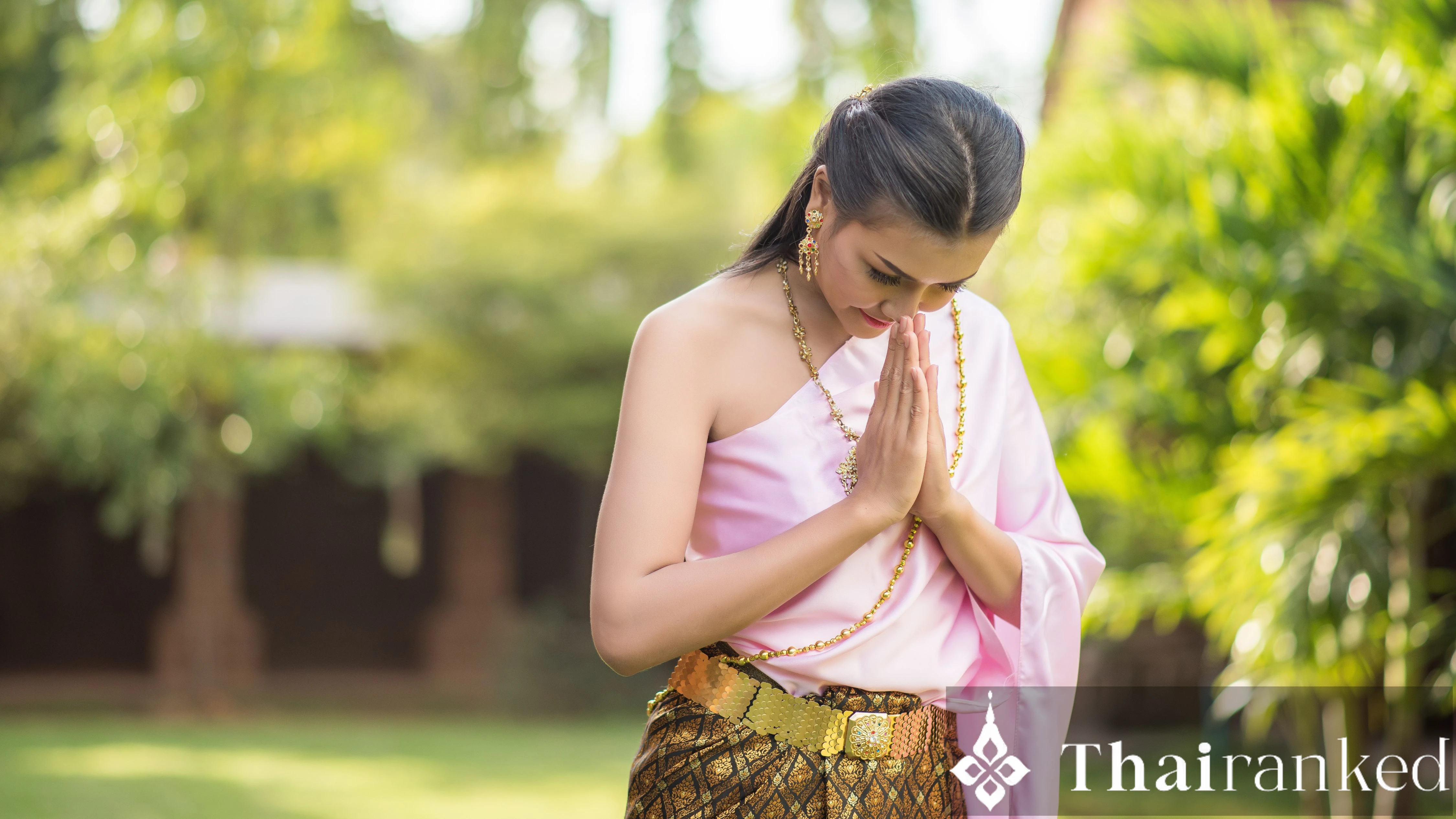
Interactions with monks and elders carry extra etiquette. Women should avoid touching monks or handing items directly; instead, place objects on a tray or within easy reach. Men should also keep polite distance and use two hands when offering or receiving important items. Don’t sit higher than monks or elders during ceremonies, and avoid stepping over anyone seated on the floor. When passing closely in front of a seated elder, dip your posture slightly and offer a brief smile. A wai is appropriate to elders and respected figures, while handshakes are less common outside business settings. Observe the room, follow others’ lead, and when uncertain, a gentle wai and soft “sawasdee” will always land well.
Missing a business you'd recommend?
Tell us who belongs on this list and our editors will review it.
Respect the culture, enjoy the smiles
Thailand rewards small, thoughtful choices. Keep feet out of people’s space, never touch anyone’s head, speak softly, and treat sacred images and currency with care. Dress modestly for temples, remove shoes when asked, and avoid PDA or loud phone calls in religious spaces. When in doubt, copy what locals do, smile, and ask politely.
If you want a deeper dive into how to behave at temples, our guide to Thai temple rituals breaks down incense, candles, chanting, and how to move respectfully around Buddha images. Everyday respect also shows up beyond temples. For instance, many Thais pause for the national anthem in public places, a moment explained in our piece on why everyone stops at 8AM and 6PM. Master these basics, and you’ll blend in, make friends faster, and enjoy smoother travels across the Land of Smiles.
by Nam Thairanked
I love traveling and eating Thai food.
What people ask about
"The Most Disrespectful Things to Avoid in Thailand"
Here you will find answers to the most popular questions about Thailand.