enthdeesfrnlruhijakozh

7 Budget Resets for Thailand Expats in 2026: Bills, Banking, and Cost-Saving Swaps

Cut your Thailand cost of living in 2026. Seven practical budget resets for expats, from mobile plans and banking to transport, utilities, markets, and subscriptions.


7 Budget Resets for Thailand Expats in 2026: Bills, Banking, and Cost-Saving Swaps - thumbnail

New year, new budget. If you live in Thailand long term, small monthly tweaks can add up to thousands of baht saved in 2026. This guide focuses on realistic swaps that fit expat life in Bangkok, Chiang Mai, Phuket, Pattaya, and beyond, helping you trim recurring bills without sacrificing comfort. We’ll cover the big levers first—mobile plans and banking—then move into daily-usage wins like transport, utilities, groceries, and subscriptions. Each “reset” is actionable, Thailand-specific, and friendly to both city and provincial lifestyles.

Mobile data is where many expats quietly overspend, especially on legacy postpaid plans. Many of the cheapest wins come from re-checking your true usage and moving to a better-fit SIM or eSIM bundle. If you’re unsure where to start, our quick primer will help you compare options in minutes: Guide to SIM Cards or eSIMs in Thailand (2025 Update). From there, stack other savings: pay domestic bills via QR, avoid hidden bank fees, swap some train rides for buses or canal boats, and refresh your shopping routine with market-first buying. By prioritizing what you use most, you’ll feel the savings immediately, then keep them rolling all year.

Pikul

1. Switch to a smarter mobile plan or eSIM

Stop overpaying for data you don’t use

Editor’s Pick
Switch to a smarter mobile plan or eSIM

Highlight

Many expats inherit overpriced postpaid plans they no longer need. Audit your real monthly usage in your carrier app, then drop to a better-fit bundle. Prepaid “unlimited at 4–10 Mbps” packages are often enough for maps, messaging, and streaming at SD, at a fraction of postpaid rates. If you need bursts of speed, look for plans with daytime speed caps and higher night/weekend data. Data-only eSIMs are great for frequent travelers, pairing with VoIP or app calling to cut voice costs. Turn off auto-renew promos that crept up in price, and set a calendar reminder to re-check promos every 90 days. Tethering from your phone can replace a backup home line during outages. Keep your Thai number active for banking OTPs, but don’t overpay for data you never use.
Pikul

2. Fix your banking stack and kill fees

Make PromptPay your default, avoid DCC and ATM hits
Most Impact
Fix your banking stack and kill fees

Highlight

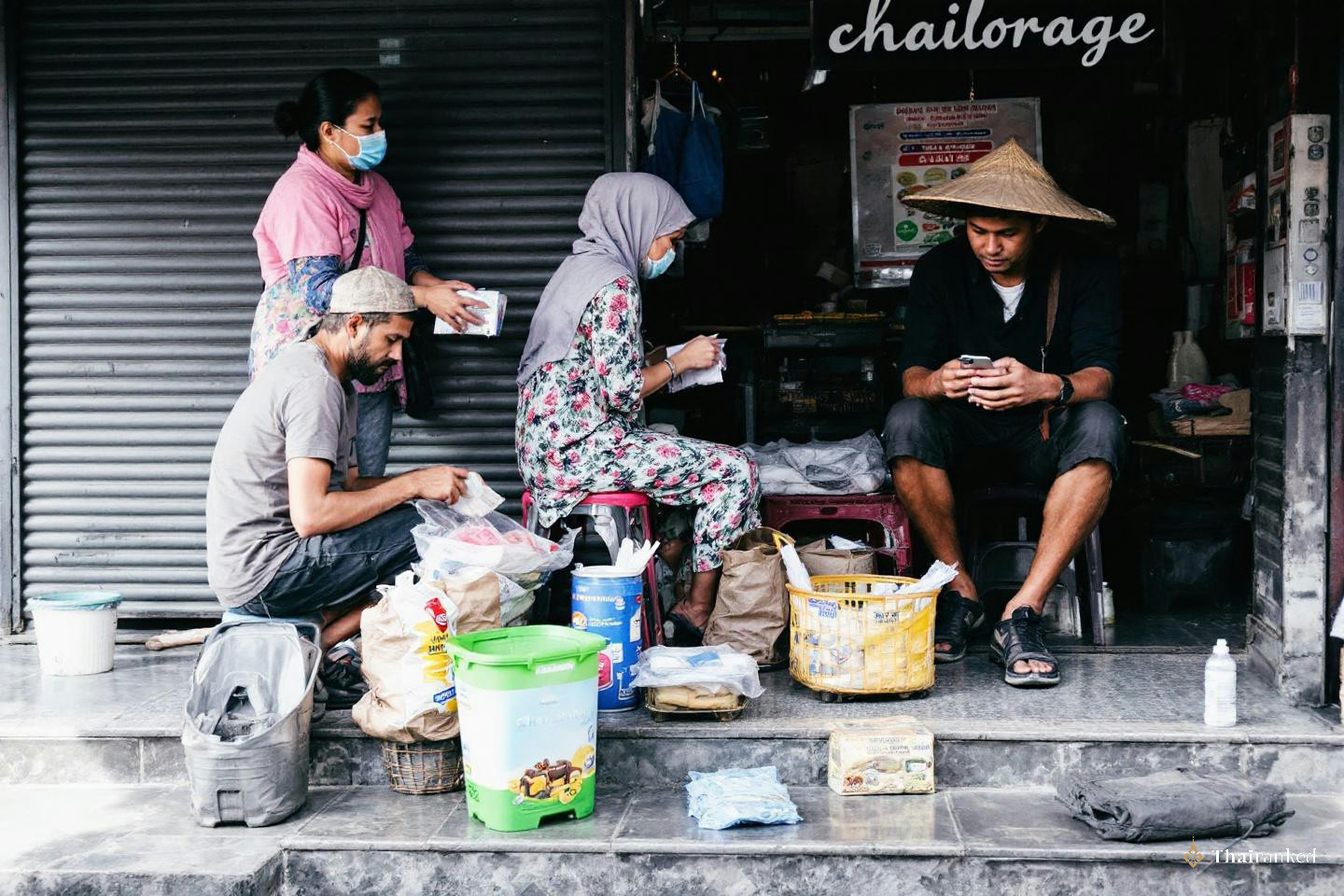
Trim the friction between foreign income and Thai spending. Use a Thai bank account as your daily hub for rent, utilities, and QR payments. Domestic transfers and PromptPay QR are usually free or very low-cost, so pay bills digitally and avoid cash handling or ATM trips. When moving money from overseas, compare total cost (FX + fees), and batch transfers to reduce per-transfer charges. Avoid dynamic currency conversion at card terminals by choosing to pay in THB. If you must withdraw cash, use your own bank’s ATMs to dodge out-of-network fees. Keep one low-fee multi-currency account for travel and online purchases, and disable international card usage by default for security. A few setup hours here can save you hundreds of baht monthly, every month.
Pikul

3. Rethink your rent: location, lease, and inclusions

Move one stop out, negotiate, and bundle smart
Best Value
Rethink your rent: location, lease, and inclusions

Highlight

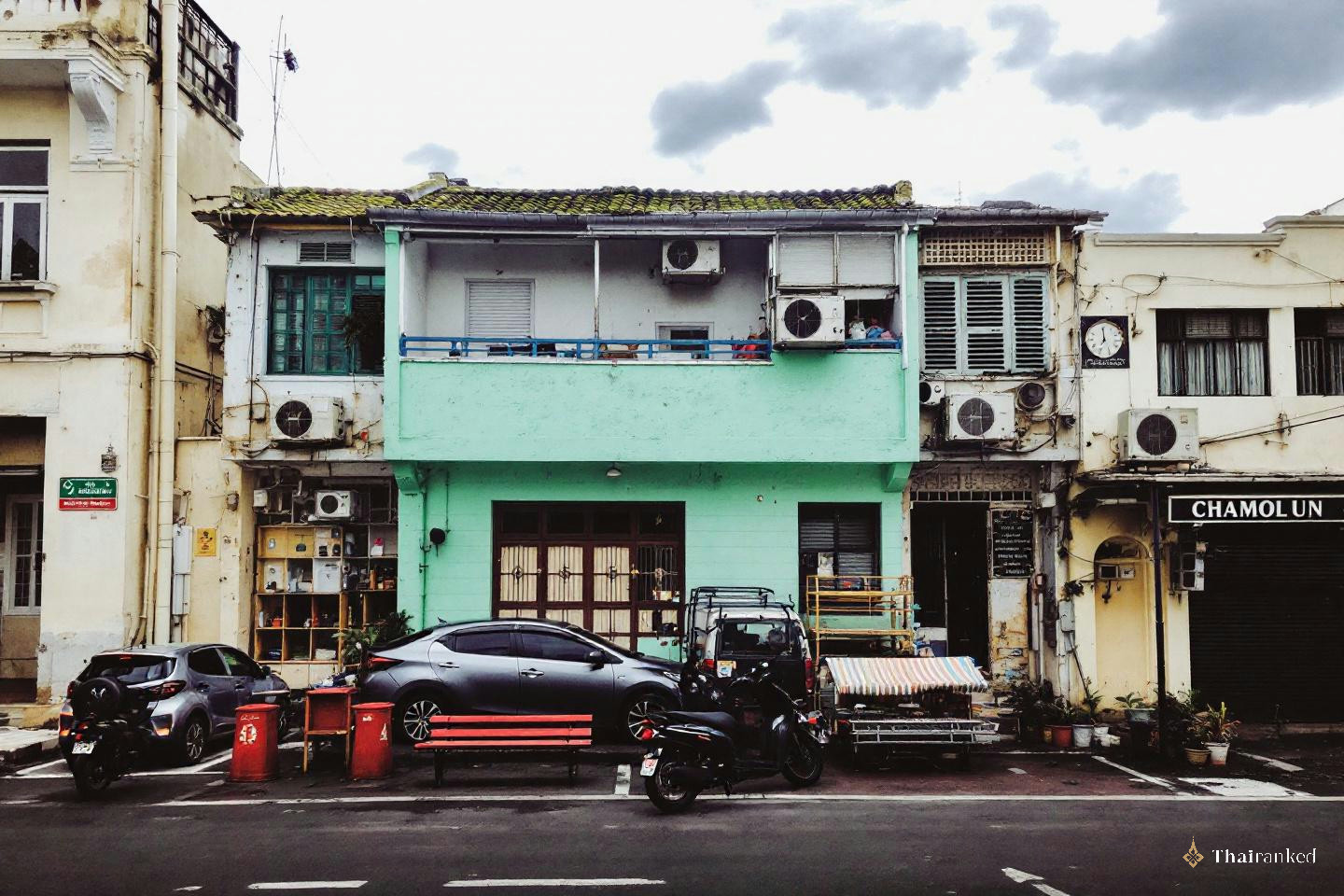
Rent is often your biggest lever. Consider moving one train stop farther from the core, or into an older, well-maintained low-rise. You’ll often get more space, lower rents, and friendlier management. When viewing units, ask what’s included: some buildings bundle basic internet, water, or gym access. Compare electricity billing: direct utility billing is usually cheaper than building markups. Negotiate a 12-month rate, ask about move-in promos, or offer a slightly longer commitment for a lower monthly price. If you work hybrid, prioritize commute days and choose an area that’s cheap for errands on the others. Take fresh photos and videos of condition at handover to protect your deposit. Small trade-offs in location can free thousands of baht a month without reducing quality of life.
Pikul
Pikul

4. Slash home internet and utility waste

Retention deals, right-size speeds, and AC discipline

Slash home internet and utility waste

Highlight

Home fiber is hyper-competitive. Call your provider’s retention line once a year and ask for current promo pricing; entry-level fiber speeds commonly cost far less than legacy plans. Avoid paying for redundant speed if you mostly browse, stream HD, and video call. Place your router centrally and on a shelf for better Wi‑Fi, reducing the temptation to upgrade speed. For electricity, set air-con to 26–27°C, clean filters monthly, use fans to spread cool air, and shut doors in unused rooms. Switch to LED bulbs and unplug idle electronics to cut phantom loads. Wash clothes in cold water and line-dry when possible. These tweaks are boring but reliable, and unlike one-off discounts, they compound on every bill.
Pikul

5. Commute smarter with multi-modal choices

Use rail when fastest, buses and boats when cheapest
Commute smarter with multi-modal choices

Highlight

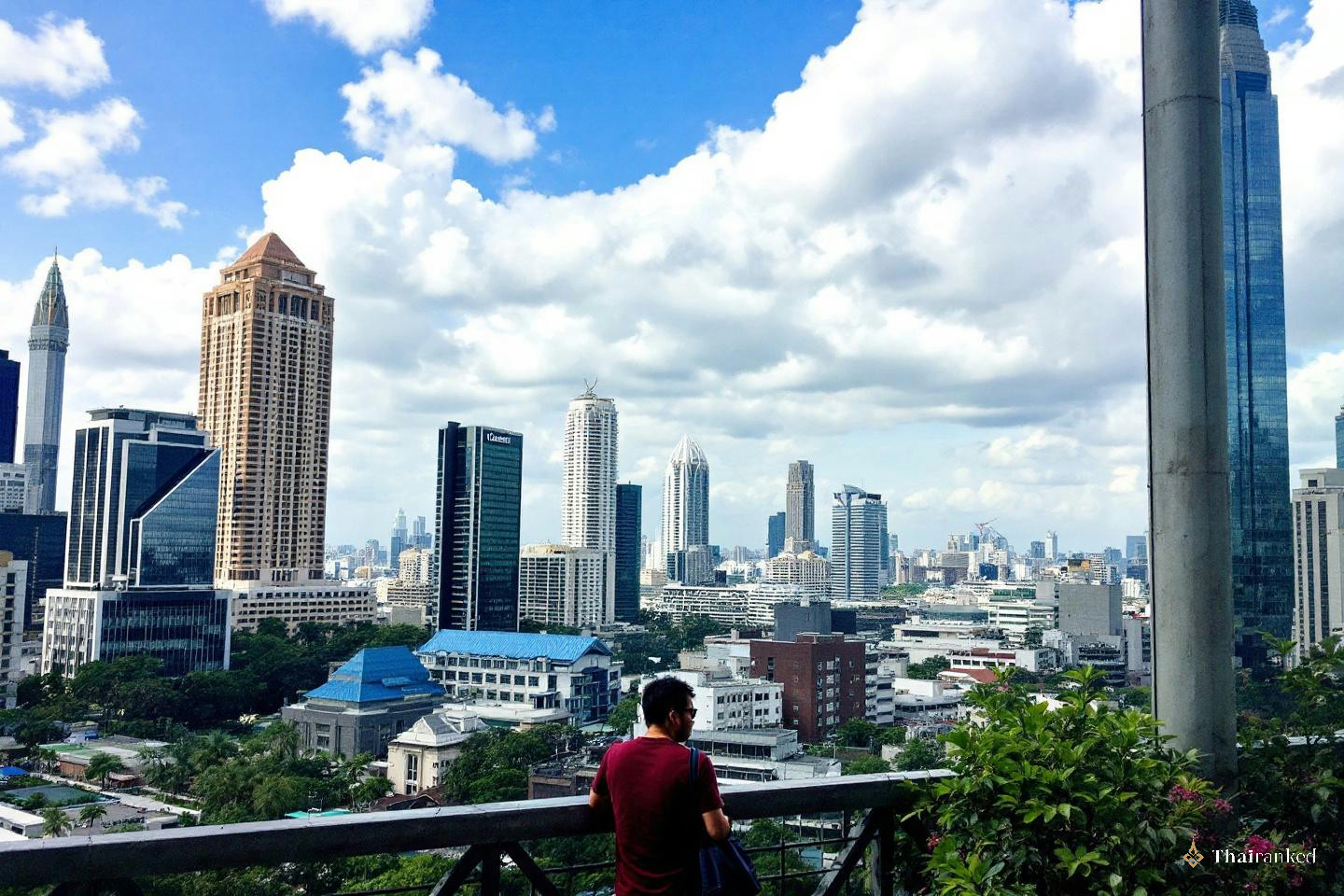
Match the mode to the trip, not habit. Use stored-value cards for BTS/MRT convenience, but don’t ignore cheaper options: BMTA city buses cost a fraction of rail fares on many routes, canal boats bypass gridlock, and the Airport Rail Link can beat taxis in both price and time. For regular commutes, map two or three go-to routes that mix walking, buses, and rail depending on traffic and weather. Watch ride-hailing promos for off-peak discounts, and share rides on weekends. If you ride a motorbike, compare monthly rentals to daily ride-hails for your pattern, and budget for safety gear. For intercity trips, price night buses and standard-class trains before defaulting to budget flights, especially when baggage fees apply.
Pikul

6. Eat like a local: markets, bulk staples, and water refills

Market-first shopping beats supermarket impulse buys

Eat like a local: markets, bulk staples, and water refills

Highlight

Shift your grocery baseline to fresh markets for produce and herbs, then stock bulk staples like rice, eggs, tofu, and noodles from wholesalers or hypermarkets. Build a short rotation of Thai dishes you can cook fast—stir-fries, soups, and one-pan rice bowls—so eating at home is cheaper than delivery. Street stalls remain great value for single-portion meals; look for places with steady turnover. Carry a reusable bottle and use neighborhood refill stations to cut bottled-water costs drastically. Buy fruit in season and by the kilo, and reduce cafe spend by making coffee at home or picking simpler options. These habit changes can trim hundreds of baht per week, without feeling like a downgrade.
Pikul

7. Audit subscriptions, insurance, and lifestyle extras

Cancel, consolidate, and choose cheaper defaults

Audit subscriptions, insurance, and lifestyle extras

Highlight

Do a quarterly sweep of recurring charges. Cancel rarely used streaming apps, switch to annual billing when you’re sure you’ll use the service, and avoid overlapping platforms. Revisit gym memberships—community centers, condo gyms, and public parks with workout stations can cover most routines. Look for bundle discounts on mobile + home internet if you’ll truly use both. For health, comparison-shop private clinics for routine checkups and ask about packages, and keep a small pharmacy kit with basics to avoid pricey last-minute purchases. Finally, set app alerts for fare sales and supermarket promos, but mute push notifications from services that provoke impulse spending. A few hours of pruning can lower your baseline spend all year long.
Pikul

Think of these seven moves as a once-a-year tune-up for Thailand life. Start with the highest-impact items—mobile, banking, and rent—then layer in utility tweaks, multi-modal transport, market-first grocery habits, and a subscription spring-clean. If you prefer two wheels, study safety, insurance, and fair rates before switching; our primer, The Ultimate Guide to Renting a Motorcycle, covers the key risks and savings. And if you’re hunting for a better apartment deal in 2026, apps can speed up your search; see Top 6 Condo Rental Apps in Thailand for options across budget tiers and regions.

The point isn’t deprivation, it’s alignment: pay only for what you actually use, choose the cheapest reliable channel for each routine, and renegotiate once per year. Do that and your Thailand cost of living will drift down naturally, leaving more baht for travel, language classes, or a weekend at the beach.

by Thairanked Guide

January 04, 2026 03:33 AM

What people ask about

"7 Budget Resets for Thailand Expats in 2026: Bills, Banking, and Cost-Saving Swaps"

Here you will find answer to the most popular questions.