Why Thai People Love Hot Soup on Rainy Days
August 27, 2026 10:19 AM
Last edited: August 27, 2026
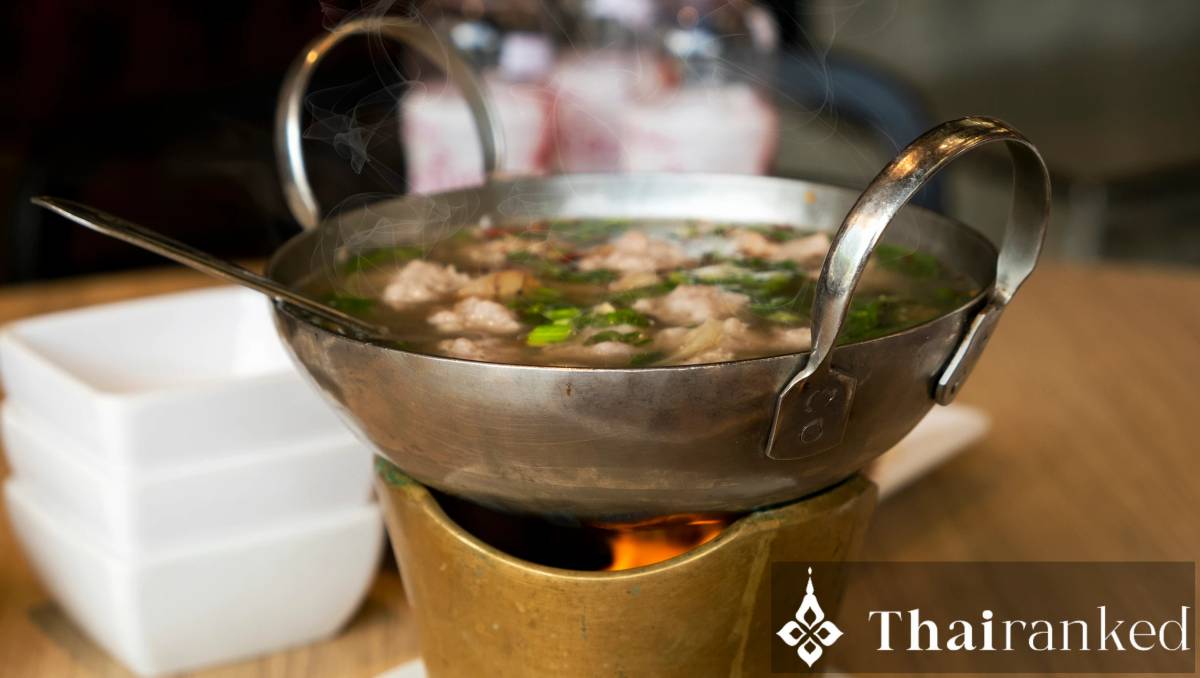

by Thairanked Guide
Thairanked helps you discover great places in Thailand!
Search Hotels & Flights





Rain arrives in Thailand and you watch vendors set steaming pots on their carts. You smell lemongrass, coriander, simmering broth. You order a bowl and the heat moves through your body. This habit looks simple. The reasons behind it combine climate, culture, physiology, and food logistics.
Heat, humidity, and the human response
Thailand's monsoon brings sudden temperature changes and high humidity. Your skin chills when warm air meets heavy rain, while the damp air feels closer to your bones. Thais reach for hot soup because hot liquid changes how the body responds. Warm broth raises your core temperature and opens circulation, which translates into immediate comfort. Spices and hot chilies cause sweating, which cools the body after the initial heat. Herbs such as galangal, lemongrass, and kaffir lime release fragrant oils when boiled. Those oils clear nasal passages and make the soup feel more restorative.
Cultural food habits and the communal table
Street food culture shapes what you eat during rain. Vendors move mobile equipment under awnings, and market stalls plug portable burners into the same sockets that power market lights. Soups travel well. Vendors ladle broth into bowls and hand them to customers who stand under a plastic canopy or sit on low stools. Sharing a table with strangers happens without fuss. Thais grew up with family soups served at breakfast, lunch, and late at night, so a bowl of soup on a wet afternoon fits seamless into rhythm.
Rice, rice porridge, and breakfast soups
Choose between khao tom, jok, or a clear rice soup. Khao tom uses steamed rice simmered in broth. Jok uses rice pounded to a porridge, with a soft, creamy texture. Vendors sell these bowls early and keep cooking through the rain, because those dishes satisfy hunger and warm the stomach. You can add pork, fish, salted egg, or century egg. Vendors season with fish sauce, sugar, and white pepper so you adjust flavor at the table.
Health beliefs and practical benefits
Thai home remedies pair hot drinks with rainy weather. Mothers serve warm soup to soothe a scratchy throat or to loosen congestion. Traditional Thai medicine highlights hot and cold elements, and people use hot broth to counteract dampness. Beyond belief, hot soup provides hydration and calories, which helps when you lose heat from standing in cold rain. A broth with protein, such as chicken or fish, fuels your muscles and supports immune function. Herbs in the broth add mild antiseptic or antiinflammatory properties, and those properties matter when you expose yourself to wet conditions.
Popular rainy day soups and what they offer
- Tom yum, the hot and sour soup, wakes your senses with lemongrass and chilies. You feel the heat and the acid, and the broth clears your sinuses.
- Tom kha gai, the coconut chicken soup, balances cream, sour, and spice. Coconut milk insulates against cold, and galangal settles the stomach.
- Jok, rice porridge with minced pork and a soft egg, provides a soft mouthfeel and extended warmth. You eat more slowly and the warmth stays with you.
- Boat noodles, a concentrated beef or pork broth, brings intense flavor in a small bowl. Vendors reduce broth for deeper taste, and you return for multiple bowls.
- Khao tom, the clear rice soup, gives hydration and light protein without overwhelming your appetite.
Street vendor culture and the rain ritual
Vendors expect rain. You watch them cover gas burners with plastic, hang clear tarps, and place plastic stools under awnings. Street cooks keep large metal woks and pots on standby and add stock as demand rises. Rain creates a micro market because people avoid long walks and opt for nearby stalls. Markets send customers to soups that require minimal chewing, which works when you want comfort after a wet commute.
Street supply chains support that rhythm. Wet markets keep bones, herbs, and rice on hand. Vendors do not need refrigeration when they cook through the day. They reuse the same pots, which concentrates flavors and builds loyal followings. That technique turns a rainy evening into a communal supper for people returning from work or tourists exploring night markets. If you want to sample rain-time food scenes, start at Bangkok's best night markets or head northeast to Korat night markets, where soup stalls cluster around poultry and noodle stands.
Taste, spice levels, and ordering tips for travelers
Tell the vendor your preferred spice level by using simple phrases. Say "mai ped" to ask for no chilies, or say "ped nit noi" for mild heat. Carry cash for small bowls. Add condiments at the table, such as sliced chilies in vinegar, ground chilies, sugar, and fish sauce. A squeeze of lime brightens most broths. Order sticky rice when you want to turn a soup into a full meal. Taste the broth before adding too much seasoning, because vendors tune salt and acid to local palates.
Choose vendor seats carefully. Sit where the steam lifts into your face. Bring napkins. Slurp quietly, not loudly. You will notice locals eating while reading their phones or chatting with neighbors. Street vendors welcome that mix of privacy and sociability.
Regional variations that reflect local climates
Northern Thailand offers thicker, herb forward broths that pair well with cooler highland evenings. Visit Chiang Mai and you will find soups that emphasize ginger and local vegetables. Use our Chiang Mai travel guide to plan food stops that include markets and temple areas where vendors set up morning soups.
Coastal provinces add seafood and tamarind to broths so you enjoy a marine tang. Southern provinces fold in coconut and strong spices, so the combination of heat and sweetness suits humid coastal weather. Inland areas use pork or beef and stack umami with fish sauce and fermented ingredients.
Rain, comfort, and memory
Food connects with memory. You keep the smell of a vendor's broth, the feel of small plastic stools, and the sight of rain on tarpaulins. Those sensory memories make you seek soup when the first monsoon drops fall. Families carry that pattern across generations. You learn which stalls deliver consistent heat and which vendors add the right amount of green onion. A bowl of soup on a rainy day becomes a marker of home.
Practical safety tips
Choose busy stalls. High turnover means fresh ingredients. Inspect the broth for clarity if you order clear soups, and check that the vendor uses a clean ladle for serving. Avoid stalls where the pot sits uncovered for long hours. If you have a food allergy, ask about ingredients and point to what you cannot eat. Vendors work with gestures when language becomes a barrier.
Where to look for the best rainy day soups
- Night markets across Bangkok host soup stalls in covered alleys, perfect when rain floods the street. Start at Bangkok's night markets and follow your nose.
- Regional markets in Korat combine Isaan flavors with Chinese influenced soups, and our Korat guide points to stalls that run through the evening.
- Morning markets in Chiang Mai serve porridge and noodle soups that fit cooler mountain mornings, and the Chiang Mai guide lists market neighborhoods where vendors set up early.
Closing notes for travelers
Embrace rain as an invitation to eat. Carry a small umbrella, bring cash, and choose a crowded stall. Ask for milder heat if you cannot tolerate chilies. Try a spoon of broth first, then add condiments. You will warm up, hydrate, and experience one of Thailand's simplest pleasures across seasons and regions.
Key takeaways
- Hot soup warms the body, helps circulation, and clears sinuses during monsoon weather.
- Street vendor systems and market culture make soup a convenient rainy day meal.
- Traditional herbs and broths serve both flavor and mild medicinal roles.
- You can control spice level and seasoning at the table, so adapt bowls to your taste.
- Visit covered markets in Bangkok, Korat, and Chiang Mai for the best rainy day soup experiences.
Search Hotels & Flights
Related Insights

Learn why Thais call each other Pee (พี่) and Nong (น้อง), how to use them, and practical tips for travelers and expats in Thailand.

Discover the cultural, practical, and historical reasons Thais use nicknames. Practical tips for travelers and expats navigating names in Thailand.
Learn Thai business dining rules for 2026, how to behave at lunches and dinners, toast properly, handle the bill, and read sabai cues to win trust and respect.
Durian smell leads many Thai hotels to ban the fruit. Learn the reasons, how hotels enforce rules, where to eat durian, and traveler tips for 2026 trips.

Planning to get a tattoo in Thailand? Learn how to choose the right tattoo studio with expert tips on artists, hygiene, pricing, and aftercare.
What people ask about
"Why Thai People Love Hot Soup on Rainy Days"
Here you will find answers to the most popular questions about Thailand.