What Thai Temple Rituals Mean
January 24, 2026 03:40 AM
Last edited: January 23, 2026


by Thairanked Guide
Thairanked helps you discover great places in Thailand!
Search Hotels & Flights
Related Insights
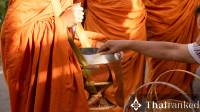

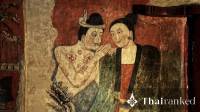
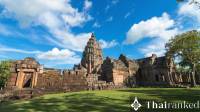

If you’ve ever stepped into a Thai temple, you’ve probably noticed an air of reverence, scents of incense wafting through halls, the soft murmur of chants, and devotees moving gracefully around sacred monuments. For newcomers, these temple rituals can seem mysterious or even intimidating. In reality, each gesture in a Buddhist temple holds deep symbolism, connecting worshipers to the teachings of the Buddha and centuries of tradition. Whether you’re a traveler seeking to pay your respects, an expat wanting to understand the local culture, or a long-term resident hoping to deepen your appreciation, here’s your guide to the heart and meaning behind Thailand’s most important temple rituals.
The Central Role of Rituals in Thai Buddhism
Thai Buddhism is a living, breathing tradition. Temples, or "wats," are not just architectural marvels; they’re the center of community life. Rituals aren’t empty acts, but a kind of language, connecting people with ancestors, merit, and the spiritual world. For travelers and expats, learning the meaning behind these acts is not just polite, but deeply rewarding, opening doors to local customs, social connections, and, sometimes, a sense of peace.
Incense: Fragrant Offerings with Deep Meaning
Incense is everywhere in Thai temples. Before golden Buddha images, on outdoor altars, and during festivals, you’ll see devotees with sticks of incense pressed between their palms. But why?
Symbolism of incense: In Buddhist tradition, incense represents the fragrance of pure moral conduct. The smoke rising upwards symbolizes one’s prayers, merit, and intentions ascending to higher spiritual realms. It is also thought to purify the environment and one’s mind, preparing both worshipper and space for spiritual practices.
- How to offer incense: Typically, you light three sticks, one for the Buddha (the teacher), one for the Dhamma (the teachings), and one for the Sangha (the monastic community). This is known as “Triple Gem” or “Triratna.”
- When to use: Incense is used in daily offerings, at special ceremonies, and in major festivals like Loy Krathong or Visakha Bucha Day (Buddha’s birthday).
Candles: Illuminating Wisdom & Chasing Away Darkness
In temples, you’ll often see gilded candle stands, their lights dancing in front of Buddha statues. Lighting a candle is more than a decorative gesture, there’s rich symbolism at play.
Meaning behind the ritual: The light from the candle is associated with the light of wisdom, a reminder of the Buddha’s enlightenment and the aspiration to dispel the ‘darkness’ of ignorance in our own lives. Candles also offer warmth and guidance, symbolic of teachers and friends along the spiritual path.
- How it’s done: Visitors light a candle before chanting or making merit. In grand events like the start of Buddhist Lent or major festivals, temples are illuminated with thousands of candles, transforming the entire atmosphere into something truly magical.
Chanting: The Soundtrack of Devotion
If you arrive at a temple during morning or evening hours, you may hear deep, rhythmic chanting reverberating across the grounds. This is not random or improvised, these are ancient Pali and Thai verses, preserved for generations.
Why do Thais chant? Chanting serves many purposes in Thai Buddhism:
- Recitation as meditation: Chanting helps calm the mind, making it easier to focus, reflect, and enter meditation.
- Protection and blessing: Certain chants are believed to invoke blessings and protection from harm or misfortune.
- Reinforcing the teachings: The actual verses often outline Buddhist virtues, life lessons, or philosophical concepts, helping remind laypeople and monks alike of their values.
Anyone is welcome to join in or simply observe respectfully. Some temples, especially in tourist areas, provide translated booklets. And if you’re curious, local monks are often happy to explain.
If Buddhist festivals or temple ceremonies pique your interest, you might enjoy learning about how Thailand celebrates New Year in three different ways, which often includes special chanting rituals.
Circumambulation: Meditative Walking in Sacred Circles
Not all rituals happen while sitting or kneeling. One of the most visually striking practices in Thai temples is “circumambulation”, the act of walking calmly in a circle around a sacred object, usually a chedi (stupa), with hands in prayer position.
What does it represent?
- Respect & reverence: Circumambulating is a way to “honor” the Buddha, relics, or important objects associated with enlightenment.
- Meditation in motion: The slow, mindful walking helps focus the mind in the present, similar to a walking meditation. It’s a physical reminder of moving forward on the spiritual path.
- Special days: You’ll see circumambulation especially during Buddhist holidays like Visakha Bucha. Worshippers often circle three times, echoing homage to the Triple Gem.
Want to see this in action? Major temples in Bangkok and Chiang Mai frequently hold public processions, sometimes by candlelight, for visiting devotees. Just check the local calendar or ask temple staff for upcoming events.
Core Rituals, Universal Values
While the details of Thai temple rituals may feel unique, their purpose shares universal threads with spiritual traditions around the world: seeking clarity, paying respect, making merit, and finding inner peace. Next time you’re temple-hopping or pausing for a moment of reflection, you’ll understand why these rituals carry such weight for local communities and individual hearts alike.
Visiting With Respect: Temple Etiquette 101
- Dress modestly, shoulders and knees covered; remove your shoes before entering indoors.
- Speak softly and move calmly.
- Never point your feet at Buddha images.
- Observe before you act. If unsure, simply follow what locals are doing.
- Show respect with your words, posture, and photos. Avoid selfies in sacred areas.
Curious about more Thai customs? Get inspired with our deep dive into how Thais really celebrate New Year or check out the etiquette behind ordering food in Thailand.
Key takeaways
- Thai temple rituals like incense, candles, and chanting are packed with meaning, not just gestures.
- Incense symbolizes moral conduct and spiritual purity; candles represent wisdom dispelling ignorance.
- Chanting is both a meditative practice and a vehicle for blessings and reinforcement of virtues.
- Circumambulation combines respect for relics with a moving meditation.
- Understanding these rituals helps travelers, expats, and residents connect with Thai culture deeply.
Search Hotels & Flights
Related Insights
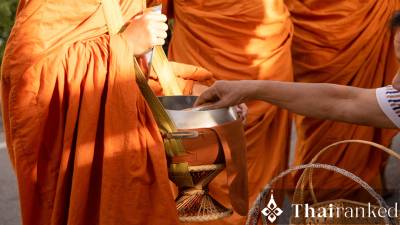
Learn the meaning behind Thailand’s morning alms (Tak Bat), how to respectfully observe or participate, and the best places to witness this beautiful tradition.

Discover the must-have lucky charms for the Year of the Horse 2026, from horse-shaped amulets to jade talismans, and their meaning in Thai culture.
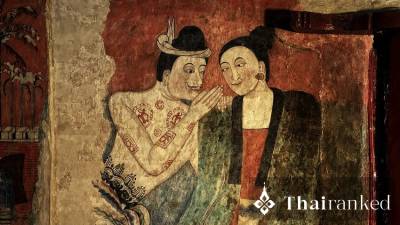
Discover the romantic legend behind the “Whispering of Love” mural at Wat Phumin, Nan. A must-see for couples and culture lovers visiting northern Thailand.
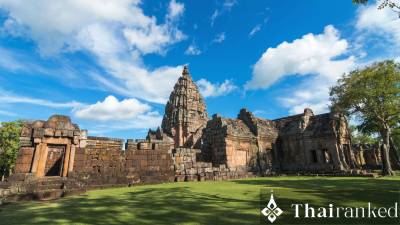
Discover Phanom Rung Historical Park in Buriram, Thailand’s grandest Khmer temple complex, with tips on visiting and what makes it a must-see natural & cultural wonder.

Discover the history of Wan Dek, Thailand's National Children's Day. Learn why it is celebrated on the second Saturday of January.
What people ask about
"What Thai Temple Rituals Mean"
Here you will find answers to the most popular questions about Thailand.