Bangkok’s Science-Driven War on PM2.5
March 17, 2026 05:39 AM
Last edited: April 30, 2026

by Vincent Thairanked
Long time expat in Thailand, loving the food and activities option Thailand has to offer.
Search Hotels & Flights
Related Insights


Breathing Easier: How Bangkok Cuts PM2.5 Pollution with Science
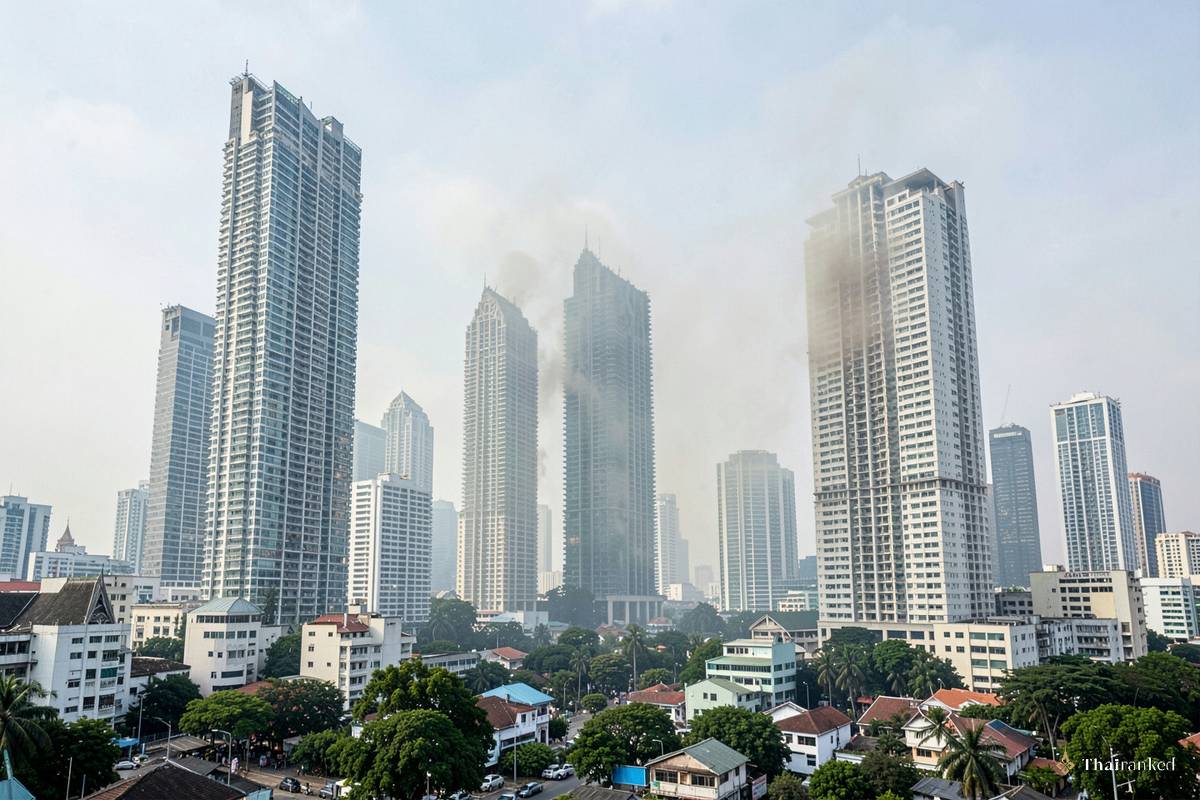
Air pollution remains a challenge for residents and visitors in Bangkok. The city’s notorious haze seasons, packed with dangerous PM2.5 particles, impact health and the overall livability and international reputation of this urban giant. In recent years, a science-driven approach led by Governor Chadchart Sittipunt has turned the tide: Bangkok has seen a 45-50% drop in the number of days with hazardous PM2.5 levels. What changed, and how does science make Bangkok a more livable, breathable metropolis?
PM2.5: The Health Threat Lurking in the Air
PM2.5 refers to airborne particulate matter with a diameter less than 2.5 micrometers. These minuscule particles can infiltrate your lungs and bloodstream, raising the risk of respiratory and cardiovascular diseases, especially in children and vulnerable adults. Consistently high PM2.5 levels mean more emergency room visits, increased days off work, and reduced life expectancy. In 2026, authorities estimated that nearly 300,000 people in Bangkok had illnesses linked to air pollution, with over 3 billion baht in medical expenses and lost productivity.
Beyond Guesswork: Chemical Fingerprint Analysis Powers Policy
For years, attempts to control PM2.5 in Bangkok relied on assumptions,traffic, industry, outdoor burning in distant provinces. While all played a role, real solutions required real data.
The city turned to chemical fingerprinting ("chemical DNA analysis"). The Bangkok Metropolitan Administration (BMA) began sending dust samples to labs to analyze the chemical makeup of the particles. This scientific approach uncovered a turning point: on the worst pollution days, PM2.5 in Bangkok contained high concentrations of potassium. Potassium marks biomass burning,farmers torch rice straw in fields around and outside the city. On lower-pollution days, the dominant compounds were nitrates from vehicle exhaust.
This breakthrough let officials move away from blanket "close the schools, water the roads" orders and target the real sources.
Targeted Action: Pollution Solutions with Precision
Armed with new evidence, City Hall changed its anti-pollution strategy in big ways:
- Partnering with farmers: About 100,000 rai (roughly 40,000 acres) of rice-growing land lies within the city’s boundaries. Agricultural burning had generated major PM2.5. The BMA distributed free straw-compressing machines so rice straw could turn into marketable products instead of going up in smoke. This initiative drove a 44% decrease in burn spots within Bangkok and a 25% cut in provinces such as Nakhon Nayok.
- Targeting vehicle emissions: On days when car exhaust dominates, authorities tighten restrictions on polluting diesel trucks and run the "Green List" system. Well-maintained trucks and EVs can enter the city. Officials use AI and CCTV networks to spot high-polluters in real time and issue enforcement on the spot.
- Regional coordination: Wind often sweeps smoke from upcountry burning into the capital. Bangkok officials increased cooperation with nearby provinces and lobbied for stricter controls on open-field burning.
For more on how Bangkok is supporting the shift to EV technology, check out the article on Bangkok’s EV motorcycle taxi revolution.
International Collaboration and Real-Time Data
Bangkok joined hands with China to install a "Superstation" air quality monitor, delivering real-time info on origins and movement of pollution plumes. The BMA invested in AI-driven technologies using CCTV to identify and flag risky vehicles instantly. These advances have fueled rapid, evidence-based responses.
If indoor activities are needed during high pollution days, see our suggestions for best indoor activities in Bangkok.
Results: Tangible Progress Amid Ongoing Threats
The numbers tell the story:
- 45-50% fewer days with dangerous PM2.5 (orange or red status) compared to the previous year
- Average daily dust levels down by about 22%
- Burn spots inside Bangkok reduced by 44%, neighboring provinces by about 25%
These improvements come from pinpointing and tackling root causes, not blanket or luck-driven measures. Bangkok uses the right tools for each problem, whether traffic or agricultural burning.
For tools to track current air quality, apps and live dashboards help residents and travelers. Find top recommendations in the best air pollution apps for traveling in Thailand.
Lessons for the Future: Evidence, Technology, and Awareness
Progress is visible, but PM2.5 remains a thorny threat. Governor Chadchart warns that without clean air, Bangkok may lose residents’ health and economic edge, and could struggle to attract global talent and investment like other Southeast Asian capitals.
Looking forward, the city’s focus includes:
- Investing in green zones and urban forests
- Upgrading public transport and supporting the shift to EVs
- Making data available to enable communities and researchers
- Teaming up with neighboring provinces for joint action
- Supporting innovation and clean-tech
If you're planning a move or want the healthiest neighborhoods, check our resource on the most convenient areas to live in Bangkok (BTS/MRT).
To escape haze at its peak, you can retreat to Thailand's cleanest air destinations. For broader travel inspiration, see our top provinces tourists love in Thailand and compare the air and lifestyle between Pattaya and Hua Hin.
Key takeaways
- Science-driven policies drove a 45-50% drop in Bangkok's high pollution days
- Chemical fingerprint analysis identified the true sources of PM2.5
- Collaboration with farmers and other provinces cut burning
- AI, CCTV, and "Superstation" tech boosted real-time response
- Ongoing vigilance and innovation remain vital for Bangkok’s clean-air future
by Vincent Thairanked
Long time expat in Thailand, loving the food and activities option Thailand has to offer.
Search Hotels & Flights
Related Insights
Discover the new MuvMi electric boat taxi route in Bangkok! Ride for free from Hua Lamphong to Banglamphoo, exploring 14 stops and hidden Old Town gems.

Suvarnabhumi Airport prepares for 2 million passengers around Lunar New Year. Get insider tips, arrival timing advice, and how to breeze through busy travel days.
Discover how Bangkok’s adaptive traffic lights at Phra Khanong and Sukhumvit 71 are dramatically cutting wait times and easing citywide traffic congestion.
Bangkok faces severe traffic this Friday, Feb 6, 2026, as major road closures for election rallies hit the city. See affected areas, tips, and alternative routes.

Discover how to watch the riverfront lion dance, enjoy CNY fireworks, and relish ICONSIAM’s luxurious decorations, all while staying cool and comfortable.