Ancient Thai Beliefs About Rain
May 06, 2026 08:30 AM
Last edited: May 06, 2026

by Thairanked Guide
Thairanked helps you discover great places in Thailand!
Search Hotels & Flights


Rain in Thai Folklore: More Than Water from the Sky
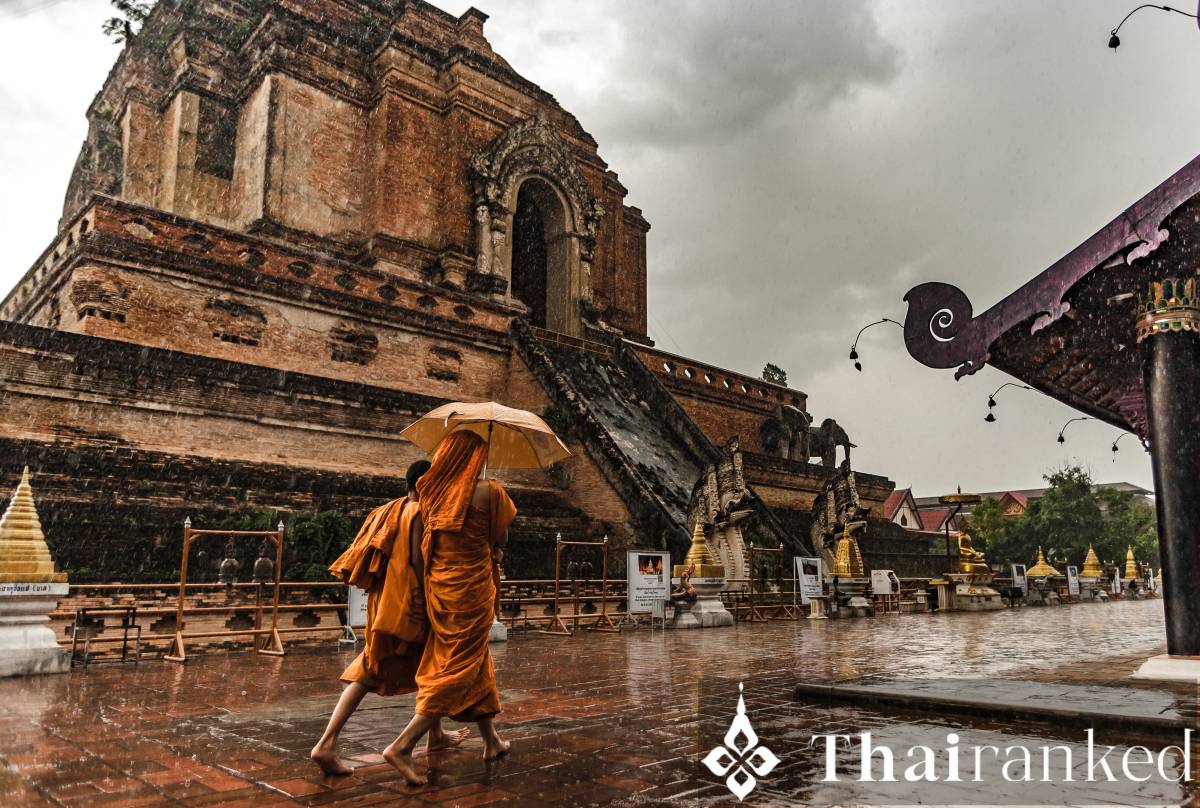
Rain shapes the rhythm of Thai life. In a climate marked by dramatic swings from dusty drought to waterfall torrents, farmers, city dwellers, and monks all pay attention to weather in ways that go beyond science. In every corner of Thailand, you’ll encounter ancient rain beliefs. These beliefs guide daily life, farming rituals, and urban habits that linger even amid technology and Google Weather apps.
Rain Meets Sun: Thai Sunshower Omens
In the heart of Thai villages, a rainstorm bursting while the sun blazes signals more than a weather anomaly. The moment marks a special omen. Across Thailand, people still say, “Fah rong, mae ma lew” (ฟ้าร้อง แม่มาหลิว), or “The sky shouts, the mother’s coming.” Some whisper that when rain falls under a shining sun, a naga (mythical serpent) is marrying, referencing underwater spirits essential to Thai folklore. Children once darted outside, eyes searching for rainbows, convinced that magical creatures or spirits played in the fields where sunlight and rain meet. Stories like these surface every time the sky mixes rain and sun, proof that even in the smartphone age, village lore stays alive.
Sunshower Symbolism in Thailand
- Naga’s wedding: Many Thais say a serpent spirit holds a wedding in the heavens. This belief comes from ancient animist traditions mixed with Buddhism.
- Trickster spirits: Some say mischievous forest spirits, or Phi, stir up rain at odd times to play tricks on humans.
- A lucky omen: A sudden sunshower signals surprise blessings, extra fortune for those who step out at that moment.
Parents in rural areas share these traditions when rainy season starts. The instant sunlight shines through a downpour, someone tells children about nagas, trickster spirits, or surprise luck. These sunshowers become reminders that nature tells stories, even in modern times.
Rain as a Sign: Auspicious and Inauspicious Weather
Rain shapes more than farming. It features in fortune-telling, temple talk, and everyday decisions. Monks who perform ordination ceremonies or weddings watch the skies. Consistent rain before a ceremony suggests abundance and well-being for the family. In contrast, heavy storms on a wedding day, with no warning, spark talk of unlucky omens or spirits needing attention.
Farmers anticipate the first major monsoon shower in May with the Royal Ploughing Ceremony, using it as a prophecy for the year’s harvest. Too little or too much rain decides everything from spiritual offerings to extra temple prayers. For more on how festivals connect to weather, visit our Guide to the 10 Most Popular Festivals in Thailand.
Buddhist Holy Days: Acts to Avoid During “Wan Phra” and Lent
Weather beliefs tie directly to religious customs. Thai people observe “Wan Phra” (วันพระ), holy days that occur four times monthly, matched to the lunar calendar. These days bring their own ritual rules, from what foods you cook to personal hygiene choices. Generations have passed down these customs:
- Don’t cut your hair or nails on holy days. Thai Buddhists believe cutting hair or nails limits spiritual luck. Hair and nails represent your fate and karma. If you cut them, you shed good fortune, especially on spiritually charged days.
- Avoid washing your hair before temple visits. Families tell members to avoid hair-washing before a trip to the temple or on holy days in the rainy season. Many Thais believe hair-washing risks rinsing away blessings or leaving you open to wandering spirits.
- Extra care during Buddhist Lent (Khao Phansa). Buddhist Lent covers three months of the wet season and brings stricter customs. Cutting hair, nails, or heading into forests alone during Buddhist Lent days is taboo. Spirits grow restless with the monsoon’s start, so step carefully and stay mindful to avoid bad luck. Explore why festival seasons heighten spiritual caution in our guide to Thailand’s 7 Days of Danger.
People see these rules as helpful reminders to focus on spiritual deeds and exercise care when storms arrive. Customs become more visible during Buddhist Lent, with temples buzzing and families passing along stories tying rain and ritual together.
Rain Rituals and Weather Magic in Thailand
Thailand preserves a legacy of rain-making rituals that predate weather forecasting. Farmers in Isan, Northern, and Central Thailand called local Brahmin or Buddhist priests to lead “Bun Bang Fai” (the Rocket Festival). Rockets shot into the clouds to beckon rain. Dancing, chanting, and playful songs coaxed the sky to deliver precious showers for rice fields. Even city folks joke about the Rocket Festival marking the real start of rainy season.
Smaller rituals happen across the country. Villagers offer flowers and incense at spirit shrines during droughts. Farmers plant sacred flowers at rice paddies or carry amulets to seek Phra Phirun’s favor, the rain god. Stories about weather as a message from spirits remain strong. Learn about other festivals and customs in our history of Thai New Year (Songkran).
Everyday Rain Customs Still Followed
In Bangkok and beyond, people blend tradition with modern life:
- People cancel trips if rain falls amid sunshine. Elders warn of illness or sudden misfortune during these "strange weather" moments.
- Families choose distinctive temple outfits for rain-soaked holy days, often picking white or light colors for luck and purity.
- Locals share rain proverbs about love or fortune. Taxi drivers notice rain on key days and mention ancestral signals. For more city rain habits, browse our guide to staying comfortable in Bangkok’s shifting seasons.
Temples shelter crowds during fierce storms. During major festivals, umbrellas fill temple courtyards. Some families collect first rainfall water, convinced it brings health or wards off evil spirits if used for cleaning or caring for houseplants.
Rain Beliefs, Planning, and Community
Ancient rain beliefs endure in city life. People honor weather rituals by planning celebrations and gatherings with these stories in mind. It’s common to give offerings after surprise sunshowers or adjust schedules during Buddhist Lent for more auspicious timing. Travelers and locals use these beliefs for both tradition and practical planning. Heading to Thailand soon? Check our guide to traveling in May for timing tips around monsoon myths and festival schedules.
The next time you see sunlight in a rainstorm, ask someone for the story behind it. You’ll hear about nagas, spirits, or promises of luck. Nature still delivers daily reminders to keep tradition, community, and a sense of wonder alive, rain or shine.
Key Takeaways
- Sunshowers in Thailand hint at nagas and signal luck or spirits in play
- Rain guides both rural and city rituals for weddings and planting
- Cutting hair, nails, or washing hair, don’t happen on Buddhist holy days and during Lent
- Rain-making festivals and offerings to rain gods and spirits set the rhythm of seasonal life
- Rain traditions still matter in cities and villages, alongside new habits
- Buddhist Lent brings careful attention to spiritual and weather customs
Search Hotels & Flights
Related Insights
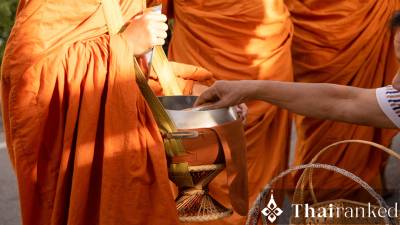
Learn the meaning behind Thailand’s morning alms (Tak Bat), how to respectfully observe or participate, and the best places to witness this beautiful tradition.

Discover the symbolism of core Thai temple rituals like incense offering, candle lighting, chanting, and circumambulation so you can appreciate Buddhist ceremonies.
Discover the must-have lucky charms for the Year of the Horse 2026, from horse-shaped amulets to jade talismans, and their meaning in Thai culture.
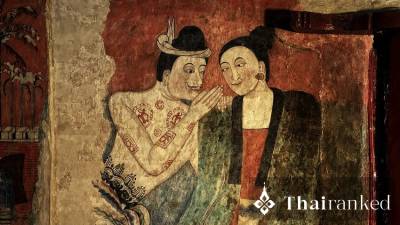
Discover the romantic legend behind the “Whispering of Love” mural at Wat Phumin, Nan. A must-see for couples and culture lovers visiting northern Thailand.
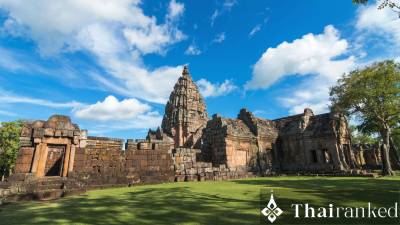
Discover Phanom Rung Historical Park in Buriram, Thailand’s grandest Khmer temple complex, with tips on visiting and what makes it a must-see natural & cultural wonder.
What people ask about
"Ancient Thai Beliefs About Rain"
Here you will find answers to the most popular questions about Thailand.