Thailand Cool Season Packing List: City, Mountain, Beach
January 02, 2026 02:46 PM
Last edited: January 02, 2026
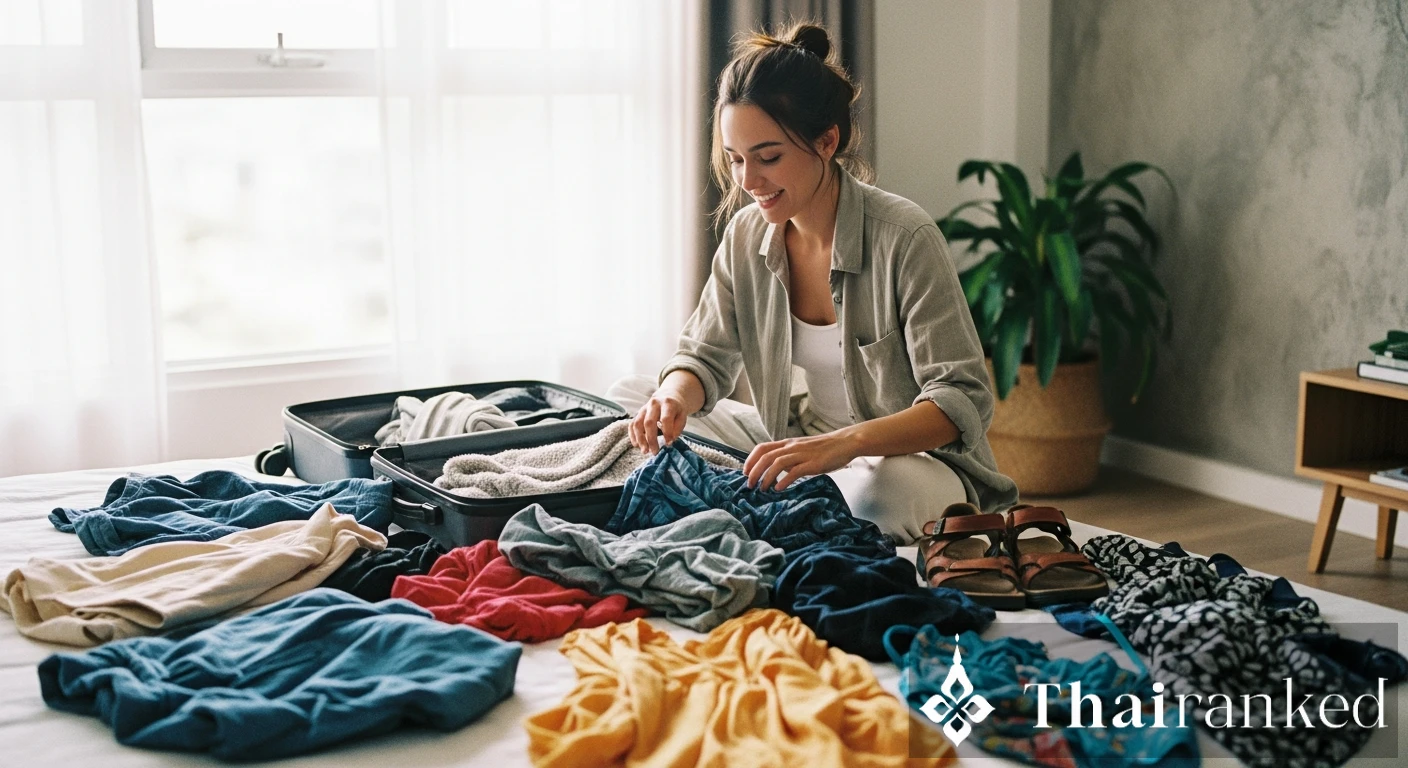

by Thairanked Guide
Thairanked helps you discover great places in Thailand!
Search Hotels & Flights
Related Insights
Thailand’s cool season, roughly November to February, is the dream window for most travelers. Humidity drops, skies clear, and days are warm while evenings finally feel comfortable. But packing can be tricky, because a weekend in Bangkok, a mountain escape near Chiang Mai, and an island hop in the Andaman all demand different gear. Use this focused, destination-based packing guide to travel light, stay warm on 10–15°C nights up north, protect reefs while you swim, and breeze through airport security with power banks packed the right way.
Quick packing checklists by destination
City checklist, Bangkok, Chiang Mai, Chiang Rai
- 3–5 breathable tops, cotton or moisture-wicking
- 2–3 lightweight bottoms, chinos, trousers, or midi skirt
- 1 light jacket or cardigan for cool evenings and strong AC
- 1 pair of comfortable walking shoes, plus packable sandals
- Temple-ready outfit, long pants or skirt below knee, shoulders covered. See our full Thai temple dress code guide for what to wear and what to avoid
- Compact umbrella or ultralight rain shell, brief showers still happen
- PM2.5 mask, air quality can dip in the north during Jan–Mar
- Daypack or crossbody bag with zipper, anti-theft isn’t essential, but zips are smart
- Refillable water bottle, cafes and hotels can refill, cut plastic
Mountain and national parks checklist, Chiang Mai highlands, Mae Hong Son, Doi Inthanon, Khao Kho
- Layering system, base layer, fleece or light down, wind or rain shell
- Warm accessories, beanie, light gloves, warm socks for 10–15°C nights
- Hiking shoes or grippy trainers, plus sandals for camp showers
- Headlamp or small flashlight, power is limited at campgrounds
- Sleeping bag liner, adds warmth if you rent park tents and bags
- Dry bag or pack cover, morning mist and dew are common
- Cash for park fees and rentals, card acceptance is rare
- Insect repellent, see the best mosquito repellents in Thailand
- Compact first-aid, blister care, pain relief, antihistamine
Beach and islands checklist, Phuket, Krabi, Koh Lanta, Koh Phangan
- 2–3 swimwear pieces, plus a rash guard for sun and stings
- Reef-safe sunscreen, mineral, non-nano zinc oxide or titanium dioxide
- Sun hat, polarized sunglasses, and a light long-sleeve cover-up
- Water shoes or sturdy sandals for rocky entries and boat landings
- Dry bag and phone sleeve for boat trips and splashy longtail rides
- Lightweight sarong, a beach towel, modesty cover for ferries and temples
- Seasickness bands or tablets if you get motion sick
How to layer for 10–15°C nights up north
Northern Thailand can surprise first-time visitors. Days still reach 22–28°C with bright sun, but once it sets, temperatures in the hills, Doi Inthanon, Doi Suthep, Doi Ang Khang, Mae Hong Son, and Pai can dip to 10–15°C. Add a breeze at a viewpoint and you will be grateful for real layers. Here is a simple system that packs small and works everywhere.
- Base layer, a thin, long-sleeve tee or thermal top in merino or synthetic. This keeps warmth in without bulk
- Mid layer, a 200–300 g fleece or a light packable down jacket, 600–800 fill. Fleece handles morning mist, down is ultra-warm for the weight
- Outer layer, a windproof shell or light rain jacket. Even if it does not rain, cutting the wind is what makes you comfortable at 10–15°C
- Bottoms, lightweight hiking pants or jeans for evenings, shorts are fine by day
- Accessories, a beanie, light gloves, and warm socks. These weigh little and make a big difference at sunrise viewpoints
For a November–January mountain trip, wear a breathable tee and shorts by day, then add your mid layer, long pants, and beanie after sunset. If you run cold, bring thin thermals for sleeping. City travelers can swap the fleece for a light cardigan or denim jacket, which also helps on over-cooled trains, malls, and cinemas.
Camping essentials for Thai national parks
Thailand’s national parks, Khao Yai, Doi Inthanon, Erawan, Phu Kradueng and more, make it easy to camp. Many rent out tents, mats, and bags, so you do not need to haul a full kit. Still, a few small items massively improve comfort.
- Sleeping bag or liner, park bags are usually thin. A compact liner adds warmth and hygiene, target a 5–10°C rating if you bring your own bag
- Sleeping mat, if renting, ask for the foam mat. If you own an inflatable pad, bring it, nights on Thai ground feel colder than the temperature suggests
- Headlamp, paths are unlit and you will want hands free for tent zips and cooking
- Camp footwear, flip-flops for shower blocks, trail shoes for hikes
- Warm layers, fleece or light down, beanie, gloves, and socks for the 10–15°C window
- Food and water, most parks have basic restaurants with limited hours. Bring snacks, instant noodles, and a refillable bottle. Refill at camp when available
- Dry bags, protect clothing and electronics from dew and mist
- Earplugs and eye mask, for rooster alarms and early sun
- Respect park rules, cook only at designated areas, do not feed wildlife, and carry out all trash
Thai islands are also moving toward low-plastic policies. If you plan to visit Koh Samet, read our Koh Samet no-plastic packing guide for reusable alternatives that work everywhere, not just on Samet.
Toiletries and health: reef-safe, bite-safe, and AC-safe
Pack a small, targeted kit. You can buy almost anything in Thailand, but having your favorites saves time on arrival.
- Reef-safe sunscreen, choose mineral formulas with non-nano zinc oxide or titanium dioxide, and avoid oxybenzone and octinoxate. Many island shops stock reef-safe options now, but quality varies
- After-sun care, aloe gel or fragrance-free lotion calms skin after salt and sun
- Mosquito repellent, dengue risk exists year-round in the tropics. See our picks for the best mosquito repellents in Thailand
- Basic meds, pain reliever, motion sickness tablets for ferries, antihistamine, rehydration salts for long travel days
- Masks, a few PM2.5-rated masks if visiting the north Jan–Mar
- Personal prescriptions, keep meds in original packaging and carry a copy of your prescription
- Compact microfiber towel, handy for beach and camp
Electronics, SIMs, plugs, and power bank rules for flights
Thailand uses 230V, with Type A, B, and C sockets commonly found. Most modern chargers are dual voltage, 100–240V, so you only need a simple plug adapter if your prongs do not fit. A small multi-USB charger can power phone, camera, and watch from one outlet.
For connectivity, decide before you land. An eSIM is usually the easiest, with instant activation on arrival. If you are unsure which operator to pick or want a physical SIM, see our Guide to SIM cards and eSIMs in Thailand for the latest plans and airport pickup options.
Power bank rules for flights, the essentials
- Power banks and spare lithium batteries must be in your carry-on, not in checked luggage
- Capacity is measured in watt-hours, Wh. Up to 100 Wh is generally allowed without airline approval. 100–160 Wh may be allowed with airline approval. Above 160 Wh is not permitted
- Most 10,000–20,000 mAh banks are 37–74 Wh, well under the 100 Wh limit, mAh × 3.7 ÷ 1,000 = Wh
- Many airlines limit the number of larger banks, often to two in the 100–160 Wh range. For smaller everyday power banks, practical limits still apply. Always check your airline’s rules
- Protect terminals from short-circuit, use built-in covers or keep each bank in a pouch, and do not pack damaged batteries
A 10,000–20,000 mAh unit is the sweet spot for city days, mountain hikes, and boat trips, especially if you are shooting maps and photos all day.
Footwear: one pair to wear, one to pack
- City, breathable sneakers or slip-on walking shoes. You will take shoes off often in temples and some homes, so easy on and off is a bonus
- Mountains, trail runners or light hiking shoes with traction. Trails are often dry but can be dusty or slick with morning dew
- Beach, sandals that handle water and short hikes. Water shoes help on coral, rocks, and boat ladders
What to wear in temples and royal sites
Many city and island days include a temple visit or a royal site such as the Grand Palace. Pack at least one modest outfit that covers knees and shoulders, avoid sheer fabrics, and choose closed shoes or neat sandals. For the full breakdown, including what counts as appropriate in practice, bookmark our Thai temple dress code guide.
Smart travel extras that earn their space
- Copies of documents, passport photo page, visa, and insurance on paper and in cloud storage
- International Driving Permit if you might ride a scooter. Read the safety tips in our Motorbike rental guide for Thailand before you decide to rent
- Small combination lock for hostel lockers and bus luggage compartments
- Packable daypack or sling for hikes and market runs
- Compression cubes to keep clean, damp, and dirty clothes separate
- Refillable bottle and cutlery set to reduce single-use plastic. For islands with stricter rules, see our no-plastic packing guide for Koh Samet
Sample minimalist packing list, one bag for 10–14 days
- 5 tops, 2 tees, 1 long-sleeve, 1 blouse or polo, 1 dress shirt or nicer top
- 3 bottoms, 1 shorts, 1 lightweight trousers, 1 travel skirt or jeans
- 1 light jacket or cardigan, plus 1 mid layer fleece or light down
- 1 wind or rain shell
- Undergarments and socks for 5–7 days, laundries are everywhere
- Swimwear and a rash guard
- Sneakers and sandals
- Toiletry kit, reef-safe sunscreen, after-sun, and basic meds
- Electronics, phone, charger, adapter, 10,000–20,000 mAh power bank
- Daypack, refillable bottle, and small umbrella
City, mountain, and beach packing tips you will actually use
City tips
- Air-con is powerful on trains, in malls, and in cinemas, keep a light layer handy
- Dress smart-casual, Thais appreciate neat attire, especially at nicer restaurants and rooftops
- Carry small bills for street food and taxis, most small vendors are cash-first, QR payments are common but require a local account
Mountain tips
- Start sunrise viewpoints in your mid layer and beanie, you can shed layers by 10 am
- Dust can be noticeable in the dry season, a buff or mask helps on scooters and trails
- Stash a packable blanket or liner if you plan to rent camping gear at the park
Beach tips
- Boat transfers are splashy, keep essentials in a dry bag and wear sandals you do not mind soaking
- Use rash guards and reef-safe sunscreen, strong sun means less reapplication hassle if you cover up
- Evenings are warm, one light layer is enough for breezy nights by the water
Connectivity, transport, and staying flexible
Grab a local SIM or eSIM so you can check ferry schedules, book island transfers, and navigate markets without hunting Wi-Fi. Our SIM and eSIM guide for Thailand lists easy airport pickup options and plans that suit short trips and month-long stays.
If you plan to hop on a scooter in the mountains or on an island, review the safety, insurance, and deposit advice in our Thailand motorbike rental guide. Even if you do not ride, the gear tips will help you prepare for getting around hilly towns and national parks comfortably.
What to leave at home
- Bulky jackets, a mid-weight fleece or light down plus a wind shell covers 99% of cool-season needs
- Heavy boots, unless you are doing multi-day treks, trail runners are enough
- Full-size toiletries, pharmacies and convenience stores stock everything
- Too many outfits, laundry services are cheap and fast, usually per kilogram
Putting it all together
Think in layers and in use-cases. Your city capsule handles museums and rooftop bars, your mountain add-ons keep you cozy at 10–15°C view points, and your beach kit protects you and the reefs. Keep electronics simple, follow the power bank rules so security is a non-event, and carry a refillable bottle plus a few reusables to keep your footprint low. Do these, and you will be ready for Bangkok’s buzz, Chiang Mai’s chilly sunrises, and island-hopping days on the Andaman, all with one carry-on.
by Thairanked Guide
Thairanked helps you discover great places in Thailand!
Search Hotels & Flights
Related Insights
Discover the fastest, most efficient routes to travel from Suvarnabhumi Airport (BKK) to Pattaya. Compare taxi, bus, private car, and transfer services.
Discover Rattanakosin on foot with a one-day itinerary visiting King Rama III's greatest treasures, plus cafe stops and dining along the way.
Discover the grand Reclining Buddha at Wat Pho, the vision of King Rama III, and the historic birthplace of Thai education through Wat Pho’s unique inscriptions.
Discover why Hua Hin is the ultimate coastal escape for Western families: sea breeze, easy Bangkok access, and activities for every age.
Discover how to pick a genuinely ethical elephant sanctuary in Thailand. Learn signs of cruelty-free practices and avoid tourist traps.