Kaeng Ko at Mae Ping National Park: Explore Lamphun’s Sunken Temple & Giant Rain Tree
February 17, 2026 03:32 AM
Last edited: February 17, 2026

by Nam Thairanked
I love traveling and eating Thai food.
Search Hotels & Flights
Related Insights




Discover the Hidden Wonders of Kaeng Ko in Mae Ping National Park
Lamphun province, known for its peaceful landscapes and Lanna heritage, is home to one of Thailand’s most startlingly beautiful and mysterious natural landmarks: Kaeng Ko, nestled deep within Mae Ping National Park. Emerging from still waters only a few weeks each year, the sunken temple of Wat Ban Kao and the giant rain tree have quickly become a bucket-list fixture for Thai travelers, photo enthusiasts, and history buffs alike.
The Legacy Beneath the Water: Wat Ban Kao Temple
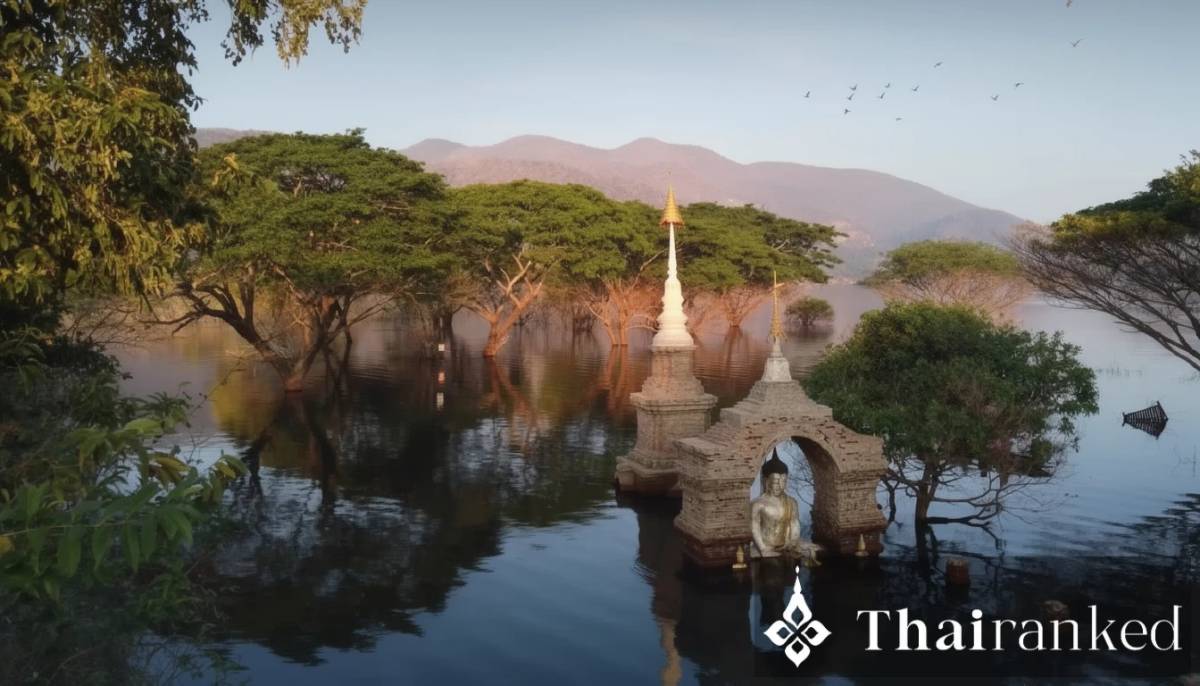
History lingers beneath the waves at Kaeng Ko. The story here is inseparable from the construction of the colossal Bhumibol Dam in 1955, which transformed the surrounding region by submerging entire communities, including ancient temples. Wat Ban Kao, once the spiritual heart of generations in Lamphun, now spends most of the year beneath the tranquil surface of the Kaeng Ko reservoir. But when water levels seasonally drop, typically from late January through February, the temple’s chedi, ornate Lanna archway, and large seated Buddha rise hauntingly above the ripples, like a scene from a lost civilization rediscovered.
Legend and local pride swirl around Wat Ban Kao. Not only was this temple a community gathering point, but it’s also the birthplace of the revered monk Kruba Chaiyawongsa Pattana, whose teachings and the temple’s lingering presence continue to draw spiritual pilgrims from across Northern Thailand.
Why Is Kaeng Ko’s Temple Submerged?
With the formation of the Bhumibol Dam, huge tracts of the northern river valley were flooded to create the reservoir. The villages, temples, and trees that couldn’t be relocated were left to history, submerged but not forgotten. Wat Ban Kao is the most visually striking of these—an annual reminder that spirituality, like nature itself, adapts and endures.
Curious about more must-see holy sites in Thailand? Check out our guide to nine temples for good luck to expand your spiritual journey across the country.
The Giant Rain Tree: Nature’s New Landmark
As you approach by boat, your eye is immediately drawn to another marvel: Kaeng Ko’s giant rain tree. Its sweeping canopy rises defiantly from the water, roots anchored in the submerged earth below. During peak water levels, it appears as though the tree commands the reservoir like something from a Thai fairytale, earning its status as one of Lamphun’s most photogenic wildlife wonders. Travelers flock here in the early morning or late evening for the best light, when the tree’s silhouette is reflected perfectly in the glassy floodwaters, framing both the mystery of nature and the region’s watery past.
How to Visit: Boat Tours, Safety, and Community Involvement
Visiting Kaeng Ko is a memorable adventure featured on many curated northern itineraries. Eco-friendly river tours have become a vital lifeline for the local community. The park administration works closely with the Ko subdistrict municipality and area fishermen to run all-inclusive boat tours—ensuring that every baht spent supports conservation and grassroots livelihoods.
- Boat tour pricing: 150 baht per person OR 1,000 baht for a private boat (max 10 people)
- Hours: First boats at 6:00 am, last return at 6:00 pm
- Where: Mae Ping National Park’s main pier
- Safety: Life jackets mandatory, regulated speed limits
Boats are usually skippered by local fishers and families; this effort now supplements incomes, with some residents reporting daily earnings upwards of 2,000-3,000 baht. It’s a great example of low-impact tourism directly benefitting locals while still protecting the fragile landscape. Plus, the tours are often full of personal stories and insight from people whose families have called these riverbanks home for generations.
For travelers interested in culture-rich destinations, Mae Ping National Park is a lesser-known gem. If you’re in the North, pair your visit with our top Chiang Mai attractions for a bigger Lanna loop adventure.
When to Go: Seasonality & Ever-Changing Scenery
The distinctive appeal of Kaeng Ko is its fleeting nature. In most years, the phenomena of the rising temple and the beautiful partially submerged rain tree are best seen between late January and the end of February. During this brief window, when water levels begin to drop after the rainy season, the temple’s chedi and Lanna archway rise above the water, and the giant rain tree appears to float on the lake’s surface. This unique landscape doesn’t last long; by March, receding water levels can turn the temple from an “island” back into a landlocked ruin, shifting the tourist experience from a boat ride to a more hands-on kayaking or walking tour.
Planning to visit more seasonal spectacles? See our Thai fruits calendar for February for what’s fresh and delicious while you’re here.
Experience Sunrise, Sunset & Overnight Stays
For those wanting a more immersive experience, Mae Ping National Park offers rustic floating raft houses, lakeside homestays, and national park bungalows, not just day visits. Watching sunrise or sunset as light bathes the temple and the rain tree is one of the most tranquil, photogenic moments you’ll find anywhere in Thailand.
Overnight options can fill quickly during this magical season, so booking ahead is strongly recommended. For those inspired to stay longer, floating accommodation lets you drift asleep to the sound of gentle waves and wake to misty mornings with the temple and tree reflected perfectly on the lake’s placid surface.
Looking for more memorable Thai accommodation? Don’t miss our Bangkok hotel guide for city luxury after your nature retreat.
Tips for Responsible Travel to Kaeng Ko
- Pack for the season: mornings and evenings get cool on the water, dress accordingly!
- Photography: Drones are generally not allowed unless you have a permit; stick to responsible images from the boat or shore.
- Leave no trace: National park rules are strictly enforced, do not litter, and respect wildlife.
- Support local: Buy snacks or souvenirs from community vendors near the pier for an authentic local flavour.
- Spiritual etiquette: When near or in the temple areas, behave respectfully; this is still a sacred, spiritually significant site.
Preserving the Past, Embracing the Future
The intersection of nature, spirituality, and community-driven tourism makes Kaeng Ko truly special. It bridges the ancient Lanna civilization, whose monks and villagers once gathered at Wat Ban Kao, with today’s rising tide of eco-travelers and photographers. As the submerged temple rises each year, so does the hope that these marvels will be cherished and respected for generations to come.
Key takeaways
- Kaeng Ko in Mae Ping National Park offers a rare glimpse at Thailand’s sunken heritage and unique natural beauty
- Visit between late January and February for the best chance to see the submerged temple and rain tree in their element
- Eco-friendly boat tours support the local community and require safety precautions
- Overnight stays are possible in floating raft houses, perfect for sunrise and sunset photography
- Plan ahead, timing is crucial, and the scenery shifts as water levels change
- Respect the natural and spiritual significance of the site while visiting
Search Hotels & Flights
Related Insights
Explore the viral “Thank You Thailand” trend, its emotional roots, and how tourists share deep gratitude for Thai culture, food, and welcoming spirit.

Discover why Hua Hin is the ultimate coastal escape for Western families: sea breeze, easy Bangkok access, and activities for every age.
Explore the romantic legend behind Koh Samui’s Hin Ta Hin Yai rocks, rooted in Lanna tradition and Thai folklore. Discover their meaning and traveler tips.

Discover a night cycling route around Rattanakosin Island in Bangkok, featuring stunning views of illuminated Wat Phra Kaew, Wat Saket, and historical landmarks.

Stay safe in Thailand with this complete guide to emergency numbers for foreigners, including police, ambulance, fire department, highway assistance, and more.
 Chat with us