Thai Ghosts vs Western Ghosts: What’s the Difference?
October 29, 2026 03:48 AM
Last edited: October 29, 2026

by Thairanked Guide
Thairanked helps you discover great places in Thailand!
Search Hotels & Flights


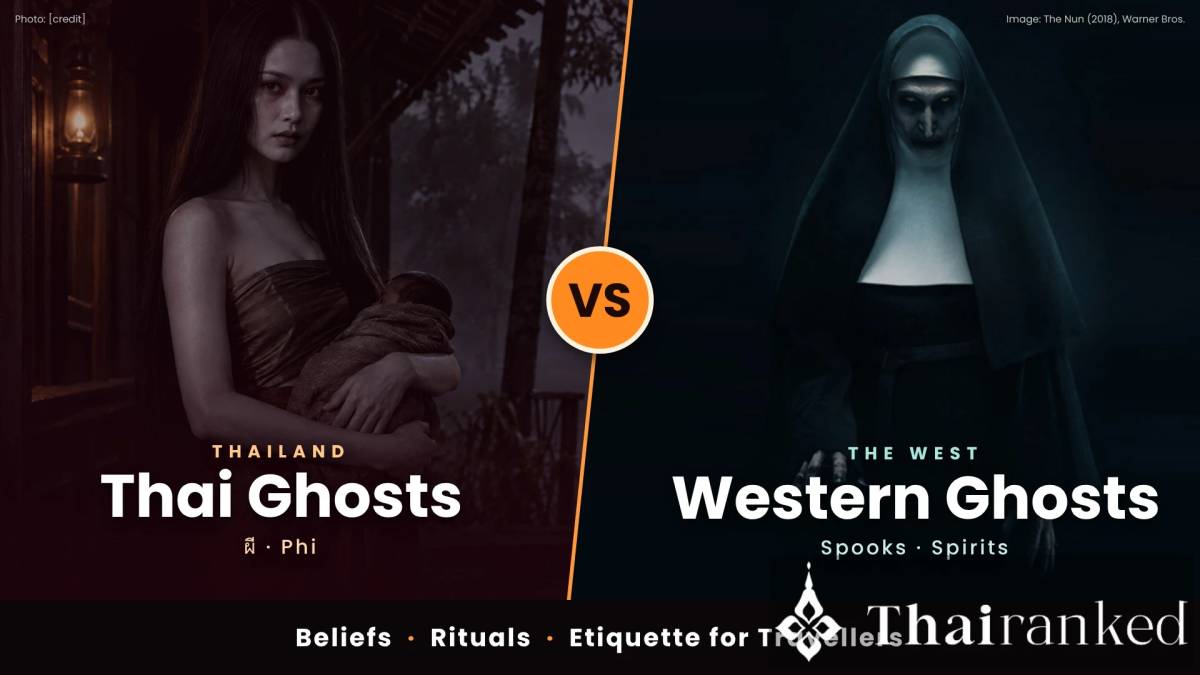
Ghost stories travel with people, but the way cultures imagine spirits says a lot about how communities see death, the unseen world and social order. Thailand has a rich tradition of ghosts, locally called phi, which mix animist beliefs, folk stories and Buddhist ideas. Western ghost lore follows different paths, from Gothic literature to modern horror movies. This guide compares Thai ghosts and Western ghosts, explains why they differ, and gives practical advice for travellers and expats in Thailand.
Big-picture differences
At the highest level, the gap comes down to worldview. Thai spirit beliefs blend ancestor veneration, village-level animism and Theravada Buddhist concepts about rebirth and merit. Ghosts often fit into the community, and people respond with rituals, offerings and rules. Western ghost traditions come from a mix of Christian afterlife ideas, folklore and popular culture, and focus more on mystery, moral retribution or fear.
- Social role, Thai ghosts often have a social place, they can be protective or disruptive. In Western stories, ghosts usually appear as isolated figures, tied to a specific trauma or tragedy.
- Religious framing, Thai ghosts usually exist alongside Buddhist teachings about karma and rebirth. Western ghosts are frequently framed by Christian-influenced ideas of souls and judgement, or by secular explanations like psychology.
- Everyday presence, spirit houses, offerings and local stories keep ghosts visible in Thai daily life. In many Western cities, ghosts are more a feature of tourism, literature and entertainment.
Types of Thai spirits
Thai folklore names many kinds of phi, each with distinct stories and behaviours. Knowing a few of the common types helps explain local reactions.
- Phi pob, often described as possessing spirits, are feared because they can cause illness or behavioural changes. Communities use rituals and spirit doctors to address possession.
- Phi krasue, a female spirit found in regional stories across Southeast Asia, appears as a floating head with organs trailing below. It appears in folklore, and in movies and TV this spirit taps into specific cultural anxieties.
- Phi tai hong, ghosts of people who died violently or unexpectedly, often need rituals so they do not linger in the world of the living.
- Preta and hungry ghosts, influenced by Buddhist cosmology, are restless beings suffering from deprivation because of past greed. They show how karma and redemption shape Thai ghost stories.
- Guardian spirits and household spirits, like the phra phum placed in spirit houses, protect properties and local communities when treated respectfully.
These categories show how Thai spirits can be practical concerns, and why communities maintain ritual norms to manage relationships with the unseen world.
Types of Western ghosts
Western ghost traditions are diverse, but certain motifs recur.
- Residual hauntings, portrayed as recordings of past events repeating, appear in paranormal TV shows. They do not interact or respond to the living.
- Intelligent hauntings, where an apparition seems aware and sometimes communicates, are common in folklore and investigations.
- Poltergeists, noisy, mischievous or destructive phenomena, often get linked to psychological stress or adolescent turmoil in modern interpretations.
- Revenants and vengeful spirits, including ghosts who seek justice, crop up in Gothic tales and modern horror films.
Western stories emphasise mystery, fear and the unknown, while modern media often treats ghosts as supernatural puzzles for investigators to solve.
How beliefs shape responses
Belief systems determine how people deal with spirits. In Thailand, responses run from ritual offerings to specialist healers. In Western countries, responses may include religious rites, sceptical investigation, or commercial ghost-hunting.
- Community rituals, Thai villagers hold merit-making ceremonies, invite monks, or call on spirit doctors to calm or redirect a spirit. Funerary rites and merit can help a ghost move on.
- Domestic fixes, spirit houses and small shrines outside houses and businesses act like contracts, offering respect and food to resident spirits in exchange for protection.
- Medical and legal frames, in many Western settings, phenomena are often seen through psychology or science first, and religious rites are one option among many.
These different responses reflect broader assumptions about the boundaries between sacred and everyday life.
Ghosts in popular culture
Thailand has a booming horror film industry that mixes folklore with Buddhist themes and modern fears. Films, TV shows and street stories keep phi alive in public imagination. In the West, novels, films and reality TV shaped by Victorian ghost stories and Hollywood define contemporary expectations about ghosts. Both traditions influence each other, and Thai spirits appear in international streaming hits, while Western ghost tropes appear in Thai media.
Practical etiquette for travellers in Thailand
If you travel in Thailand, you will encounter spirit houses, amulets and local stories. Respect matters more than literal belief. Here are practical tips to avoid offence and stay safe.
- Do not touch or sit on spirit houses or household shrines, these are offerings for resident spirits.
- If a local says a place is haunted, listen and show respect. Asking about the story can be a friendly conversation starter, but avoid mocking.
- Bring no assumptions about how to ‘fix’ a spirit. Locals might prefer merit-making, a monk’s blessing or a spirit doctor over a Western-style exorcism.
- When visiting temples, follow normal temple etiquette. For more on temple rituals and what they mean, see What Thai Temple Rituals Mean.
- Learn a few basic phrases or accept local hospitality, such as asking permission before taking photos of shrines or monks.
If you want a deeper introduction to everyday taboos and ghost beliefs, our piece Thai Ghost Beliefs: 9 Nighttime Taboos to Avoid explains common rules and why they persist.
When fear meets safety
Spirit stories can feel unnerving, but in Thailand they usually operate within a framework of social control and ritual that reduces danger. If a fellow traveller or a local seems worried, treat the concern seriously and offer practical help. For general safety tips about travel in Thailand, see Is Thailand Safe for Solo Travelers?.
Festivals and public rituals sometimes bring spirits into the open. Lights, lanterns and merit-making play a role in keeping the community together. If you visit northern Thailand during lantern festivals, learn why communities make offerings and celebrate together in ways that link to spirit beliefs, for example reading more about the Yi Peng Festival in Chiang Mai.
How to talk about ghosts respectfully
Ghosts often carry grief, memory and cultural meaning. If you want to compare traditions, ask questions, listen to stories and acknowledge difference. Avoid saying local beliefs are ‘primitive’ or ‘superstitious’. Instead, frame observations around social role, ritual logic and how people cope with loss.
- Ask, do not assume. If a local mentions a spirit, ask what the sign means locally.
- Use neutral language. Saying “I’m curious about that story” opens better conversations than dismissive remarks.
- Offer solidarity. If a household has a ritual, watching respectfully or giving a small donation shows respect.
Summary
Thai and Western ghosts reflect different cultural logics. Thai spirits, or phi, are woven into community life, rituals and Buddhist ideas about merit and rebirth. Western ghosts often focus on unresolved trauma, mystery and individual fear, shaped by Christian and literary histories. For travellers, the important rule is respect, because spirit stories connect to relationships, memory and social order in ways that matter to locals.
Key takeaways
- Thai ghosts, called phi, appear in many shapes and serve social roles, from protection to warning.
- Western ghost stories emphasise mystery, punishment or unresolved trauma, with stronger focus on individual apparitions.
- In Thailand, offerings, spirit houses and rituals are common ways to manage spirits, so show respect and avoid touching shrines.
- Ask questions and listen, do not dismiss local beliefs as mere superstition.
- Read more about Thai ghost taboos and temple rituals to understand local etiquette and why these practices endure.
Search Hotels & Flights
Related Insights
Avoid Songkran travel chaos! Tips for safely using BTS, MRT, and tuk-tuks in Bangkok. Learn water gun rules, wet zone warnings, and escape strategies.
Discover how Thailand celebrates Halloween, from costume parties and spooky events to themed cafés, nightlife, and family-friendly activities.
Learn about Chulalongkorn Day on October 23, honoring King Rama V, his legacy, and how people across Thailand commemorate his life and contributions.
Learn how expats can tackle mold and humidity issues in Thai condos, from prevention and cleaning to local solutions and expert tips for rainy season living.
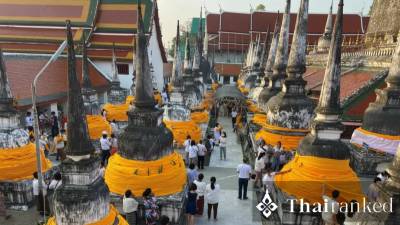
Join the vibrant Hae Pha Khun That Festival in Nakhon Si Thammarat, where thousands parade golden cloth to honor the sacred stupa and sample Southern Thai cuisine.
What people ask about
"Thai Ghosts vs Western Ghosts: What’s the Difference?"
Here you will find answers to the most popular questions about Thailand.