Thailand’s New “50% Sweetness” Rule for Drinks:
January 27, 2026 03:48 AM
Last edited: March 19, 2026

by Vincent Thairanked
Long time expat in Thailand, loving the food and activities option Thailand has to offer.
Search Hotels & Flights
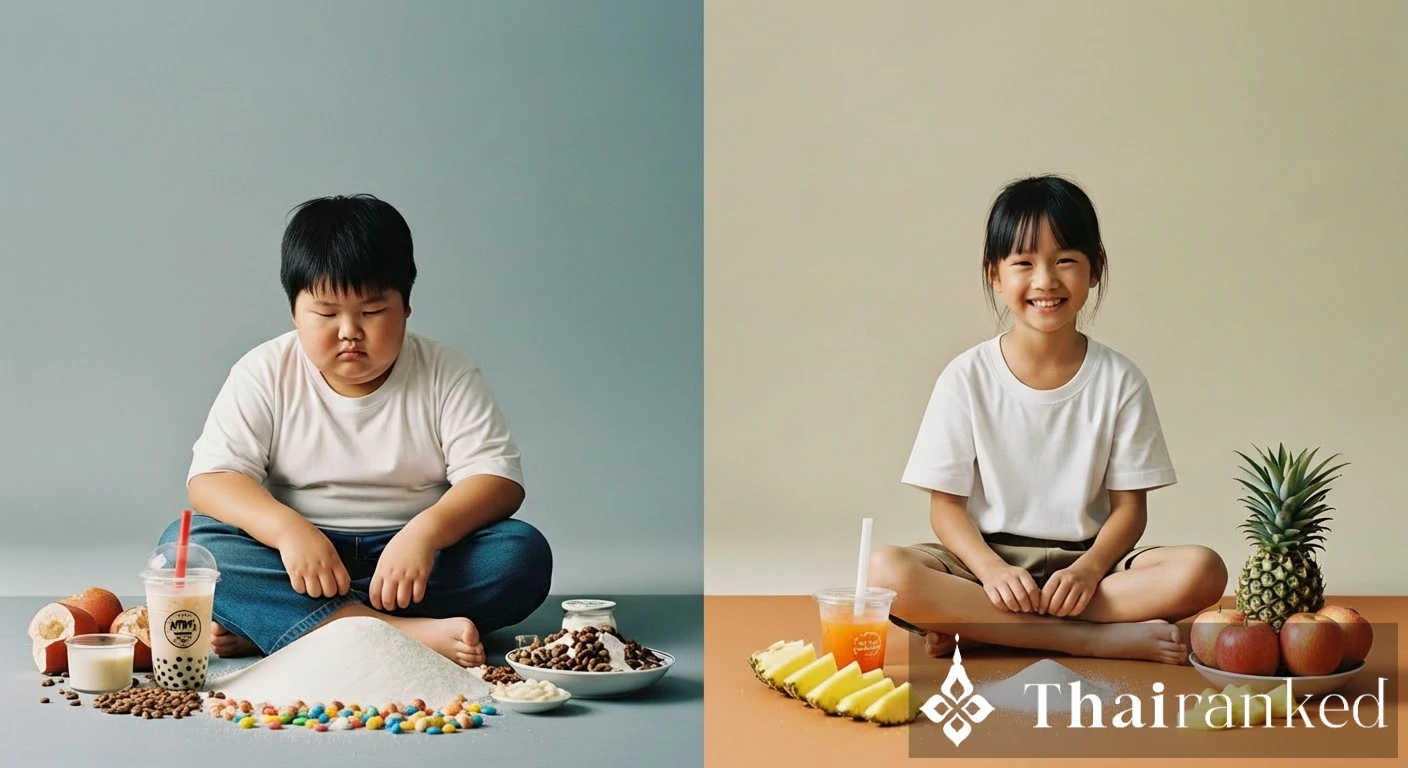
If you’re a fan of milk tea, iced coffee, or any of Thailand’s made-to-order drinks, this big change will shape your daily routine and sweet cravings. The Department of Health (DoH) now sets a new "Normal Sweetness = 50% Sweetness" guideline in cafes and street stalls nationwide. The aim: lower Thailand’s sugar intake, curb health risks, and change what you expect from that early-morning Ovaltine or brown sugar boba tea.
Here’s what changes, why it matters, and how your favorite drinks will taste.
The 50% Sweetness Rule: What It Means
Thailand’s Department of Health tells made-to-order beverage vendors—from major chains to local carts—to make 50% sweetness (half of the standard sugar) the new "normal" for all drinks. This covers milk teas, Thai iced coffee, fruit tea, smoothies, Nom Yen (pink milk), Cha Yen (Thai tea), and more.
Earlier, you got 40-60 grams of sugar per serving by default. Now, unless you ask otherwise, your drink comes at a less-sweet 50% level. Sugar lovers can still request extra, but the default of hidden sugar drops away.
Thailand Reduces Sugar For Public Health
This new guideline fits into a push to reduce non-communicable diseases like diabetes, obesity, and heart disease. Thais buy and consume some of the world’s most sugary drinks. The Department of Health points to teas, coffees, and fruit blends as key to the problem.
Officials want to pull the nation’s palate toward healthy habits by making "less sweet" drinks the social norm. Locals get the main benefit, but expats and long-term visitors also gain. Sugar lurks in innocent drinks everywhere, so everyone feels the impact. For help mastering food culture in Thailand, see the Thai menu decoding guide.
Major Brands Join the New Standard
In January, government officials and private-sector partners—like Cafe Amazon, Inthanin, All Café, and Black Canyon—launched the rollout. Industry groups and regulatory bodies back the guideline, so the 50% standard will spread across Thailand, not just Bangkok. Bubble tea chains now roll out the change as well.
This initiative uses social momentum and industry cooperation. Vendors keep their recipes, but menus default to 50% sweetness unless you ask for another level.
Major Brands Participating:
- Cafe Amazon
- Inthanin Coffee Shop
- All Café (CP ALL)/Kadsuan/Bellinee’s
- Black Canyon
This roster will keep growing as more independents and street sellers—the true backbone of Thailand’s café culture—adopt the rule.
New Standard Launch: February 11
The Department of Health sets February 11 as the official start. After that, when you buy coffee in Chonburi or iced tea in Chiang Mai, expect a default half-sugar drink unless you speak up. Chains already began service changes. Prepare for other local tips with our Chiang Mai vs. Chiang Rai comparison guide.
For Travelers, Expats, and Daily Drink Lovers
If Thai drinks overwhelmed you with sweetness, welcome this change. It also helps if speaking Thai is tough, or you forget to ask for "waan noi" (less sweet) or "mai wan" (not sweet). You’ll find much less sugar in your usual tea, coffee, or fruit shake. Healthy choices become easier and flavors get more balanced.
- Order sweeter drinks: Ask for "waan maak" (very sweet) or "tem" (full sugar).
- Order less sweet: Say "waan noi" (a little sweet) or "mai wan" (not sweet).
At night markets or local cafés, vendors bring up sweetness as they serve, inviting you to try the new standard. Travel writers and digital nomads can now share up-to-date tips for Bangkok’s night markets and street carts.
Tips for Navigating the New Drink Scene
- Taste before you adjust: Try the 50% level before adding sugar. Many Westerners find it sweet enough.
- Choose fresh options: Pick brewed tea or coffee instead of powdered mixes. New-style cafes showcase natural ingredients with the health movement.
- Customize: Tell baristas your favorite sweetness. Vendors expect custom orders and will adapt.
- Hydrate the Thai way: Order herbal drinks or salty lime sodas for less sugar and more refreshment. Explore vegan fine dining options to add wellness ideas.
This drink rule joins other wellness moves. For a broader look at healthy living, review Thailand’s medical tourism situation or check your air with these top air pollution apps.
Impact on Thai Food Culture
Thai food depends on the balance of sweet, spicy, salty, and sour. Drink vendors built their style on sugar cues. New rules won’t erase sweetness, but they shift routines. The campaign works best if:
- Chain and mom-and-pop cafés stick with the 50% standard
- Customers talk about sugar and ask for adjustments
- Shops improve their drink flavors and creativity rather than using more sugar
Try drinks from vendors testing new formulas—flavor changes are coming, and you may find a new favorite. If you like food challenges, try the spiciest southern Thai dishes for more local food adventures.
Broader Wellness Trends in Thailand
Lowering sugar marks a new wave in Thai wellness. Hotels offer yoga retreats, plant-based restaurants expand, and digital nomads add healthy routines. Travelers and expats can chase wellness along with adventure. For your next stop, compare Phuket vs. Krabi or Koh Tao vs. Koh Lanta.
Key Takeaways
- Thailand’s Department of Health sets 50% sweetness as the new default for made-to-order drinks.
- The standard starts February 11, 2026.
- The goal: cut sugar-related health issues by changing what people expect from their drinks.
- Vendors will customize, but 50% is now the norm.
- Major chains and independent sellers join the shift.
- This sugar cut launches a broader Thai wellness movement.
Try the new normal at your local café, market, or chain and see how it pairs with classic Thai flavors. Share your picks!
This article uses information from the Bangkok Post.
by Vincent Thairanked
Long time expat in Thailand, loving the food and activities option Thailand has to offer.
Search Hotels & Flights
Related Insights
The Netherlands Embassy in Thailand will relocate to Dusit Central Park this August, selling its historic 100-year-old Wireless Road estate.
Current fuel prices in Thailand show stable trends for Gasohol and Diesel. Key brands include PTT, Bangchak, and Shell. Find detailed comparisons.
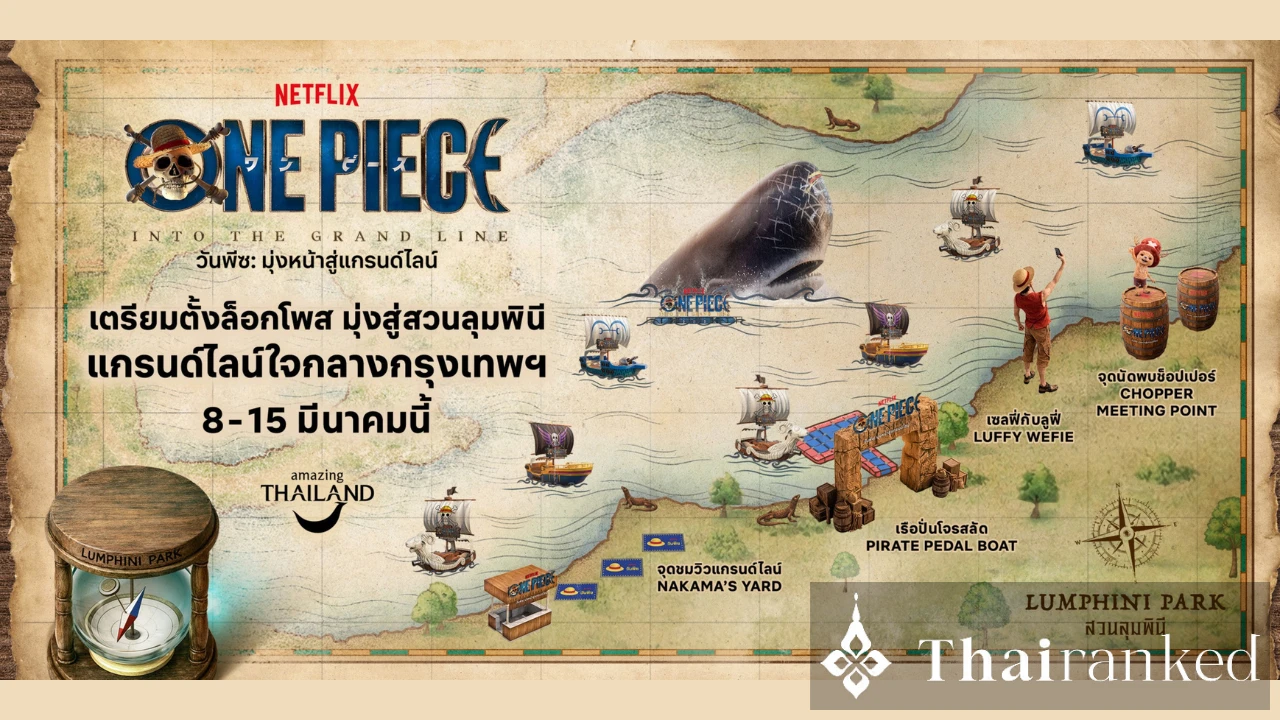
Join the free GRAND LINE IN THAILAND One Piece event at Lumphini Park, March 8–15, 2026. Celebrate Netflix’s new series in the heart of Bangkok, boat rides, photo ops & fun!
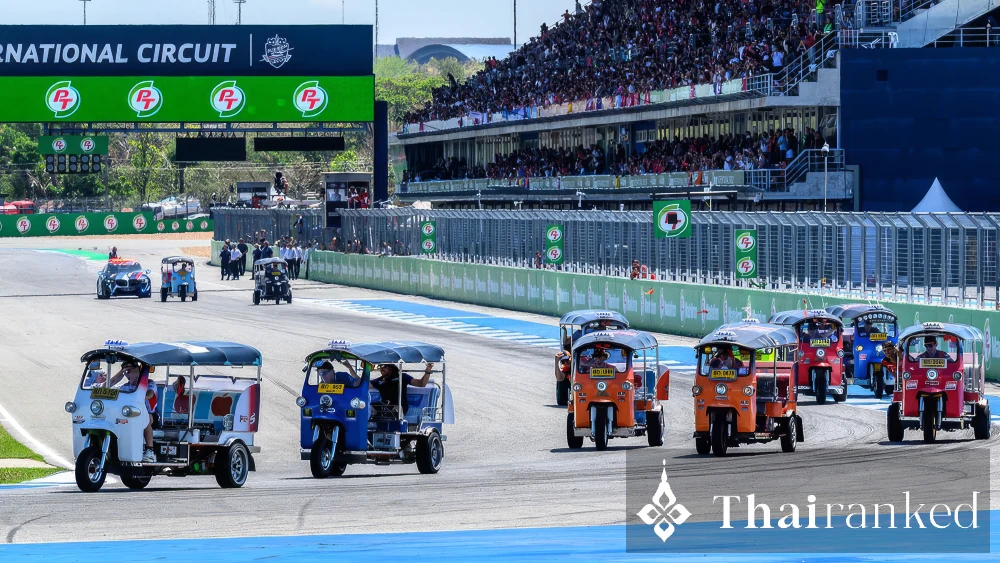
At the 2026 PT Grand Prix Thailand, MotoGP icons trade in two wheels for tuk-tuks in a playful Thai-themed race at Buriram’s Chang Circuit.

On Makha Bucha Day 2026, Thailand will witness a stunning total lunar eclipse, learn how, where, and when to watch this rare brick-red moon event.