Bangkok: The World's Longest City Name
April 01, 2026 03:53 AM
Last edited: April 01, 2026
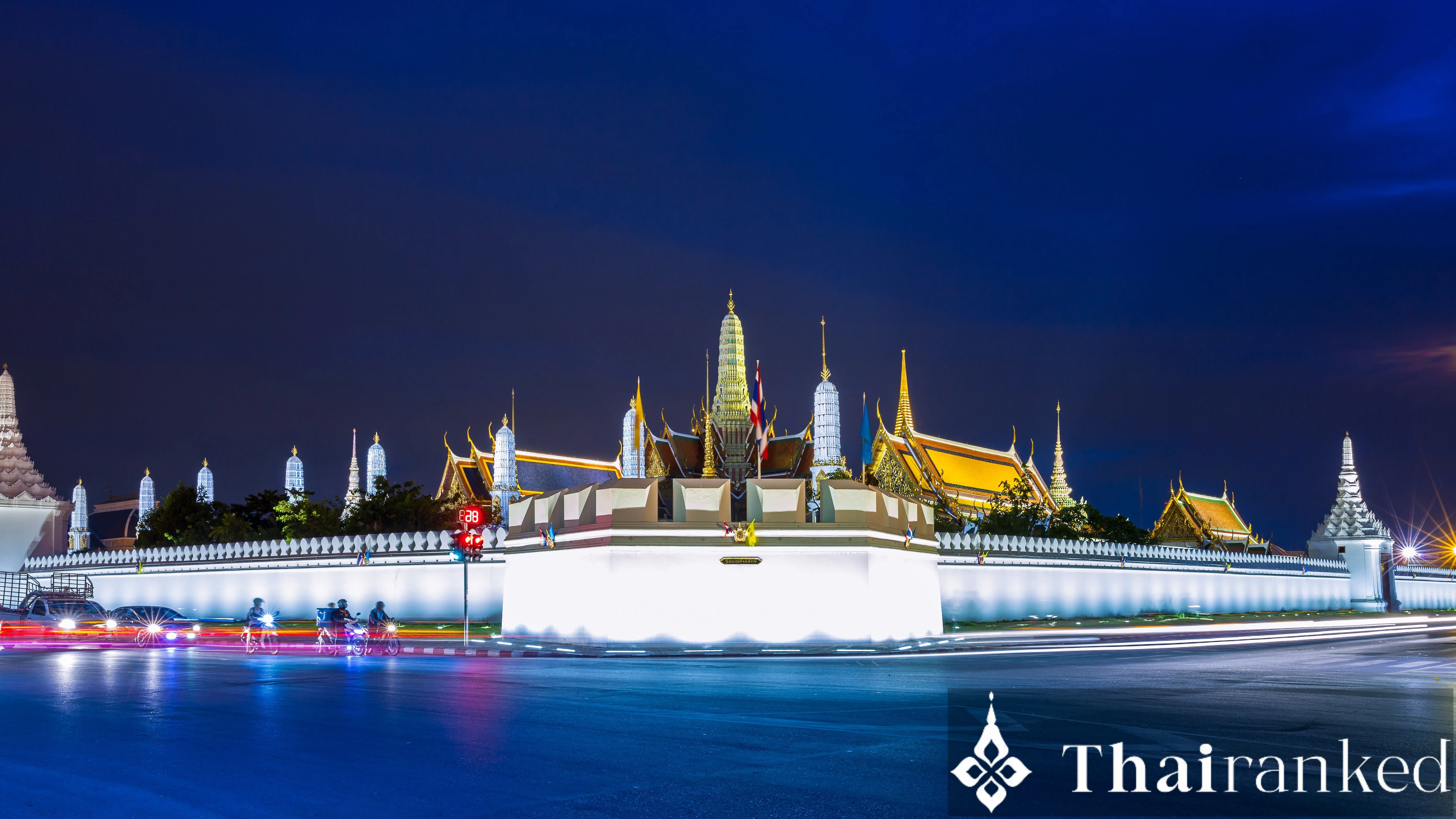

by Thairanked Guide
Thairanked helps you discover great places in Thailand!
Search Hotels & Flights
Related Insights
Bangkok’s Longest City Name: What’s the Story?
Most people call it Bangkok, but locals know the capital as Krung Thep. That’s only the start. The Guinness World Records lists Bangkok’s ceremonial name as the longest city name in the world. Spoken aloud, it sounds like a poetic chant. Printed, it stretches far beyond typical city signs, making it a true urban legend. But what does this name mean, and why does it matter?
The Full Official Name
Here’s the complete name as recognized in Thai:
กรุงเทพมหานคร อมรรัตนโกสินทร์ มหินทรายุธยา มหาดิลก ภพนพรัตน์ ราชธานีบุรีรมย์ อุดมราชนิเวศมหาสถาน อมรพิมานอวตารสถิต สักกะทัตติยะวิษณุกัมภวาส
Transliterated into the Latin alphabet, it reads:
Krung Thep Maha Nakhon Amon Rattanakosin Mahinthara Ayutthaya Mahadilok Phop Noppharat Ratchathani Burirom Udomratchaniwet Mahasathan Amornpiman Awatan Sathit Sakkathattiya Witsanukam Prasit
Locals often shorten it to “Krung Thep” (กรุงเทพฯ), meaning "City of Angels." You’ll see this written on road signs, in addresses, and even on train tickets.
Why Is the Name So Long?
The tradition comes from the old style of naming cities in Siam, influenced by Sanskrit and Pali, the sacred languages of Hinduism and Buddhism. Rulers gave cities elaborate titles to honor myths, protect their people, and express religious devotion. In Bangkok’s case, King Rama I fueled the custom when he moved the capital to its current spot in 1782.
This practice also reflected an earlier era, when cities in Thailand (then Siam) had long, ornate names meant to project power and spiritual force.
Breaking Down the Meaning
The full name tells a story about the city’s spiritual, royal, and legendary heritage. Here’s a breakdown of the meaning in English:
- City of angels
- Great city of immortals
- Magnificent city of the nine gems
- Seat of the king, city of royal palaces
- Home of gods incarnate, erected by Vishnu at Indra’s command
Every part references Buddhist cosmology, Hindu deities, royal status, or symbols of luck and prosperity. This mix tells visitors a lot about the city’s sense of itself: its grandeur, spiritual importance, and ambition as a capital.
History of Bangkok’s Name
Bangkok’s name started humbly. The first major settlement along the river was "Bang Makok," meaning “Place of Olive Plums.” For centuries, Thais and foreigners used this name. When King Rama I moved the capital from Thonburi across the Chao Phraya in the late 18th century, he renamed it officially. The full name incorporated sacred elements, many borrowed from Hindu-Buddhist cosmology.
Today, Thais still switch between the names. In formal speech and literature, Krung Thep and its longer variants show up. Foreigners stick with Bangkok, which is never left for everyday use.
Why "Bangkok" for Foreigners?
Foreign traders and missionaries promoted the short name “Bangkok” from the early days of Siam’s global diplomacy. Western maps needed concise names, and the mouthful didn’t stick. Still, locals smile when newcomers try to pronounce the full title.
Where You Can See or Hear the Full Name
- The first verse of the city anthem
- Textbooks and official ceremonies
- Some quirky city landmark signs
- Bangkok’s airports and tourist info displays
If you want to hear it spoken, listen for schoolchildren on Thai National Day, or check YouTube. Many locals sing it as a fun challenge. Try reciting it yourself, a favorite icebreaker for visitors.
What the Name Means for Visitors
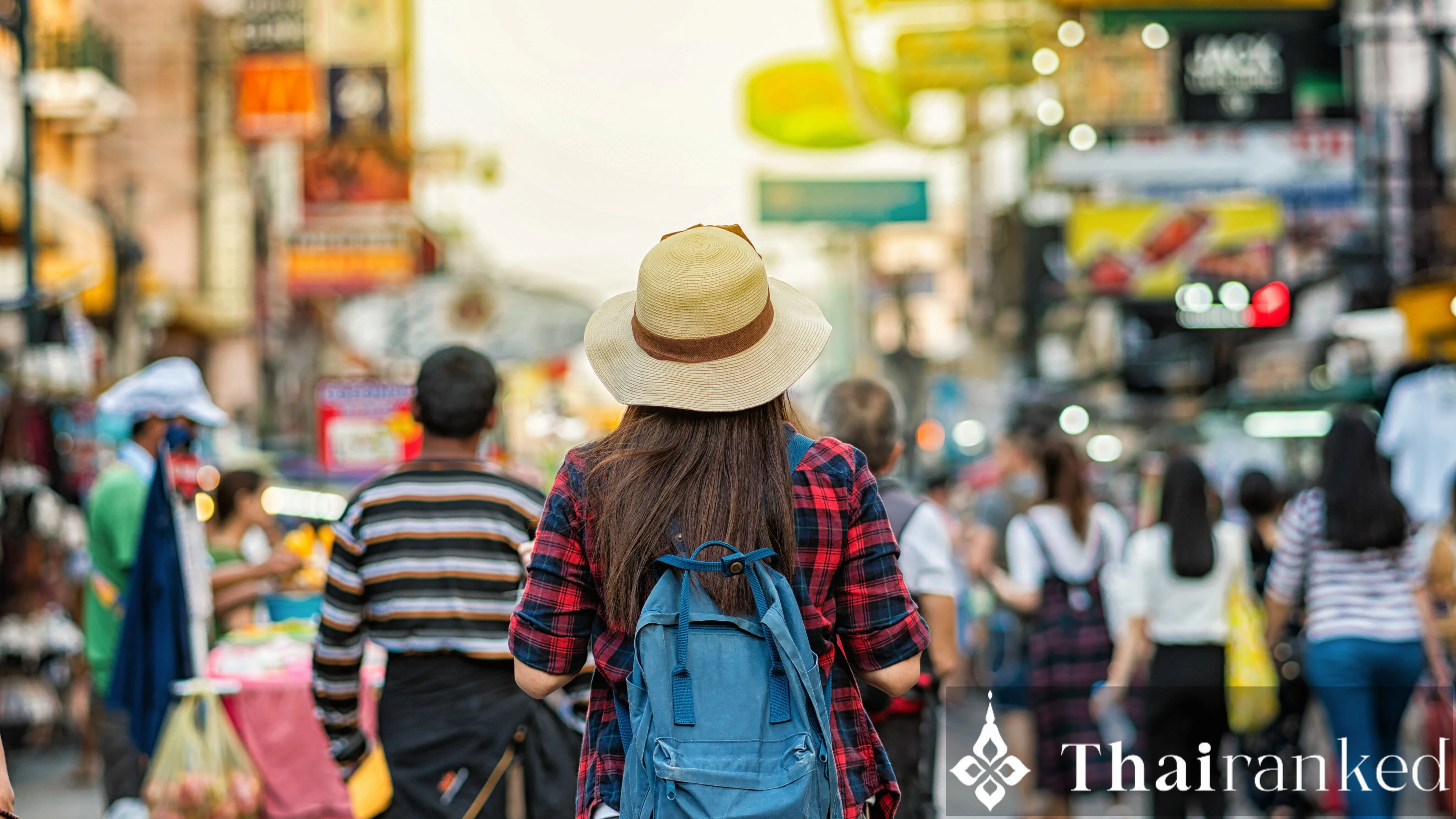
Beneath the vibrant food stalls and tuk-tuk traffic, Bangkok’s long name reveals how the city defines itself. It honors angels, ancient kings, and gods. For travelers, this adds another dimension to exploring the temples, palaces, and neighborhoods.
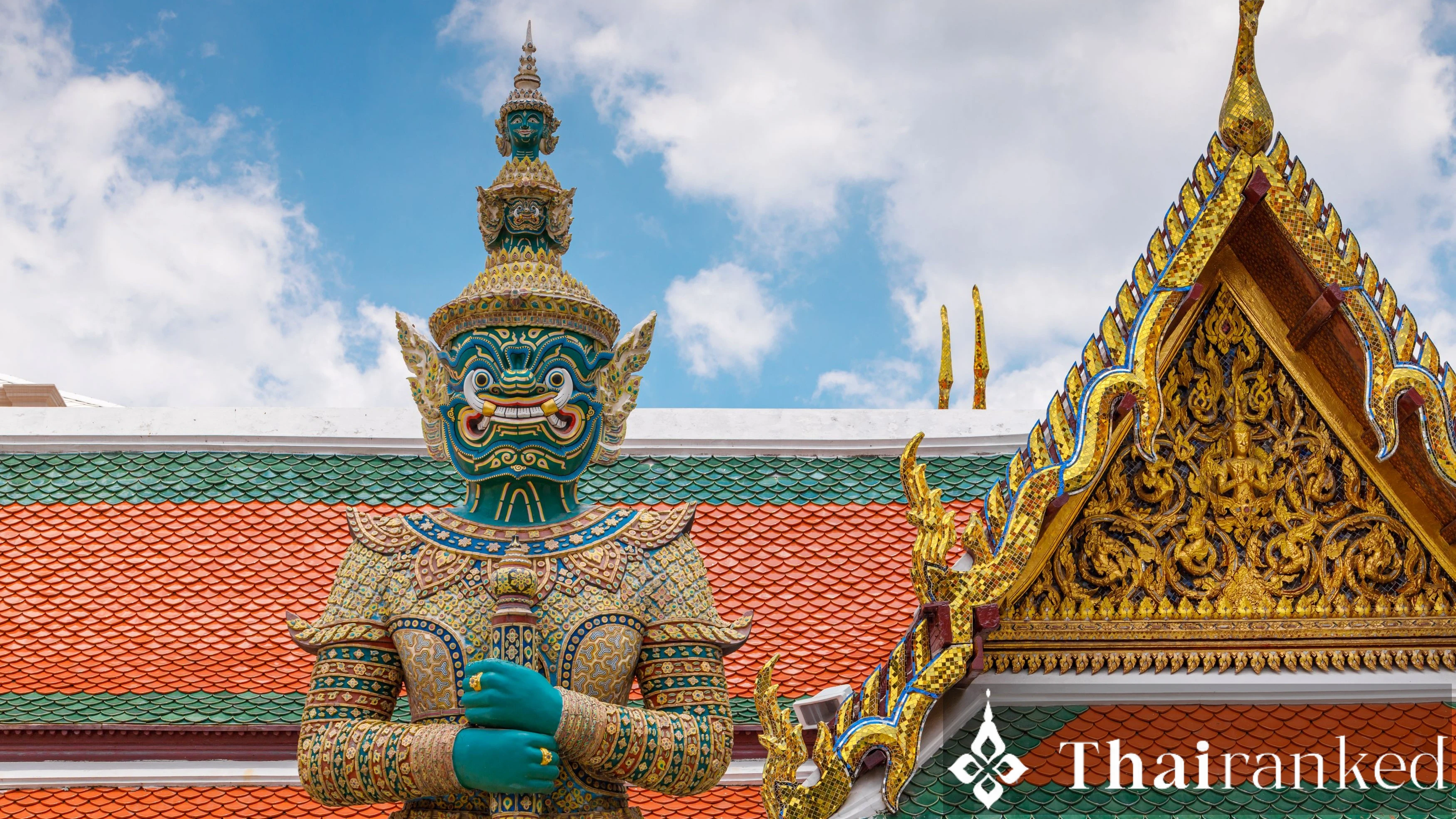
Get up close to some of those sacred stories in person. Visit the best museums in Bangkok. Take a stroll through Rattanakosin Island, where the Grand Palace, temples, and monuments echo the city’s founding myths. Or soak up local culture at a vibrant temple fair.
How Locals Use the Name
Locals rarely use the full title in daily speech, but you’ll see “Krung Thep” everywhere. Many Thais enjoy teaching foreigners to pronounce the full name as a party trick. Thais sometimes compare the city with other capitals by referencing the length and poetry of the name.
Fun Bangkok Facts and Travel Tips
- “Bangkok” is unique as both a city and a province; there is no clear border between the city center and the suburbs.
- Bangkok never sleeps. Evenings can be as lively as days. Check out Bangkok’s best night markets for street food and people watching.
- If you want a break from the heat and activity, public cooling shelters across the city provide a welcome rest.
- Plan your sightseeing around the major riverside monuments. Many, like Wat Pho or the Grand Palace, tie back to stories in the full city name.
If you plan a visit, book your Bangkok hotel in advance to give yourself a home base for city adventures.
Key takeaways
- Bangkok holds the record for the longest city name in the world
- The full name blends religious, royal, and mythical elements
- Locals use "Krung Thep" while tourists know it as "Bangkok."
- The name reveals core aspects of Thai culture and faith
- You’ll find references to the long name throughout city life
by Thairanked Guide
Thairanked helps you discover great places in Thailand!
Search Hotels & Flights
Related Insights
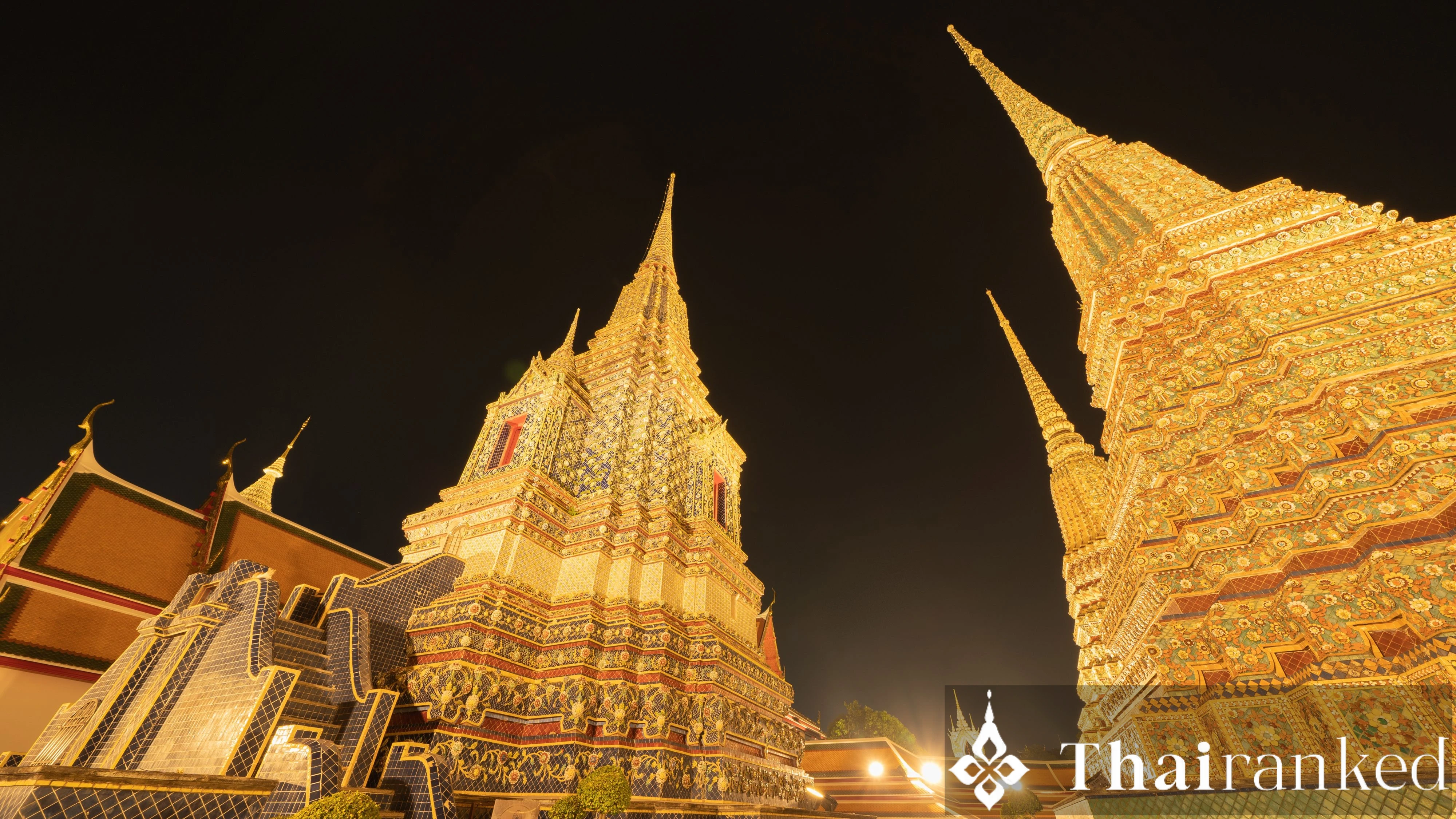
Discover the grand Reclining Buddha at Wat Pho, the vision of King Rama III, and the historic birthplace of Thai education through Wat Pho’s unique inscriptions.
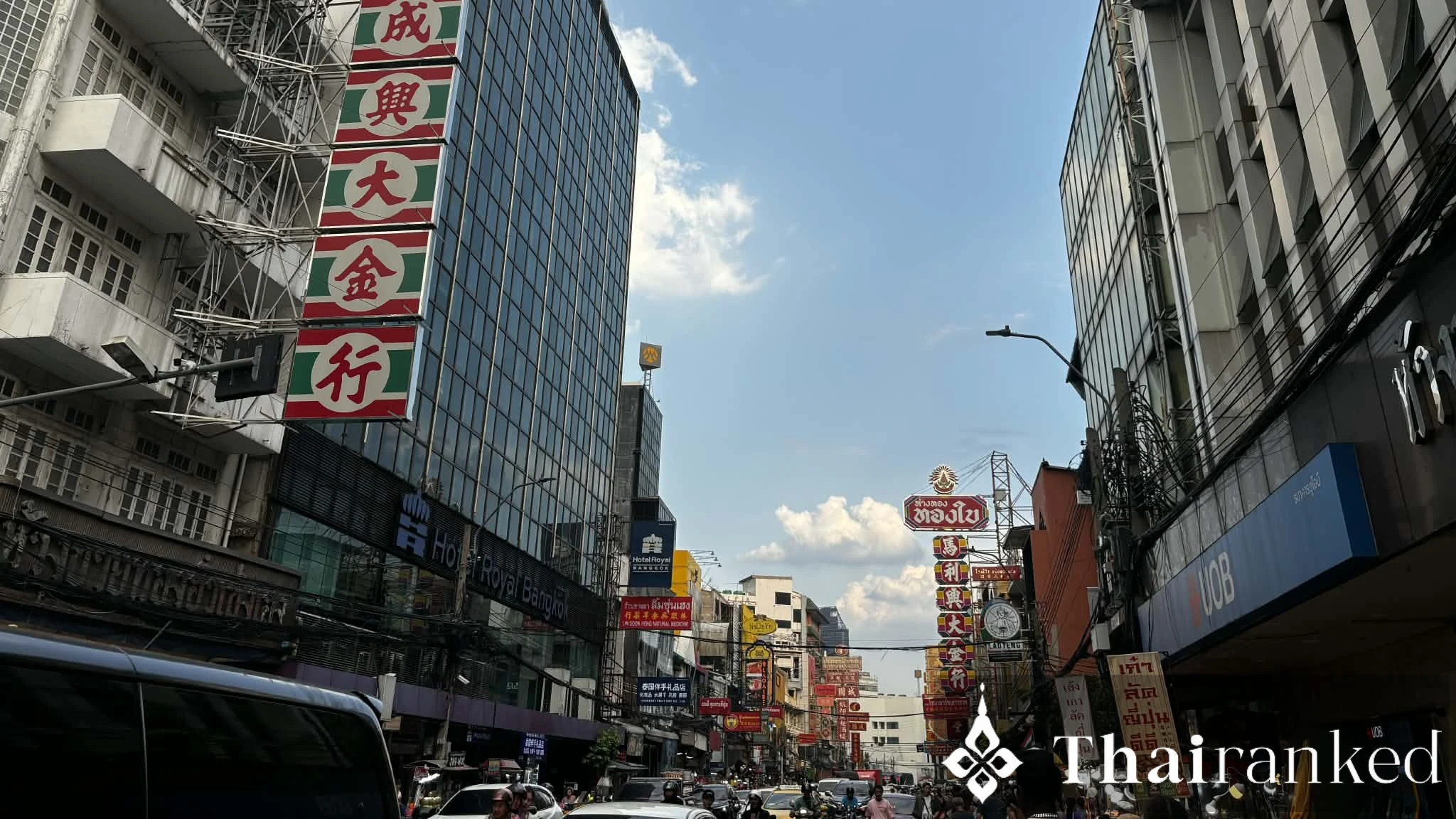
Explore the history of Bangkok’s Chinatown, Sampeng, and Yaowarat, maritime trade, red envelopes, and the vibrant business culture shaped by early Chinese communities.
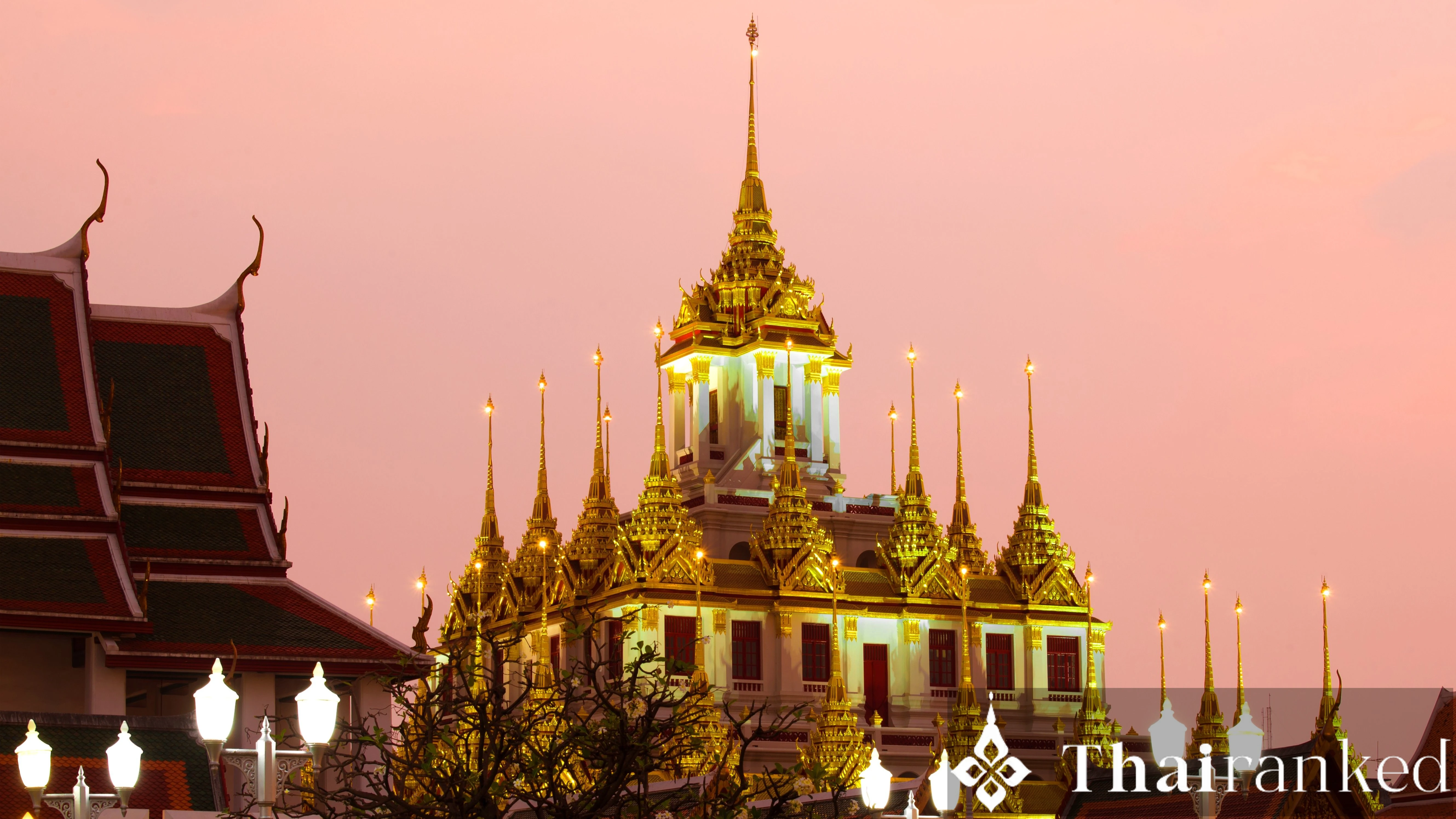
Discover the Loha Prasat at Wat Ratchanadda, Bangkok’s unique Metal Castle. Dive into its history, architecture, and why it’s a must-visit photo spot.
Discover the origins of Khao San Road, from its roots as Bangkok’s biggest rice market to its transformation into a global backpacker and nightlife hotspot.
Discover the story behind the 12 giant Yaksha statues at Suvarnabhumi Airport. Learn about their Ramakien roots, Ravana, and Thai mythology.