How to Use BTS and MRT in Bangkok: Step-by-Step Guide for Beginners
April 02, 2026 10:53 AM
Last edited: April 02, 2026

by Thairanked Guide
Thairanked helps you discover great places in Thailand!
Search Hotels & Flights
Related Insights




Bangkok BTS and MRT: A Step-by-Step Guide for First-Timers
BTS Skytrain and MRT subway make life in Bangkok far easier, especially for new arrivals or visitors. If you feel intimidated by the station crowds or the ticket machines, you’re not alone. The good news: Bangkok’s train systems work smoothly, and anyone can master them in a day. Let’s map out the entire process, from your arrival at the station to stepping out at your destination.
Step 1: Identifying BTS and MRT Lines
BTS lines (marked in green and light green on maps) run above ground, mostly along Sukhumvit and Silom roads. Look for entrances labeled "BTS" and often placed at footbridges. MRT (marked in blue for the main line and purple for the extension) runs underground, with entrances at street level. Station signs clearly display the names in both Thai and English, usually with easy escalator or elevator access.
Step 2: Planning Your Journey
Decide where you want to go. Both systems interconnect at a few key stations, Siam and Asok (BTS), and Sukhumvit (MRT Blue). Bangkok’s popular malls, attractions, and nightlife often cluster near train stops. Study a map, or use Google Maps or the Bangkok BTS/MRT website. Paid apps and free tourist maps at stations can help. For more on convenient places to stay near major lines, see Most Convenient Areas to Live in Bangkok (BTS/MRT).
Step 3: Entering the Station
Reach the station via escalators or stairs. Security staff sometimes conduct quick bag checks at the entrance. No need for concern; this process is normal. Once clear, you’ll spot the ticket machines and service windows.
Step 4: Buying Your Ticket or Card
- BTS: Use ticket machines (touchscreen or older coin-only versions) or visit the ticket counter. For one ride, select your destination or price, pay, and receive a paper ticket or a plastic token.
- MRT: Use touchscreen machines that accept coins and bills, or go to the window. You’ll get a plastic token for single rides.
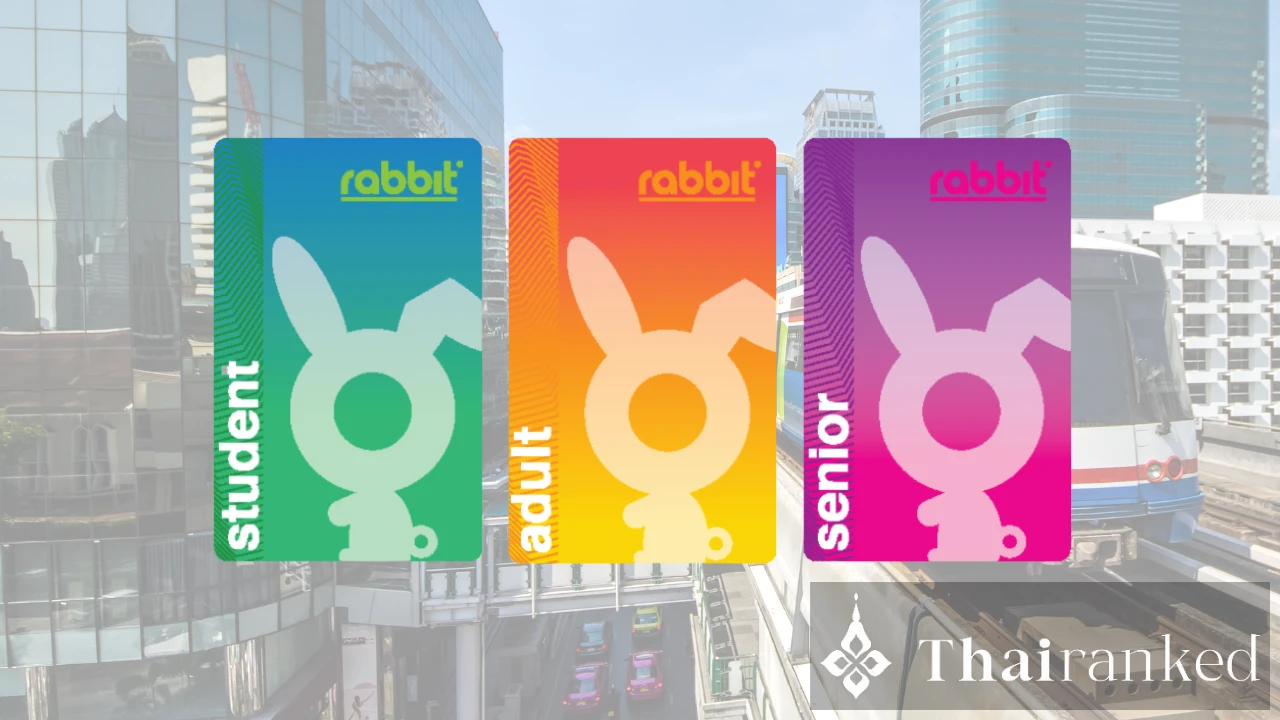
- Frequent riders or long-term visitors can buy stored-value cards: Rabbit Card (BTS) or MRT Card. These save time on each trip and can be topped up.
For tourists, all machines have English. If lines are long or you need to change, the staff at the counter can help. Don’t toss your token or card—you’ll need them to exit.
Step 5: Entering the Paid Area
- BTS: Tap your Rabbit Card (or paper ticket) at the card reader, or insert the token into the slot. Gates open.
- MRT: Tap your MRT Card, or place your plastic token on the reader. Gates open.
You don’t need to scan your ticket or token on exit; keep it safe until you reach your destination.
Step 6: Boarding Your Train
- Check platform signs to make sure you’re heading the right direction.
- Stand behind the yellow safety line. Let people off before boarding.
- Trains run frequently, especially during weekday peak hours. Don’t rush. The next train arrives in a few minutes.
During rush hour, stations like Siam, Asok, or Silom become crowded. Line up and prepare for packed cars, but most travelers move fast and make space at each stop. If you carry a suitcase or backpack, hold it close to your body.
Step 7: Riding and Etiquette
- Inside, screens and announcements (Thai and English) show each stop.
- Offer seats to monks, pregnant women, elders, and small children; these seats are clearly marked.
- Avoid eating, drinking, or speaking loudly inside the train.
Many use the BTS/MRT to reach events and attractions. To explore Bangkok’s top markets, see Bangkok’s Best Night Markets or try food adventures from your chosen station.
Step 8: Exiting the Train and Leaving the Station
- Once your stop arrives, make your way toward the doors in advance, as they close quickly.
- Walk toward the exit signs. Follow arrows for street directions and interchanges.
- At the gates, tap your card again or insert your token to leave. The barrier opens, and you’re on your way.
If you transfer from BTS to MRT (or vice versa), exit the first paid area, follow the signs to the connecting station, then go through the ticketing process again. Stored-value cards work only within their system; BTS and MRT cards are not interchangeable yet.
Extra Tips and Insider Advice
- Trains run from about 6:00 am to midnight. Check the last train times if traveling late.
- Public holidays and weekends see heavier crowds at malls and popular sites.
- Stations have toilets, but you might need coins for entry.
- Keep small bills and coins for ticket machines; change is available but scarce during rush hour.
- Download Thai language apps or phrase lists to help if you’re exploring new routes, especially outside central Bangkok.
Plan to spend a day hopping along the main lines. Explore food courts at malls like MBK or Terminal 21 (both on the BTS/MRT grid), or try a "train to temple" outing on a weekend. Check How to Get to Chiang Mai from Bangkok? for tips on using the rail link or bus terminals after getting off the BTS or MRT.
FAQs: BTS and MRT for Beginners
- Can you use the BTS and MRT with the same card? Not yet. Each system requires its own prepaid card or ticket.
- Do trains have air conditioning? Yes. All BTS and MRT cars are cooled; bring a light jacket if you chill easily.
- What if you lose your token or card? Speak to staff at the exit barriers. They handle lost tickets daily and can help you exit.
- Where do BTS and MRT lines connect? Key link stations: Siam, Asok, Mo Chit (BTS); Sukhumvit, Chatuchak Park (MRT).
Mastering the BTS and MRT lets you skip traffic jams and explore more of Bangkok’s neighborhoods with comfort. For nightlife guides near train stops, see 7 Best Bars in Thonglor.
Key takeaways
- Plan your route with station maps and smartphone apps
- Buy a ticket at machines or counters; prepaid cards help frequent users
- Follow signs for platforms and stand in line
- Keep quiet, give up priority seats, and respect train etiquette
- Use your ticket again at the exit barriers
- BTS and MRT use separate cards and tokens
by Thairanked Guide
Thairanked helps you discover great places in Thailand!
Search Hotels & Flights
Related Insights
Compare taxi, Red Line train, and A1/A2 airport bus from Don Mueang Airport to Sukhumvit. Includes price, time, and convenience to help you choose the best route.
Learn how to buy a Rabbit Card in Bangkok and link it to your mobile banking app for easy top-ups. Skip BTS ticket queues and ride stress-free.
A foreigner's inside guide to the most luxurious VIP cinemas in Bangkok. Are $30 tickets, reclining beds, and unlimited snacks worth the price? Full ranking and review.
Avoid Songkran travel chaos! Tips for safely using BTS, MRT, and tuk-tuks in Bangkok. Learn water gun rules, wet zone warnings, and escape strategies.
Bangkok vs. Chiang Mai: Discover which Thai city is best for digital nomads. Compare city life, cost, community, and lifestyle for remote work in 2026.
What people ask about
"How to Use BTS and MRT in Bangkok: Step-by-Step Guide for Beginners"
Here you will find answer to the most popular questions.