How to Recognize Heatstroke
April 08, 2026 04:45 AM
Last edited: April 08, 2026

by Thairanked Guide
Thairanked helps you discover great places in Thailand!
Search Hotels & Flights
Recognizing Heatstroke in Thailand’s Hot Climate
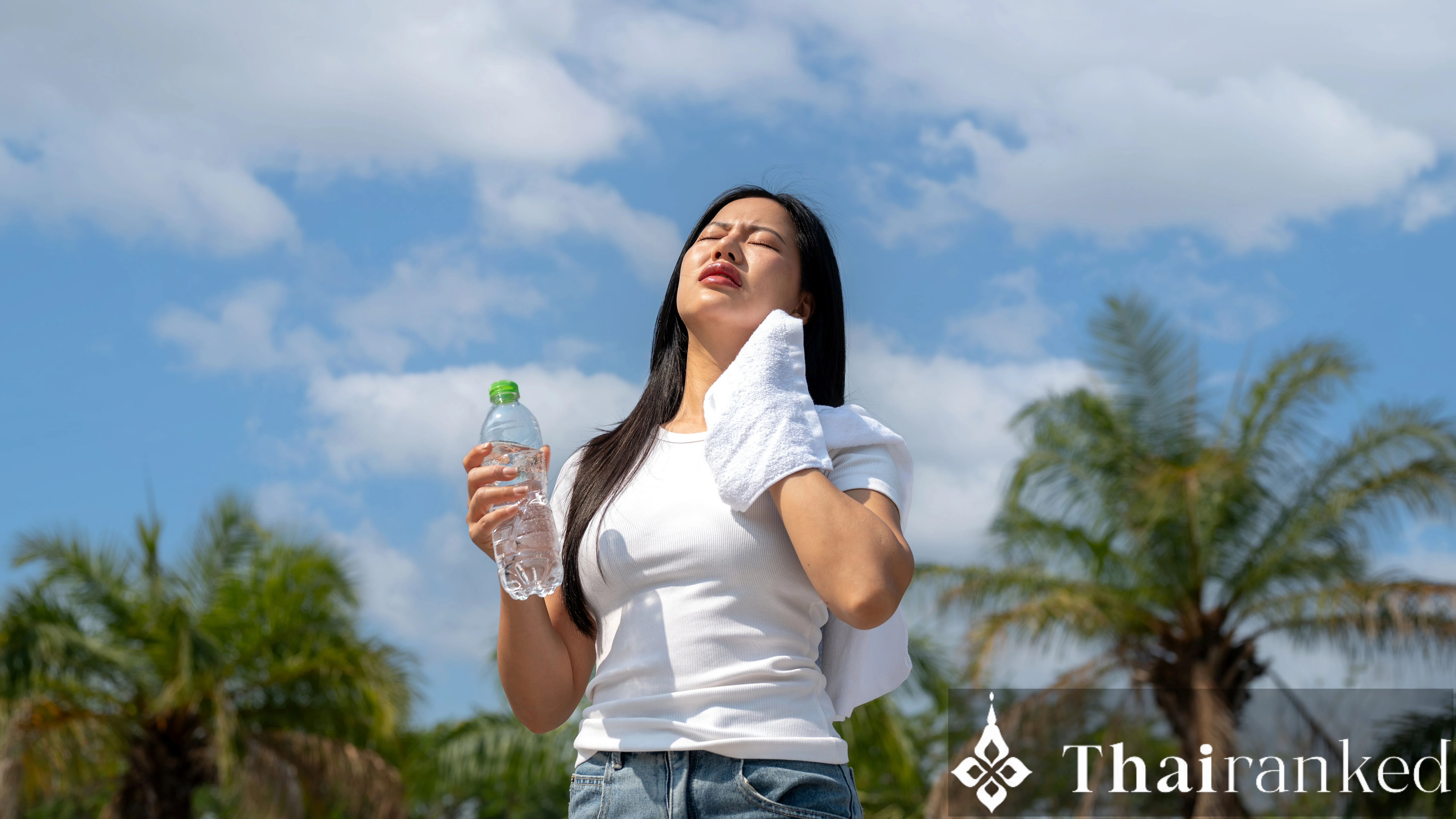
Thailand’s heat can push your body far beyond comfort, especially in the hot season. For travelers, expats, and locals, knowing how to recognize heatstroke can save lives. Humidity and strong sun combine to create real dangers, whether you’re exploring temples in Bangkok, hiking in Chiang Mai, or lounging on the islands. Here’s how to recognize heatstroke, spot symptoms early, and stay safe.
Why Is Heatstroke So Common in Thailand?
Thailand sits in the tropics, which means high temperatures and humidity all year. The hottest months, March to May, regularly see daytime temperatures climb over 35°C. Urban heat in cities like Bangkok, combined with crowded environments and little shade, pushes the body harder. Even during the rainy season, brief sun breaks can bake you in minutes. Recognizing the risk is the first step to prevention.
Main Symptoms of Heatstroke
Heatstroke often develops quickly. Missing early warning signs leads to real danger, heatstroke is a medical emergency. Here’s what you need to watch for, whether in yourself or someone nearby:
- High body temperature: Core temperature over 40°C (104°F). You won’t always have a thermometer, but if someone feels hotter than usual, act fast.
- Altered mental state: Confusion, agitation, slurred speech, irritability, delirium, seizures, or fainting. If someone starts acting out of character or seems “out of it,” heatstroke could be the cause.
- Dry skin or heavy sweating: In classic heatstroke, skin may feel hot and dry. In some cases, people continue to sweat. Don’t wait for full dryness.
- Headache and dizziness: Powerful headache, lightheadedness, or an unable-to-stand feeling.
- Nausea and vomiting: Stomach upset signals the body is overwhelmed.
- Rapid heartbeat and breathing: The heart pumps hard to keep the body cool. Look for fast, shallow breathing and pulse.
- Loss of consciousness: If someone faints, suspect heatstroke immediately.
How Is Heatstroke Different from Heat Exhaustion?
Heatstroke goes beyond heat exhaustion. Here’s the distinction:
- Heat exhaustion: Sweating heavily, weak or dizzy, cold and clammy skin, nausea, muscle cramps, possible fainting. The body can still self-cool with rest and hydration.
- Heatstroke: Body temperature soars, sweating may stop, confusion and seizures appear, person may collapse. Medical help is required—this can be fatal without fast action.
Who Is Most at Risk of Heatstroke in Thailand?
Anyone can experience heatstroke given enough exposure. Some people face a higher risk:
- Seniors and young children: Body temperature regulation is less efficient.
- People with chronic illnesses: Heart, kidney, or respiratory problems make coping harder.
- Tourists not acclimated to the Thai climate: It takes weeks for the body to adjust.
- Athletes, hikers, manual laborers: Physical activity accelerates heat buildup.
- People consuming alcohol or certain medications: Some drugs and alcohol impair sweating and circulation.
Carry extra water, take breaks, and watch for symptoms, not just in yourself, but in your travel companions.
What To Do If You Suspect Heatstroke
Heatstroke is a medical emergency. Take immediate action:
- Move the person to a cooler place, indoors with AC, or shade under a tree.
- Call for medical help (dial 1669 in Thailand for emergency services).
- Cool the body fast: Remove excess clothing. Fan air, apply cold wet cloths, or use ice packs on armpits, neck, groin, and back. Do not immerse in ice water unless trained—this can cause shock in some people.
- If conscious, give small sips of cool water. Don’t force liquids if the person is vomiting or altered.
- Stay with the person until help arrives.
Do not give medications like aspirin or paracetamol for the fever. Heatstroke requires cooling, not fever reducers.
How To Prevent Heatstroke in Thailand’s Extreme Weather
Some simple steps lower your risk:
- Plan outdoor activities earlier or later in the day, avoiding peak sun from 11 am–4 pm.
- Wear lightweight, light-colored, loose clothing.
- Drink water throughout the day; don’t wait to feel thirsty.
- Take shade breaks. Step inside shops, malls, or Bangkok’s cooling shelters.
- Don’t ignore headaches or dizziness; these can be your first warning.
- Use umbrellas, hats, and sunscreen suited for Thailand’s climate.
- Avoid alcohol and stick to non-caffeinated drinks.
- Reschedule strenuous activity if the heat index climbs high (check with weather and air apps).
Tourists, especially those coming from cooler climates, acclimate slowly. Spread activities over several days instead of packing adventure into one afternoon, especially during major festivals like Songkran or outdoor festivals in Chiang Mai.
Special Tips for Thailand Travelers and Expats
Adapting to Thailand’s weather is key. Keep these tips in mind:
- Carry a refillable water bottle and know where to find filtered water.
- Learn common symptoms in Thai: “Pen lom-rong” (เป็นลมร้อน) means “heatstroke.” Locals will help when you describe the problem.
- Travel with essential items: hat, water, rehydration salts, and sunscreen.
- If traveling with elders or children, check on them often, don’t assume they’ll speak up if feeling unwell.
- Choose accommodation with fans or AC, especially in big cities or lowland areas, for safe sleep at night.
Heatstroke Risks Beyond the Obvious
Even beaches can pose a threat. Shade disappears at midday, and sea breezes hide your body’s rising temperature. Festivals and markets, like Bangkok’s famous night markets, get crowded fast with lots of heat radiation. Hydration and self-checks stay necessary long after the hottest hour.
What If You’re Alone?
If you notice confusion, rapid heartbeat, nausea, and you’re alone, get to a cooler shelter and call for help or alert someone nearby. In cities, shops and convenience stores offer AC and safety. If symptoms don’t improve within 15–20 minutes after getting cool and sipping water, seek medical help at the nearest clinic or hospital.
Key takeaways
- Heatstroke is a medical emergency; recognize confusion, high temperature, and fainting as danger signs.
- Move to a cooler spot, call the Thai emergency number 1669, and actively cool the person’s body.
- Hydrate throughout the day and plan activities to avoid peak heat.
- Acclimate slowly and watch out for vulnerable people in your group.
- Use shade, hats, and sunscreen to lower risk, even on beaches or at night markets.
by Thairanked Guide
Thairanked helps you discover great places in Thailand!
Search Hotels & Flights
Related Insights
Explore Northern and Southern Thai cuisine. Discover the unique flavors, essential dishes, and what sets these regions apart in Thailand’s vibrant food culture.

Discover the best fabrics to beat the Bangkok heat this April. Stay cool, comfortable, and stylish with our guide to hot-weather clothing in Thailand.

First time using BTS or MRT in Bangkok? Get clear, step-by-step instructions on how to buy tickets, enter, ride, and exit Bangkok’s popular train systems.

Discover Thailand’s leading private hospitals, how to book appointments, and use international health insurance for high-quality expat medical care.
Practical advice for travelers and expats on managing heat rash (“pung”) in Thailand’s climate. Symptoms, remedies, and how to get help at Thai pharmacies.