The History of Chatuchak Market
June 24, 2026 03:07 AM
Last edited: June 24, 2026


by Thairanked Guide
Thairanked helps you discover great places in Thailand!
Search Hotels & Flights
Related Insights





You step into Chatuchak Market and meet a maze of stalls, narrow lanes, and voices selling everything from vintage records to live plants. Tourists call it a must-see, locals treat it as a weekend ritual, and generations of traders keep arrival times early and trade secrets close. This article traces how Chatuchak grew from scattered stalls into Bangkok’s signature weekend bazaar, explains the market’s layout and culture, and gives practical tips for a smart visit.
This is location: Chatuchak Weekend Market
Origins: How a Market Took Root
Traders gathered near public green spaces and transport hubs long before the market took its modern form. Small vendors set up on weekends to sell plants, secondhand goods, and homewares, attracting shoppers from surrounding neighborhoods. Vendors who arrived with carts and boxes found steady customers, and those pockets of trade gradually connected into larger groups. Local authorities later recognized the commercial draw and provided basic infrastructure, which encouraged expansion.
Growth into a Weekend Bazaar
Weekend foot traffic shaped the market. People who worked on weekdays came to shop, barter, and eat on Saturdays and Sundays, so traders scheduled their stalls around the weekend rhythm. The market expanded into a near-city-sized complex of dedicated sections, each specialising in product types. Word spread among Bangkok residents, then across Thailand, and eventually international visitors started planning trips around the market experience.
Layout and Sections: How the Market Organizes Goods
Vendors arranged stalls into zones that help shoppers navigate. One lane offers antiques and vintage items, another concentrates on clothing and fabrics, and a separate area hosts pets and plants. You can find local crafts, household goods, art, food, and snack vendors in adjoining blocks. Streets within the market carry names or numbers, and many regular visitors learn a route, because repeating the same loop makes it easier to find favourite sellers and compare prices.
Culture of the Market
Traders treat sales as conversation, not only transaction. You learn to haggle, but you also learn to read the offers. Vendors greet you, invite you to inspect items, and sometimes tell stories about origins or makers. Food sellers prepare small plates that attract shoppers between purchases. Musicians and street performers appear on occasion, which creates a lively mood. Weekend mornings bring families with strollers, collectors hunting rare finds, and students buying affordable homewares.
People Who Built the Market
Generations of families earned income at the market. Parents taught children stall management, bargaining techniques, and display tricks. Traders moved from temporary tarps to semi-permanent stalls, and some reinvested profits to expand inventory. New vendors joined the market with niche products, while established sellers refined customer service. That cycle of apprenticeship and renewal gave the market a mixed character of old vendors and new entrepreneurs.
Transport, Infrastructure, and Modern Changes
Transport improvements increased access. Rail and bus routes bring visitors, and urban rail links provide quick trips from the city center. You can use a stored-value transit card for trips on various services, and you can read our guide to how to buy a Rabbit Card to streamline transfers. The market adjusted to the rise in tourism, with signs in multiple languages and more food options that appeal to international palates. Vendors responded to online reviews and social media, and many sellers now accept electronic payment methods in addition to cash.
Market Rules and Management
Local authorities and market committees coordinate stall permits, waste removal, and traffic control. They set rules for operating hours and manage peak-day crowding. Organisers also run cleaning campaigns and occasional special events that focus on design, vintage goods, or local crafts. Management balances vendor livelihoods with public safety and neighbourhood traffic needs.
Economics and Supply Chains
Wholesale suppliers, small manufacturers, and independent artisans use the market as a primary channel to reach customers. Vendors source goods at wholesale markets or manufacture items themselves. Buyers often negotiate bulk deals, and small retailers come to Chatuchak to stock up and resell in other parts of Thailand. That wholesale-retail loop sustains many stalls and keeps turnover brisk.
Goods That Define Chatuchak
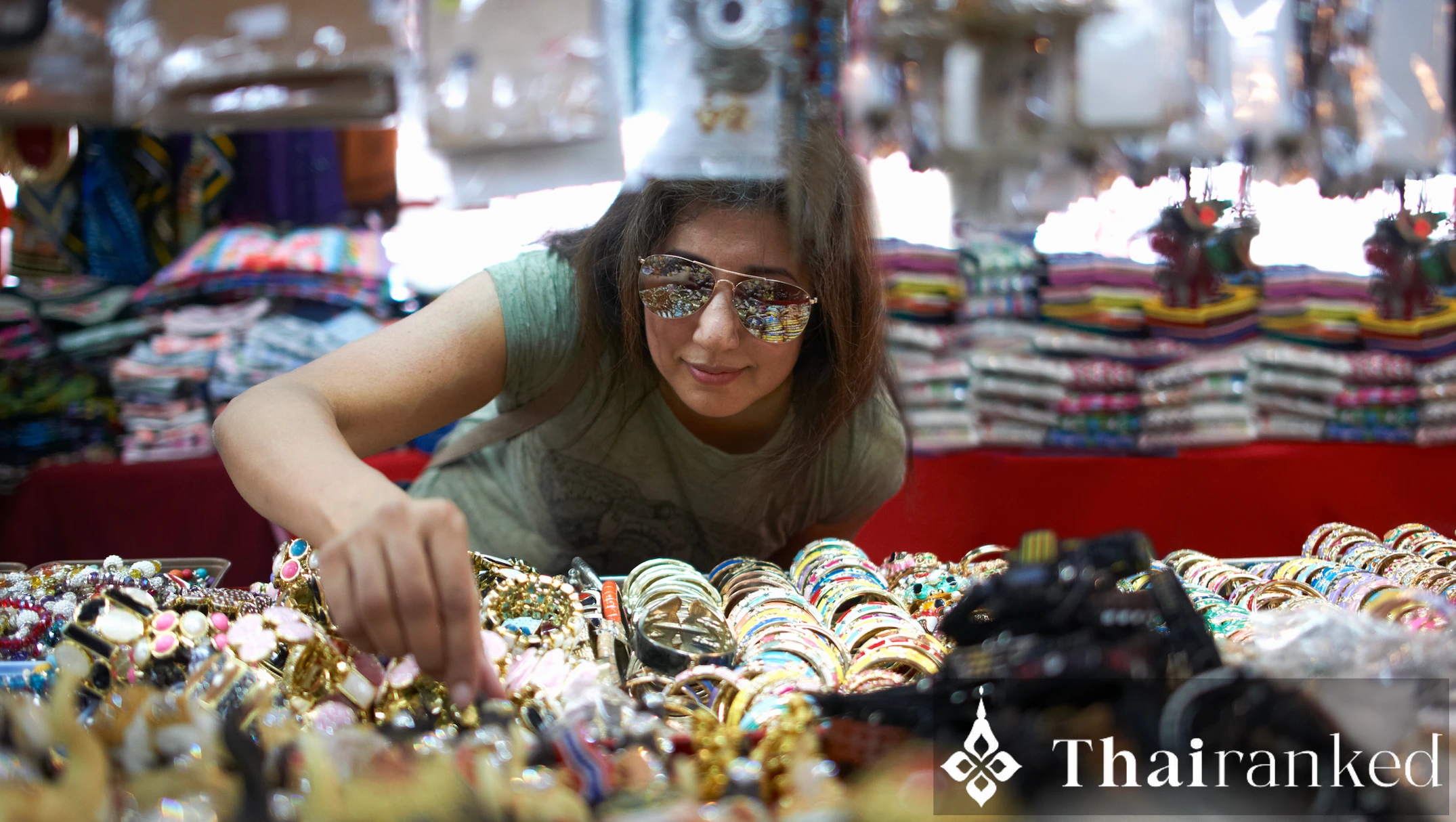
Shoppers seek vintage furniture, rare vinyl, independent fashion labels, secondhand books, local crafts, and affordable home décor. A large section sells plants and gardening supplies, which attracts hobbyists across Bangkok. Food stalls act as a backbone, supplying Thai favourites and street snacks that fuel long browsing sessions. The variety makes Chatuchak a one-stop market for souvenirs and everyday needs.
Social and Cultural Role
The market functions as a meeting space. You find friends at coffee stalls, bargain with neighbours, and discover cultural exchange between tourists and locals. Workshops and pop-up events promote artisans, and designers use weekend stalls as live storefronts to test new product ideas. That cultural exchange keeps the market relevant beyond commerce, and it turns shopping into a social activity.
Preservation, Change, and Future Pressures
Urban development creates pressures. Rising land values and property projects shift vendor locations and raise the cost of maintaining a permanent stall. Market managers adjust layouts and permit rules to respond to new challenges. Conservation-minded vendors promote handcrafts and traditional skills, which helps preserve aspects of the market’s identity as the city evolves. You can expect tweaks to opening hours, stall rotation systems, and infrastructure upgrades as the city balances growth with heritage.
Tips for Visitors
Plan early starts, because mornings offer cooler air and fresher stock. Carry a small backpack and water, because lanes grow crowded and you walk a lot. Use public transport when possible, because parking near the market fills fast. If you want fast transport guidance, check our ranking of most convenient areas to live in Bangkok for ideas about neighbourhoods with easy market access. Compare prices before you buy, and offer a fair counterprice when bargaining. Taste street food at crowded stalls for freshness, and carry cash for smaller purchases unless a seller displays an electronic payment option.
How the Market Fits Bangkok’s Scene
Chatuchak remains one of the city’s largest weekend markets, and it complements other market experiences like evening night markets. If you want more night-time market options, read our guide to Bangkok’s best night markets. Museums and galleries provide a quieter follow-up to market crowds, and you can plan a day that pairs shopping with culture by checking the best museums in Bangkok.
Final Notes
Chatuchak Market evolved from informal weekend gatherings into a complex market that supports thousands of livelihoods. You find history in the mix of old vendors and new entrepreneurs, and you feel that history in the market rhythm, vendor calls, and layered product zones. Visit with curiosity, respect vendor rules, and expect an experience that combines commerce, culture, and community.
Key takeaways
- Traders formed weekend markets that expanded into today’s Chatuchak complex.
- Vendors organise stalls into specialised zones, which makes shopping efficient.
- Transport access shaped visitor patterns, and a Rabbit Card helps with transfers.
- Market culture blends commerce with social life, through food, music, and crafts.
- Urban change pressures the market, and vendors adapt by promoting traditional crafts and new payment methods.
Search Hotels & Flights
Related Insights

Planning to get a tattoo in Thailand? Learn how to choose the right tattoo studio with expert tips on artists, hygiene, pricing, and aftercare.

Explore why wellness tourism in Thailand is booming, the hotspots for healing retreats, and must-try spa, detox, and wellness experiences across the country.

Won the Thai lottery as a tourist? Learn exactly how to claim your winnings, where to collect, fees, taxes, and your rights as a non-Thai.

Thailand winter guide for Dec–Feb: plain-English monsoon and sea conditions, PM2.5 hotspots, and the best month-by-month picks for the North, Andaman and Gulf.
Are you a "Slow Life" introvert or a "Party Animal" extrovert? From the neon lights of Bangkok to the misty mountains of Nan, find out which Thai province matches your soul.
What people ask about
"The History of Chatuchak Market"
Here you will find answers to the most popular questions about Thailand.
 Chat with us