When Is the First Storm of 2026? Thailand’s Dramatic Summer Storm Alert
February 20, 2026 07:44 AM
Last edited: February 20, 2026

by Thairanked Guide
Thairanked helps you discover great places in Thailand!
Search Hotels & Flights
When Will Thailand’s First Storm of 2026 Hit?
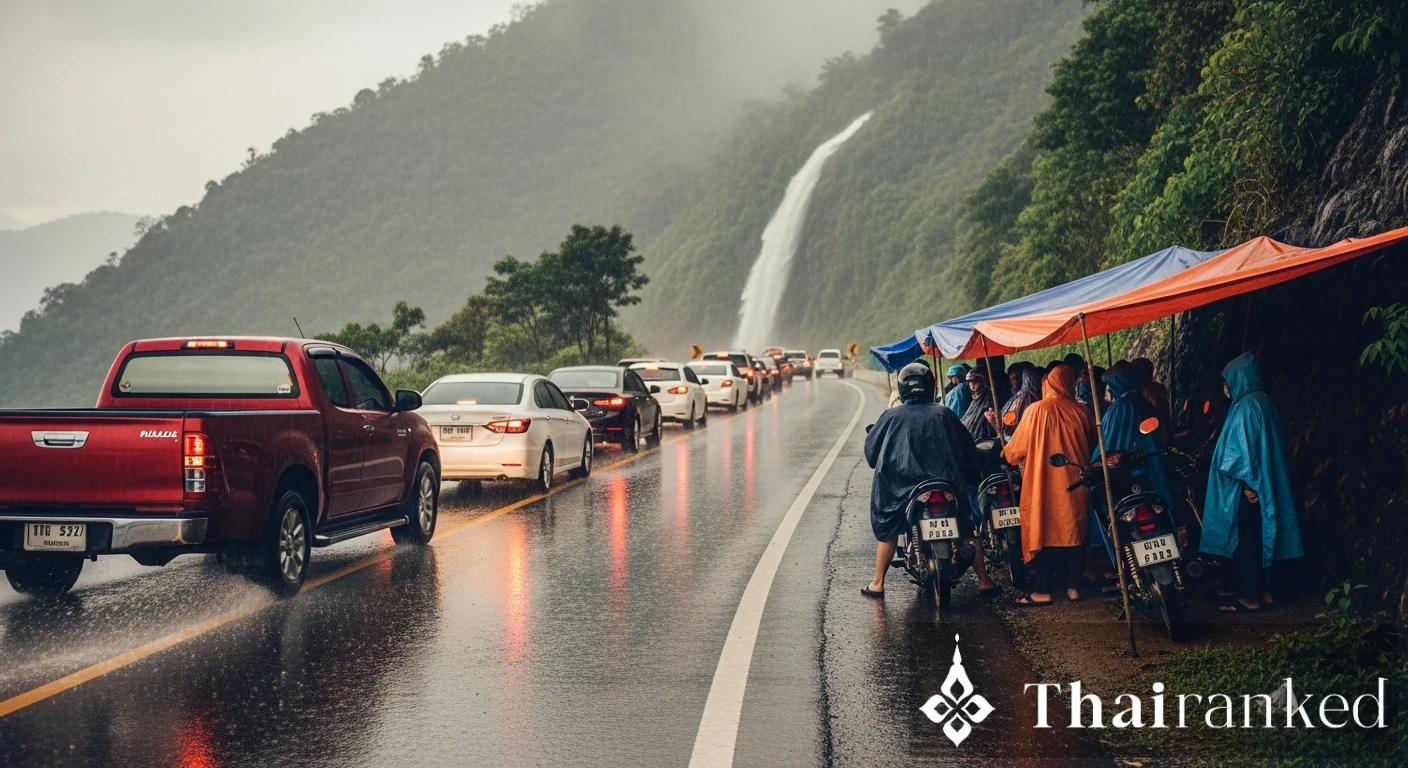
Thailand is on high alert: the Thai Meteorological Department (TMD) has officially issued an advance warning for the nation's first summer storm of 2026. This weather system is expected to lash much of northern and central Thailand from February 23 to February 25, 2026, bringing dramatic conditions: heavy rain, ferocious gusts, dangerous lightning, and even possible hail.
What is Driving the Sudden Summer Storm?
After weeks of sweltering, dry weather across the kingdom, Thailand’s skies are about to turn wild. The main culprit? A cold, fast-moving westerly wave is barrelling across the North and Northeast, colliding head-on with the hot air mass that has settled over much of Thailand. This volatile meeting of hot and cold is a textbook recipe for lightning storms, gusty winds, and bursts of intense rain, all compressed into a few chaotic days.
Which Regions Will Be Impacted?
The TMD warning flags four primary regions at risk for the most severe weather:
- North
- Northeast
- Central (including Bangkok and surrounding provinces)
- East
Urban centers like Chiang Mai, Khon Kaen, Bangkok, and Pattaya are all likely to experience the rapidly changing conditions. Keep an eye on local weather reports and announcements for your specific province, as the intensity and timing of storms may shift hour by hour.
What Dangers Come With the Summer Storm?
Summer storms in Thailand are notoriously intense. According to the TMD’s urgent warning, this storm system could unleash:
- Heavy rain: Sudden downpours can lead to flash flooding, especially in city drains and low-lying rural areas.
- Strong, gusty winds: These winds have the power to topple trees, billboards, power lines, and light structures.
- Frequent lightning: Lightning strikes can trigger power outages and fires. Outdoor activities are especially risky.
- Hail: While less common, hail can destroy crops, windows, and damage vehicles parked outdoors.
For a historical comparison of how extreme Thai weather can get, see our round-up of spiciest events in Southern Thailand—not just in food, but in nature too!
What Should You Do to Prepare?
With dramatic weather approaching, taking early precautions can make all the difference. Here’s what the TMD urges every resident and visitor to do:
- Avoid open areas during thunderstorms—lightning can strike suddenly.
- Do not shelter under large trees, billboards, or weak structures prone to wind damage.
- If driving, be prepared for slippery roads and low visibility during intense rain.
- Charge your mobile devices in case power cuts disrupt electricity in your area.
- Check and secure windows, loose objects, and awnings around your home or business.
- Farmers should take precautions to protect crops and livestock—move animals to sturdy shelters and reinforce greenhouses if possible.
Travel Plans During the Storm?
If you have to travel during February 23-25, monitor the latest advisories. Transport delays are possible, and some mountain or rural roads could flood. For more travel guidance, check our guide to traveling between Chiang Mai and Bangkok, which also covers tips on weather disruption.
How Does the TMD Predict These Storms?
The Thai Meteorological Department closely monitors global weather patterns, especially fast-moving fronts and high temperature swings. Advances in radar and atmospheric modeling now allow for earlier warnings, so you can act before the storm hits. For the absolute latest, follow the official TMD website or their LINE/social media alerts.
What Does This Mean for Daily Life in Thailand?
Storms of this type are not uncommon, but the speed and power of the first summer storm each year often takes residents by surprise. Aside from potential infrastructure damage, expect all outdoor activities to take a pause. If you’re looking for safe indoor experiences, why not check out some of Bangkok's best museums for a cultural refuge while the storm passes?
The timing—late February—also means travelers are caught between Thailand’s cool season and the fierce heat that follows. This year's early storm will be a test run for the months ahead. For those with plans to visit beaches or national parks, keep your plans flexible. See the best beaches for February and our guide to national parks during this season for alternatives if rain keeps you away from your original destination.
Stay Alert and Stay Safe
The message from the TMD is clear: don’t be complacent. Storms with this much power can cause sudden hazards. Now’s the time to double-check your storm gear, keep emergency numbers handy, and move vulnerable belongings indoors.
If you need more safety tips while traveling in unpredictable weather, check our recommended air quality and weather apps—these often provide real-time storm tracking and hazard warnings directly to your phone.
Key takeaways
- The first summer storm of 2026 will hit Thailand from February 23-25.
- Heavy rain, gusty winds, lightning, and possible hail expected, especially in the North, Northeast, Central (including Bangkok), and East.
- Avoid outdoor exposure and unstable structures; protect property, crops, and livestock in advance.
- Stay updated on weather alerts and adjust travel plans accordingly.
by Thairanked Guide
Thairanked helps you discover great places in Thailand!
Search Hotels & Flights
Related Insights
Find out Thailand Immigration Bureau office hours and closures during Songkran 2026. Learn when to plan visa extensions, renewals, and 90-day reporting.
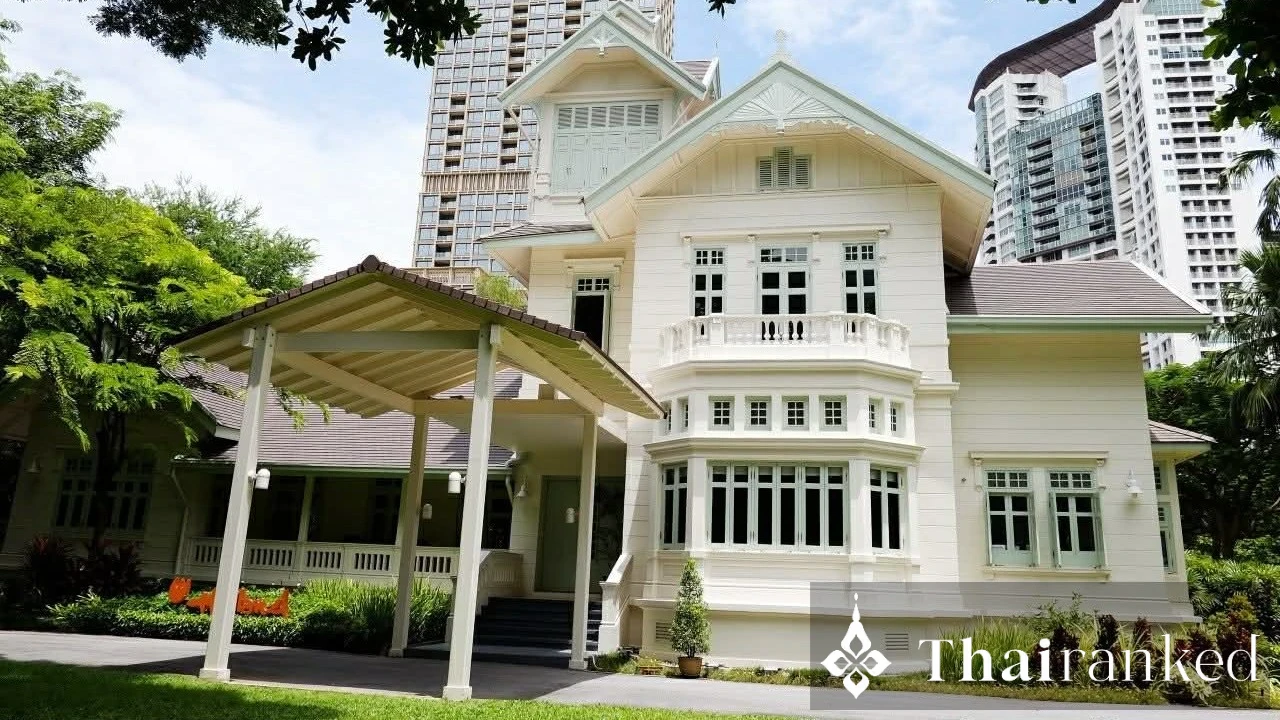
The Netherlands Embassy in Thailand will relocate to Dusit Central Park this August, selling its historic 100-year-old Wireless Road estate.
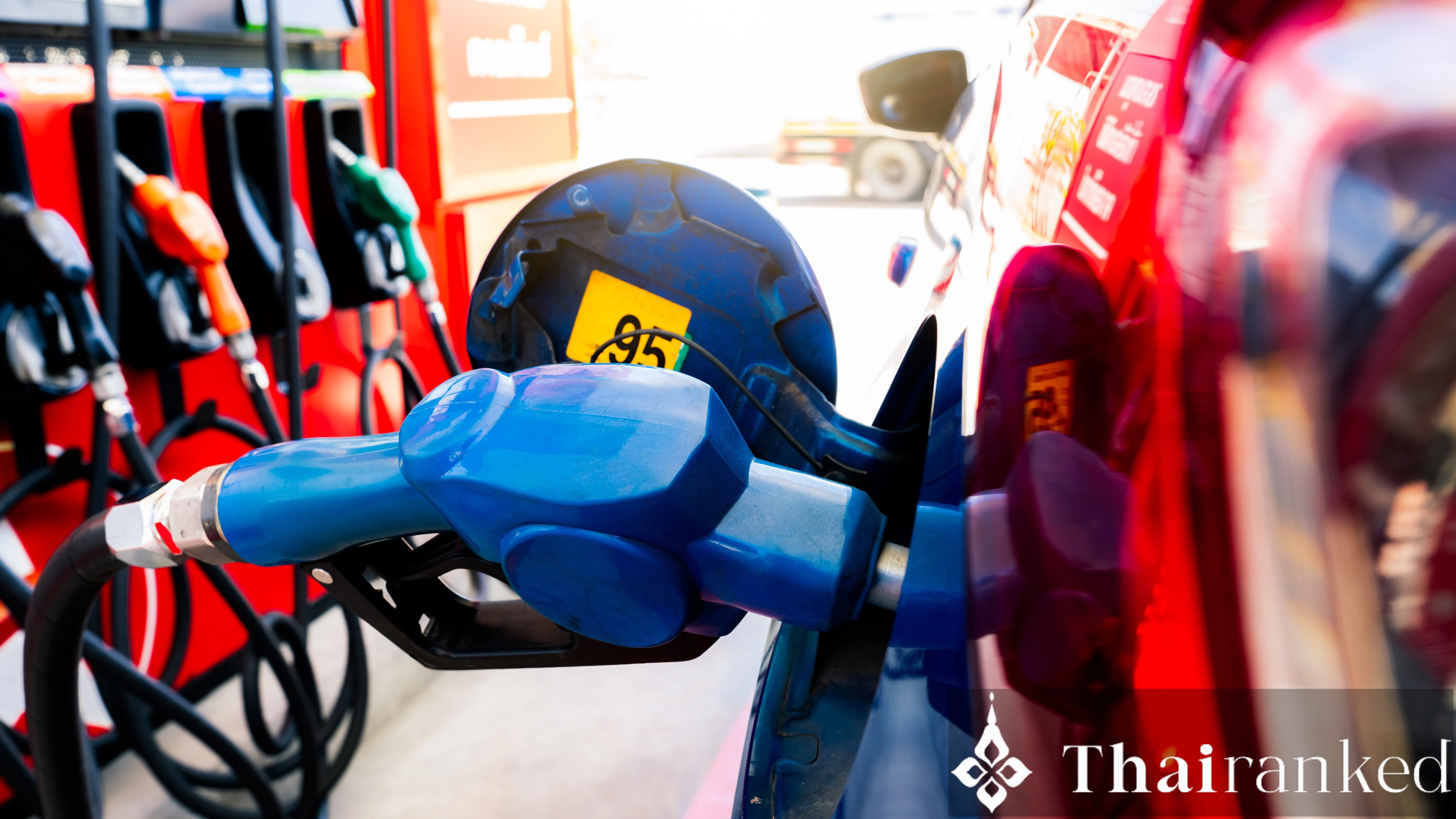
Current fuel prices in Thailand remain steady as of April 9, 2026. Key observations and consumer tips included.

Join the free GRAND LINE IN THAILAND One Piece event at Lumphini Park, March 8–15, 2026. Celebrate Netflix’s new series in the heart of Bangkok, boat rides, photo ops & fun!

At the 2026 PT Grand Prix Thailand, MotoGP icons trade in two wheels for tuk-tuks in a playful Thai-themed race at Buriram’s Chang Circuit.