El Niño in Thailand: Heatwave and Drought Risks Loom for 2026
February 17, 2026 03:12 AM

by Vincent Thairanked
Long time expat in Thailand, loving the food and activities option Thailand has to offer.
Search Hotels & Flights
El Niño 2026: Thailand Braces for Heatwaves and Drought
Thailand is entering the mid-phase of an El Niño event that could bring more heat, less rain, and higher risks of severe weather in 2026. According to Dr Witsanu Attavanich, an associate professor and economist at Kasetsart University who specializes in resource, environmental, and climate-change economics, the country should prepare for rising heat hazards and shifting rainfall patterns—especially in areas that are typically vulnerable, such as the South and lower East of Thailand.
Mid-Phase Already: What Does This Mean?
Speaking on February 16, 2026, Dr Witsanu explained that Thailand has officially entered the "mid-phase" of El Niño, sooner than previously expected. Full conditions are likely by May 2026, with the event projected to persist well into early 2027. "This marks a notable acceleration from earlier forecasts," Dr Witsanu said, "and will require urgent preparedness—both at the public level and for sectors like agriculture."
During the upcoming hot season (March–May 2026), average temperatures are likely to stay well above normal and could remain elevated through August. Regions most at risk include:
- The South: Higher heatwave risk, increased monitoring needed
- Lower Eastern Region: Similar high heat exposure
- The North and Northeast: Potential for dry spells
What the Leading Global Models Are Saying
Dr Witsanu referenced data from global authorities tracking El Niño and La Niña cycles. The European Centre for Medium-Range Weather Forecasts (ECMWF) confirms that Thailand's current trajectory matches an early arrival of El Niño—potentially reaching moderate to strong strength by November 2026 and persisting through the next cool season.
NOAA (the National Oceanic and Atmospheric Administration, USA) models also forecast El Niño conditions, but they're slightly less confident about a very strong event. Their estimates place the probability of a "strong" phase at around 14% for the September–November 2026 period, leaving room for uncertainty. While the models mostly agree that El Niño will dominate Thailand’s weather, there are key questions about just how intense the impacts will be.
What Happens Across Thailand: Region-by-Region Forecasts
- March–August 2026: All regions will experience temperatures higher than the seasonal average.
- March–May 2026: The highest heatwave risk occurs, focusing on the South and Eastern provinces. Residents and authorities in these areas are advised to pay close attention to health alerts and local weather advisories.
- May–July 2026: Dry spells are possible, especially in the South, the upper North, and isolated sections of the Northeast. Water management for households, farming, and industry will be critical.
- June–August 2026: Some parts of the West and lower North might see a sharp uptick in rainfall. Key provinces include Tak, Kamphaeng Phet, Nakhon Sawan, Uthai Thani, Suphan Buri, and Kanchanaburi. Flash flooding risk will be closely monitored.
The IRI at Columbia University supports these findings, projecting that some areas could already see reduced rainfall between March and June 2026. This trend should become even more apparent by May and July, reflecting widespread dry-spell risk just as the wet season begins.
Implications for Thai Communities, Farmers, and Travelers
Heatwaves and unpredictable rainfall aren't just uncomfortable—they disrupt water supply, agriculture, and daily life. For the millions who depend on seasonal rice, sugarcane, or rubber harvests, drought or heat stress poses fierce challenges. Crop yields may drop, and livestock farmers may face higher costs keeping animals cool and hydrated.
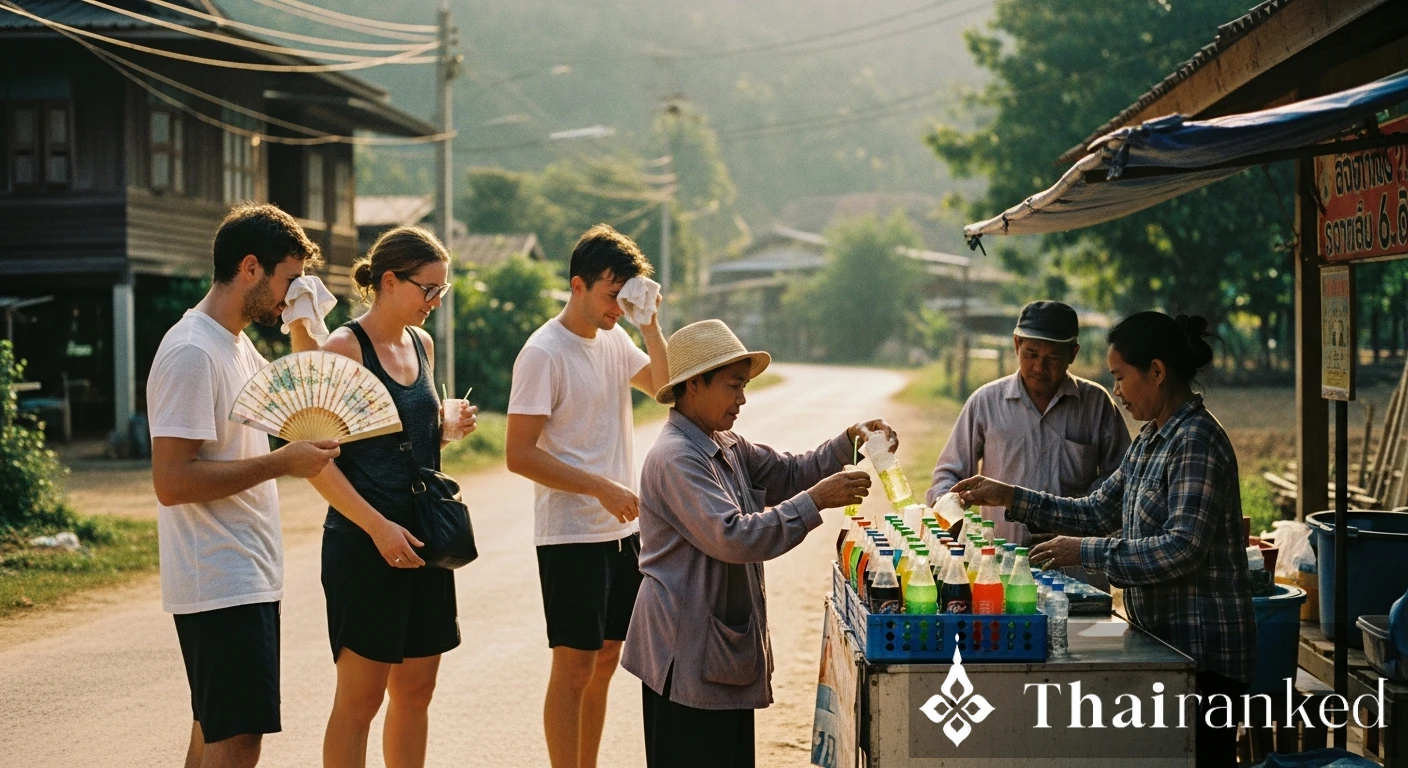
If you're a traveler or expat planning summer trips, be aware that extreme heat is forecast for some of the country’s top islands and southern beach provinces. Consider alternate travel periods or destinations with more favorable conditions. Check out our guide to sunrise viewpoints in January and best beaches to visit in February to plan around the heat.
Many cities—Bangkok included—will need to balance energy demand for air conditioning with the risk of heat-related health emergencies. Local governments are already sharing recommendations for hydration, clothing, and outdoor activity timing. Travelers should keep an eye on seasonal advisories.
What Can You Do?
- Monitor official weather updates and advisories, especially before traveling.
- Stay hydrated and avoid outdoor exercise during peak heat hours (usually 12pm–4pm).
- Check local water restrictions if visiting rural or agricultural areas.
- Tourism-dependent regions may offer more shade or cooling events—ask your hotel or tour provider.
For those involved in agriculture, national agencies like the Royal Irrigation Department are providing updates on crop-scheduling and water-conservation techniques. Marketplace news and community groups are also great resources for real-time drought alerts and coping strategies.
Looking Ahead: 2026–2027 and the Bigger Picture
While the severity of El Niño’s impacts cannot be predicted with certainty, the consensus is clear: 2026 will likely be a year of intense heat and shifting rainfall across Thailand. National strategies for drought resilience, emergency health services, and energy stability are already under review. Meanwhile, individuals can limit risk by planning activities around the hottest months and closely following the Thailand Meteorological Department’s advisories.
If you want to escape the hottest months, consider trips or transit to regions with cooler mountain climates. See our Chiang Mai travel guide for top spots in the North, or learn about Thailand’s cleanest air destinations for a late winter getaway. If you’re checking on air quality—always important during droughts—see our ranking of the best air pollution apps for Thailand.
Key takeaways
- Thailand entered the mid-phase of El Niño in early 2026, with full conditions expected by May 2026.
- The hottest risks are in the South and lower East, but all regions face higher-than-average temperatures.
- Dry spells and rainfall variability are likely—especially affecting agriculture and water supply.
- Travelers and residents should monitor official forecasts, stay hydrated, and plan for extreme heat.
- Government agencies and community groups are sharing updates on preparedness and response.
by Vincent Thairanked
Long time expat in Thailand, loving the food and activities option Thailand has to offer.
Search Hotels & Flights
Related Insights
Thailand braces for the first summer storm of 2026 from Feb 23-25, with heavy rain, gusty winds, lightning and possible hail. TMD urges precautions.

The Thailand Digital Arrival Card (TDAC) is always free. Learn how to avoid fee scams for the mandatory arrival card and use only the official government website.

Follow Thailand's journey at the 2026 Winter Olympics in Milano-Cortina. Get the latest athlete updates and find out where to watch the games live in Bangkok.
Minor earthquakes hit Surat Thani on Feb 11, 2026. Authorities confirm Khao Sok National Park and Cheow Lan Lake are 100% safe. Read the full update here.

Unofficial results from the February 8 general election show a decisive victory for the Bhumjaithai Party, securing a second term for Prime Minister Anutin Charnvirakul. Here is the full breakdown of the results and what lies ahead for Thailand.