enthdeesfrnlruhijakozh

How to Choose a Truly Cruelty-Free Elephant Sanctuary in Thailand

March 20, 2026 09:09 AM

最后编辑: March 20, 2026

Discover how to pick a genuinely ethical elephant sanctuary in Thailand. Learn signs of cruelty-free practices and avoid tourist traps.
How to Choose a Truly Cruelty-Free Elephant Sanctuary in Thailand - thumbnail

Ethical Elephant Tourism in Thailand

Elephants draw travelers to Thailand. The country has a long, complex relationship with these animals, and today, the tourism industry offers a wide range of encounters. Not all of them put elephant welfare first. Choosing a cruelty-free elephant sanctuary supports animal rights and protects Thailand’s natural heritage.

"Cruelty-Free" at Elephant Sanctuaries

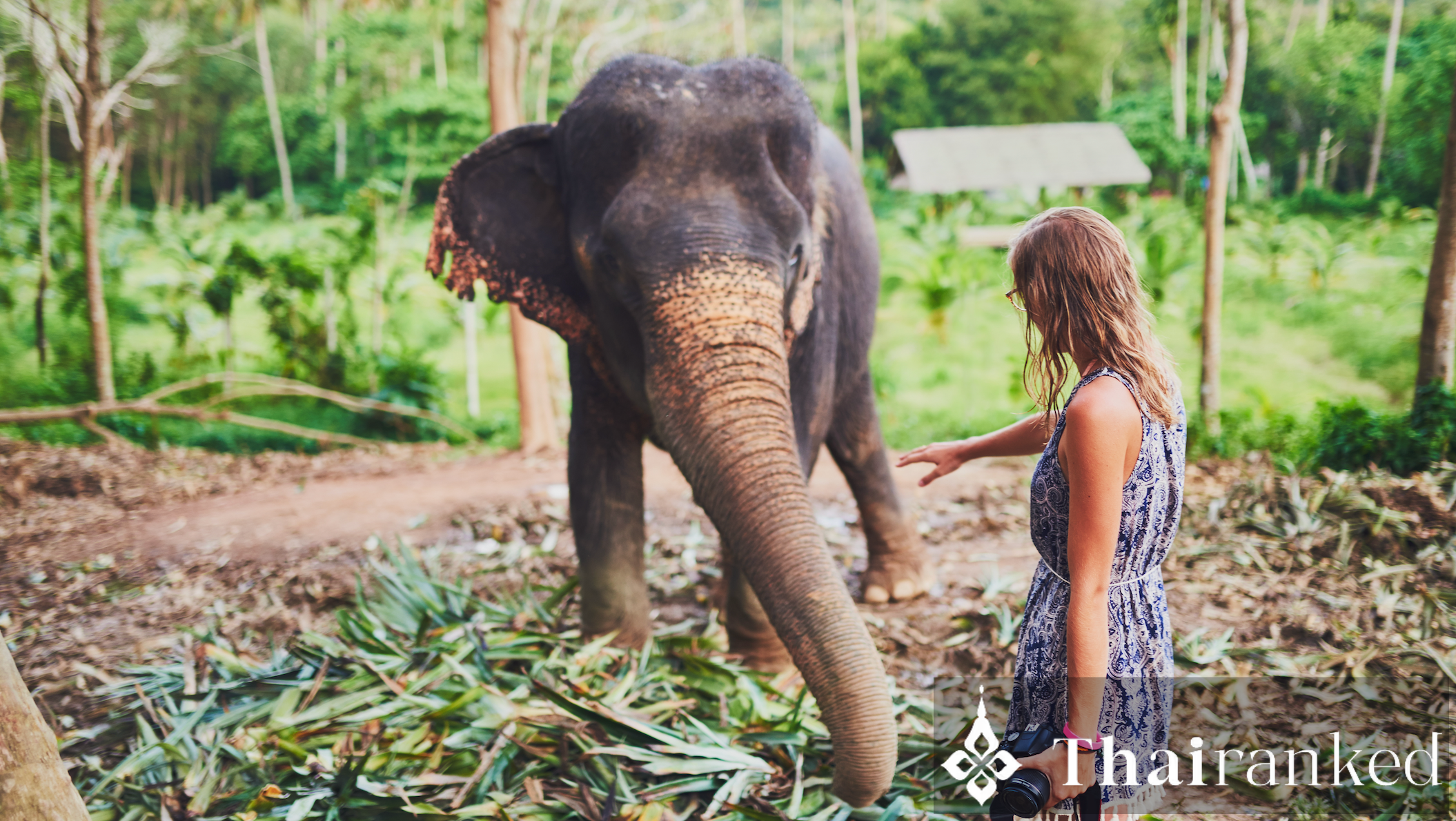
In elephant tourism, the term "cruelty-free" means no physical or psychological harm comes to elephants in human care. True sanctuaries avoid chaining, bullhooks, riding, unnatural tricks, or forced performances. Staff put well-being first and respect natural behaviors. Tourists observe rather than dominate, and elephants are never pressured to provide entertainment.

Red Flags: Harmful Elephant Camps

Many camps advertise themselves as sanctuaries while still practicing harmful activities. These red flags indicate cruelty or lack of ethical standards:

  • Riding: Any form of elephant riding, including bareback rides, stresses animals and damages spines.
  • Shows or Tricks: Performing tricks, painting, or playing soccer is a result of intensive training using harsh discipline.
  • Bullhooks & Chains: Visible use of hooks, prods, or elephants held on short chains signals poor welfare.
  • Unnatural Photos: Forced posing, hugging, or direct interactions for selfies cross healthy boundaries for both elephant and tourist.
  • Pace & Volume: A continuous flow of tourists or rushed schedules mean elephants don’t get to rest or enjoy quiet time.

Ethical Sanctuaries: What Sets Them Apart

Ethical sanctuaries create peaceful environments where elephants can live, rest, and play without pressure from humans. Look for these signs:

  • No Riding: Guests walk with or observe elephants. Activities involve feeding, bathing, or watching elephants play in mud, but always with the animal’s comfort leading the interaction.
  • Free Roaming: Elephants move in a natural setting with minimal restraint. Fencing may protect both animals and guests from danger but doesn’t restrict exercise or natural behavior.
  • No Forced Performances: Sanctuaries let elephants be elephants. Their schedules depend on what the animals choose to do, not what looks good to tourists.
  • Conservation Focus: Facilities work to rehabilitate and retire elephants from hard labor or entertainment, often partnering with wildlife vets and supporting education about forest habitats.
  • Group Dynamics: Healthy elephant groups show natural social behaviors. You might see them foraging, bathing, or communicating, never forced to act for people.

Questions for Sanctuaries

  • Does the sanctuary allow visitors to ride elephants or watch them perform?
  • How do staff manage elephants? Are chains in use, even at night?
  • Veterinary care provided?
  • Where did the elephants come from,rescued, retired, or bred in captivity?
  • How many visitors can join per day?
  • Which educational programs about elephant biology and conservation exist?

If staff give vague answers, hide parts of the facility, or resist questions, look elsewhere. For a broader perspective on Thai values and communication, see the meaning of "kreng jai" in Thai culture.

Destinations and Ethical Experiences

The rise in demand for cruelty-free sanctuaries forced many traditional camps to rebrand, but some remain unchanged. Pay close attention in hotspots like Chiang Mai or Phuket,marketing moves faster than operations. Check recent reviews, ask other travelers, and search for true animal-first reputations.

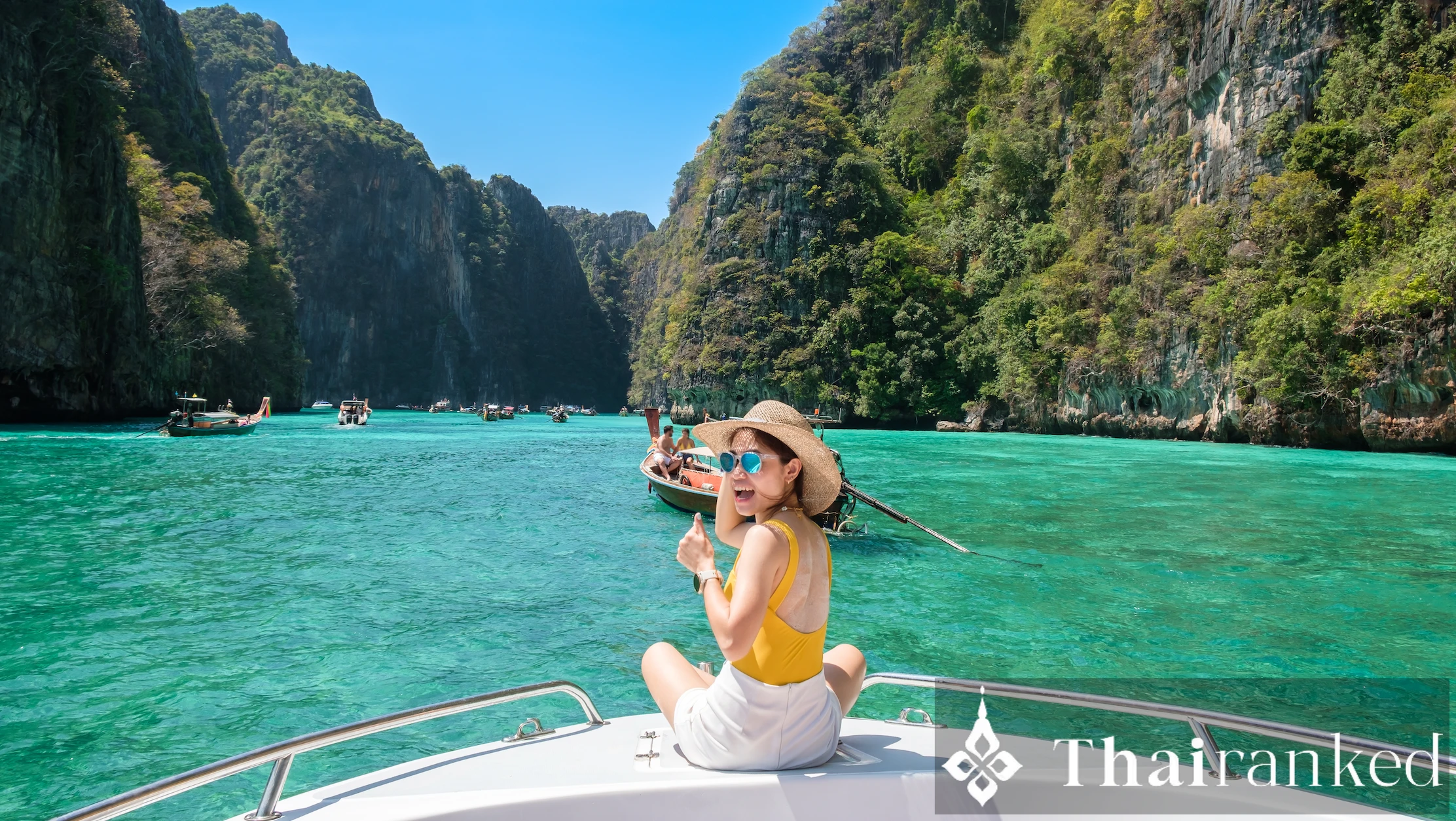
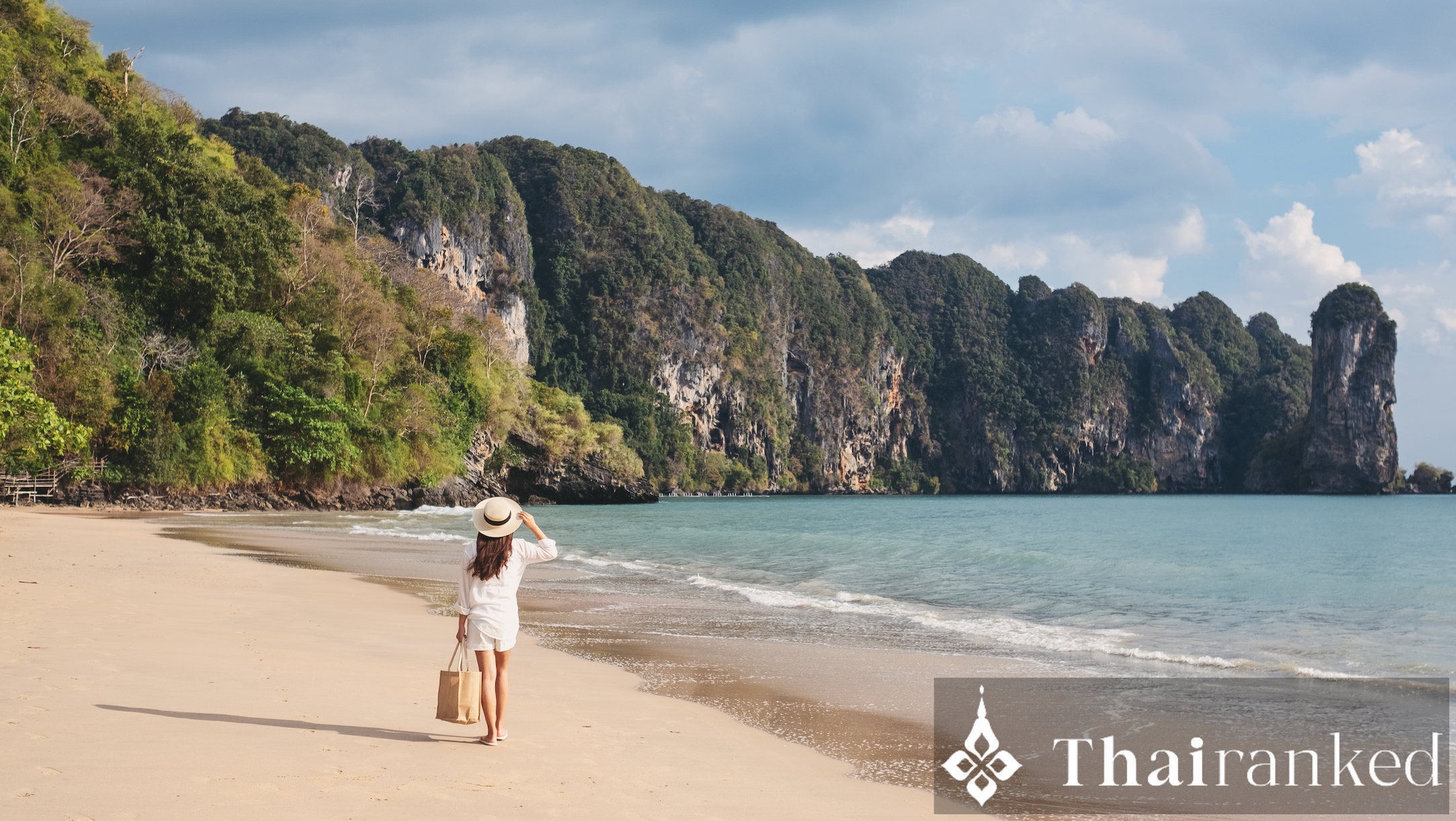
If you’re planning an ethical trip to Chiang Mai, see the Chiang Mai Travel Guide for responsible tourism tips. Heading south? Our Phuket vs. Krabi guide breaks down eco-friendly options and nature reserves. For an overview of animal-friendly sanctuaries across Thailand, read the top 5 ethical elephant sanctuaries ranking as your shortlist.

A Day at an Ethical Sanctuary

Genuine experiences include educational introductions, time to observe elephants in their habitat, and chances to help with feeding or enrichment (like hiding fruit or crafting baskets). Bathing sessions, if any, revolve around the elephant’s choice. Staff guide small groups, answer questions, and provide real education. If city life appeals after your sanctuary visit, explore Bangkok’s best night markets for a lively contrast.

Help Sanctuaries Beyond Visiting

Ethical sanctuaries operate on tight budgets. If visiting isn't possible, sponsor an elephant, buy merchandise, or share their mission. Choose groups with transparent governance and visible community or conservation projects,education for staff, local scholarships, or ecosystem restoration count far more than photo backdrops. Explore ways you can volunteer or give back in Thailand for an even greater impact.

Ethical Wildlife Encounters in Thailand

Wildlife in Thailand offers more than elephants. National parks like Khao Yai and Doi Inthanon let you see wild elephants, gibbons, and hornbills roaming free. For ideas about park seasons, see Best National Parks in Thailand in February and Cleanest Air Destinations in Feb–Mar. Find wild escapes with animal welfare at the core. Want to maximize your sightseeing? See Bangkok activities and eco-tours from trusted platforms.

Key Takeaways

  • Cruelty-free sanctuaries ban riding, chaining, and performances
  • Look for education, open environments, and animal-led interactions
  • Rely on recent reviews and staff transparency
  • Consider sanctuaries that support conservation and local communities
  • Thailand provides many ethical wildlife adventures,seek out these opportunities
Nam Thairanked

by Nam Thairanked

I love traveling and eating Thai food.

搜索酒店与航班