enthdeesfrnlruhijakozh

Bangkok’s Scientific Battle Against PM2.5: How Evidence-Based Solutions Are Cleaning the Air

March 17, 2026 05:39 AM

Discover how Bangkok slashed severe PM2.5 days by 50% using chemical fingerprint analysis, AI, and targeted action for cleaner, healthier air in the city.
Bangkok’s Scientific Battle Against PM2.5: How Evidence-Based Solutions Are Cleaning the Air - thumbnail

Breathing Easier: How Bangkok Cuts PM2.5 Pollution with Science

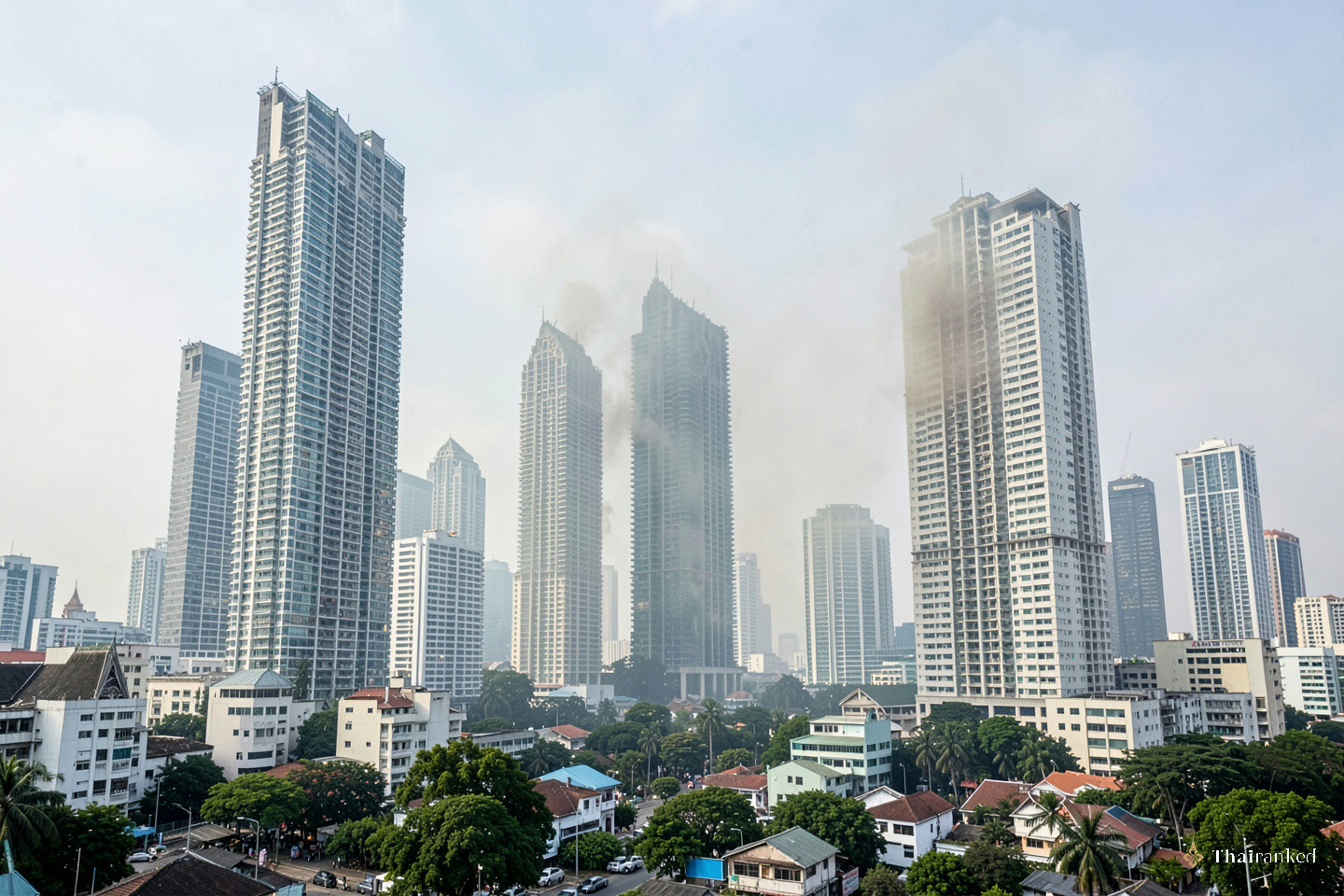
Air pollution has long been a challenge for residents and visitors in Bangkok. The city’s notorious haze seasons, packed with dangerous PM2.5 particles, impact not just health but also the overall livability and international reputation of this urban giant. But, in recent years, a science-driven approach led by Governor Chadchart Sittipunt has turned the tide: Bangkok has seen a whopping 45-50% drop in the number of days with hazardous PM2.5 levels. So, what’s changed, and how is science making Bangkok a more livable, breathable metropolis?

What Is PM2.5 and Why Is It So Dangerous?

PM2.5 refers to airborne particulate matter with a diameter less than 2.5 micrometers. These minuscule particles can infiltrate your lungs and bloodstream, raising the risk of respiratory and cardiovascular diseases, especially in children and vulnerable adults. Consistently high PM2.5 levels mean more emergency room visits, increased days off work, and unfortunately, reduced life expectancy. In 2026, authorities estimated that nearly 300,000 people in Bangkok had illnesses linked to air pollution—at a cost of over 3 billion baht in medical expenses and lost productivity.

Beyond Guesswork: Using Chemical Fingerprint Analysis

For years, attempts to control PM2.5 in Bangkok relied largely on assumptions—was it traffic? Industry? Outdoor burning in distant provinces? While common sense would suggest all played a role, real solutions required real data.

That’s where chemical fingerprinting (or “chemical DNA analysis”) comes in. The Bangkok Metropolitan Administration (BMA) started sending dust samples to labs capable of analyzing the chemical makeup of the particles. This scientific approach uncovered something game-changing: on the worst pollution days, PM2.5 in Bangkok contained especially high concentrations of potassium. Potassium is a tell-tale marker of biomass burning—think of farmers torching rice straw in fields around and just outside the city. On lower-pollution days, however, the dominant compounds were nitrates from vehicle exhaust.

This breakthrough meant the city could finally move away from blanket "close the schools, water the roads" orders and actually target the real sources.

Targeted Action: Tackling Pollution at Its Source

Armed with this new evidence, City Hall pivoted its anti-pollution strategy dramatically:

  • Working with farmers: Over 100,000 rai (about 40,000 acres) of rice-growing land lies within the city’s boundaries, and agricultural burning had been a major PM2.5 source. The BMA provided free straw-compressing machines so that rice straw could be converted into marketable products instead of being burned. This initiative led to a 44% decrease in burn spots within Bangkok and a 25% cut in nearby provinces like Nakhon Nayok.
  • Focusing on vehicle emissions: On days dominated by car exhaust in the city, authorities tightened restrictions on polluting diesel trucks and implemented the "Green List" system. Well-maintained trucks and EVs could enter the city, while high-polluters were flagged via AI and CCTV systems, prompting real-time enforcement.
  • Regional coordination: Since wind often sweeps smoke from upcountry burning directly into the capital, Bangkok officials strengthened partnerships with nearby provinces and lobbied for broader controls on open-field burning.

International Collaboration and Real-Time Data

Bangkok didn’t act alone, either. It joined hands with China to install an advanced “Superstation” air quality monitor, which provides real-time data on the origins and movement of pollution plumes across boundaries. The BMA also invested in AI-driven systems that harness CCTV across the city to identify and flag high-risk vehicles instantly. These technologies, working together, have been crucial for rapid, evidence-based responses.

Results: Tangible Progress Amid Ongoing Threats

Has it all worked? The data says yes:

  • 45-50% fewer days with dangerous PM2.5 (orange or red status) compared to the previous year
  • Average daily dust levels fell by about 22%
  • Burn spots inside Bangkok reduced by 44%; neighboring provinces cut burning by about 25%

Most importantly, these improvements weren’t achieved by luck or guesswork—they were the direct result of using scientific evidence to pinpoint and tackle root causes. No more "one size fits all" solutions; now, Bangkok deploys the right tools for each problem, be it traffic congestion or agricultural burning.

If you want to keep an eye on current air pollution trends while living or traveling here, apps and live dashboards are a must. Check out our rundown of the best air pollution apps for traveling in Thailand.

Lessons for the Future: Evidence, Technology, and Awareness

Despite progress, PM2.5 remains a persistent threat for Bangkok. The battle is ongoing. Governor Chadchart has emphasized that without clean air, Bangkok risks losing both its residents’ health and its economic edge—the city might even struggle to compete with other Southeast Asian capitals for global talent and investment.

Looking ahead, the city is focusing on:

  • Continuing to invest in green zones and urban forests
  • Upgrading public transport and supporting the shift to EVs
  • Making data publicly available to empower communities
  • Partnering with neighboring provinces for joint action
  • Supporting innovation and clean-tech startups

If you're planning to move to Bangkok or want to find the best neighborhoods for fresh air and easy commuting, you may find our guide to the most convenient areas to live in Bangkok (BTS/MRT) handy for making an informed choice.

Visitors looking for a break from the city haze can also check out Thailand's cleanest air destinations during the haze peak months. It’s an excellent way to recharge and protect your health, especially as the city’s pollution levels slowly but surely improve.

Key takeaways

  • Science-driven policies have led to a 45-50% drop in Bangkok's high pollution days
  • Chemical fingerprint analysis is key to identifying the true sources of PM2.5
  • Collaboration with farmers and other provinces has helped reduce burning
  • Technology like AI, CCTV, and "Superstation" monitors boost enforcement and real-time response
  • While progress is real, ongoing vigilance and innovation are vital for a cleaner future
Vincent Thairanked

by Vincent Thairanked

Long time expat in Thailand, loving the food and activities option Thailand has to offer.

搜索酒店与航班