Thailand's Longest Rivers Ranked
August 21, 2026 10:07 AM
Last edited: August 21, 2026
Discover Thailand's longest rivers, shaping landscapes, cities, agriculture, transport, and communities across the country.

by Thairanked Guide
Thairanked helps you discover great places in Thailand!
Table of Contents
Search Hotels & Flights
You might like










Table of Contents
Thailand's Longest Rivers: An Overview.
Thailand’s rivers are more than waterways. They have shaped the country’s geography, agriculture, settlements, transportation, and economy for centuries. From the Chao Phraya River running through Bangkok to the major rivers of the North and Northeast, these waterways continue to influence where communities grow, how farmers cultivate their land, and how people move between regions.
Many of Thailand’s most important cities and historical settlements developed close to rivers. Rivers provided water for agriculture, supported fishing and trade, and served as natural transportation routes long before modern roads and railways connected the country. Today, they remain important for irrigation, food production, local economies, tourism, and everyday life.
But which are Thailand’s longest rivers? The answer is not always straightforward. Several major rivers are part of larger river systems that cross national borders, while others change names as different tributaries merge together. As a result, published measurements can vary depending on whether the measurement refers to the entire river system, the main river channel, or only the section flowing within Thailand.
Among Thailand’s most significant waterways are the Chi, Mun, Ping, Nan, and Chao Phraya rivers. The Chi and Mun rivers are particularly important to northeastern Thailand, where they support extensive agricultural areas and communities across the Isan region. The Ping and Nan rivers are major waterways in northern and central Thailand and eventually join at Nakhon Sawan to form the Chao Phraya River.
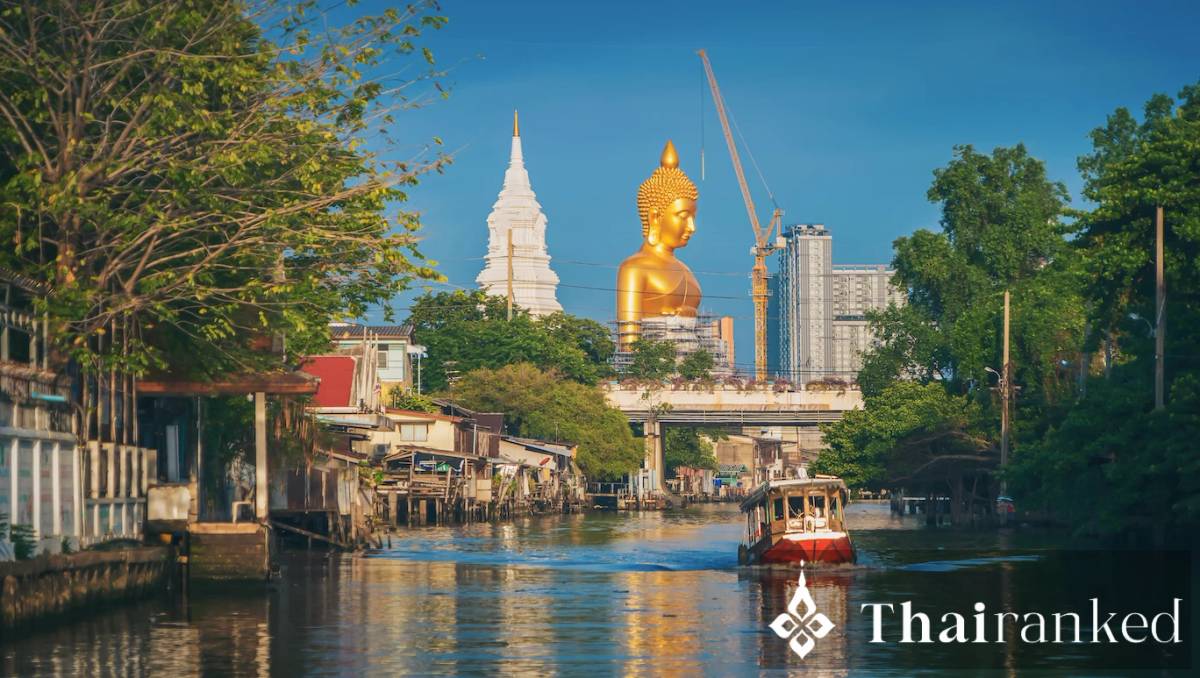
The Chao Phraya River is perhaps the best-known river in Thailand. It flows through the heart of Bangkok and has played a central role in the capital’s development, supporting commerce, transportation, tourism, and communities along its banks. Its network of tributaries also connects the central plains with northern Thailand.
Looking beyond their lengths, these rivers reveal how closely Thailand’s development has been connected to water. Agricultural communities depend on river systems for irrigation, while cities and businesses have historically benefited from their role in transportation and trade. Rivers also support ecosystems and provide important habitats for fish and other wildlife.
This ranking explores Thailand’s major rivers by length while recognizing the differences in how river length is measured. Rather than looking at numbers alone, it provides context about where each river flows, which regions it supports, and why it matters to Thailand.
Whether you're interested in geography, travel, history, or simply curious about Thailand’s natural landscape, these rivers offer a fascinating way to understand how the country has developed around its waterways.

1. Chi River
Highlight
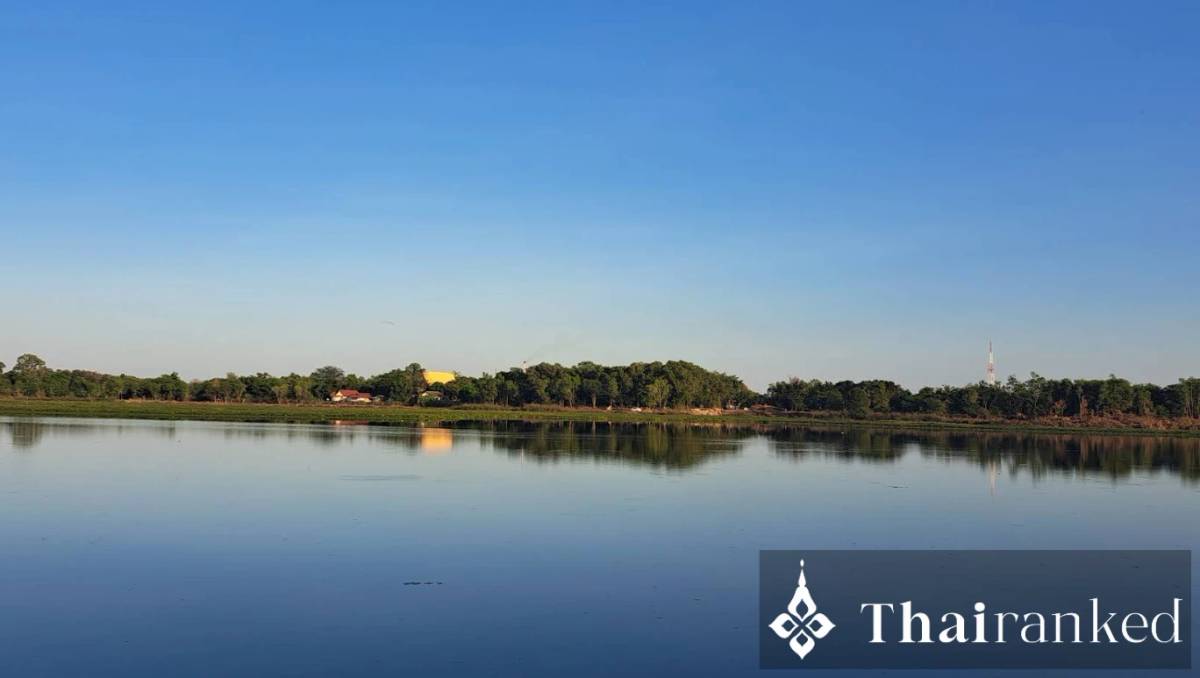
The Chi River is one of Thailand's major northeastern waterways, flowing through the Isan region before joining the Mun River. It supports agriculture and communities across several provinces and is an important part of the Chao Phraya river system.
Essential Information
Northeastern Thailand
2. Mun River
Highlight
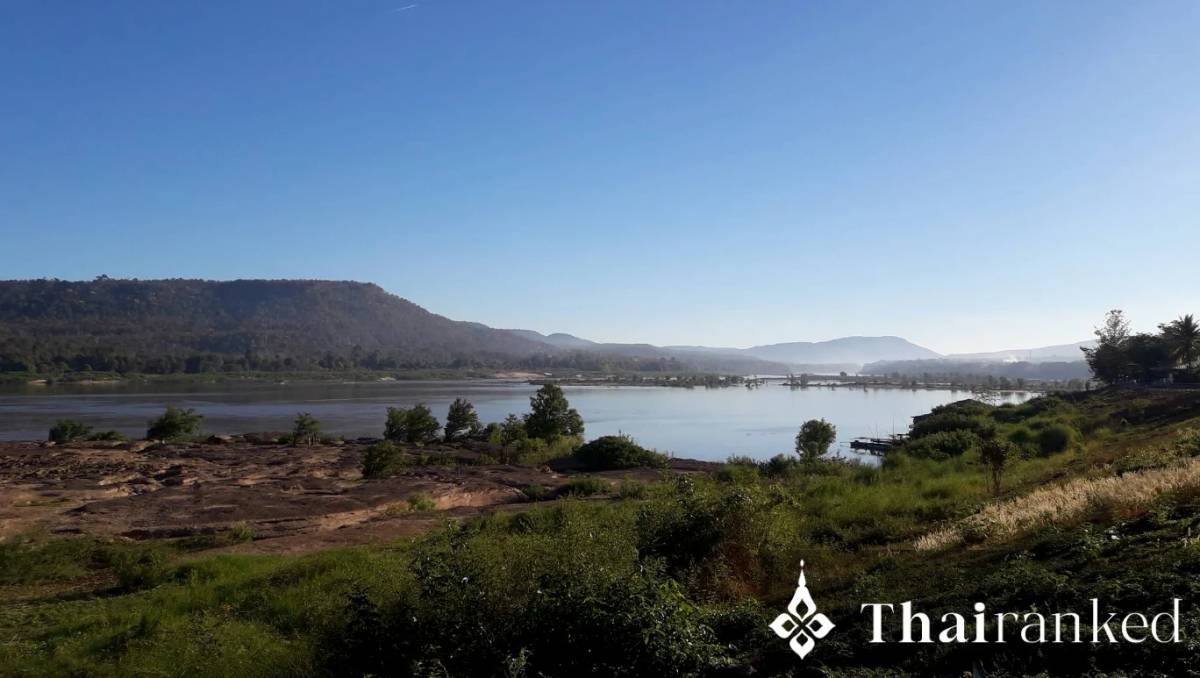
The Mun River is the largest river in northeastern Thailand. It flows eastward across the Isan region before joining the Mekong River in Ubon Ratchathani. The river supports agriculture, fisheries, and communities throughout the region.
3. Ping River
Highlight
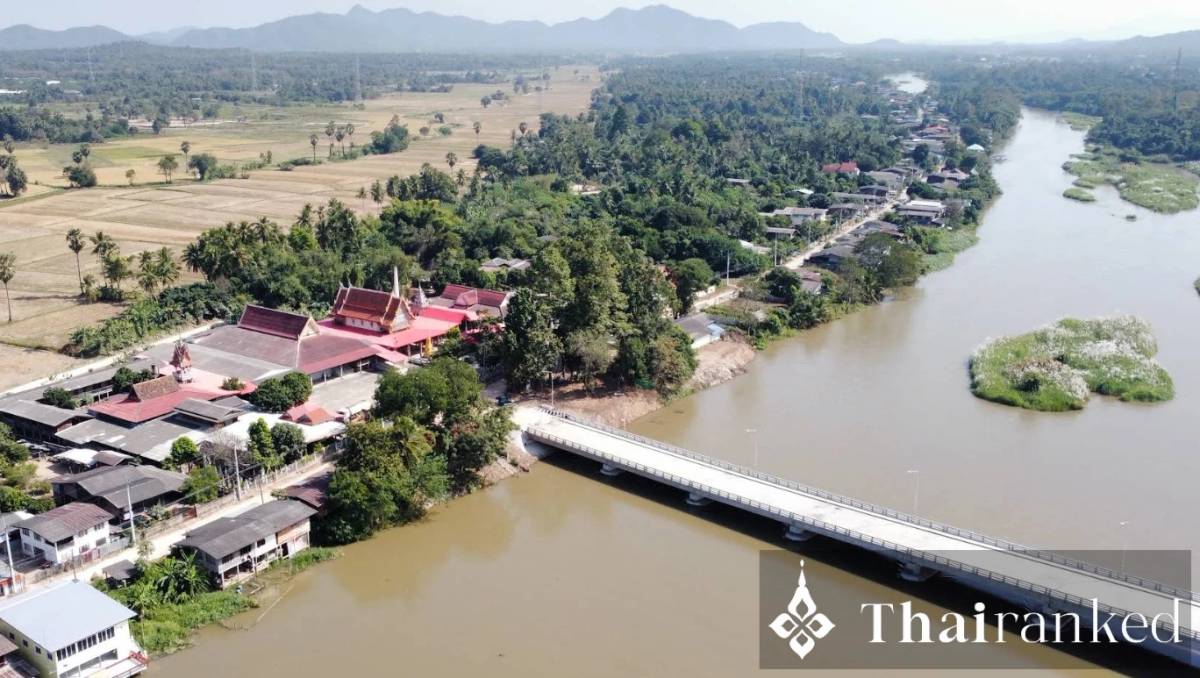
The Ping River begins in northern Thailand and flows south through Chiang Mai and other provinces before joining the Nan River at Nakhon Sawan to form the Chao Phraya River. It is one of the most important rivers in northern Thailand.
See also



4. Nan River
Highlight
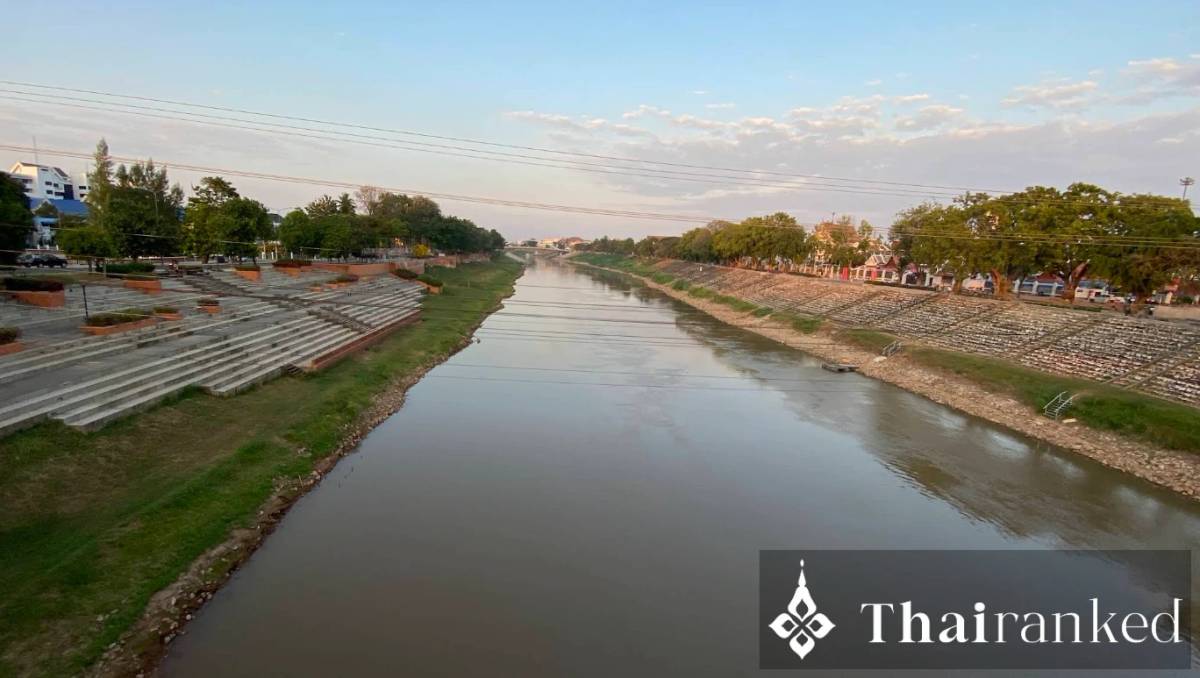
The Nan River flows south from northern Thailand through provinces including Nan, Uttaradit, Phitsanulok, and Nakhon Sawan. At Nakhon Sawan, it meets the Ping River and forms the Chao Phraya River.
5. Chao Phraya River
Highlight
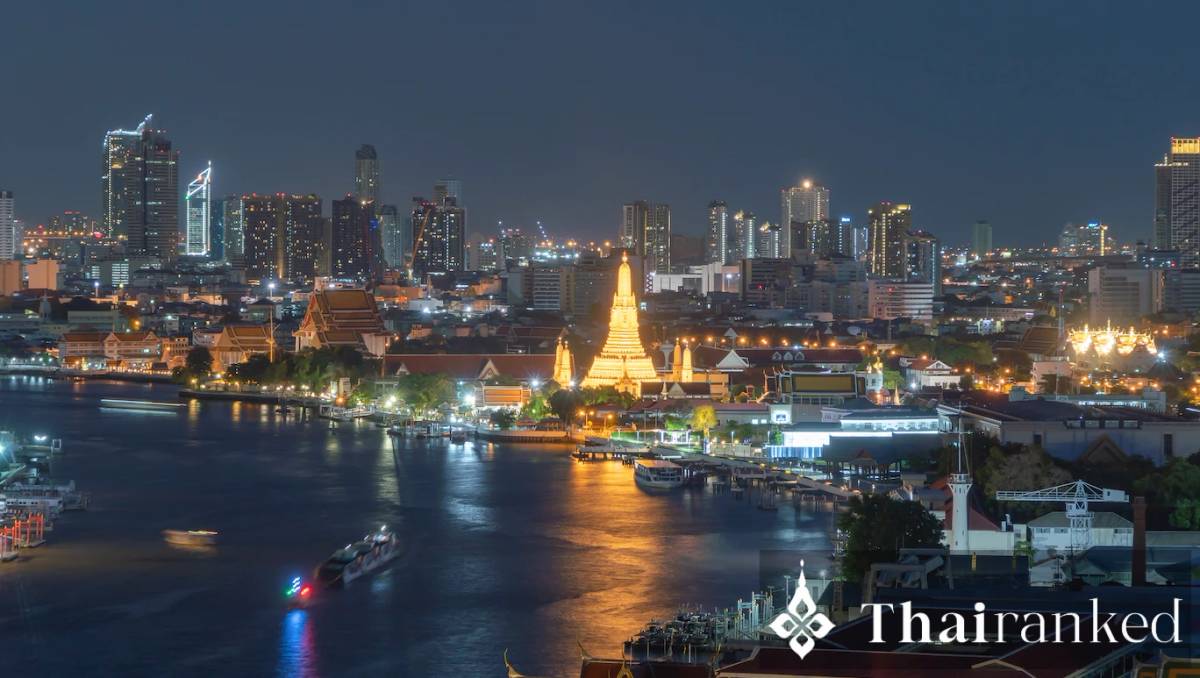
The Chao Phraya is Thailand's most iconic river and one of the country's most important waterways. It flows through central Thailand and Bangkok before reaching the Gulf of Thailand. The river has played a major role in transportation, trade, agriculture, and the development of Bangkok.
Missing a business you'd recommend?
Tell us who belongs on this list and our editors will review it.
Which rivers should you visit?
Thailand's longest rivers are more than geographic features. They are closely connected to the country's history, agriculture, economy, and everyday life. The Chi and Mun rivers are particularly important to northeastern Thailand, while the Ping and Nan rivers form the main tributaries of the Chao Phraya. Together, these waterways help shape the landscapes and communities that make Thailand unique.
Fact note: For a published ranking, I recommend using one consistent measurement method—preferably total river length or length within Thailand, because rankings can change significantly depending on which measurement is used.
Plan river visits around festivals or market days, and check local boat schedules for access. For trips that combine beaches and southern rivers, check the Krabi travel guide to pair coastal stops with inland waterways. To learn which cultural events tie to rivers, revisit Thailand's top festivals.
by Thairanked Guide
Thairanked helps you discover great places in Thailand!
What people ask about
"Thailand's Longest Rivers Ranked"
Here you will find answers to the most popular questions about Thailand.
 Chat with us