Thai Fruits Calendar: Best Seasonal Fruits in February
January 27, 2026 07:49 AM
Last edited: March 16, 2026
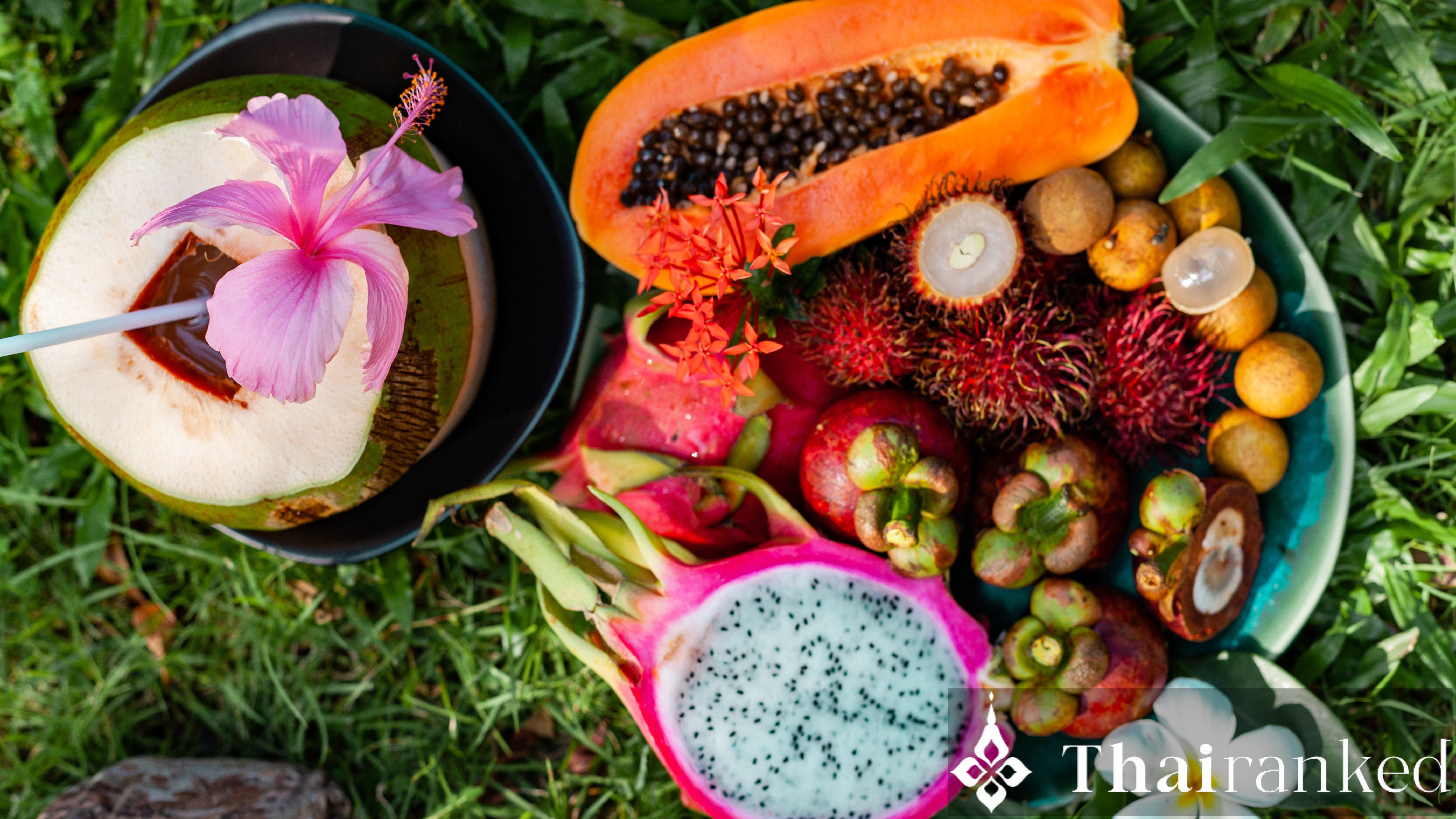
Marian plums, rose apples, and grapes peak in February in Thailand. See the top seasonal fruits, how to pick them, and tasty, local ways to enjoy.

by Nam Thairanked
I love traveling and eating Thai food.
Search Hotels & Flights
Why February is peak Thai fruit season
Cool mornings, warm afternoons, and clear skies make February a delicious month for Thai fruit. This is when orchards in central and northern Thailand hit a sweet spot, bringing ultra-fragrant marian plums to market, along with crisp rose apples, juicy grapes, and late-winter berries and citrus. Whether you shop at premium produce halls like Or Tor Kor in Bangkok or at a neighborhood morning market upcountry, you’ll notice stalls piled high, prices softening, and vendors happy to let you taste before you buy.
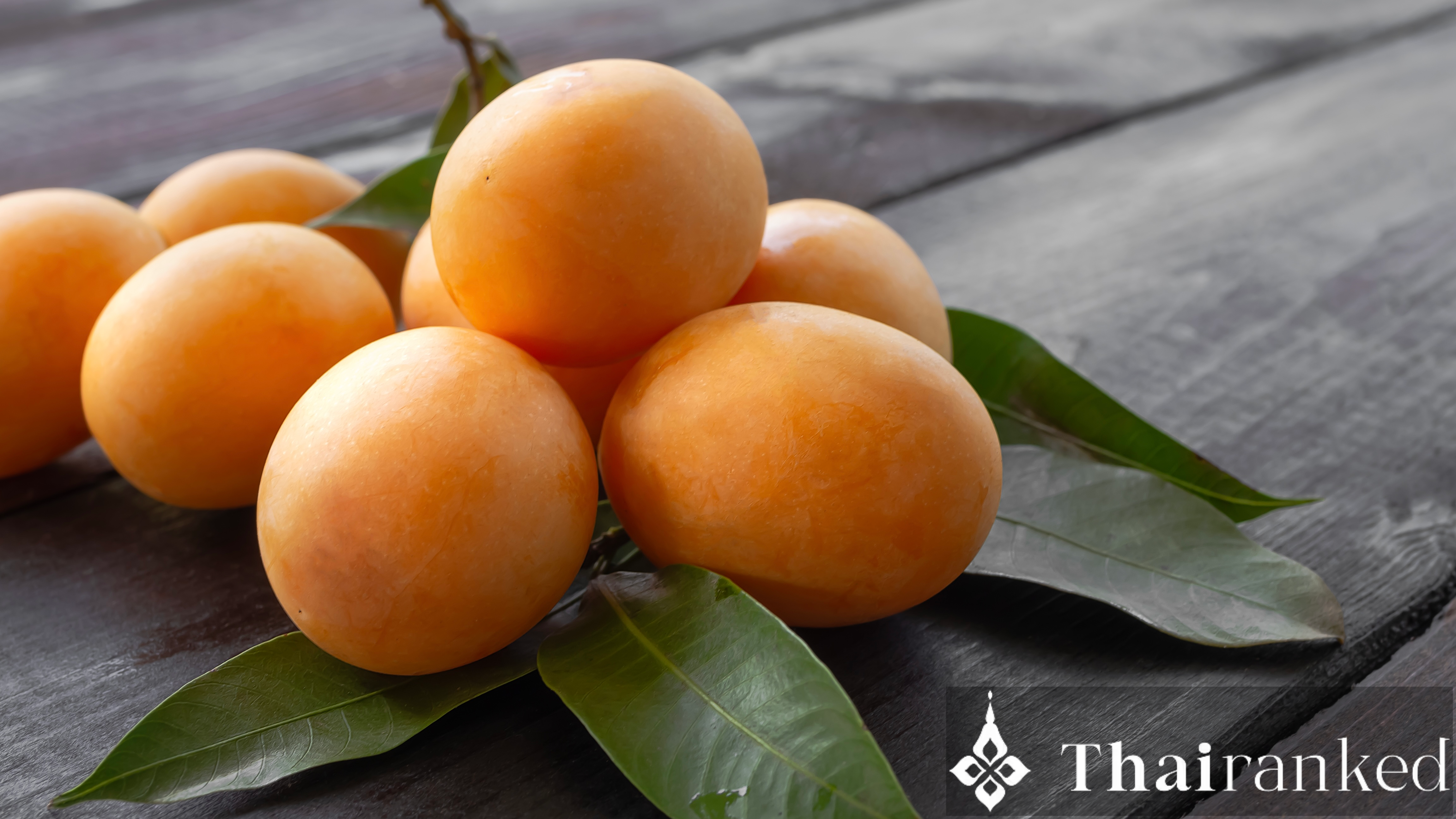
If you’ve ever wondered what Ma-Yong-Chid actually is, it’s Thailand’s beloved marian plum, sometimes called plum mango, and February is its moment to shine. The fruit’s perfume, thin skin, and custardy flesh make it a must-try this month. Beyond that, look for northern strawberries from Chiang Mai’s highlands, zesty tangerines from Chiang Rai, and vineyard-fresh grapes from Hua Hin and Khao Yai. Our February list highlights what’s at its peak, how to pick the best fruit, and easy, local ways to enjoy each one, from dipping slices in chili-sugar to pairing citrus with a sprinkle of salt.
Use this guide to shop like a local, learn the Thai names you’ll see on signs, and plan a tasty fruit crawl through markets and street carts. If you’re new to marian plums, read our quick primer on what Ma-Yong-Chid is so you know which varieties to ask for.

1. Marian Plum (Ma-Yong-Chid / Maprang)
Thailand’s floral, custardy February star
Highlight
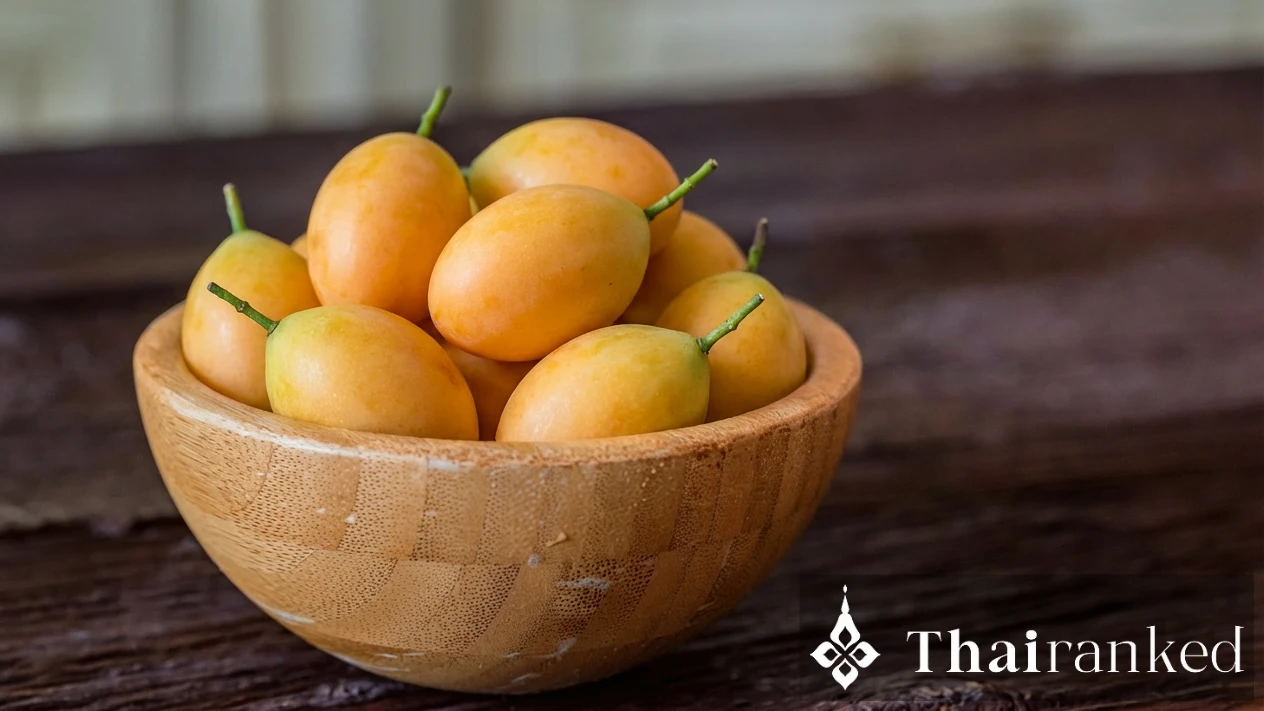
February is prime time for Thailand’s marian plums, known locally as Ma-Yong-Chid or Maprang. Think of a tiny mango crossed with an apricot: thin, edible skin, a floral aroma, and custard-soft flesh that ranges from sweet-tart to honeyed depending on ripeness and variety. Look for fruits with a warm golden color and slight give when pressed. Avoid wrinkling or green patches if you want ready-to-eat sweetness. Eat them out of hand, chill them for a refreshing snack, or slice over yogurt. You’ll see two broad types: sweet-eating varieties for fresh snacking and tarter ones perfect for salads and dipping in chili-salt. Most come from central provinces like Nakhon Nayok and Prachinburi, and they vanish fast, so buy when you see them.
Essential Information
Nakhon Nayok & Central Plains
2. Rose Apple (Chomphu)
Crisp, floral, and perfect for chili-sugar
Highlight
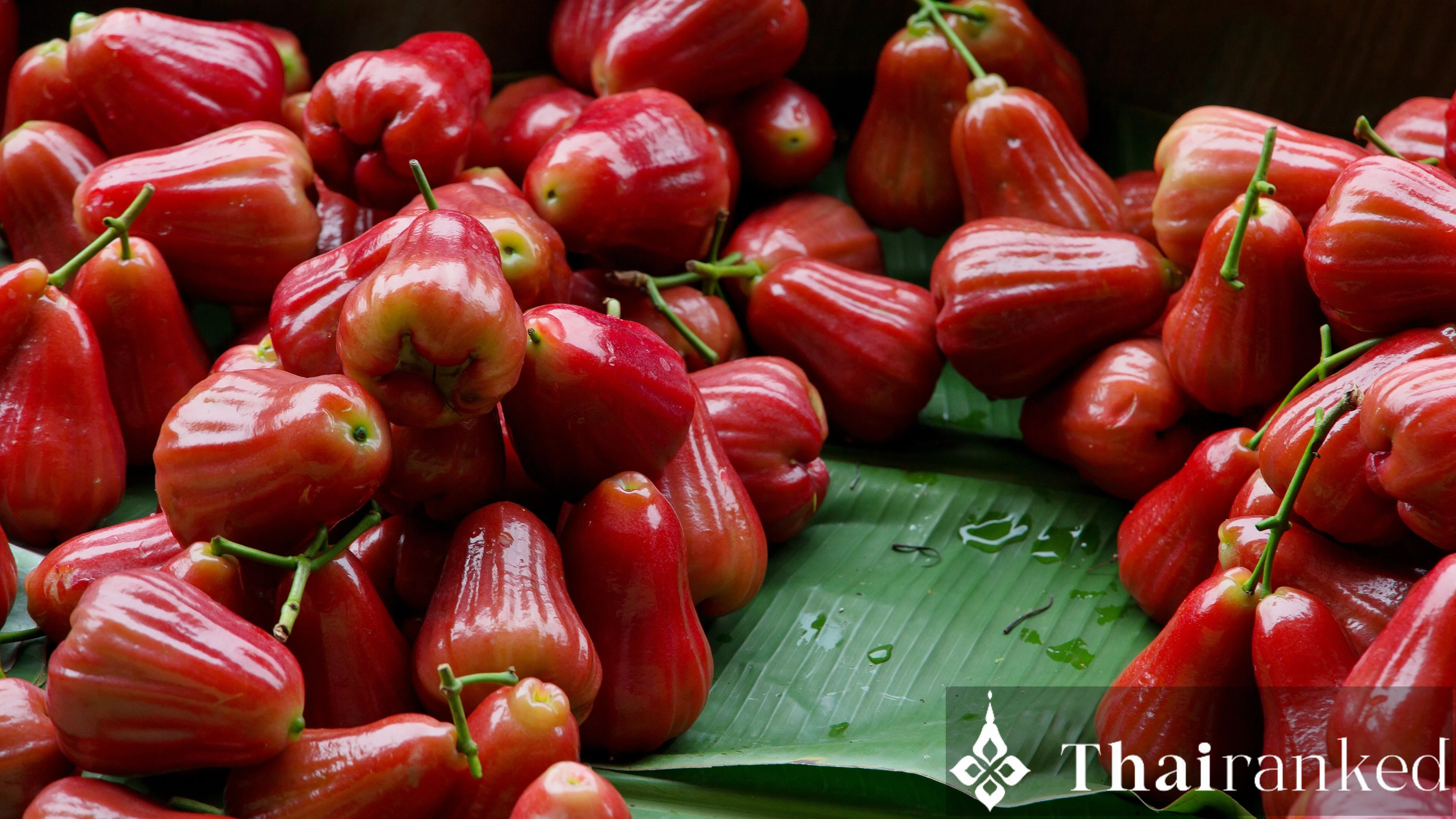
Crisp, juicy, and refreshing, rose apples hit a sweet spot in late cool season. Their bell shape and glossy skin hide light, airy flesh that’s subtly sweet with a rose-like perfume. Choose fruits that look shiny and feel light for their size, a sign of crisp texture. Popular varieties include the ruby-hued Tubtim Chan and pale green Kheaw Sawoey. Eat them chilled, sliced, and dunked in chili-sugar for a classic street-cart combo, or toss into a limey herb salad for crunch. You’ll find excellent fruit from Nakhon Pathom and Ratchaburi orchards. Pro tip: avoid bruised fruits and keep them in the fridge for snap and hydration on hot afternoons.
Essential Information
Nakhon Pathom & Ratchaburi
3. Grapes (Ngoen / A-ngoon)
Firm, bloom-dusted clusters at their sweetest
Highlight
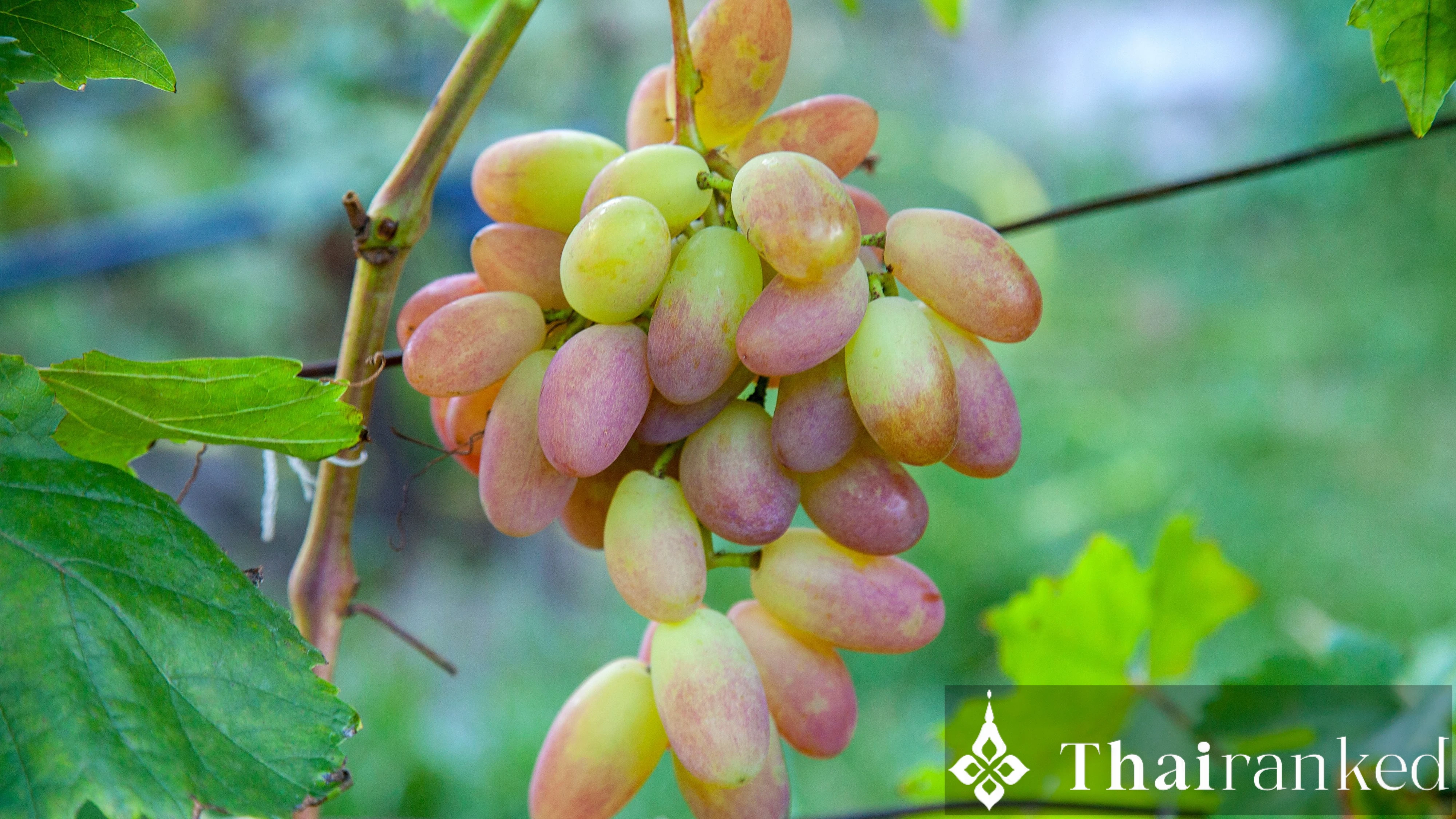
Thai vineyards harvest in cycles, and the cool, dry air makes February a great month to buy grapes. Expect firm, bloom-dusted clusters, from seedless greens to jammy reds and inky blacks. Look for tight bunches with plump berries and flexible stems; avoid sticky or shriveled fruit. Chill before eating to concentrate sweetness. Vineyards around Hua Hin, Khao Yai, and Nakhon Ratchasima send superb table grapes to markets now. For something different, try red varieties in a spicy som tam–style fruit salad, or freeze a handful for no-drip ice cubes in soda water. If you’re touring wine country, many farms sell fresh-picked bunches at the source in February.
Essential Information
Hua Hin, Khao Yai & Northeast vineyards
See also
4. Strawberries (Sot-beri)
Fragrant northern berries, small but mighty
Highlight
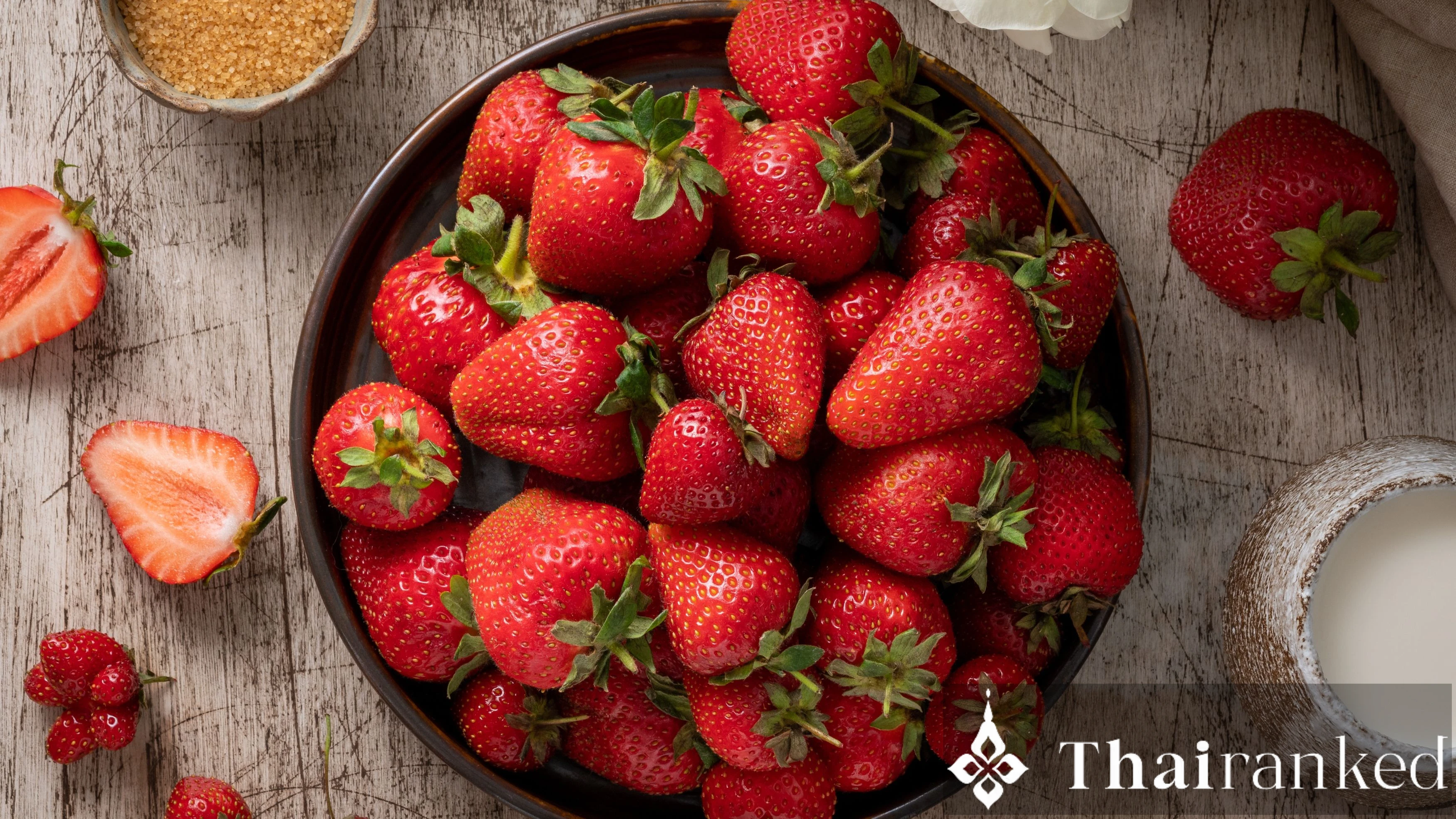
Northern Thailand’s highlands yield charming, small-to-medium strawberries in late winter. They’re not as gigantic as imports, but what they lack in size they make up for in fragrance and balanced sweetness. Seek berries that are evenly red with bright green caps and a gentle perfume. Farms around Doi Ang Khang, Mon Jam, and Chiang Rai send daily shipments to markets in Chiang Mai and Bangkok. Enjoy them simply with condensed milk, blend into smoothies, or slice over coconut yogurt. Buy only what you’ll eat in a couple of days, and avoid berries with wet spots. For peak experience, visit a u-pick farm in the morning and snack straight from the punnet.
Essential Information
Chiang Mai & Chiang Rai Highlands
5. Tangerines (Som Keow Wan)
Sweet, easy-peel citrus for breakfast & snacks
Highlight
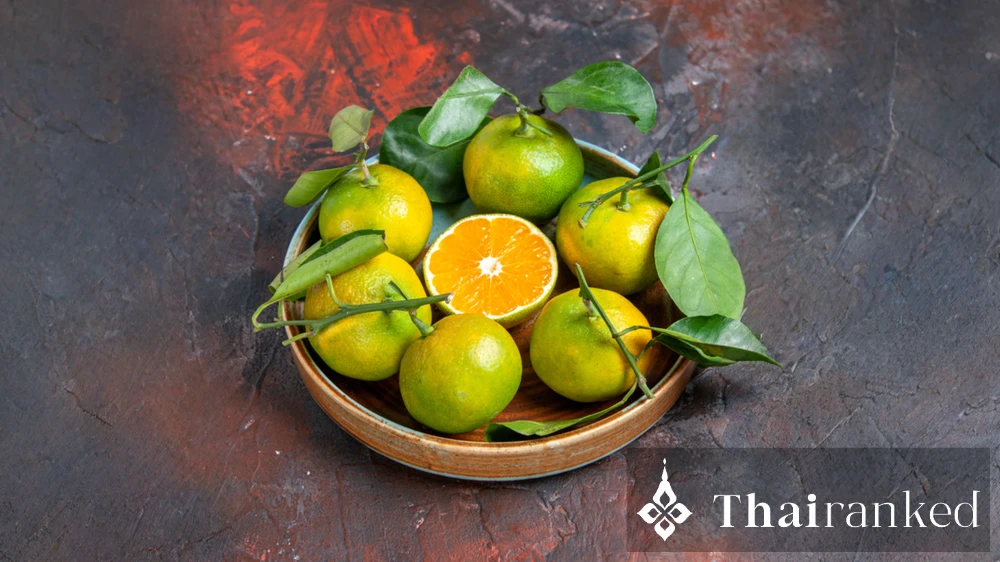
Sweet, intensely aromatic tangerines, especially the Keow Wan type, are abundant through February. The best fruits feel heavy for their size, with thin, easy-to-peel skin and a fragrant oil when you press a segment. Northern orchards around Chiang Rai and Chiang Mai are famous for their citrus. Eat them fresh, juice them for breakfast, or slice into salads with mint and roasted peanuts. You’ll sometimes find green-skinned fruits that are fully ripe inside, a Thai hallmark that surprises newcomers. Store at room temperature for flavor, or chill for a snappier bite. A small pinch of salt can enhance the sweetness and balance acidity.
Essential Information
Chiang Rai & Chiang Mai
6. Thai Jujube (Phutsa)
The crisp, snackable “Thai apple”
Highlight
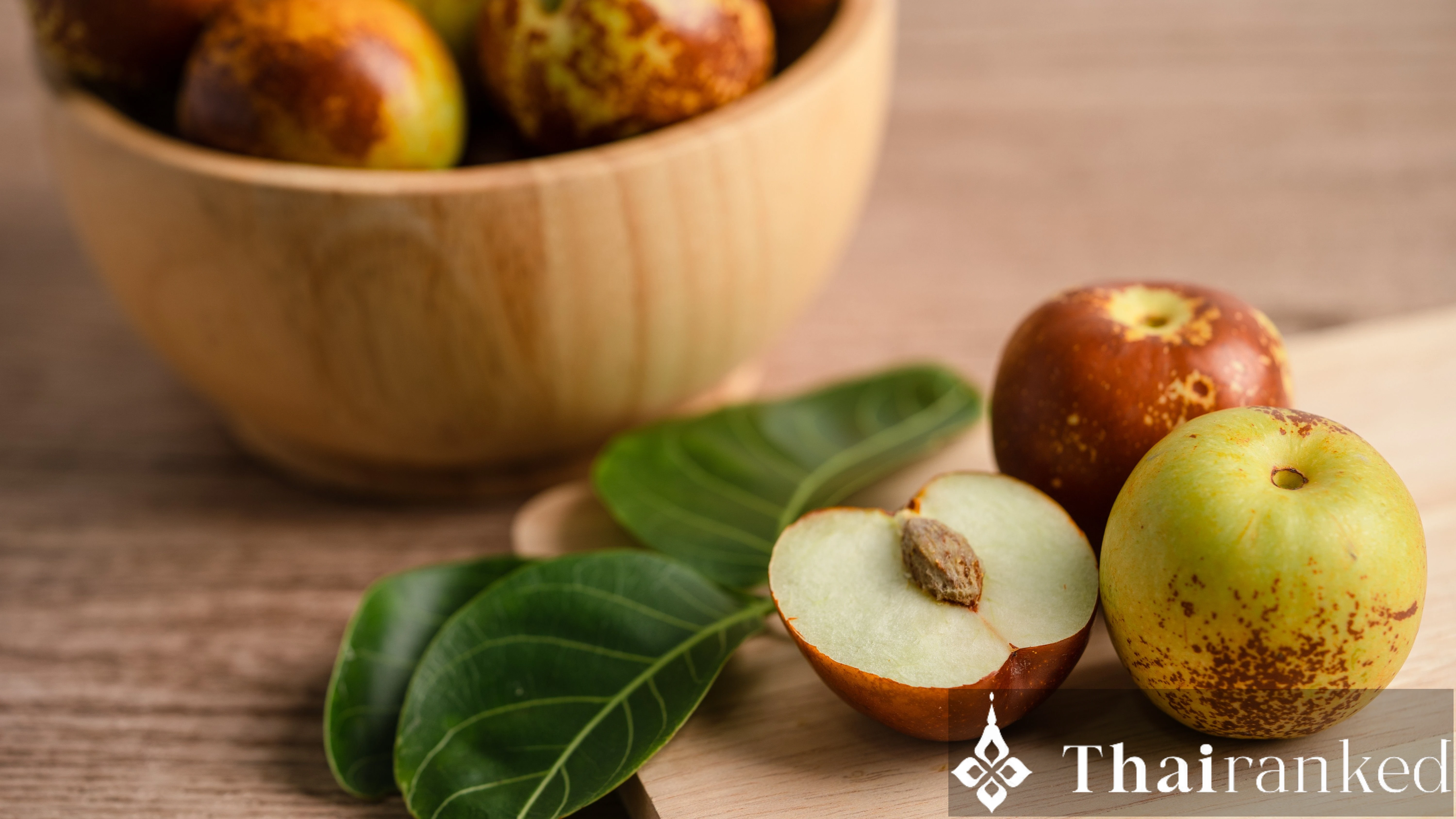
Often nicknamed the Thai apple, jujube has crisp, snappy flesh and a mellow sweetness that deepens as the skin shifts from green to light brown. February sits within its peak window, making it an ideal time to try. Choose firm fruit without blemishes; softer ones are better for stewing or juicing. Snack on slices with chili-sugar for a nostalgic street treat, or dice into a limey, fish-sauce–kissed fruit salad for crunch. Jujube travels well, so it’s a great market pick for road trips. Central Thailand produces much of the supply, and you’ll find it piled high next to guava and rose apples on morning carts.
Essential Information
Central Thailand
7. Dragon Fruit (Kaew Mangkon)
Vivid, hydrating, and traveler-friendly
Highlight
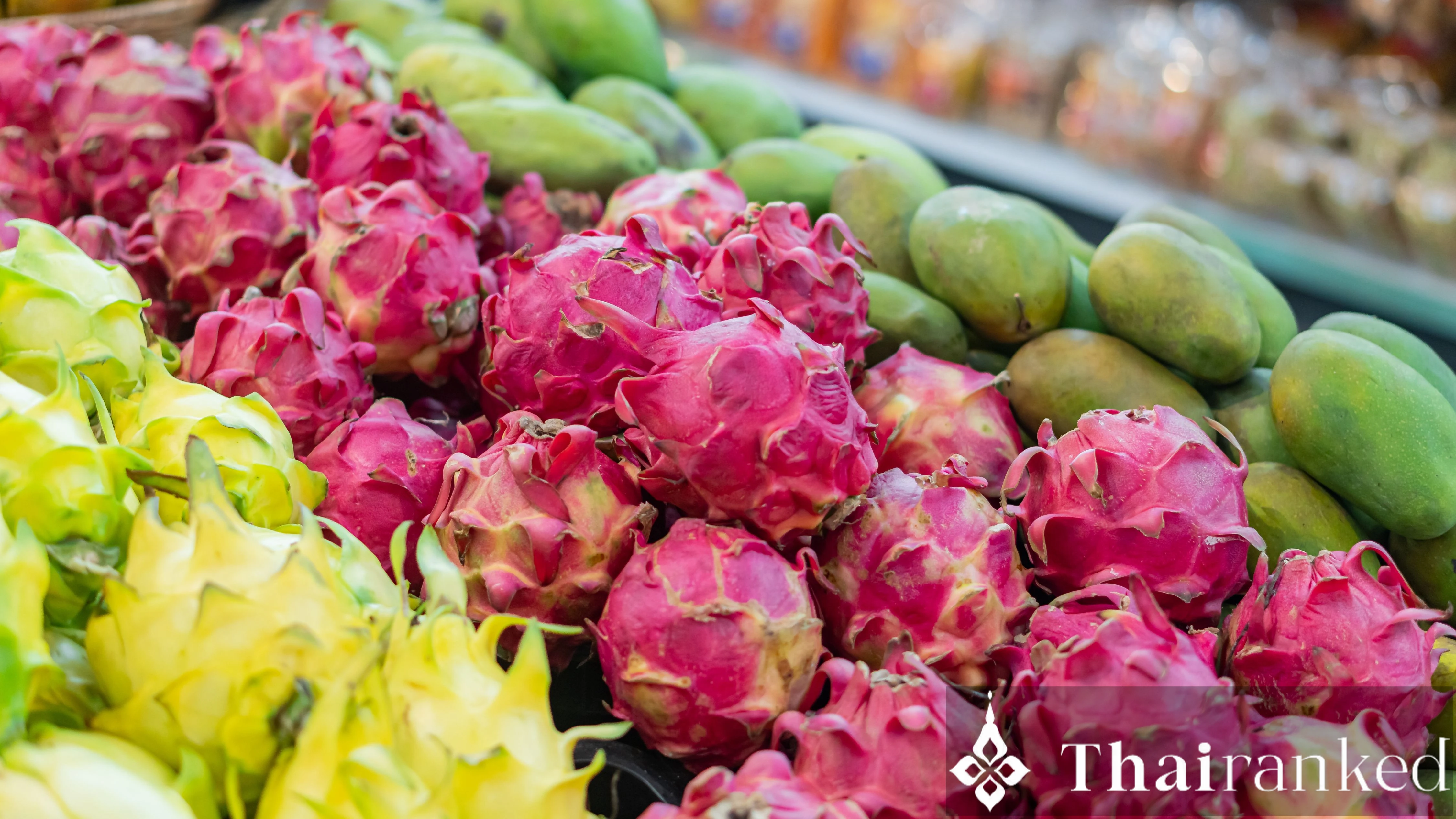
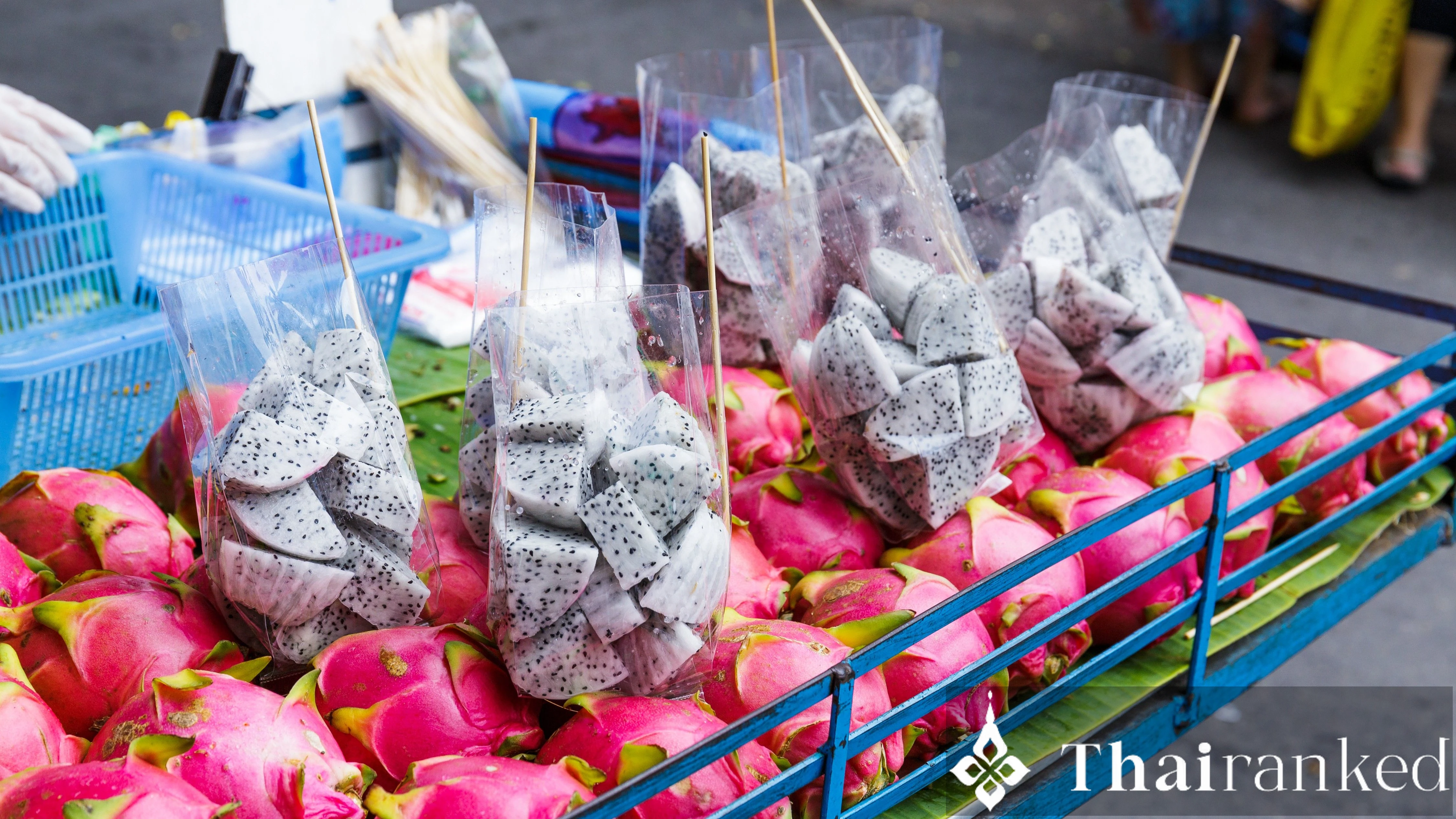
With its neon scales and speckled flesh, dragon fruit is a Thai market staple that shines in the cool-dry months. Red-fleshed varieties tend to be sweeter, while white-fleshed ones are milder and extra refreshing. For the best texture, look for evenly colored skin with flexible, green-tipped bracts and a gentle softness when pressed. Eat it chilled with a squeeze of lime, toss cubes into fruit salad, or blend into a vivid smoothie bowl. It’s low-mess and high-hydration, ideal for travelers. Farms in the central and western provinces supply most markets, and February often delivers clean flavors and a pleasant, pear-like crunch.
Essential Information
Central & Western Thailand
8. Pomelo (Som O)
Big citrus with delicate, perfume-laced sweetness
Highlight
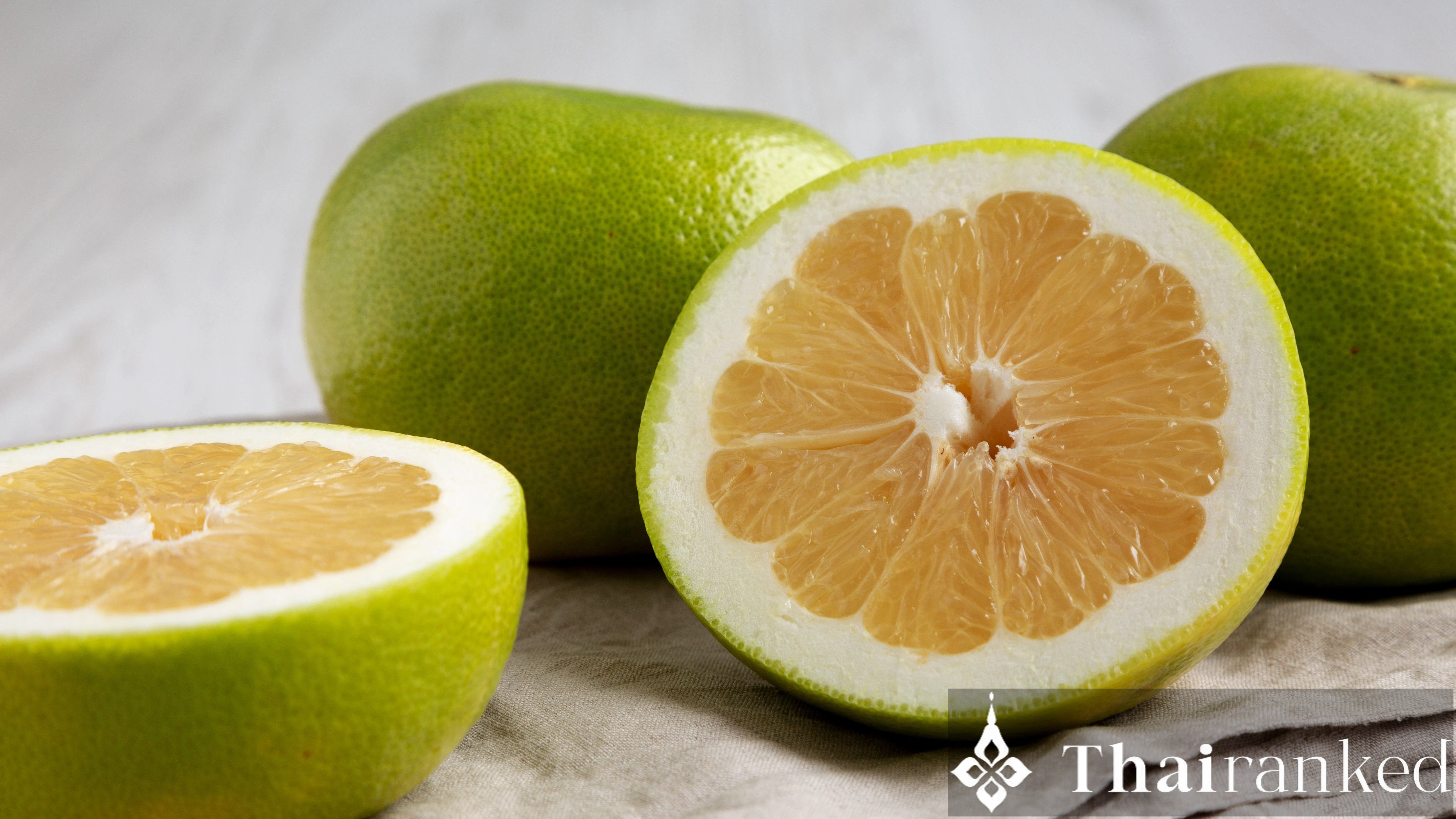
Thailand’s pomelos are famous for their balance of sweet and tart, and while many regions peak later in the year, February still brings excellent fruit from select orchards. Choose a heavy pomelo with a springy rind and a floral aroma at the stem end. Varieties like Khao Nam Phueng and Thong Dee yield juicy, pleasantly bitter-sweet vesicles. Peel and segment carefully, then sprinkle with a mix of salt, sugar, and chili for a classic Thai flavor boost. Pomelo also stars in yam som o, a coconut-and-shrimp salad that’s zesty and elegant. Keep whole fruits at room temperature; segment and refrigerate for a quick, cooling snack.
Essential Information
Nakhon Pathom & Central orchards
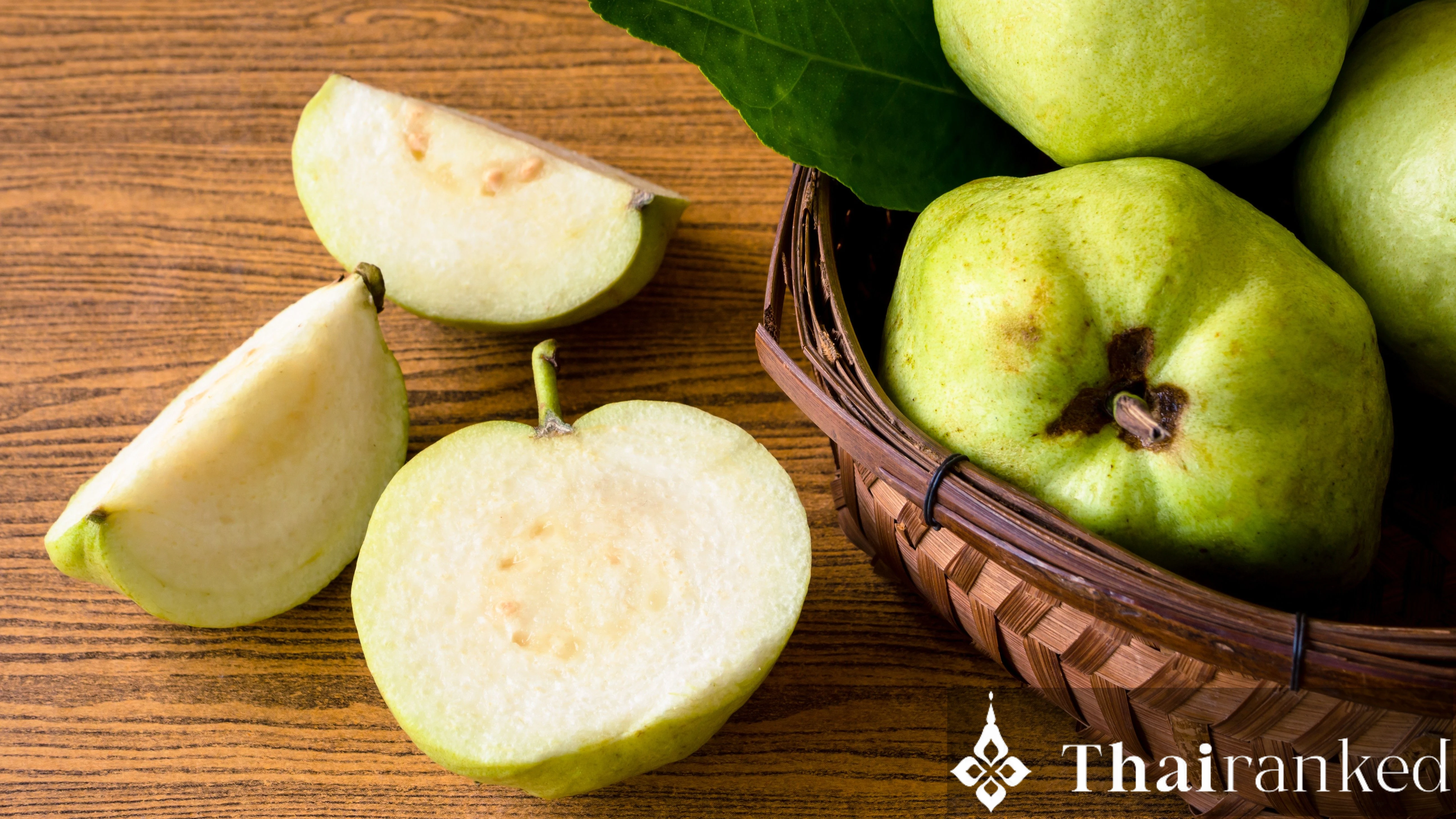
9. Guava (Farang)
Ultra-crisp, mild, and perfect with chili-salt
Highlight
Available nearly year-round but especially good in the cool season, Thai guava is all about crunch. The best fruits feel firm and heavy, with a fresh, green aroma and unblemished skin. Inside, expect pale, crisp flesh with mild sweetness that pairs perfectly with salty-sweet chili dip. Vendors often sprinkle guava slices with prik kab kleua, a chili-sugar-salt mix that wakes up the flavor and adds addictive texture. Try it in a tangy som tam-style fruit salad for an easy street-food homage. Guava travels well, resists bruising, and stores for days in the fridge, making it a practical market buy for busy travelers.
Essential Information
Nationwide
How to shop and enjoy Thai fruit in February
February rewards early birds. Visit morning markets for the freshest picks and better prices, ask vendors for a sample, and choose fruit by scent and weight. For marian plums, look for a golden blush and a gentle give; for rose apples, go for glossy skin and light weight; for grapes, pick firm, bloom-dusted clusters. Keep it simple when eating: dip crunchy fruit like guava and rose apple in chili-sugar, chill grapes before snacking, and pair citrus with a pinch of salt to amplify sweetness.
If you’re traveling north for cool-season blooms, you can time your fruit hunt with scenic photo stops, like Chiang Mai’s Thai sakura viewpoints in late January to early February, which we cover in where to see Thai sakura in Chiang Mai. And if marian plums have you curious, get the backstory and tasting tips in our quick explainer on Ma-Yong-Chid. With these picks and tips, you’ll eat like a local all month long.
by Nam Thairanked
I love traveling and eating Thai food.
What people ask about
"Thai Fruits Calendar: Best Seasonal Fruits in February"
Here you will find answer to the most popular questions.