The Expat’s Guide to Attending a Traditional Thai Wedding
April 17, 2026 07:49 AM
Laatst bewerkt: April 20, 2026

by Thairanked Guide
Thairanked helps you discover great places in Thailand!
Zoek hotels & vluchten
Gerelateerde inzichten
Understanding Traditional Thai Weddings: A Primer for Expats
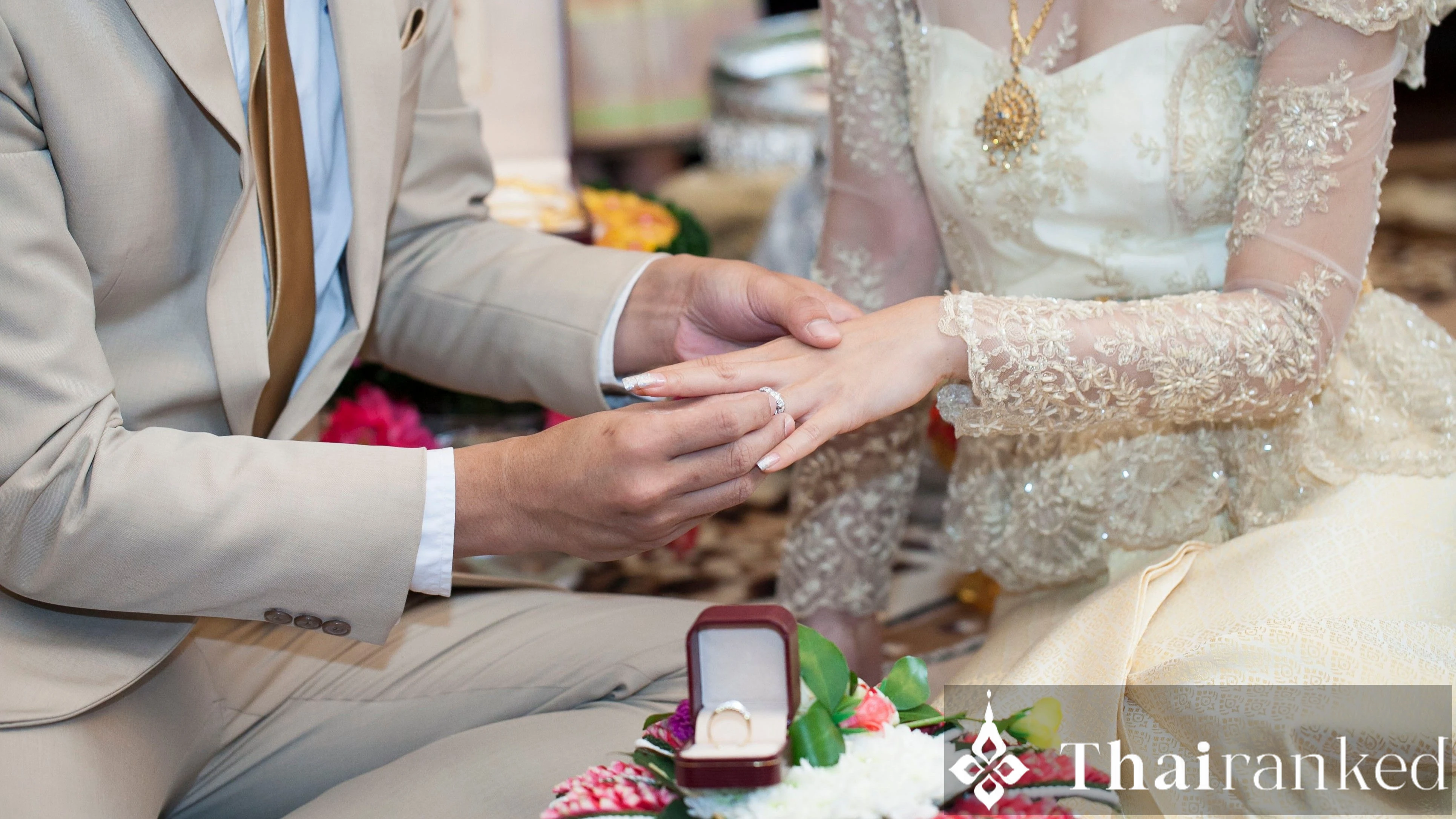
Attending a traditional Thai wedding can feel both exciting and a little intimidating for expats or first-time visitors to Thailand. The colorful rituals, Buddhist blessings, and community celebrations set Thai weddings apart from Western ceremonies. Whether you’re a friend, coworker, or new family member, learning the basics helps you join in respectfully and enjoy every moment.
Buddhist Ceremonies and Cultural Blending
Modern Thai weddings often blend Buddhist and local traditions, sometimes with Western elements added for good measure. The main events take place over one long day or stretch across two. Thai ceremonies usually start in the early morning, with Buddhist monks invited to bless the couple. This leads into the Khan Maak procession, where the groom and his party make their way to the bride’s house, often with music, dancers, or even playful hurdles set by the bridal party.
In cities like Bangkok or Chiang Mai, many families host more streamlined events in hotels or event halls. However, you’ll still notice traditions like the water pouring ceremony (Rod Nam Sang) or the thread-tying blessing. You can read more about regional celebrations in our Chiang Mai Travel Guide.
Dress Code: What to Wear to a Thai Wedding
Thai weddings call for modest, festive attire with some specific dos and don’ts:
- Avoid Black: Black is linked to funerals, so steer clear of black suits or dresses unless you see guests or the family wearing them.
- Colors Matter: Soft pastels, light golds, and elegant floral prints suit most Thai schemes. Some invitations will note a preferred color theme.
- Cover Shoulders and Knees: Especially at ceremonies involving monks, cover shoulders and wear longer dresses or trousers. Men should opt for a collared shirt and slacks.
- No Flip-Flops or Shorts: Even if the wedding has a casual garden vibe, choose smart shoes or sandals.
If the schedule includes a Western-style evening party, feel free to wear a suit or cocktail dress.
Gift-Giving Etiquette: What Should Expats Bring?
Thai wedding gifts usually involve cash in a decorative envelope, handed to the couple at a clearly marked reception table or as part of the Rod Nam Sang ceremony. You’ll often see a list with names and amounts, kept discreetly, since the cash is intended to help the couple start their married life and cover event costs. As an expat, bring an amount you feel comfortable with (1,000–3,000 baht is common, or more if you are very close to the couple). Gifts from overseas or something sentimental from your home country also make thoughtful additions.
If you want more tips on local gifting culture or party etiquette, our guide to Thai New Year taboos covers essential gifting do’s and don’ts.
The Flow of a Thai Wedding Day
The typical schedule follows a set pattern, though each family personalizes the experience:
- Buddhist Blessing and Alms Giving: Monks chant blessings while the couple presents food and offerings. Guests usually arrive after dawn for this part, though sometimes only close family attends.
- Khan Maak Procession: In more traditional families, the groom’s party makes a lively entrance with music and gifts, "negotiating" playful challenges posed by the bride’s side.
- Rod Nam Sang Ceremony: Close family and honored guests pour sacred water over the couple’s hands, offering blessings for their union.
- Thread-Tying and Well Wishes: Elders may tie white threads (sai sin) around the bride and groom’s wrists, symbolizing luck and connection.
- Wedding Banquet: Celebrate together with Thai specialties, speeches, and the all-important group photos. In Bangkok, banquets can be lavish affairs with several hundred guests, while countryside gatherings aim for a homey, community feel. For dining inspiration, check our picks for Bangkok’s most romantic restaurants if you want to treat your Thai friends in return.
Etiquette and Role of the Expat Guest
Thai weddings are warm and inclusive, but guests are expected to show respect for traditions. Keep these tips in mind:
- Wait for cues and follow the crowd during ceremonies.
- Show extra respect during the monks’ presence. Remain seated, lower your head, and avoid physical contact as a mark of respect.
- Don’t stand during Buddhist blessings unless invited.
- Step out of photo frames where family-only shots take place.
- Join in group activities, games, and dancing in the evening. Participation is always appreciated.
If invited to help with preparations or “gate” games, embrace the fun. These games lighten the mood and make the groom work for his new bride. Capture moments, but keep phones on silent and avoid flash photography in temples or during monk blessings unless you see others doing so.
Food and Drink: What to Expect
Food stands at the heart of Thai wedding hospitality. Family-style dining with rice, curries, grilled meats, and seafood fills tables. Buffets have grown popular in hotels. Alcohol flows at most evening banquets, but drinking isn’t always expected. If the bride or groom’s family has Chinese or Muslim roots, be mindful of specific dietary traditions; if in doubt, ask discreetly.
Trying classic Thai wedding dishes provides a window into regional flavors. Grilled chicken, nam prik, green curry, and sticky rice sweets usually appear. After the formalities, enjoy the relaxed party atmosphere. Curious about what makes Thai celebrations unique? Dive into our street food vs. fine dining guide for cultural context.
Photos, Social Media, and Privacy
Before posting photos, check if the couple has set preferences. Some request a social media blackout, while others share hashtags for group albums. When in doubt, share privately first. Always ask permission before tagging elders or religious figures.
Common Mistakes Expats Should Avoid
- Wearing black or funeral colors
- Turning up late, arrive before published times for the start of ceremonies
- Bringing children unannounced (check with the hosts in advance)
- “Out-gifting” the norm, stick to standard cash gifts unless very close
- Not removing shoes if entering a home or temple area
Regional Differences and Modern Twists
Weddings in Northern Thailand spotlight local Lanna traditions, like umbrella processions and khan tok dining. In the south, ceremonies may incorporate regional foods or Muslim customs. In central Thailand and Bangkok, Western touches like cake cutting or studio photography sometimes blend with tradition. Explore our full cultural and festival history to understand why these blends happen.
Final Thoughts: Embrace, Respect, Enjoy
Thousands of Thai couples marry each year with ceremonies rooted in family and faith, but open-minded to expats joining the fun. Bring an open heart, a bright smile, and a willingness to learn as you help your friends celebrate this major life moment. Share in the laughter and take in the spectacle, you’ll walk away with some of the warmest memories from your life in Thailand.
Key takeaways
- Dress modestly, avoiding black and revealing clothes
- Bring a cash gift in an envelope
- Arrive early and follow ceremony cues
- Show respect during Buddhist blessings and family traditions
- Enjoy diverse Thai dishes and the evening party
- Ask about sharing photos before posting publicly
- Embrace both tradition and playfulness, Thai weddings are for everyone!
by Thairanked Guide
Thairanked helps you discover great places in Thailand!
Zoek hotels & vluchten
Gerelateerde inzichten

Ervaar Songkran 2026 in Chonburi en Pattaya de hele maand. Data, districten en tips voor Thailand's natste en wildste festival seizoen.

Ontdek waarom Thaise chauffeurs toeteren bij bepaalde bochten en heiligdommen, de oorsprongen van deze verkeerssuperstitie en hoe oude geloven de snelwegen van Thailand beïnvloeden.
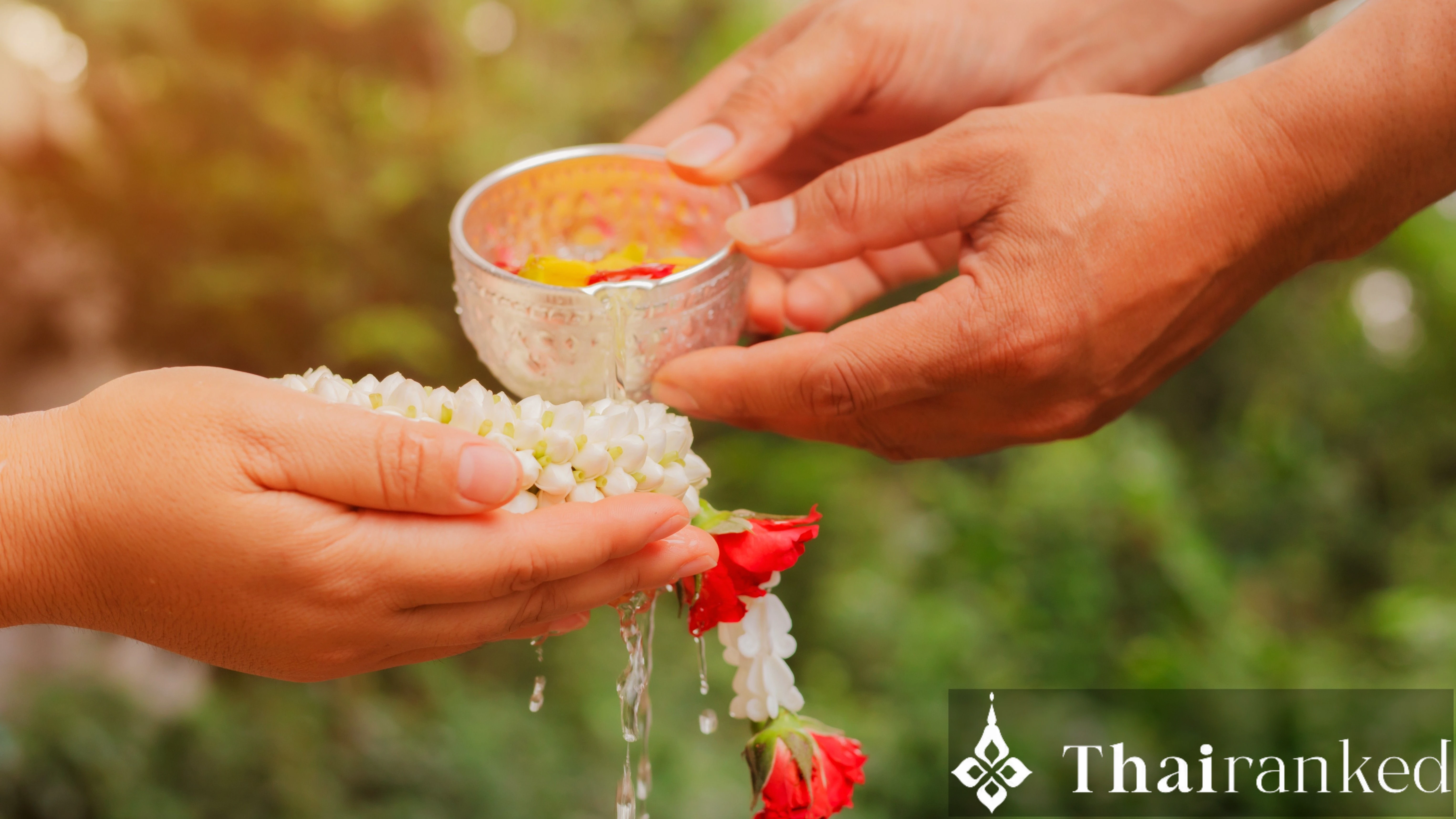
Ontdek hoe je Songkran op de traditionele manier kunt vieren: Boeddhistische zegeningen, het maken van verdienste en gebruiken, zonder watergevechten!
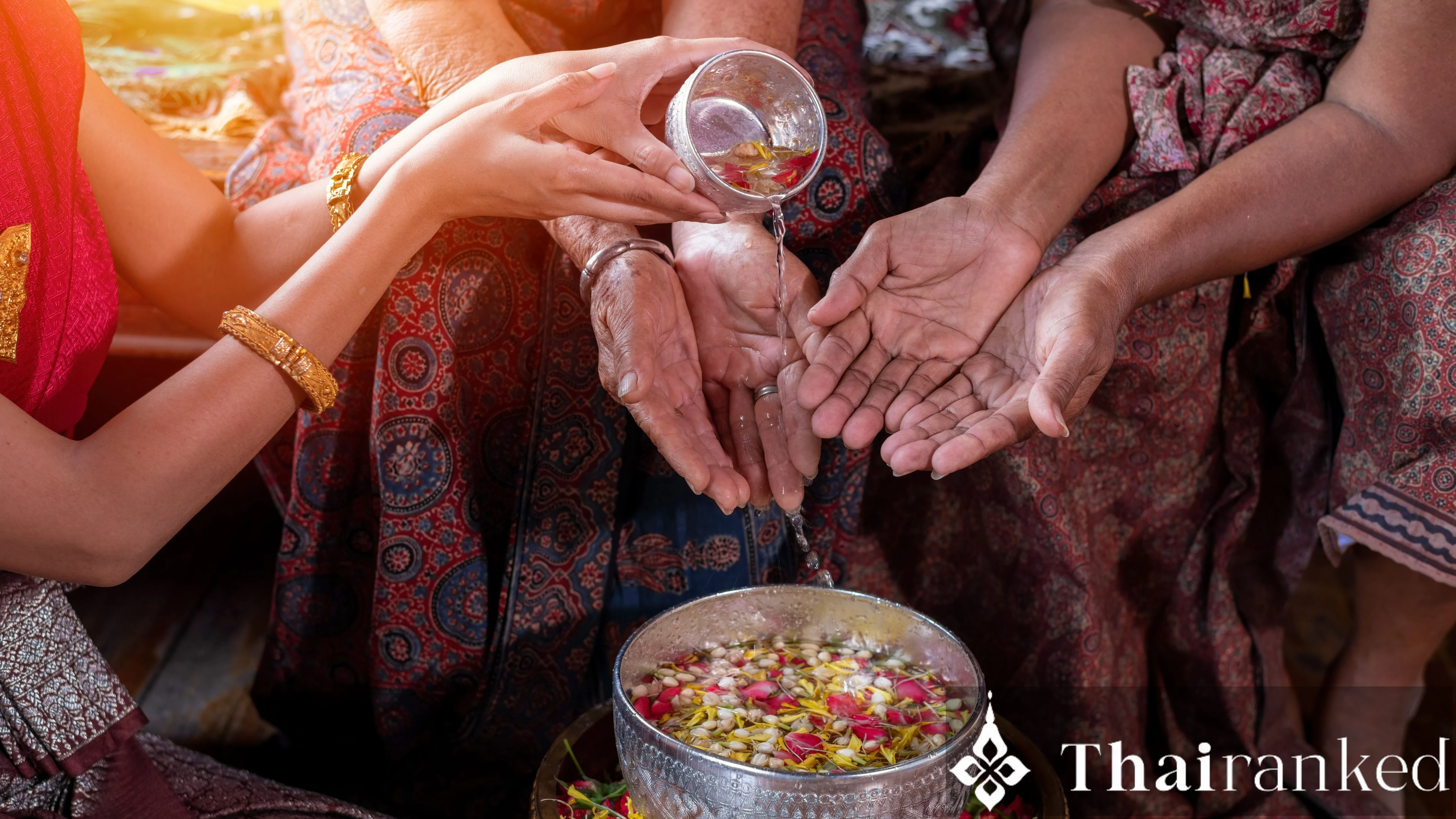
Ontdek de ware geschiedenis van Songkran, het Thais nieuwjaar. Ontdek de oorsprongen, rituelen en de diepe betekenis achter al het spetterende water.
Blijf respectvol en koel tijdens bezoeken aan tempels in Bangkok. Leer praktische tips voor bescheiden kleding die je helpen om de verzengende dagen in de stad door te komen.
Waar mensen naar vragen over
"The Expat’s Guide to Attending a Traditional Thai Wedding"
Hier vind je antwoorden op de meest populaire vragen over Thailand.