थाईलैंड में लेडीबॉय इतनी स्पष्ट और स्वीकार किए गए क्यों है?
February 04, 2026 04:25 AM
अंतिम संपादन: April 30, 2026

by Thairanked Guide
Thairanked helps you discover great places in Thailand!
होटल और उड़ानें खोजें
थाईलैंड में लेडीबॉय: थाईलैंड की अद्वितीय लिंग स्थिति
थाईलैंड में कदम रखते ही आपको थाई समाज का एक जीवंत भाग नजर आएगा: काथोए जनसंख्या, जिसे इंग्लिश में अक्सर "लेडीबॉय" कहा जाता है। आप काथोए को हर जगह काम करते हुए देखेंगे, जैसे कि ब्यूटी सैलून, हाई-एंड बुटिक्स, बैंक्स, अस्पताल, टीवी स्क्रीन और कॉर्पोरेट बोर्डरूम। उनकी दृश्यता और सामाजिक स्वीकृति नए प्रवेशियों को हैरान करती है, जिससे रोज़मर्रा के थाई जीवन में उनकी प्रमुखता और आधुनिक थाईलैंड में सच्ची स्वीकृति का अर्थ क्या है, इस पर सवाल उठते हैं।
थाईलैंड में काथोए: थाई शब्दावली और बारीकियां
थाई शब्द "काथोए" (กะเทย) उन लोगों को संदर्भित करता है जिन्हें जन्म के समय पुरुष के रूप में निर्धारित किया गया था लेकिन वे महिला के रूप में प्रस्तुत होते हैं। यह शब्द "ट्रांसजेंडर महिलाओं" और "ड्रैग प्रदर्शनकारियों" के बीच आता है, लेकिन थाई लिंग श्रेणियों में गहरे स्तर होते हैं। अधिकांश काथोए अब खुद को ट्रांसजेंडर महिलाओं के रूप में पहचानते हैं। अन्य ऐसे शब्दों का उपयोग कर सकते हैं जैसे “साओ प्रपेट सॉन्ग” (दूसरी प्रकार की महिला) या “फुयिंग” (महिला)।
अंग्रेजी बोलने वाले कभी-कभी "लेडीबॉय" का उपयोग करते हैं, लेकिन थाईलैंड में संदर्भ और सम्मान का महत्व होता है। अधिकांश लोग "काथोए" शब्द को दोस्ताना स्वर के साथ पसंद करते हैं या अपनी स्वीकृत लिंग पहचान पसंद करते हैं। यह जानने के लिए कि भाषा और नामों के बारे में और क्या है, आपका थाई मित्र बीयर, गोल्फ, या पैनकेक क्यों नामित है? पढ़ें।
काथोए काम पर: नर्सेस, बैंकर्स, और अधिक
हालांकि कई स्थानों पर ट्रांसजेंडर कामकाजी लोगों को कलंकित किया जाता है, थाईलैंड में काथोए सहकर्मियों को जीवन का एक सामान्य हिस्सा माना जाता है। आप काथोए को क्षेत्रों में देखेंगे जैसे:
- स्वास्थ्य देखभाल: नर्स, अस्पताल का स्टाफ, या ब्यूटी क्लिनिक।
- वित्तीय सेवाएं: बैंकर्स, टेलर्स, और ग्राहक सेवा पेशेवर।
- रिटेल और बिक्री: फैशन बुटीक, शॉपिंग मॉल, और कॉस्मेटिक काउंटर।
- मनोरंजन: अभिनेता, मॉडल, पॉप गायक, और प्राइमटाइम टीवी मेज़बान।
- सेवा उद्योग: होटल, रेस्तरां, स्पा, और एयरलाइंस।
यह विविधता वास्तविक अवसर को दर्शाती है। कई थाई लोगों के लिए, दृश्यता सामान्य है, और यह सामाजिक ताने-बाने का हिस्सा है। बैंकॉक में रोज़मर्रा के जीवन पर गहरी नज़र डालने के लिए, हमारी बैंकॉक यात्रा गाइड पर जाएं।
स्वीकृति की जड़ों: थाई और दक्षिण पूर्व एशियाई लिंग परंपराएं
दक्षिण पूर्व एशिया के कई हिस्सों में, तीसरे लिंग और नॉनबाइनरी भूमिकाओं ने लंबे समय तक सार्वजनिक स्थान रखा है। जबकि कुछ पश्चिमी समाजों ने लिंग गैर-आकर्षण को रोगात्मक माना, थाई लोग काथोए और ट्रांस लोगों को मनोरंजन, आध्यात्मिक कार्य, या ब्यूटी इंडस्ट्री जैसी जगहों में देख रहे थे।
असमानता और भेदभाव अभी भी बनी हुई है। फिर भी, बौद्ध धर्म और एनिमिज़्म से आकार लिया गया एक विरासत, लिंग और कर्म के प्रति लचीले दृष्टिकोण के साथ, एक सहिष्णु समाज का निर्माण करती है। थाई दृष्टिकोण “क्रेंग जई”, जिसे अनादर नहीं करना चाहते हैं, इस वातावरण में योगदान देता है। "क्रेंग जई" और शिष्टता की अवधारणा के बारे में अधिक जानने के लिए, हमारी गाइड पर जाएं.
आधुनिक दृश्यता और स्वीकृति: रोज़मर्रा का जीवन और कानूनी सीमाएं
यात्री थाई खुलापन को आदर्श मान सकते हैं। जबकि काथोए रोजाना की दृश्यता का आनंद लेते हैं और आप सभी जीवन क्षेत्रों में ट्रांसजेंडर महिलाओं से मिलेंगे, कुछ बारीकियां हैं जिन्हें आपको जानना चाहिए:
- सामाजिक स्वीकृति: अधिकांश थाई काथोए को समाज का एक नियमित हिस्सा मानते हैं। खुला भेदभाव कुछ देशों की तुलना में कम आम है।
- कानूनी बाधाएं: थाई कानून ट्रांसजेंडर लोगों को आधिकारिक दस्तावेज़ों पर अपने लिंग मार्कर को बदलने की अनुमति नहीं देता।
- परिवार और परंपरा: पारिवारिक स्वीकृति भिन्न होती है, खासकर ग्रामीण इलाकों में। शहरी थाई अक्सर अधिक स्वीकार करते हैं।
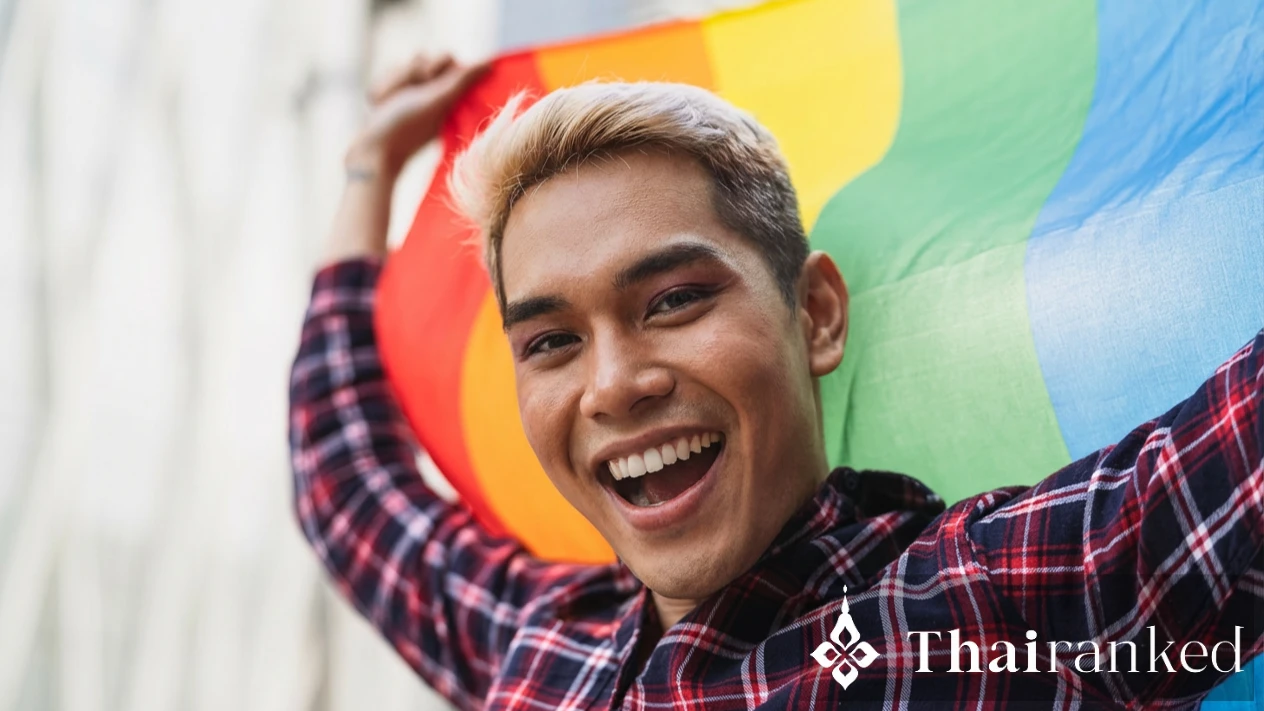
- LGBTQ+ प्रगति: विवाह समानता बहस और हाई-प्रोफाइल प्राइड इवेंट्स जैसे विधायी प्रयास वास्तविक प्रगति को दिखाते हैं (LGBTQ+ इवेंट कैलेंडर देखें).
कार्यस्थल स्वीकृति शहरी व्यापार और पर्यटन जैसे क्षेत्रों में फलती-फूलती है। अंतरराष्ट्रीय मेहमानों की सेवा करने वाली कंपनियां अक्सर अपने काथोए स्टाफ को प्रमुखता देती हैं, शैली, प्रतिभा, और आत्मविश्वास का जश्न मनाते हैं। सौंदर्य, मनोरंजन और आतिथ्य में, काथोए ट्रेंडसेटर और आइकन बन गए हैं। बैंकॉक की रात की जिंदगी और संस्कृति का आनंद लेने के तरीकों के लिए, हमारी थोंग लोर्स बार गाइड और शीर्ष बैंकॉक संग्रहालय देखें।
कैबरे से कॉर्पोरेट तक: कलंक में बदलाव
यात्री अक्सर पहली बार पत्ताया या फुकेत के कैबरे शो में काथोए को देखते हैं। आजकल काथोए नए भूमिकाओं में उद्यमियों, राजनीति, या कार्यकारी के रूप में शामिल हैं। कुछ ने सौंदर्य रानी का ताज हासिल किया है, फलते-फूलते व्यवसाय शुरू किए हैं, और LGBTQ+ अधिकारों को आगे बढ़ाया है। यदि सॉन्गक्रान या बड़े त्योहारों में आपको थाईलैंड लाते हैं, तो देखें कि सार्वजनिक उत्सवों के दौरान LGBTQ+ दृश्यता कैसे बढ़ती है हमारे थाई त्योहार गाइड में।
रोज़मर्रा का जीवन: शहरी संस्कृति और आराम
दैनिक दृश्यों में काथोए की मौजूदगी, बैंकों, सुपरमार्केटों, और टीवी पर, थाई शहर के जीवन को आकार देती है। एक्सपैट्स और यात्रियों को अक्सर ट्रांसजेंडर महिलाओं के साथ काम करने, दोस्ती करने, या सेवाएं प्राप्त करने का अनुभव होता है। लेबल अच्छे शिष्टाचार, सम्मान, और “सानुक,” मजेदार भावना के पीछे धुंधले पड़ जाते हैं। समकालीन थाई जीवन की खोज के लिए, हमारे थाई स्ट्रीट फूड गाइड पर ब्राउज़ करें या देखें क्यों बैंकॉक डिजिटल नॉमैड्स को आकर्षित करता है.
यदि आप शहर के अनुभवों के बारे में उत्सुक हैं, तो Get Your Guide - Bangkok पर अद्वितीय गतिविधियों की जांच करें।
थाईलैंड का रास्ता: सहिष्णुता से समानता की ओर?
जैसे-जैसे थाईलैंड आधुनिकीकरण की ओर बढ़ता है, कानूनी अधिकार सामाजिक वास्तविकताओं के साथ तालमेल बैठा रहे हैं। संसद विवाह समानता पर बहस कर रही है, सार्वजनिक हस्तियां ट्रांसजेंडर पहचान साझा कर रही हैं, और काथोए संगठन एंटी-डिस्क्रिमिनेशन कानूनों के लिए दबाव बना रहे हैं। सांस्कृतिक जलवायु बढ़ती समावेशिता का समर्थन करती है।
यात्री और एक्सपैट्स थाई लिंग विविधता के बारे में सम्मान और देखभाल के साथ सवाल पूछ सकते हैं। थाईलैंड का खुला शहरी समाज भिन्नता का स्वागत करता है, जिससे यह LGBTQ+ आराम में एक नेता बन जाता है।
मुख्य निष्कर्ष
- “लेडीबॉय” (काथोए) थाईलैंड में एक परिचित, स्वीकृत उपस्थिति बनी हुई है।
- ट्रांसजेंडर महिलाएं बैंकर्स, नर्सों, मनोरंजनकर्ताओं, और अन्य पेशेवरों के रूप में खुले तौर पर काम करती हैं।
- संस्कृतिक स्वीकृति मजबूत बनी हुई है, लेकिन कुछ कानूनी और पारिवारिक चुनौतियों का सामना करना पड़ता है।
- थाईलैंड की लिंग समझ गहरी इतिहास और बौद्ध दर्शन से निकली है।
- देश LGBTQ+ समानता की ओर, कभी-कभी धीमी गति से, बढ़ रहा है।
होटल और उड़ानें खोजें
संबंधित ब्लॉग
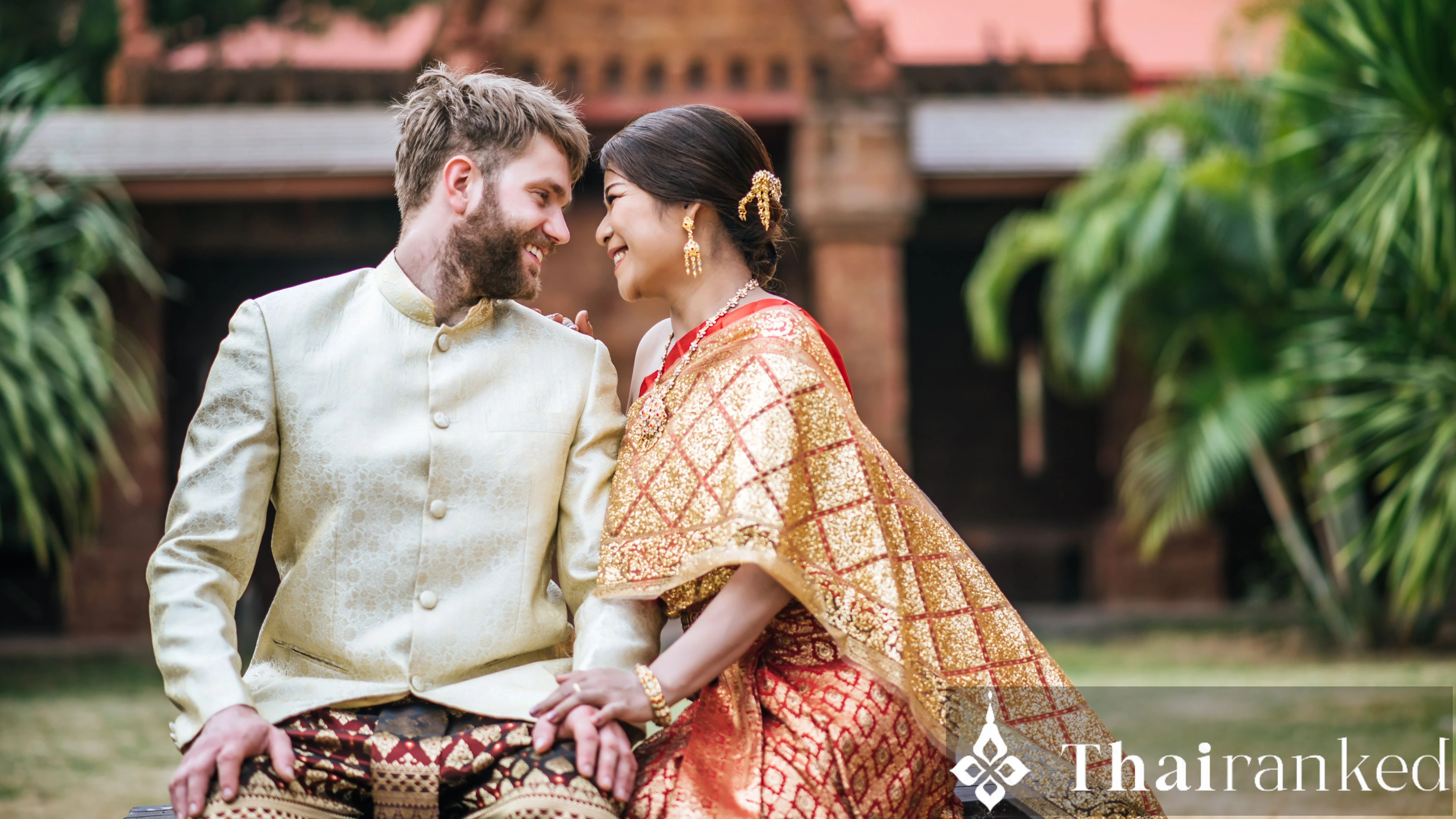
थाई नागरिकों से शादी करने वाले विदेशियों के लिए स्पष्ट, अद्यतन निर्देश। दस्तावेज़, कानूनी कदम, और थाईलैंड में अपनी शादी को पंजीकृत करने के लिए व्यावहारिक सुझावों को समझें।

थाईलैंड में IMAX, ScreenX, और 4DX की तुलना करें। जानें कि प्रत्येक फॉर्मेट स्क्रीन, साउंड, मोशन, और सुगंध को कैसे संभालता है, और अपनी अगली मूवी रात के लिए सबसे अच्छा सिनेमा अनुभव चुनें।
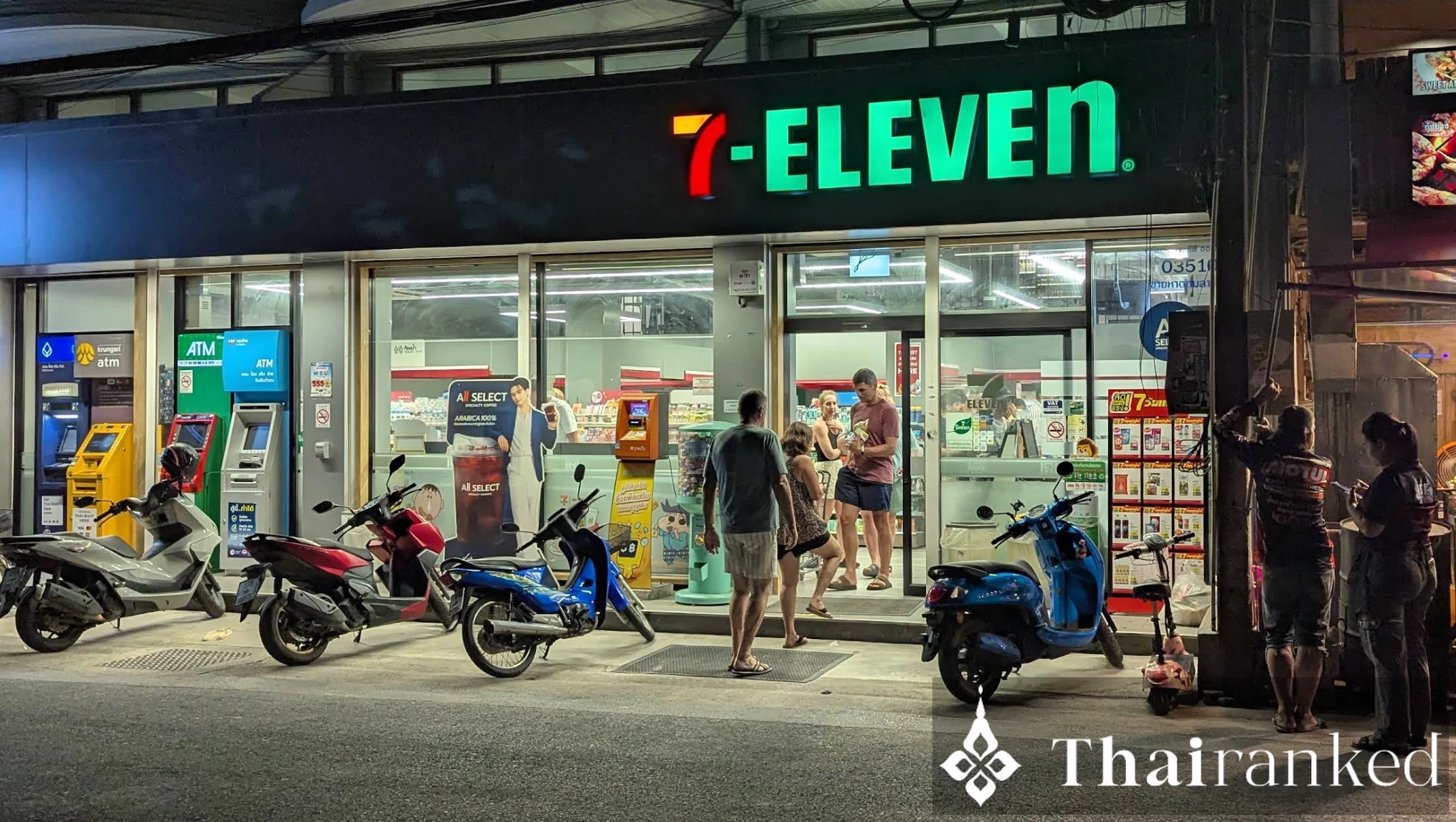
जानें कि 7-Eleven थाईलैंड में CP All की रणनीति, शहरी सुविधा, स्थानीय मांग और नवोन्मेषी दैनिक सेवाओं के माध्यम से कैसे हावी है।
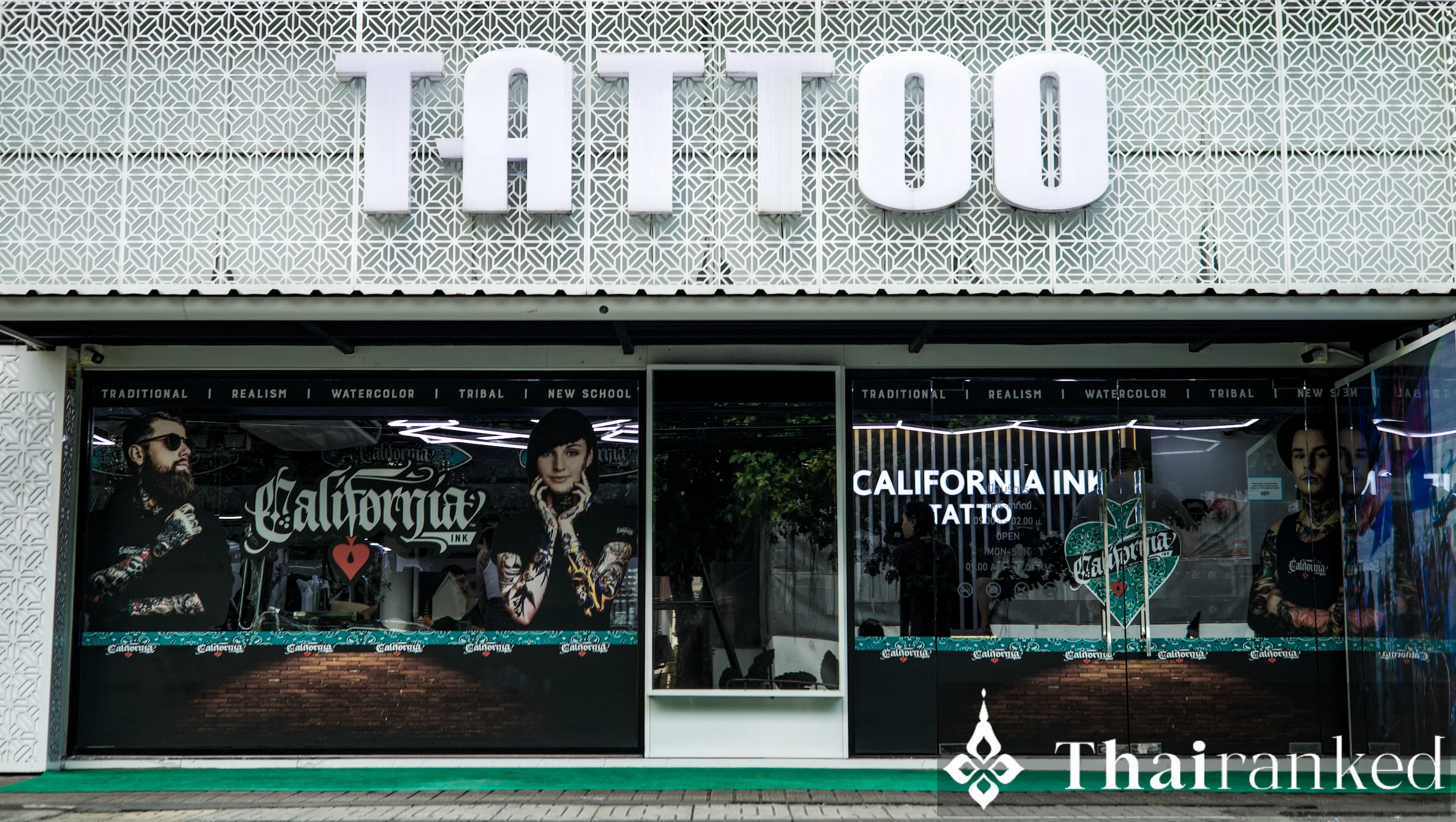
थाईलैंड में टैटू कराने की योजना बना रहे हैं? कलाकारों, स्वच्छता, मूल्य निर्धारण और बाद की देखभाल पर विशेषज्ञ टिप्स के साथ सही टैटू स्टूडियो कैसे चुनें, जानें।
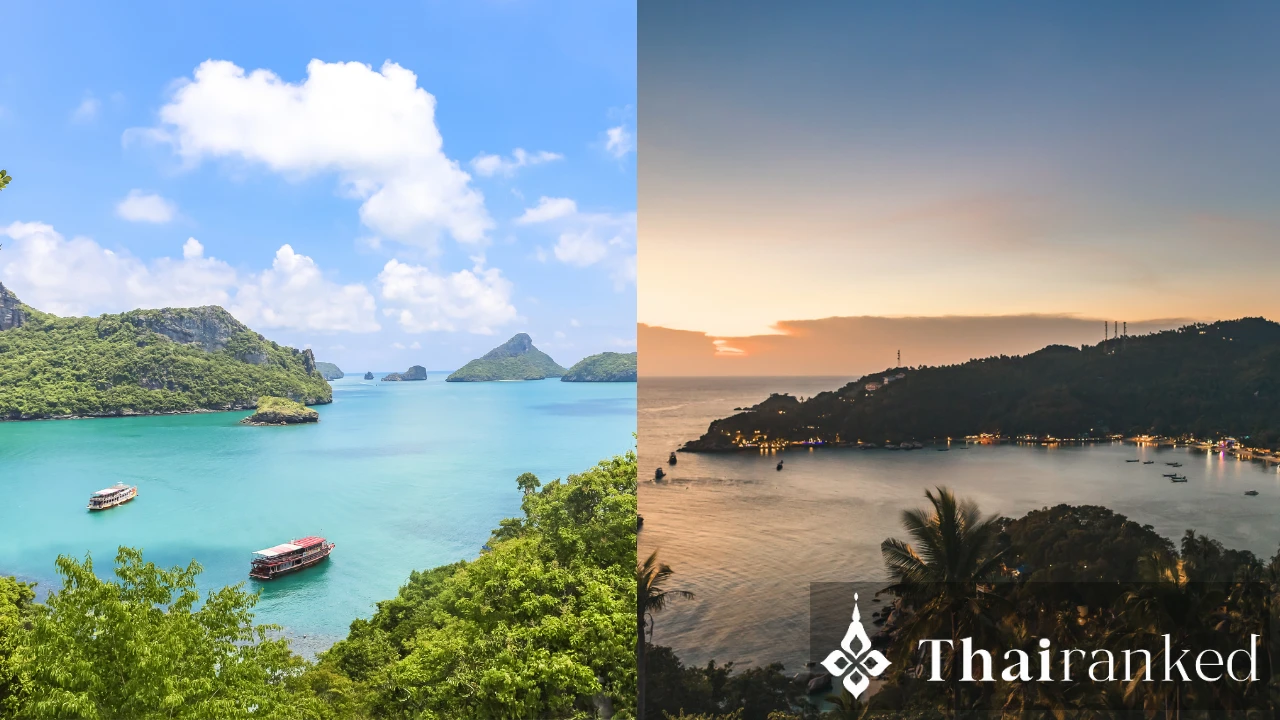
कोह समुई और कोह फांनग की तुलना करें समुद्र तट, नाइटलाइफ़, लागत, परिवहन और परिवार के अनुकूल विकल्पों के लिए। यात्रा करने वालों, जोड़ों और डिजिटल नोमाड्स के लिए टिप्स।
लोग इसके बारे में क्या पूछते हैं
"थाईलैंड में लेडीबॉय इतनी स्पष्ट और स्वीकार किए गए क्यों है?"
यहाँ आपको थाईलैंड से जुड़े सबसे लोकप्रिय प्रश्नों के उत्तर मिलेंगे।